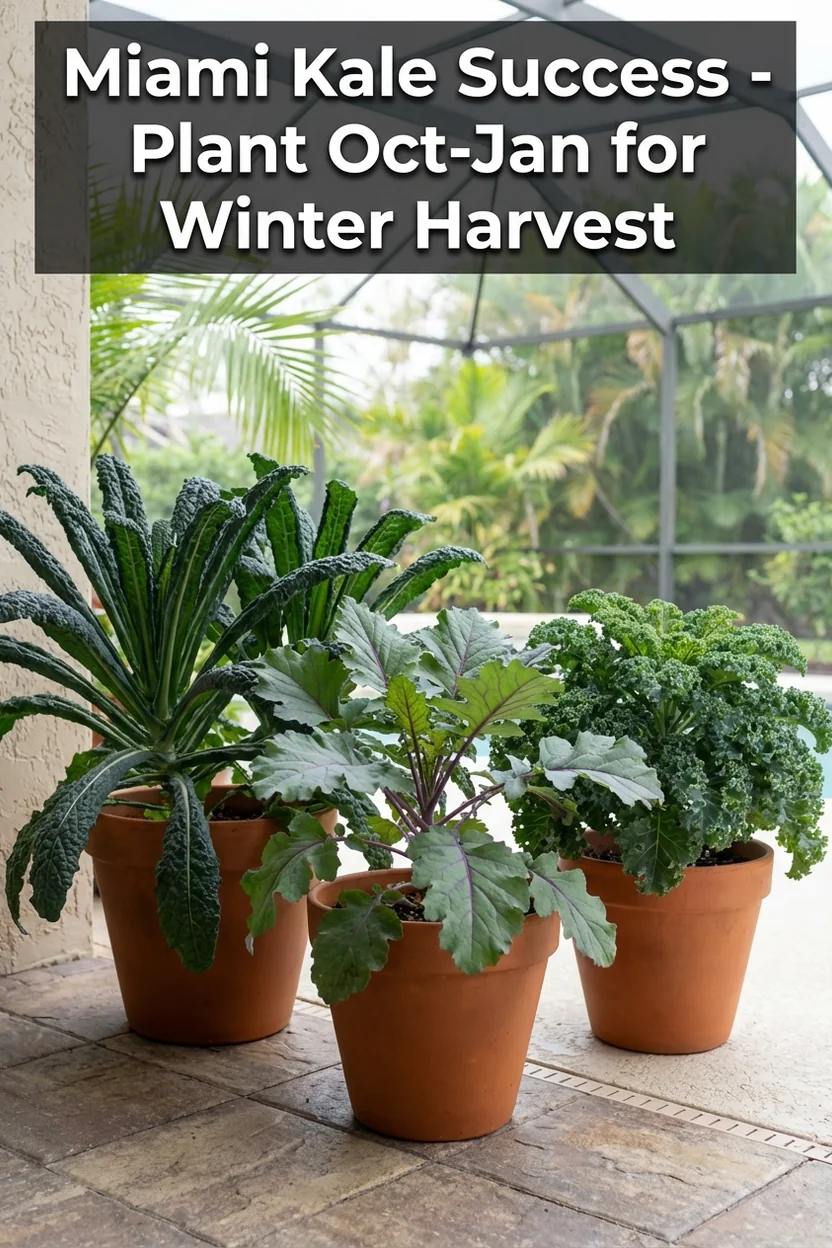
When to Plant Kale in Miami: Complete Guide + Best Varieties for Zone 10b
Pets & Toxicity
Recorded toxicity for plants linked in this guide. An unknown status is not a safety assessment.
No linked plant is recorded as toxicDetailsHide
Brassica oleracea var. sabellica 'Vates' — Toxicity
Non-toxicView Brassica oleracea var. sabellica 'Vates' plant profileBrassica oleracea 'Red Russian' — Toxicity
Non-toxicView Brassica oleracea 'Red Russian' plant profile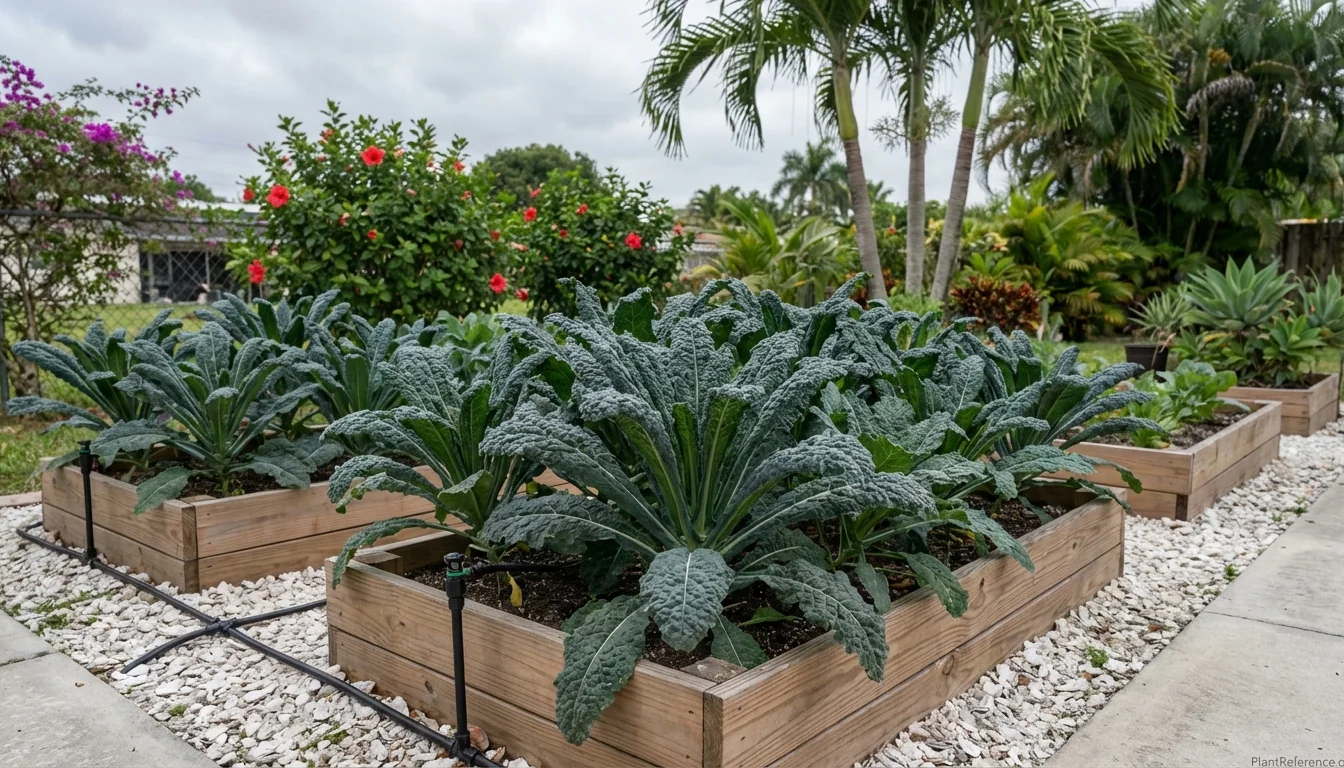
— Image © Plant Reference 2026
Growing kale in Miami presents unique challenges that most gardening guides ignore. After forty years of vegetable gardening, I can tell you that success with kale in Zone 10b comes down to one critical factor: timing your planting to avoid the heat. Miami's subtropical climate offers a excellent window for kale production, but only if you understand when to plant and which varieties can handle the warmth.
Best Kale Varieties for Miami's Zone 10b Climate
Miami's year-round warmth eliminates most cold-weather vegetables, but kale 🌿Brassica oleracea 'Vates' becomes a premium winter crop when grown correctly. The key is selecting heat-tolerant varieties that resist bolting during Miami's brief cool season from November through March.
Not all kale varieties succeed in Miami's climate. Standard recommendations from northern gardening guides fail here because they don't account for our complete lack of frost and limited cool weather. Here's what actually works:
Variety | Days to Maturity | Best For | Notes for Miami |
|---|---|---|---|
60-75 days | Heat tolerance | Thick waxy leaves resist stress, best overall choice | |
50-60 days | Quick harvest | Fastest maturing, harvest before February heat | |
55-65 days | Container growing | Compact size perfect for patios, bolt-resistant | |
60-75 days | Ornamental appeal | Purple color intensifies in cool weather, heat sensitive | |
60-75 days | Traditional flavor | Struggles with humidity, better for experienced growers |
Top Performer: Lacinato (Dinosaur Kale)
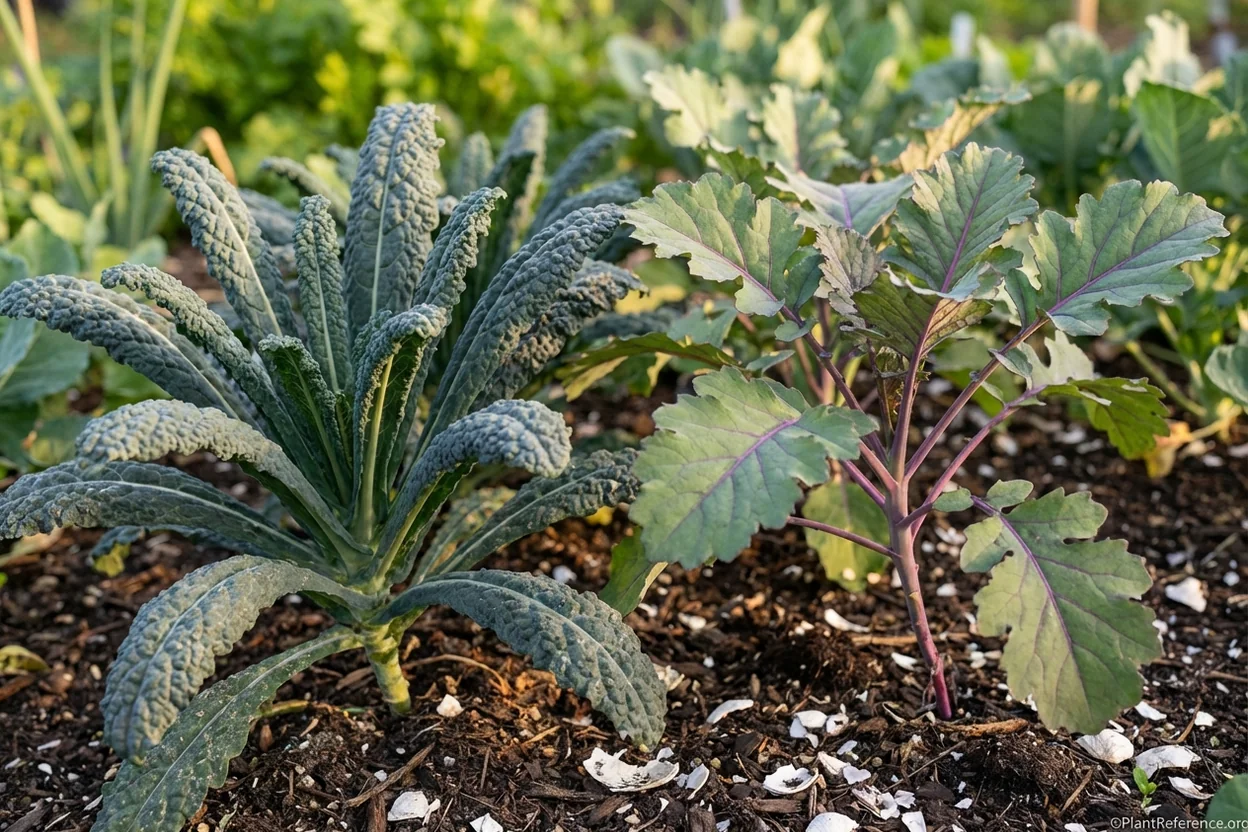
🌿Brassica oleracea 'Lacinato' consistently outperforms other varieties in Miami gardens. Its thick, waxy leaves resist the stress that causes bitter flavor in thinner-leafed types. The dark blue-green foliage stays tender longer as temperatures rise in February and March.
Quick Harvest: Red Russian
For gardeners who want fast results, 🌿Brassica oleracea 'Red Russian' matures in just 50-60 days. Plant in November and you'll be harvesting by January. The purple-veined leaves add color to winter salads, but this variety becomes stressed quickly once temperatures consistently hit 80°F.
Container Champion: Vates
🌿Brassica oleracea 'Vates' grows in a compact 12-inch mound, making it perfect for Miami's patio and balcony gardens. This dwarf variety tolerates root restriction better than full-size types and shows good resistance to premature bolting.
Specific Planting Dates for Miami
Miami's frost-free climate means traditional planting advice doesn't apply. Instead of timing around frost dates, we plant around temperature patterns. The goal is harvesting during our 60-75°F window from December through February.
Fall Planting Window: October 1 - December 15
Primary planting season in Miami. Soil temperatures remain warm enough for germination (above 65°F) while air temperatures begin their gradual decline toward the winter sweet spot.
October 1-31: Optimal for all varieties. Plants establish strong root systems before cool weather arrives.
November 1-30: Excellent for quick-maturing types like 🌿Brassica oleracea 'Red Russian'. Still allows full development before spring heat.
December 1-15: Latest recommended planting. Choose 50-day varieties only, as plants must mature before March temperatures trigger bolting.
Winter Planting Window: December 15 - January 31
Emergency planting window. Only attempt with fastest-maturing varieties during Miami's coolest weather.
December 15-31: Plant 🌿Brassica oleracea 'Red Russian' for March harvest. Risk increases as plants may not reach full size.
January 1-31: Final opportunity for baby kale harvest. Direct sow for 30-day harvest of tender leaves before heat stress begins.
What NOT to Plant: February - September
Miami gardeners often ask about year-round kale production. The reality is harsh: sustained temperatures above 80°F trigger rapid bolting, turning leaves bitter and tough. I've tried summer varieties, shade cloth, and frequent watering—nothing overcomes the fundamental biology of this cool-season crop.
February-March: Existing plants finish producing but new plantings bolt within weeks.
April-September: Complete growing season break. Use this time to build soil and plan fall plantings.
Complete Growing Guide for Miami
Success with kale in Miami requires adapting cool-climate techniques to our unique conditions. The principles remain the same, but the execution differs significantly from traditional advice.
Soil Preparation for Subtropical Conditions
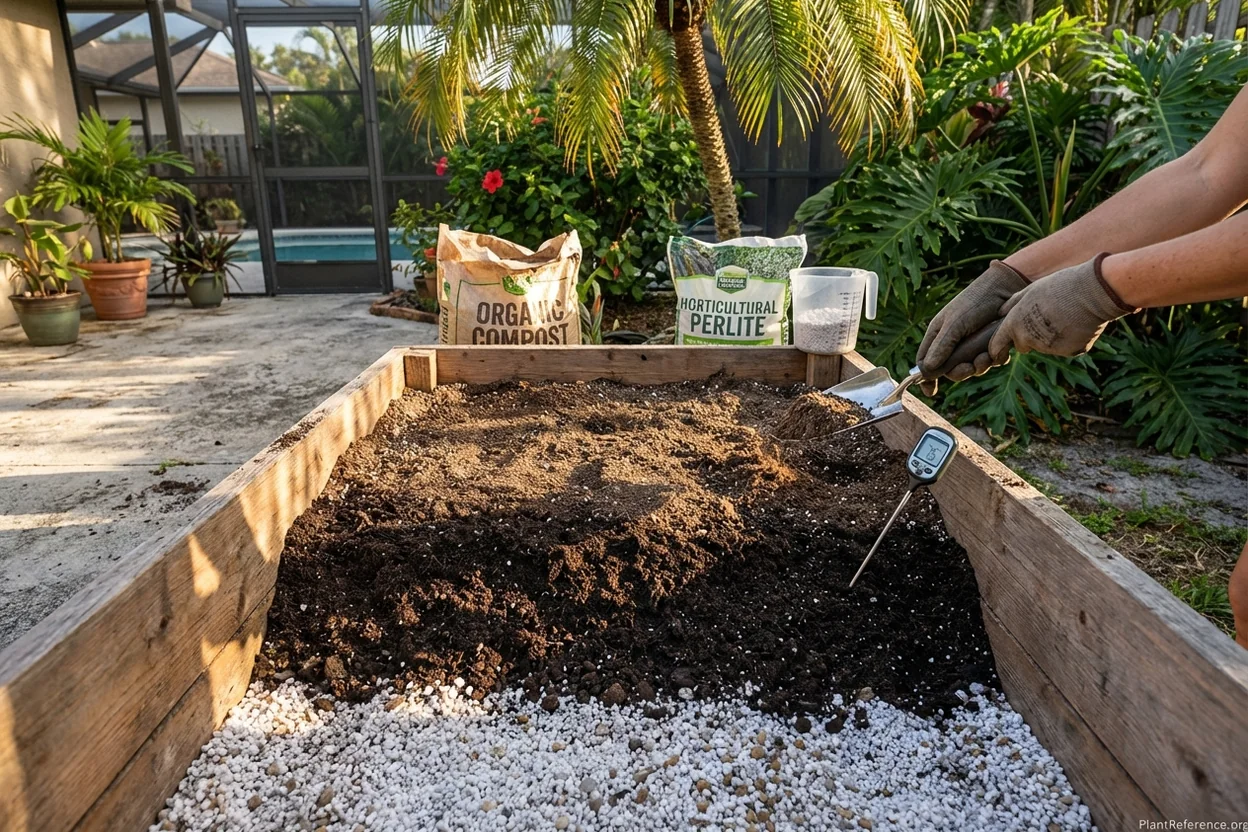
Miami's sandy soil and high humidity create drainage challenges that can quickly kill kale plants. Proper soil preparation prevents the root rot that destroys more Miami kale crops than heat stress.
Drainage is Critical: Kale cannot tolerate Miami's frequent winter rains without excellent drainage. If water puddles on your soil surface for more than 2 hours after rain, you need raised beds or heavy soil amendment.
pH Management: Miami's naturally alkaline soil (pH 7.5-8.0) actually benefits kale, which prefers 6.0-7.5. Most gardeners don't need pH adjustment, unlike the soil acidification required in many other regions.
Organic Matter Addition: Mix 2-3 inches of compost into planting beds. Miami's heat quickly decomposes organic matter, so generous initial additions are essential for season-long nutrition.
Planting Techniques for Miami Success
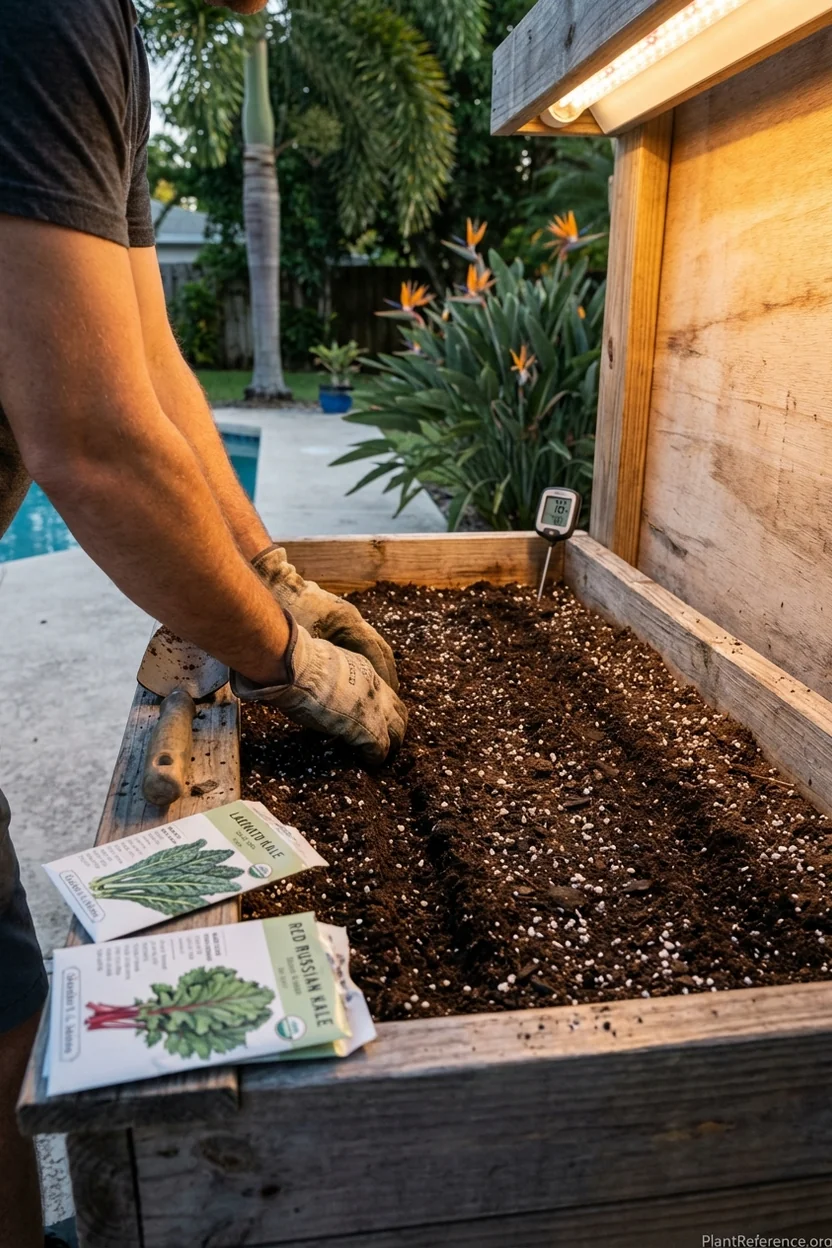
Direct Seeding Method: Plant seeds ½ inch deep in Miami's loose soil. Deeper planting delays germination in our warm conditions. Space seeds 3 inches apart and thin to 12 inches as plants develop.
Transplant Timing: If starting indoors, begin seeds 4-6 weeks before outdoor planting. Use grow lights—Miami's limited winter daylight isn't sufficient for strong seedling development indoors.
Succession Planting Strategy: Plant new rows every 3 weeks from October through December for continuous harvest. This maximizes your limited growing window and ensures tender leaves throughout the season.
Water Management in Humid Conditions
Miami's combination of frequent rain and intense sun creates challenging water conditions for kale. Too much moisture encourages fungal diseases, while too little causes the leaf toughness that makes kale unpalatable.
Morning Watering Schedule: Water deeply once or twice weekly in early morning (6-8 AM). This allows foliage to dry before evening humidity increases disease pressure.
Mulching Strategy: Apply 2-3 inches of organic mulch around plants but keep mulch 2 inches away from stems. Pine straw or shredded leaves work better than wood mulch in Miami's humid conditions.
Rain Season Adaptations: During Miami's December-February rain season, reduce supplemental watering and ensure excellent air circulation around plants. Space plants slightly wider than northern recommendations.
Fertilization for Continuous Harvest
Kale's rapid growth in Miami's warm soil requires consistent nutrition throughout the growing season. The key is providing steady nitrogen without triggering succulent growth that attracts pests.
Base Fertilization: Apply balanced organic fertilizer (5-5-5) at planting time, working into top 4 inches of soil.
Monthly Feeding: Side-dress established plants with fish emulsion or compost tea every 3-4 weeks during active growth. Avoid high-nitrogen synthetic fertilizers that promote soft, pest-attractive growth.
Trace Elements: Miami's sandy soil often lacks micronutrients. Apply kelp meal or sea-based organic fertilizer monthly to prevent deficiencies that show as yellowing or stunted growth.
Pest Management in Year-Round Conditions
Miami's lack of winter kill allows pest populations to build continuously. Successful kale growing requires proactive pest management from day one.
Cabbage Worms: The larvae of white butterflies remain active all winter in Miami. Use floating row covers immediately after planting and apply BT spray weekly once covers are removed.
Aphids: Warm conditions create explosive aphid populations on tender kale leaves. Monitor weekly and control with strong water sprays or insecticidal soap at first sign of infestation.
Whiteflies: These tropical pests can quickly overwhelm kale plants. Yellow sticky traps and regular inspection help catch populations before they establish.
Troubleshooting Miami-Specific Problems
Miami's unique growing conditions create problems rarely covered in standard gardening guides. Here's how to identify and solve the most common issues.
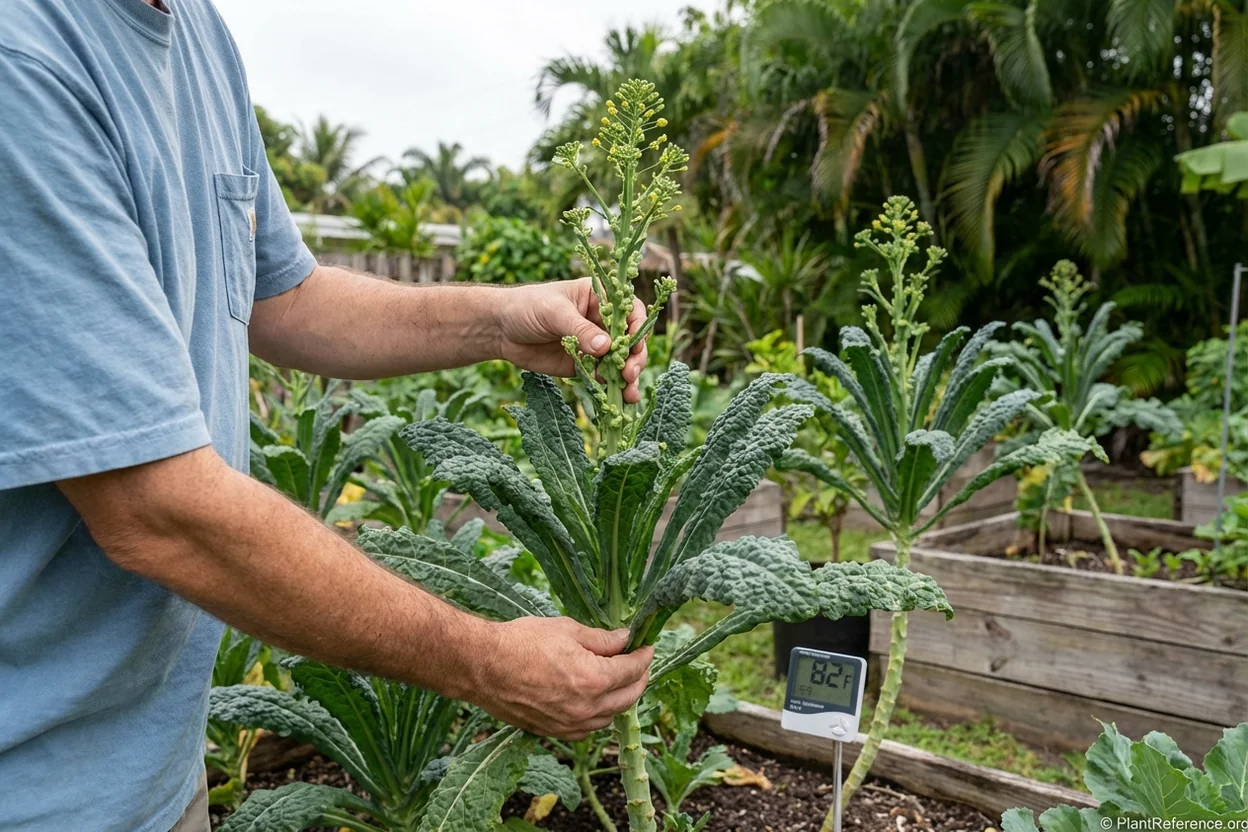
Rapid Bolting in Late Season
Symptoms: Flower stalks appear suddenly on plants that seemed healthy. Leaves become bitter and tough within days.
Cause: Temperatures consistently above 80°F trigger reproductive phase. This typically begins in mid-February to March in Miami.
Solution: Harvest entire plants immediately when flower buds first appear. Plant earlier in fall to achieve full harvest before bolting weather arrives.
Prevention: Choose bolt-resistant varieties like 🌿Brassica oleracea 'Vates' for late-season plantings.
Leaf Toughness and Bitter Flavor
Symptoms: Leaves feel leathery even on young plants. Raw kale tastes extremely bitter regardless of variety or plant age.
Cause: Heat stress causes plants to produce protective compounds and strengthen cell walls. Miami plants experience this stress even during "cool" 75-80°F weather.
Solution: Harvest leaves smaller and younger than northern recommendations. Massage raw kale with salt and oil to break down tough fibers.
Prevention: Provide afternoon shade during warmest parts of growing season. Plant earlier in fall to maximize cool-weather growth.
Root Rot in Rainy Periods
Symptoms: Plants wilt during day but appear to recover at night. Lower leaves yellow and drop. Growth slows dramatically.
Cause: Poor drainage combined with Miami's frequent winter rains creates anaerobic soil conditions that kill roots.
Solution: Improve drainage immediately by adding perlite or coarse sand to soil around affected plants. Reduce watering frequency.
Prevention: Always plant in raised beds or heavily amended soil. Never plant kale in Miami's natural sandy soil without drainage improvement.
Pest Explosions During Warm Spells
Symptoms: Sudden appearance of large cabbage worm or aphid populations, often following a warm spell in December or January.
Cause: Warm temperatures (85°F+) during Miami's brief winter activate pest reproduction while plants remain stressed and vulnerable.
Solution: Apply BT spray immediately for caterpillars. Use insecticidal soap for aphids. Remove heavily infested plants to protect nearby ones.
Prevention: Maintain row covers during warm spells. Monitor weather forecasts and prepare pest controls before temperature spikes.
Harvest & Storage
Miami's limited growing season makes harvest timing critical. Unlike northern gardens where kale improves after frost, Miami kale must be harvested at peak quality before heat stress begins.
Optimal Harvest Timing
Begin harvesting: 50-60 days after planting when outer leaves reach 6-8 inches length.
Peak harvest window: December through February when temperatures remain below 80°F consistently.
Final harvest: Complete harvest by mid-March before sustained heat triggers bolting and bitterness.
Daily timing: Harvest in early morning (6-7 AM) when leaves contain maximum moisture and lowest temperatures reduce stress response.
Harvest Methods for Continuous Production
Cut-and-Come-Again: Harvest outer leaves regularly, leaving center growing point intact. This extends harvest season by 4-6 weeks compared to whole-plant harvest.
Whole Plant: When bolting begins (flower buds visible), harvest entire plant immediately. Waiting even a few days results in bitter, tough leaves.
Baby Leaf Harvest: For late plantings, harvest entire plant when leaves reach 3-4 inches for tender salad use.
Storage in Miami's Humidity
Miami's high humidity creates unique storage challenges for harvested kale. Standard refrigerator storage often results in wilting within 2-3 days.
Short-term (1-4 days): Wash leaves thoroughly, spin dry, and store in perforated plastic bags in refrigerator crisper drawer.
Medium-term (1 week): Wrap cleaned, dried leaves in paper towels before placing in perforated bags. Replace paper towels if they become damp.
Long-term preservation: Blanch leaves for 2 minutes, shock in ice water, drain thoroughly, and freeze in portion-sized containers. Miami's brief harvest season makes freezing essential for year-round supply.
FAQ
When should I start kale seeds indoors in Miami?
Start seeds indoors 4-6 weeks before your planned outdoor planting date. For October planting, start seeds in late August. Use grow lights since Miami's limited winter daylight isn't sufficient for strong seedling development. Transplant seedlings when outdoor temperatures consistently stay below 85°F at night, typically in early October.
Can I grow kale year-round in Miami like other warm-climate vegetables?
No, kale cannot handle Miami's summer temperatures above 80°F. Unlike heat-tolerant crops such as okra or peppers, kale is a cool-season brassica that requires temperatures below 80°F for quality production. Attempt summer growing only results in rapid bolting and bitter, tough leaves. Focus your energy on maximizing the October-March window for best results.
Which kale varieties handle Miami's heat and humidity best?
🌿Brassica oleracea 'Lacinato' consistently performs best in Miami conditions due to its thick, waxy leaves that resist heat stress. 🌿Brassica oleracea 'Vates' shows excellent bolt resistance for late-season plantings. Avoid thin-leafed varieties like 🌿Brassica oleracea 'Red Russian' for plantings after November, as they become stressed quickly in Miami's warm winter temperatures.
How do I prevent my kale from bolting too early in Miami?
Plant early enough in fall (October-November) to allow full plant development before warm weather triggers bolting. Provide afternoon shade during Miami's warmer winter days above 80°F. Choose bolt-resistant varieties like 🌿Brassica oleracea 'Vates' for December or January plantings. Harvest entire plants immediately when flower buds first appear—waiting even 2-3 days results in bitter leaves.
What's the biggest mistake Miami gardeners make with kale?
Planting too late in the season. Many gardeners attempt January or February plantings expecting northern-style spring crops. Miami's rapid warming in March doesn't allow sufficient time for quality harvest. Plant in October for December-February harvest—this timing maximizes your production window before heat stress begins. Late plantings invariably bolt before reaching useful size.
How do I protect kale from Miami's frequent winter rains?
Ensure excellent drainage by planting in raised beds with 4-6 inches of amended soil above ground level. Never plant directly in Miami's sandy native soil, which creates waterlogged conditions during rainy periods. Space plants slightly wider than northern recommendations (15 inches instead of 12 inches) to improve air circulation. Apply organic mulch but keep it 2 inches away from plant stems to prevent fungal issues.
Is container growing better for kale in Miami conditions?
Yes, containers offer excellent control over drainage and soil conditions that are difficult to achieve in Miami's challenging native soil. Use containers at least 12 inches deep with multiple drainage holes. 🌿Brassica oleracea 'Vates' works exceptionally well in containers due to its compact growth habit. Move containers to receive morning sun but afternoon shade during Miami's warmest winter days above 80°F.
Frequently Asked Questions
Reading about plants and recognising them are different skills. These three build the second.
- Daily PlantIdentify the day’s mystery plant from a close-up photograph.
- Keyed OutWork a dichotomous key, lead by lead, to name a hidden specimen.
- Name That PlantName a specimen from botanical clues dealt hardest first.
Free to play, no account needed
Maria is a tropical plant grower in Miami who maintains a half-acre property packed with palms, fruit trees, and tropical ornamentals. She grew up in Puerto Rico surrounded by tropical plants and moved to South Florida for college, earning a biology degree. Maria worked at a major tropical botanic garden for several years before transitioning to freelance writing and consulting. She specializes in tropical fruit growing, hurricane-resilient landscaping, and the particular challenges of gardening in South Florida—salt air, limestone soil, intense rain, and the threat of tropical storms. Maria's practical about the realities of tropical gardening: it's not paradise if you don't understand what you're dealing with.