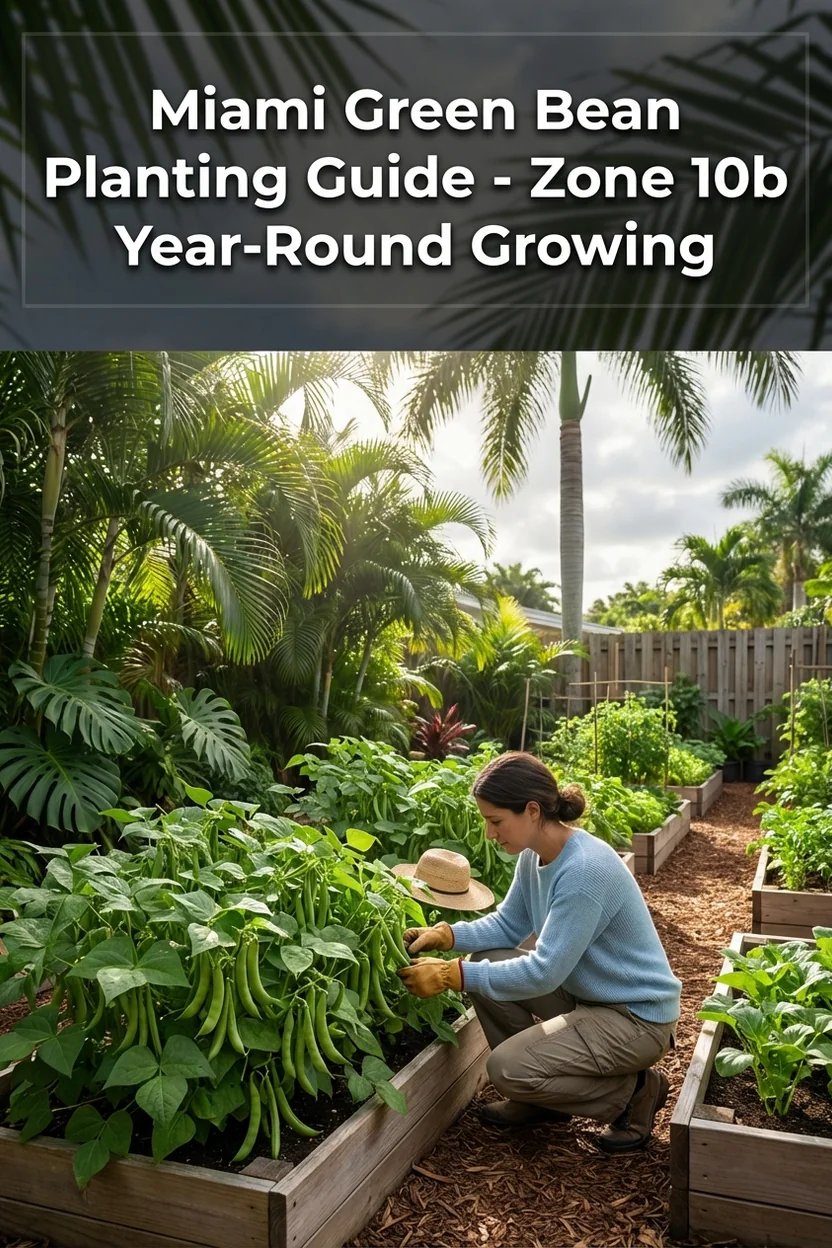
When to Plant Green Beans in Miami: Complete Guide + Best Varieties for Zone 10b
Pets & Toxicity
Recorded toxicity for plants linked in this guide. An unknown status is not a safety assessment.
No linked plant is recorded as toxic (3 linked plants checked)DetailsHide
Phaseolus vulgaris 'Blue Lake' — Toxicity
Non-toxic when cooked. Raw pods carry lectins (phytohemagglutinin) that cause digestive upset on raw consumption — pods are cooked before eatingView Phaseolus vulgaris 'Blue Lake' plant profilePhaseolus vulgaris 'Kentucky Wonder' — Toxicity
Non-toxicView Phaseolus vulgaris 'Kentucky Wonder' plant profile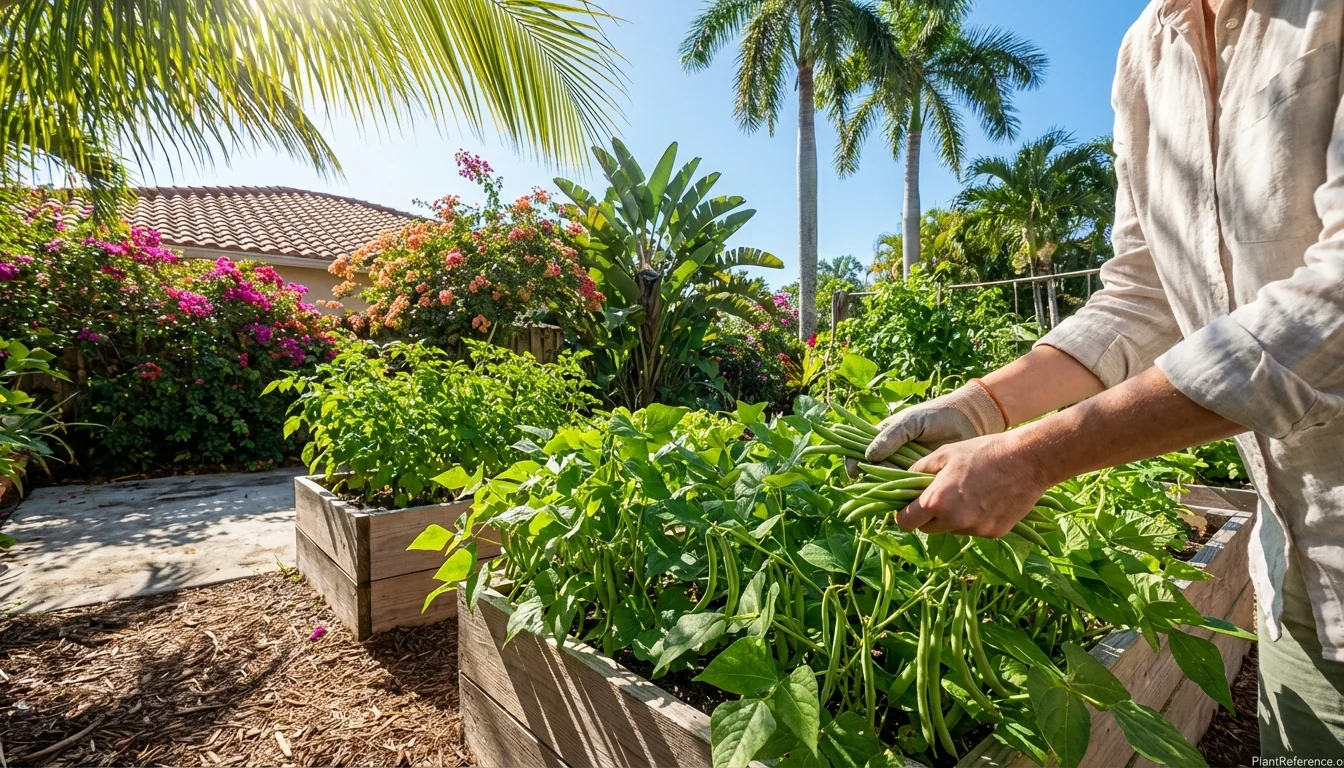
— Image © Plant Reference 2026
Growing green beans in Miami means working with nature's calendar instead of fighting against it. After forty years of vegetable gardening, I've learned that Miami's Zone 10b climate offers unique advantages—no frost means you can grow beans when northern gardeners are shoveling snow—but summer heat above 85°F will shut down pod production faster than you can say "black-eyed peas."
Best Green Bean Varieties for Miami's Zone 10b Climate
Miami's tropical climate demands heat-tolerant varieties that can handle humidity without succumbing to fungal diseases. The key is selecting cultivars that mature quickly during the cooler months and can tolerate the inevitable temperature spikes that occur even in winter.
Variety | Days to Maturity | Best For Miami | Notes for Zone 10b |
|---|---|---|---|
50-55 days | Quick cool-season harvest | Excellent disease resistance for humidity | |
53-60 days | Winter production | Flat romano pods handle heat better | |
55-60 days | Easy harvesting | Purple pods visible against foliage | |
55-65 days | Extended harvest | Bush variety better than pole in Miami heat | |
55-60 days | Specialty market | Requires consistent moisture | |
60-70 days | Vertical growing only | Pole variety needs cool weather start |
Top Performers for Miami:
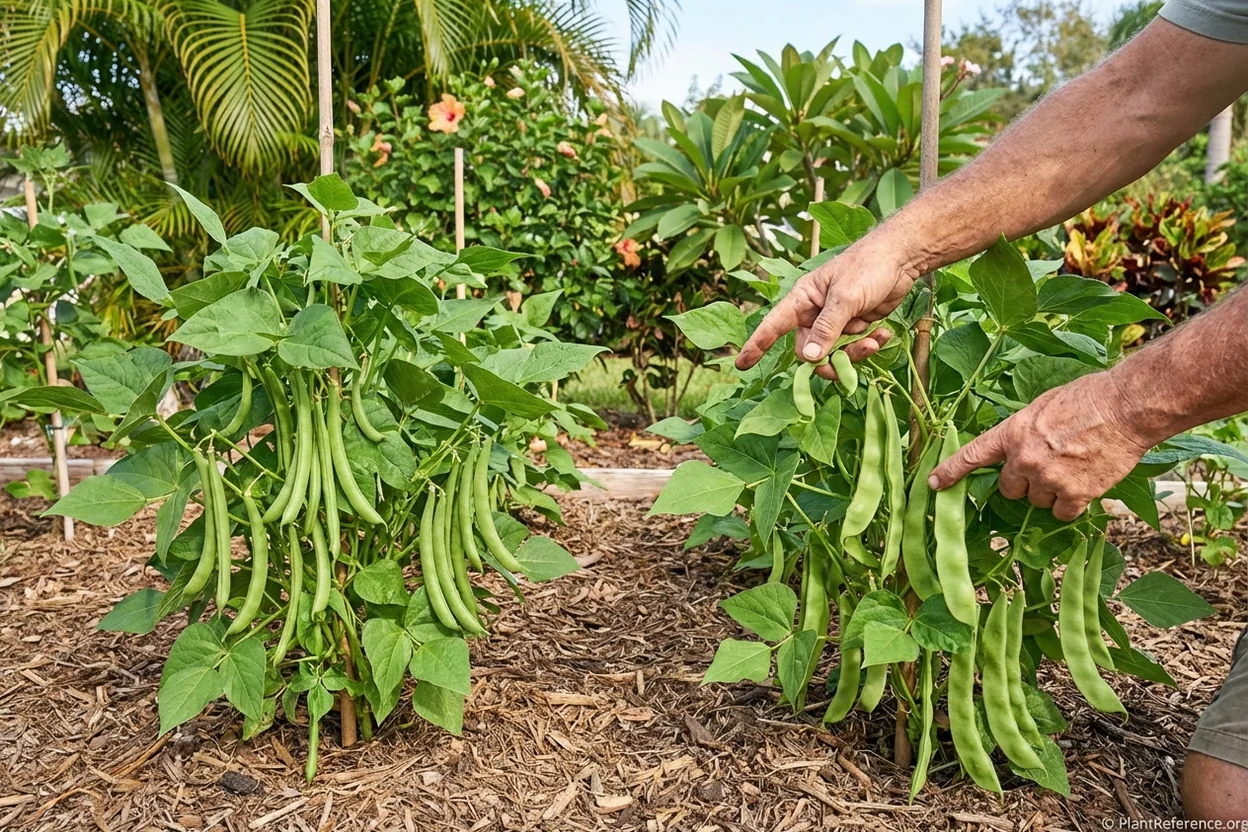
🌿Phaseolus vulgaris 'Provider' consistently delivers the most reliable yields in South Florida. This bush variety matures in just 50-55 days, allowing you to harvest before any unexpected warm spells. Its compact growth habit and disease resistance make it perfect for Miami's humid conditions.
🌿Phaseolus vulgaris 'Roma II' produces broad, flat pods that maintain their tender texture even when temperatures climb into the low 80s. The romano-type beans handle Miami's occasional winter heat spikes better than cylindrical varieties.
Varieties to Avoid in Miami:
Skip the late-maturing heirloom pole beans like 🌿Phaseolus vulgaris 'Kentucky Wonder' unless you can provide afternoon shade and consistent irrigation. Miami's intense sun and heat stress these varieties before they reach full production.
Specific Planting Dates for Miami
Miami's frost-free Zone 10b climate flips the traditional gardening calendar upside down. While northern gardeners plant beans in late spring, Miami gardeners achieve their best results during what northerners call winter.
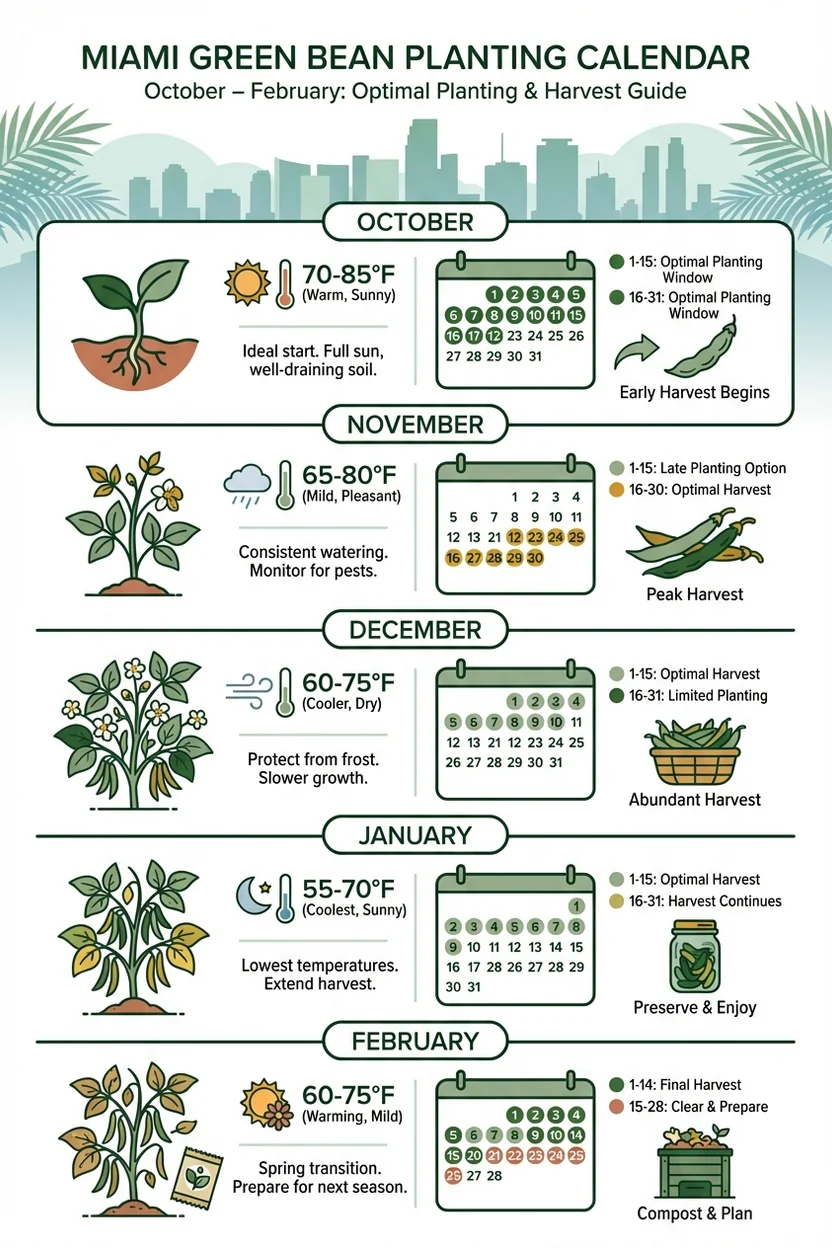
Primary Planting Season: October 15 - February 28
October 15-31: Ideal planting window begins as temperatures drop below 85°F consistently. Soil temperature around 75-80°F (24-27°C) ensures rapid germination. This timing captures the best growing conditions as humidity levels decrease.
November 1-30: Peak planting time. Temperatures range 70-82°F (21-28°C) with lower humidity. Beans planted now mature during Miami's most pleasant weather in December and January.
December 1-31: Excellent growing conditions continue. December plantings harvest in late January through February when tourist season brings perfect weather.
January 1-February 28: Last opportunity for spring harvest. February plantings must finish by late March before summer heat arrives.
Summer Growing Reality Check:
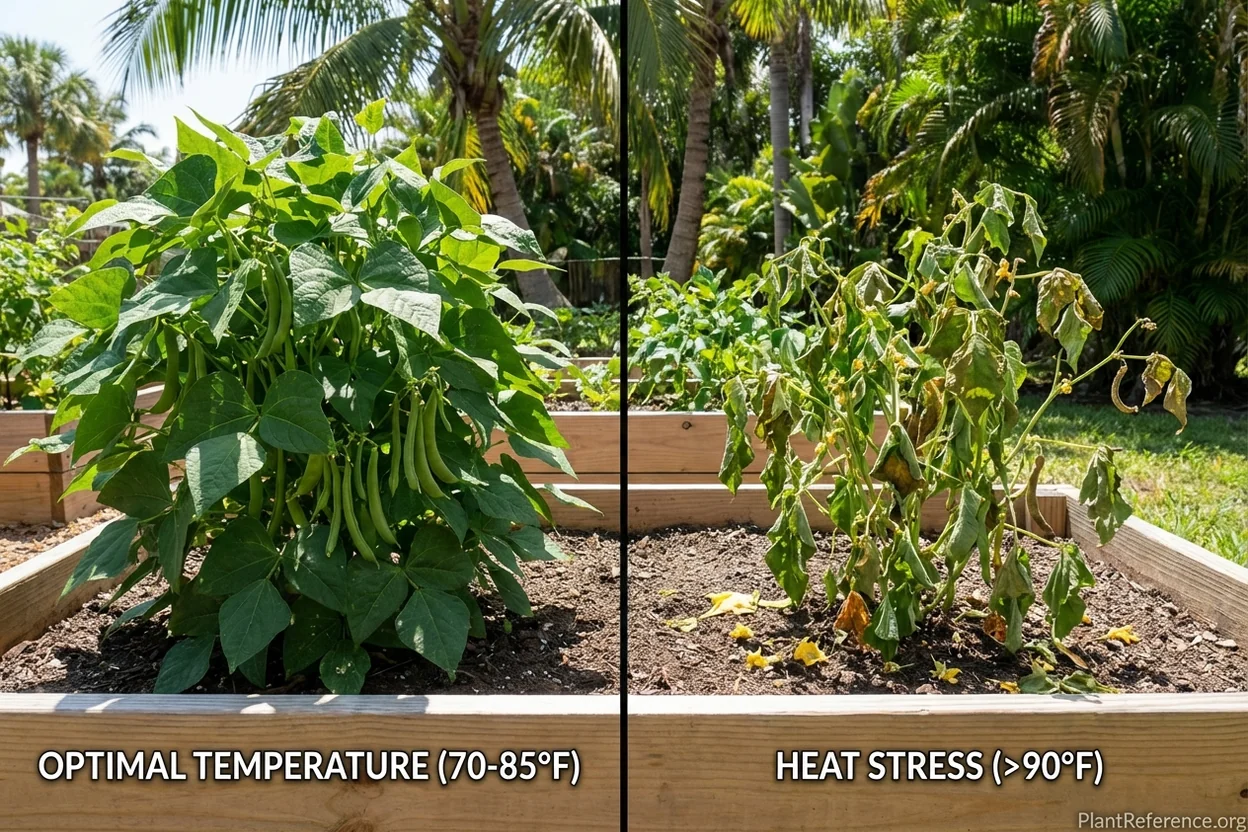
Don't plant beans from April through September in Miami. When temperatures exceed 85°F (29°C), bean flowers drop before forming pods. Even with irrigation, the plants struggle with heat stress and become magnets for spider mites and other heat-loving pests.
Succession Planting Schedule:
Plant every 3 weeks from October 15 through February 15 for continuous harvest:
October 15: First planting (harvest December 5-15)
November 5: Second planting (harvest December 25-January 5)
November 25: Third planting (harvest January 15-25)
December 15: Fourth planting (harvest February 5-15)
January 5: Fifth planting (harvest February 25-March 5)
January 25: Sixth planting (harvest March 15-25)
February 15: Final planting (harvest April 5-15)
This schedule provides fresh beans from December through April—exactly when Miami's beautiful weather makes you want to spend time in the garden.
Complete Growing Guide for Miami
Successfully growing beans in Miami requires understanding that our "winter" is actually prime growing season. The techniques that work up north need significant modification for our tropical climate.
Soil Preparation for Miami Gardens
Miami's sandy soils drain quickly but lack organic matter and nutrients. Most Miami soils are alkaline (pH 7.5-8.5) due to limestone bedrock, which affects nutrient availability.
pH Management: Test your soil first. If pH exceeds 7.5, add sulfur or organic matter to lower it. Beans prefer pH 6.0-7.0 for optimal nutrient uptake and nitrogen fixation.
Organic Matter Addition: Work 3-4 inches of compost into planting beds. Miami's year-round growing season depletes soil organic matter rapidly. The compost improves water retention in sandy soil and provides slow-release nutrients.
Drainage Considerations: While Miami's sandy soil drains well, summer thunderstorms can create temporary waterlogged conditions. Raise beds 4-6 inches to ensure proper drainage during heavy rain periods.
Planting Techniques for Zone 10b
Seed Depth and Spacing: Plant bush varieties like 🌿Phaseolus vulgaris 'Provider' at 4-inch spacing in rows 18 inches apart. In Miami's sandy soil, plant seeds 1.5 inches deep rather than the standard 1 inch—our soil dries quickly near the surface.
Germination Timeline: In Miami's warm soil (75-80°F), beans germinate in 5-7 days compared to 10-14 days in cooler climates. Keep the soil consistently moist during this critical period—one dry day can kill newly sprouted seedlings.
Direct Seeding Success: Never transplant beans—always direct seed. Miami's year-round growing season makes direct seeding even more reliable than in northern climates. The warm soil temperature ensures quick, uniform germination.
Water Management in Tropical Climate
Miami's rainfall patterns—dry winters and wet summers—require adjusted irrigation strategies.
Winter Watering (October-April): Provide 1 inch of water weekly through drip irrigation or soaker hoses. Winter's lower humidity means you can water more frequently without disease concerns. Water deeply twice weekly rather than light daily watering.
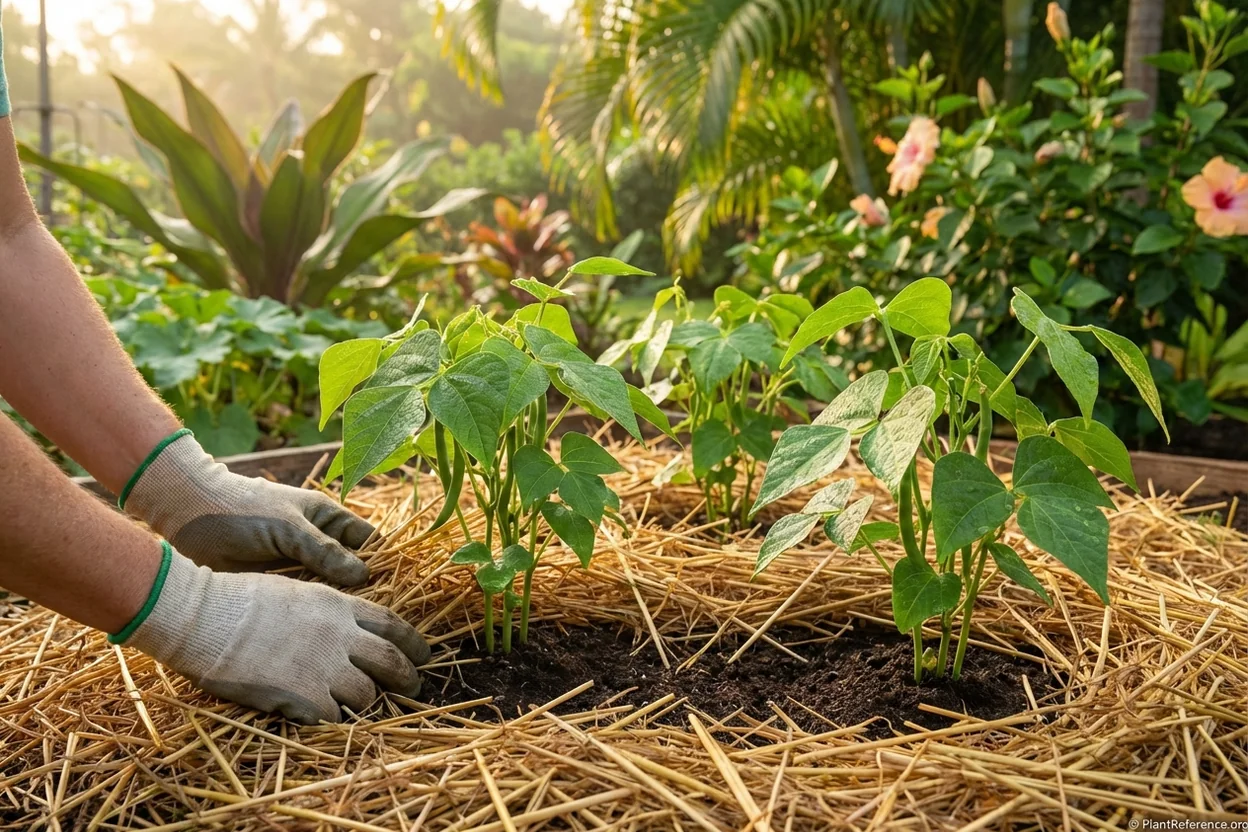
Mulching Strategy: Apply 2-3 inches of organic mulch around plants but keep it 2 inches away from stems. Miami's humidity can promote stem rot if mulch touches plant stems directly.
Fertilization for Year-Round Growing
Pre-Planting Preparation: Mix a balanced organic fertilizer (8-8-8) into soil before planting. Avoid high-nitrogen fertilizers that discourage the beneficial Rhizobium bacteria that fix nitrogen naturally.
Mid-Season Feeding: Side-dress plants with compost or low-nitrogen fertilizer when pods begin forming. Miami's extended growing season may require supplemental feeding that northern gardens don't need.
Micronutrient Considerations: Miami's alkaline soils often lock up iron and manganese. Watch for yellowing between leaf veins—a sign of iron deficiency that requires chelated iron application.
Pest and Disease Management
Miami's tropical climate creates perfect conditions for various pests and diseases that don't affect northern bean crops.
Major Pest Threats: Spider mites become problematic when temperatures exceed 80°F, even in winter. Increase humidity around plants and provide afternoon shade during temperature spikes.
Whiteflies love Miami's warmth. Yellow sticky traps help monitor populations, and insecticidal soap provides effective control for small infestations.
Disease Prevention: Avoid overhead watering to reduce fungal disease pressure. Miami's humidity provides plenty of moisture for disease development—don't add more by wetting leaves.
Space plants properly for air circulation. Dense plantings create the humid microclimates that fungal pathogens love.
Troubleshooting Miami-Specific Problems
Growing beans in Zone 10b presents unique challenges that gardeners in other zones never encounter. Here's how to solve the most common Miami bean problems.
Problem: Flowers dropping without forming pods This happens when temperatures exceed 85°F (29°C), even briefly. Bean pollen becomes non-viable in extreme heat. Plant earlier in the season or provide afternoon shade cloth (30-50% shade) during temperature spikes.
Problem: Poor germination despite warm soil Miami's intense sun can create surface temperatures above 100°F, literally cooking seeds. Plant slightly deeper (1.5 inches instead of 1 inch) and provide temporary shade over seeded areas until germination.
Problem: Plants growing vigorously but producing few beans This indicates too much nitrogen, often from over-fertilizing or using lawn fertilizer runoff. Stop feeding and let the plants establish their natural nitrogen-fixing relationship with soil bacteria.
Problem: Rapid pest population explosions Miami's year-round warmth means pests never experience the population crash that winter provides in northern climates. Practice strict garden hygiene—remove all plant debris immediately after harvest to break pest cycles.
Problem: Bean plants wilting despite adequate water Check for nematodes, microscopic worms that attack roots. Miami's sandy soils and warm temperatures create ideal nematode conditions. Rotate crops yearly and add organic matter to encourage beneficial soil organisms that control nematodes.
Preventive Strategies for Miami Success:
Choose the right varieties—heat-tolerant bush types over pole beans. Plant during optimal windows (October through February). Provide consistent moisture without overwatering. Use organic mulch to moderate soil temperatures. Practice crop rotation to prevent pest and disease buildup.
Harvest & Storage
Miami's warm climate affects both when and how you harvest green beans. The extended growing season means you'll be picking beans during some of the most pleasant weather South Florida offers.
Harvest Timing: Check plants daily once pods begin forming. Miami's warm temperatures accelerate pod development—beans can go from perfect to overmature in 2-3 days. Harvest when pods snap crisply and seeds inside are still small.
Optimal Harvest Conditions: Pick beans in early morning when temperatures are cool and pods contain maximum moisture. Avoid harvesting during the heat of the day when pods may be stress-wilted.
Storage Advantages: Miami's winter harvest timing is perfect for storage. Cool January and February temperatures (70-75°F) allow harvested beans to maintain quality longer than summer harvests in northern climates.
Preservation Methods: Fresh beans keep 5-7 days refrigerated. For longer storage, blanch in boiling water for 3 minutes, then freeze in freezer bags. Miami gardeners often pickle excess beans using traditional Cuban escabeche methods.
Continue harvesting regularly to keep plants producing. In Miami's favorable winter climate, well-managed plants can produce for 6-8 weeks from a single planting.
Frequently Asked Questions
Three daily games
Can you name a plant on sight?
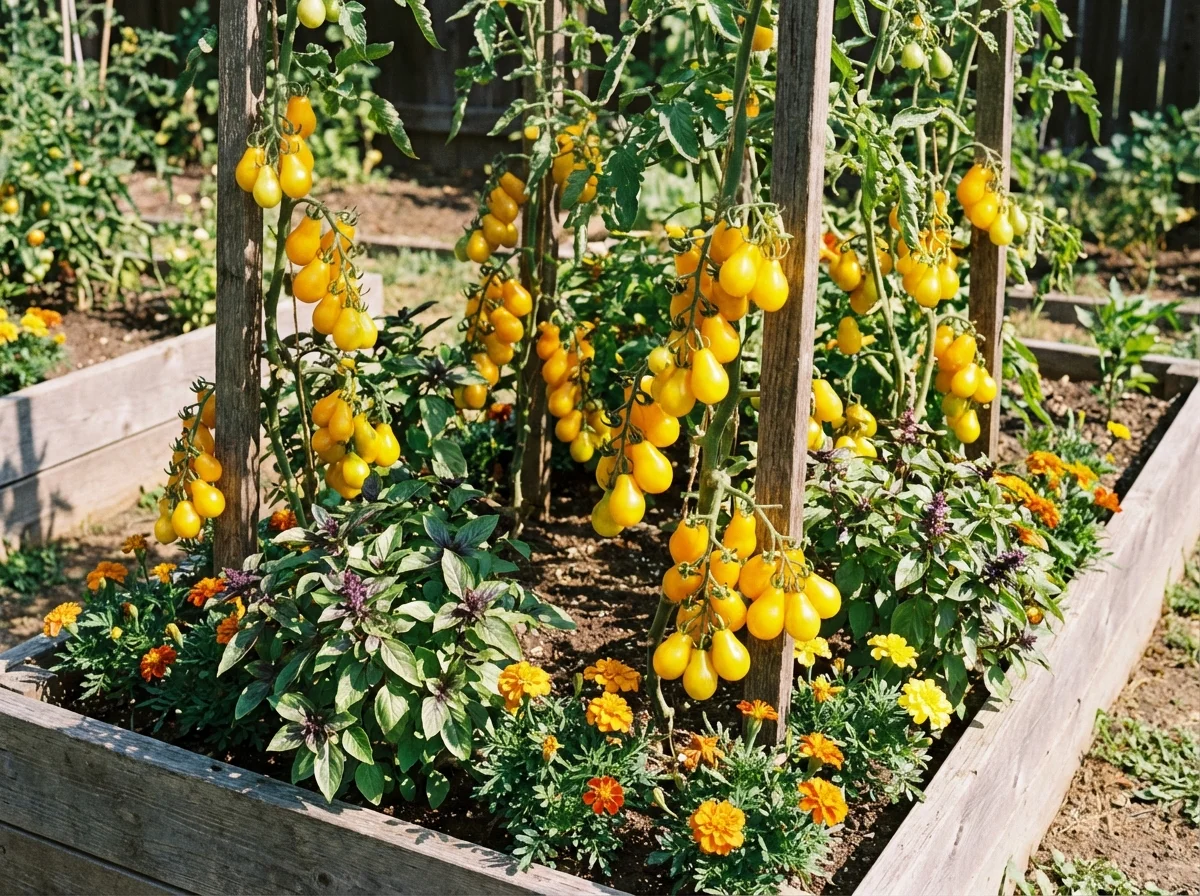
Saturday’s specimenSolanum lycopersicum 'Yellow Pear'Reading about plants and recognising them are different skills. These three build the second.
- Daily PlantIdentify the day’s mystery plant from a close-up photograph.
- Keyed OutWork a dichotomous key, lead by lead, to name a hidden specimen.
- Name That PlantName a specimen from botanical clues dealt hardest first.
Free to play, no account needed
Dot grew up on a small farm in rural Virginia and has maintained a vegetable garden for decades. After retiring from teaching elementary school, she became a Master Gardener volunteer and spends her time mentoring new gardeners at community garden plots in Richmond. She's especially knowledgeable about heirloom varieties, seed saving, and traditional growing methods passed down from her grandmother. Dot's no-nonsense advice comes from extensive trial and error—she's seen every tomato disease, pest problem, and weather disaster imaginable. Her biggest pet peeve is gardeners who overcomplicate simple tasks. "Plants want to grow," she often says. "Your job is to not get in their way."