Plant Reference
Phaseolus, Genus, vulgaris, Species, 'Kentucky Wonder', Cultivar,
- Genus & species
- Cultivar
Kentucky wonder bean
Heirloom cultivar (pre-1864, likely Appalachian origin); the species P. vulgaris is native to Central America and the Andes
Overview
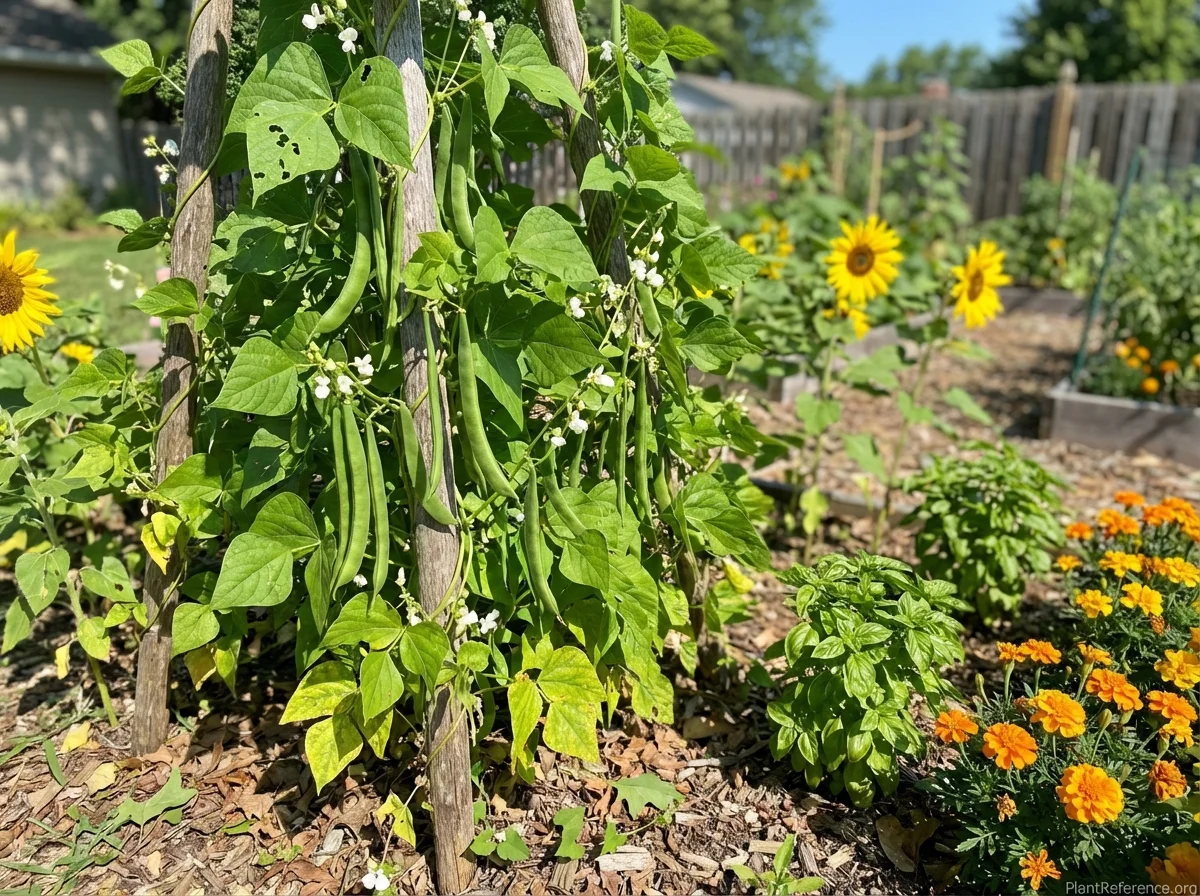
Phaseolus vulgaris 'Kentucky Wonder' is Kentucky Wonder bean (Old Homestead), a pole (climbing indeterminate) annual growing 72-96 inches (180-240 cm / 6-8 feet) on a trellis, teepee, or sturdy pole. Flat green pods 6-10 inches (15-25 cm) long that remain tender even at full size — more forgiving of delayed harvest than many snap bean cultivars. White to pale lavender pea-shaped flowers in clusters. Bright green trifoliate compound leaves. In the legume family (Fabaceae). The stems twine counterclockwise around supports. Heirloom (open-pollinated): documented before 1864, likely of Appalachian origin. Indeterminate: the vine continues growing and producing until frost, unlike bush types which set one main crop over 2-3 weeks. A legume: roots host nitrogen-fixing Rhizobium bacteria — do not apply high-nitrogen fertilizer. Direct-sow after last frost when soil reaches 60°F (16°C). Raw pods contain lectins (phytohemagglutinin) — cook before eating. The vine weight at full production can collapse flimsy supports — use sturdy poles, teepees, or cattle panels. Mexican bean beetle (Epilachna varivestis) and bean rust (Uromyces appendiculatus) are the primary pests. Not deer-resistant. Full sun. Tender annual. Growth rate is fast.
Native Range
Heirloom cultivar documented before 1864. The species P. vulgaris is native to Central America and the Andes of South America.Suggested Uses
Grown in vegetable gardens on teepees, trellises, or cattle panels. Containers of at least 5 gallons (19 L) with sturdy support. Indeterminate — produces until frost. Flat pods remain tender at full size. Heirloom — save seeds. Raw pods contain lectins. Tender annual.How to Identify
Appearance
Size & Dimensions
Height6' - 8'
Width/Spread2' - 3'
Bloom Information
Detailed Descriptions
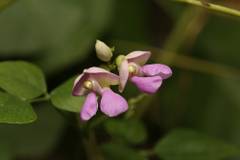
Flower Description
White to pale lavender, papilionaceous (pea-shaped), 0.5 inch (12 mm), in clusters along the vineFoliage Description
Bright green, trifoliate compound (3 broadly ovate leaflets), each 3-4 inches (7-10 cm)Growing Conditions
Sun Requirements
Requires 6-10 hours of direct sunlight daily
• Full Sun: 6+ hours of direct sunlight
• Partial Shade: 3-6 hours of direct sunlight
• Full Shade: Less than 3 hours of direct sunlight
Care & Maintenance
Care Guide
Full sun (6+ hours). Well-drained soil pH 6.0-7.0. Direct-sow after last frost (soil 60°F / 16°C+). Sturdy support required (6-8 feet / 180-240 cm). A legume — do not apply high-nitrogen fertilizer. Harvest every 2-3 days. Raw pods contain lectins — cook before eating. Not deer-resistant. Tender annual.Pruning
Pinch vine tips when they reach the top of the support to encourage lateral branching and pod set lower on the vine. Remove yellowed or diseased foliage. Harvest pods every 2-3 days at 6-8 inches (15-20 cm) — continuous harvest stimulates continued flowering.Pruning Schedule
Prune: August–September
summerfall
Container Growing
Suitable for container growing
Minimum container size: 5 gallons
Toxicity
Non-toxicPlanting Guide
Planting Methods & Timing
Planting Method
direct sow
Indoor Start
2 weeks before last frost
Direct Sow Timing
After last frost when soil temperature reaches 60 degrees F (16 degrees C)+
Days to Maturity
60–70 days
Plant Spacing
6 inches