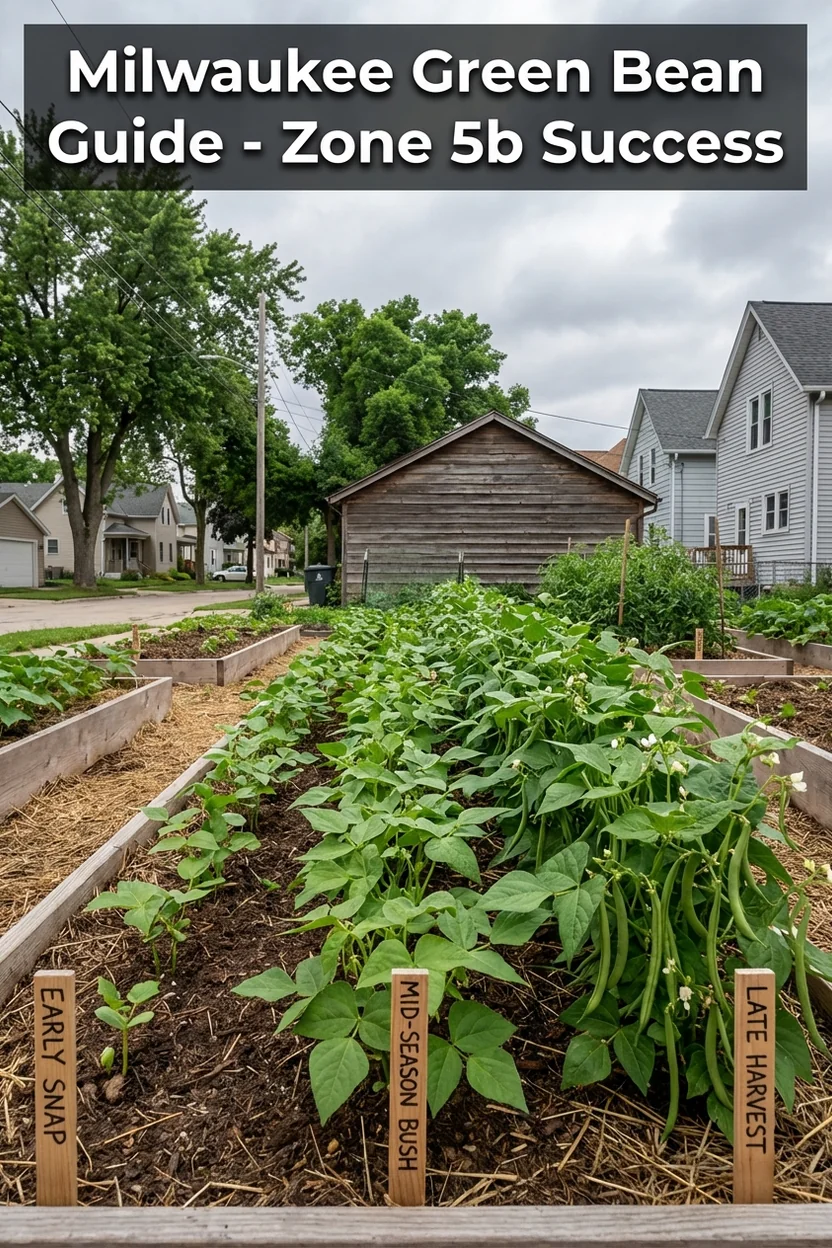
When to Plant Green Beans in Milwaukee: Complete Guide + Best Varieties for Zone 5b
Pets & Toxicity
Recorded toxicity for plants linked in this guide. An unknown status is not a safety assessment.
No linked plant is recorded as toxicDetailsHide
Phaseolus vulgaris 'Blue Lake' — Toxicity
Non-toxic when cooked. Raw pods carry lectins (phytohemagglutinin) that cause digestive upset on raw consumption — pods are cooked before eatingView Phaseolus vulgaris 'Blue Lake' plant profilePhaseolus vulgaris 'Kentucky Wonder' — Toxicity
Non-toxicView Phaseolus vulgaris 'Kentucky Wonder' plant profilePhaseolus vulgaris 'Purple Queen' — Toxicity
Non-toxicView Phaseolus vulgaris 'Purple Queen' plant profilePhaseolus vulgaris 'Dragon Tongue' — Toxicity
Non-toxicView Phaseolus vulgaris 'Dragon Tongue' plant profile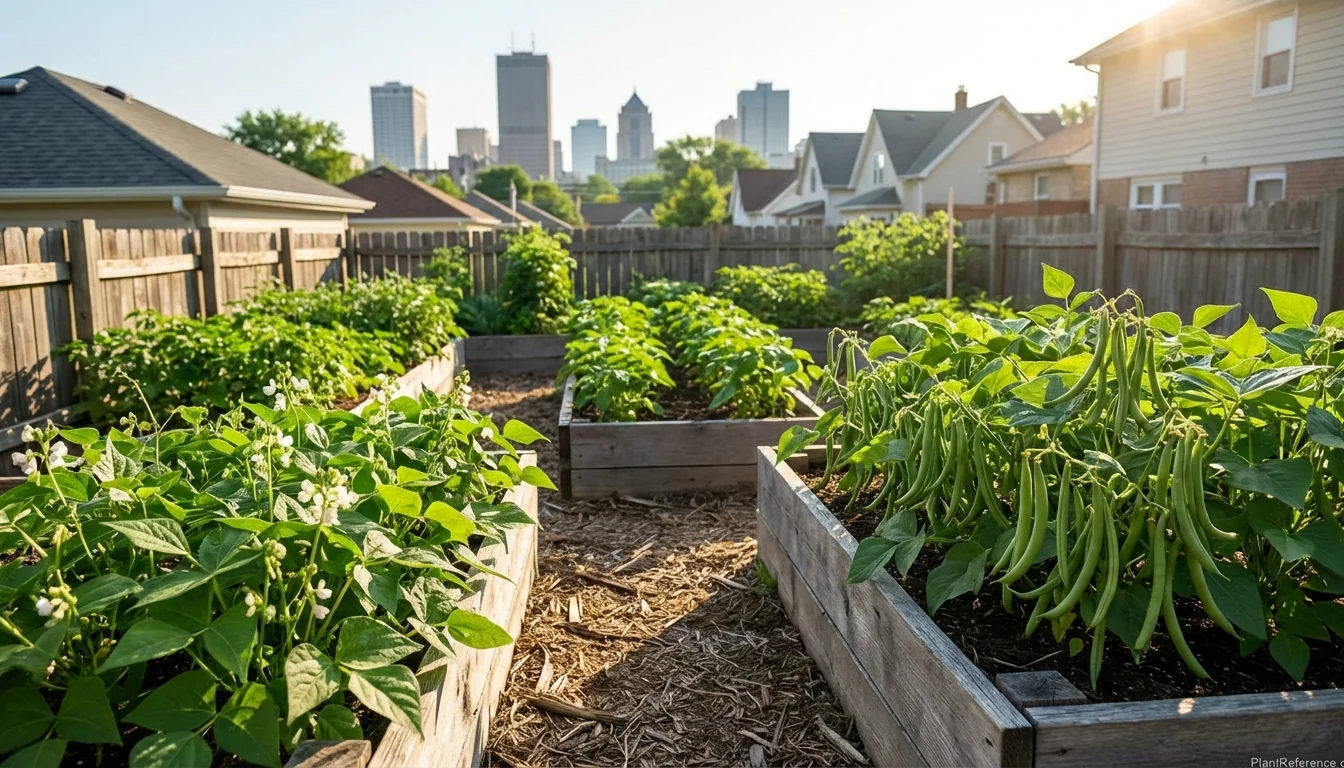
— Image © Plant Reference 2026
Growing green beans in Milwaukee means working with Wisconsin's Zone 5b climate and making the most of your 139-day growing season. With proper variety selection and succession planting, you can harvest fresh beans from mid-July through the first October frost.
Best Green Bean Varieties for Milwaukee's Climate
Milwaukee's Zone 5b climate, with frost dates from May 15 to October 1, creates ideal conditions for both bush and pole green beans. The 139-day growing season allows for multiple succession plantings of quick-maturing varieties.
Variety | Days to Maturity | Best For | Notes for Milwaukee |
|---|---|---|---|
50-55 days | Quick harvest | Perfect for Zone 5b succession planting | |
53-60 days | Fresh eating | Romano-type, heat tolerant for summer | |
55-60 days | Easy harvesting | Purple pods visible against foliage | |
55-65 days | Processing | Excellent for freezing, Milwaukee favorite | |
55-60 days | Market gardens | Striking appearance, tender texture | |
60-70 days | Extended harvest | Pole variety, requires trellising |
Bush Varieties for Succession Planting
Provider is my top recommendation for Milwaukee gardeners. This reliable variety germinates well in cooler soil and matures quickly enough for multiple plantings. Plant every two weeks from late May through mid-July for continuous harvest.
Blue Lake (bush strain) performs exceptionally well in Milwaukee's climate. The pods maintain their quality longer than most varieties, giving you flexibility in harvest timing—important when juggling multiple succession plantings.
Roma II offers something different for your Milwaukee garden. These flat Romano beans handle Wisconsin's summer heat better than many varieties and provide excellent fresh eating quality.
Pole Varieties for Space Efficiency
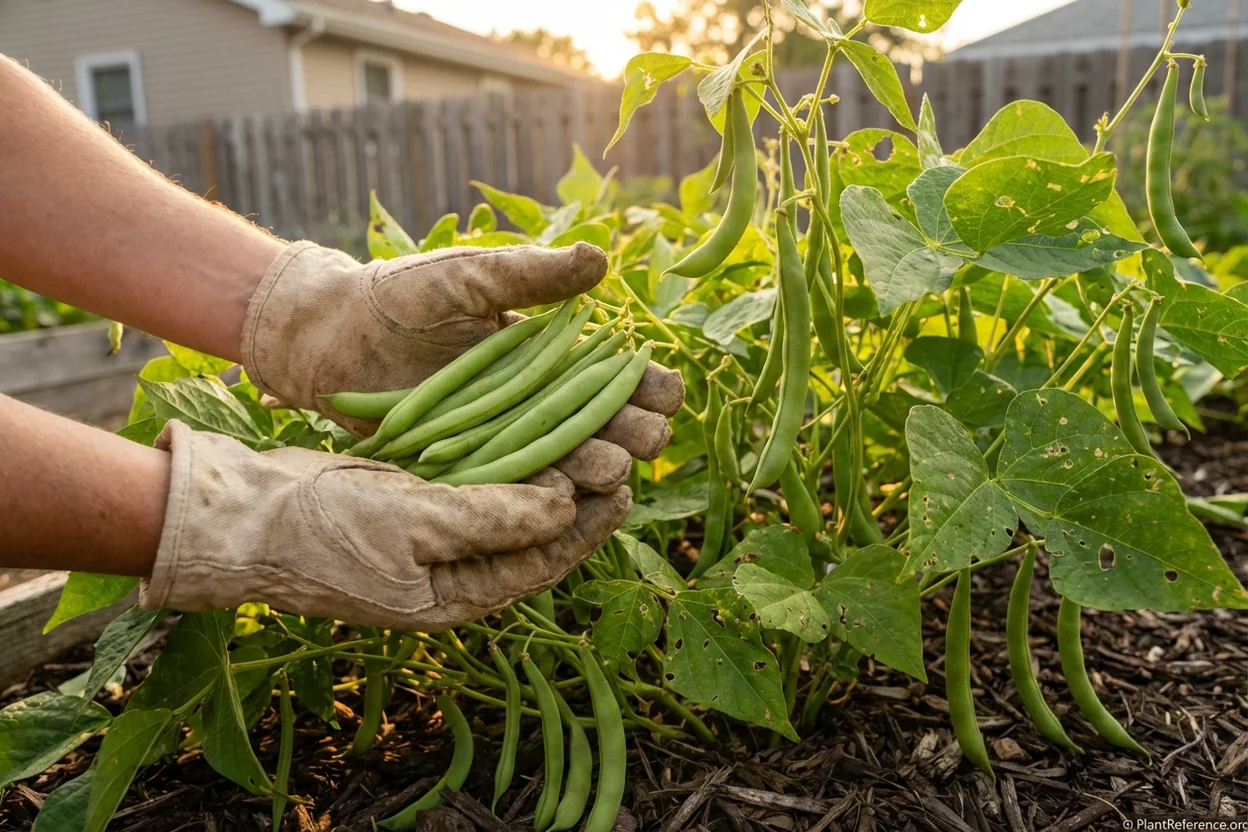
Kentucky Wonder makes excellent use of vertical space in Milwaukee gardens. While it takes 60-70 days to first harvest, the continuous production over 8-10 weeks often yields more than multiple bush plantings.
The key with pole beans in Milwaukee is getting them established early enough. Plant Kentucky Wonder by May 25 to ensure full season production before October frost.
Specific Planting Dates for Milwaukee
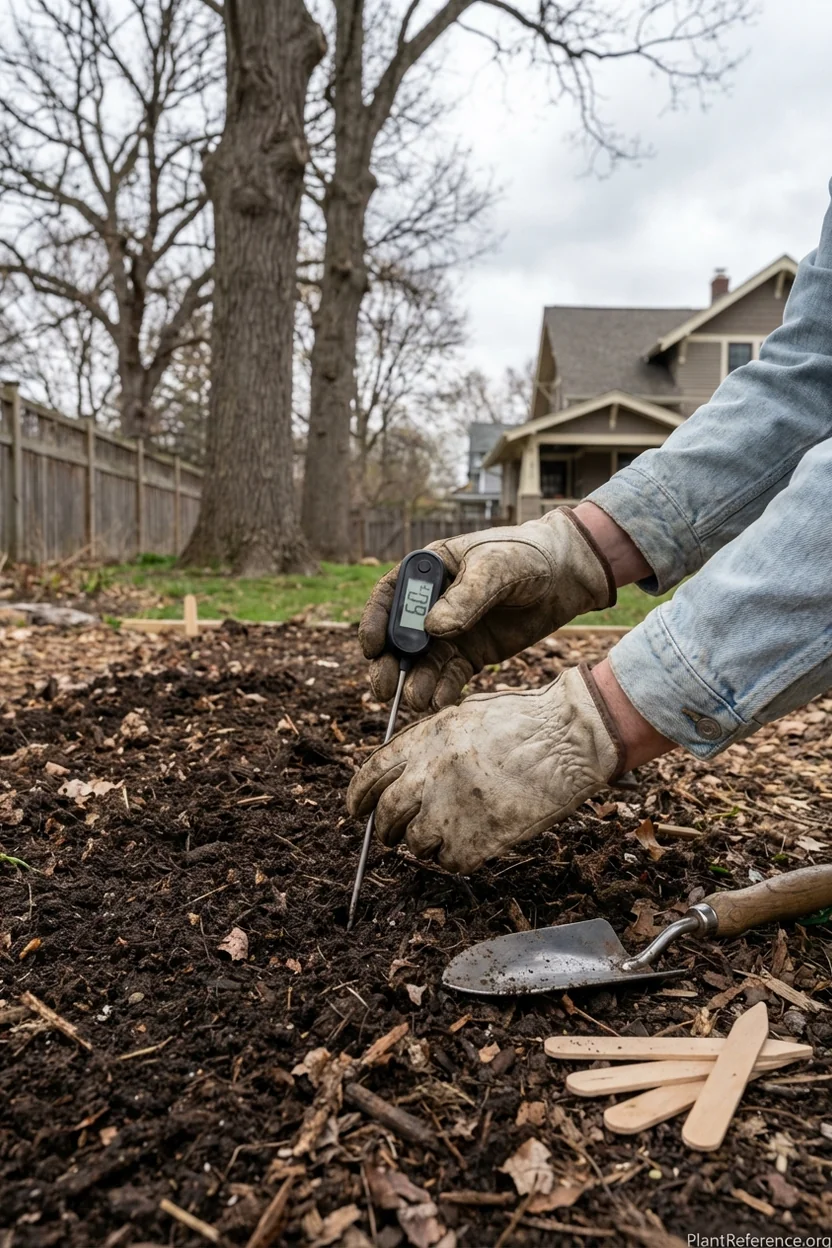
Milwaukee's last frost date of May 15 sets your planting schedule, but soil temperature matters more than calendar dates for green bean success.
Spring Planting Schedule
First Planting: May 20-25 Wait until soil temperature reaches 60°F consistently. In Milwaukee, this typically occurs 5-10 days after the last frost. Cold soil causes seed rot and poor germination.
Succession Plantings:
Second planting: June 8-12
Third planting: June 25-30
Final planting: July 10-15
Plant bush varieties every 2-3 weeks for continuous harvest. Your final planting should be at least 60 days before October 1 to ensure maturity before frost.
Fall Planting Considerations
Milwaukee's Zone 5b allows for a fall crop if you plan carefully. Plant fast-maturing varieties like Provider by August 1 for harvest before October frost. The cooler September weather often produces the best-quality beans of the season.
Frost Protection Strategies
Row covers can extend your season 2-3 weeks on both ends. In Milwaukee, this means potentially planting by May 10 and harvesting into mid-October. The investment pays off when you're eating fresh beans while neighbors' gardens are finished.
Complete Growing Guide for Milwaukee
Success with green beans in Milwaukee starts with proper soil preparation and continues through harvest management.
Soil Preparation for Wisconsin Gardens
Milwaukee's clay-heavy soils need amendment for good bean production. Work in 2-3 inches (5-7.5 cm) of compost to improve drainage and soil structure. Beans prefer slightly acidic to neutral pH (6.0-7.0).
Test your soil pH—many Milwaukee gardens have alkaline soil from concrete and limestone foundations. Add sulfur in fall if pH exceeds 7.5.
Planting Technique
Spacing for Milwaukee Gardens:
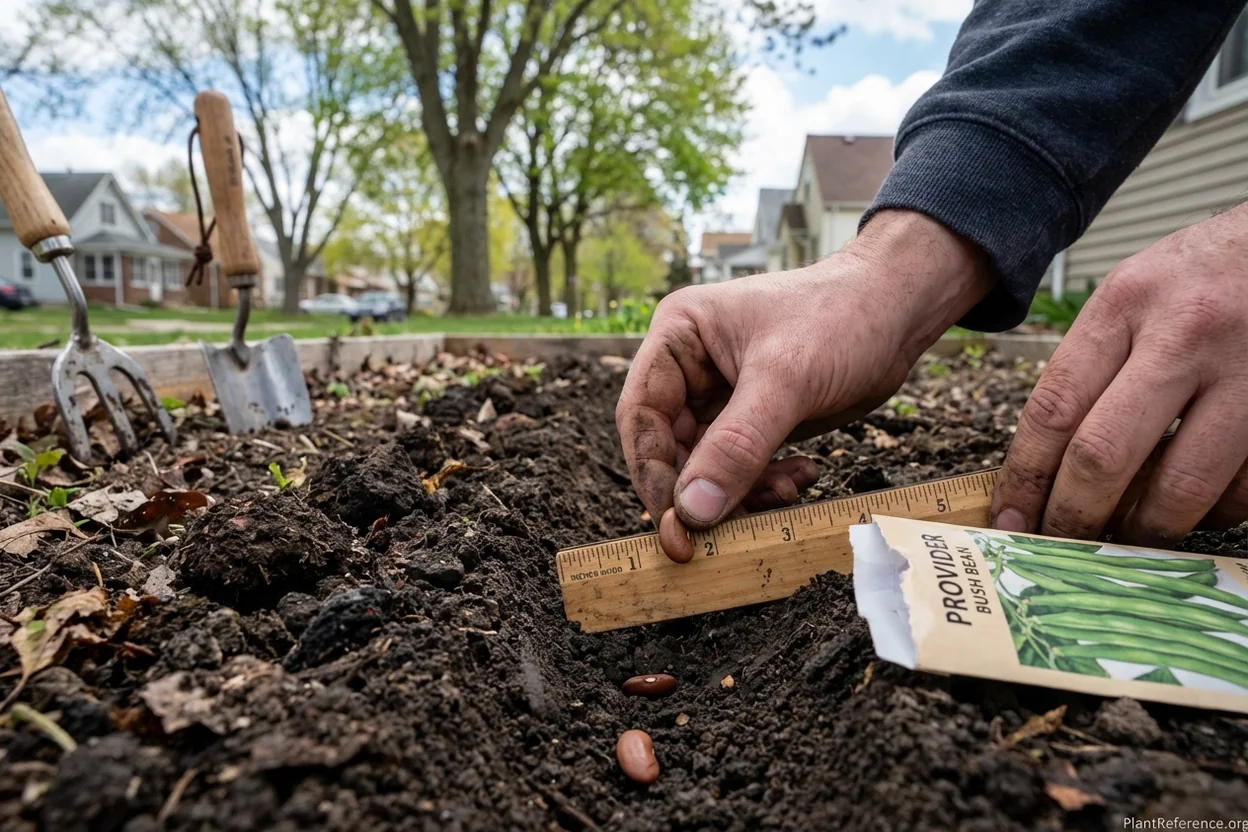
Bush varieties: 4 inches (10 cm) apart in rows 18-24 inches (45-60 cm) apart
Pole varieties: 6 inches (15 cm) apart with 6-8 foot (180-240 cm) trellises
Plant seeds 1 inch (2.5 cm) deep in clay soil, 1.5 inches (4 cm) in sandy areas. Milwaukee's spring rains can cause soil crusting—cover seed furrows with potting mix if your soil crusts hard.
Watering Requirements
Milwaukee's average rainfall is sufficient for beans, but dry spells require supplemental watering. Beans need 1 inch (2.5 cm) per week, especially during flowering and pod development.
Water at soil level to prevent disease issues. Milwaukee's humid summers can promote fungal problems when foliage stays wet.
Fertilization Strategy
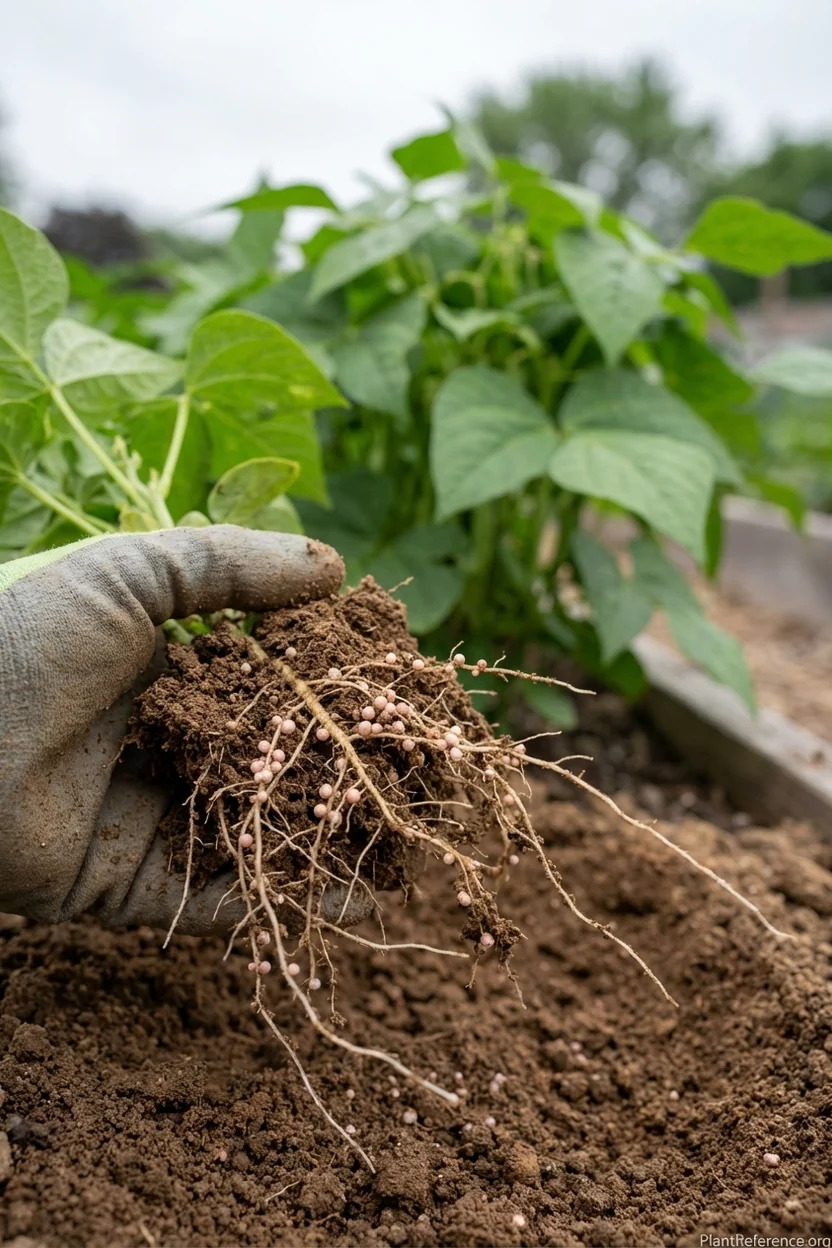
Beans fix their own nitrogen, so avoid high-nitrogen fertilizers. A balanced 5-10-10 fertilizer at planting provides adequate nutrition. Side-dress pole varieties once during the season.
Inoculate seeds with rhizobia bacteria, especially in new garden areas. This ensures proper nitrogen fixation and better yields.
Troubleshooting Milwaukee-Specific Problems
Milwaukee's Zone 5b climate presents specific challenges for green bean production. Here's how to address the most common issues.
Cool, Wet Spring Conditions
Milwaukee springs can be cool and soggy, causing seed rot and poor germination. Wait for proper soil temperature rather than rushing to plant by calendar date. If you must plant early, use row covers or raised beds for better drainage.
Mid-Summer Heat Stress
While not as extreme as southern climates, Milwaukee's July heat can stress beans. Provide afternoon shade during heat waves above 85°F (29°C). Consistent watering becomes critical during hot spells.
Disease Pressure from Humidity
Wisconsin's humid summers favor fungal diseases like white mold and rust. Space plants properly for air circulation and avoid overhead watering. Choose disease-resistant varieties when possible.
Mexican Bean Beetle Management
This pest is common in Milwaukee gardens. Check undersides of leaves weekly for orange egg masses. Remove by hand or use row covers during peak egg-laying periods in early summer.
Late Blight in Wet Years
Excessive rainfall can trigger late blight. Ensure good drainage and consider fungicidal sprays if conditions favor disease development. Remove affected plants promptly.
Harvest & Storage
Milwaukee's bean harvest typically begins in mid-July and continues through September with successive plantings.
Optimal Harvest Timing
Pick beans when pods snap crisply and seeds are small. This occurs 50-70 days after planting, depending on variety. Harvest every 2-3 days during peak season to maintain plant production.
Morning harvest provides the crispest pods. Evening picking works too, but avoid midday heat which can cause temporary wilting.
Storage Methods for Wisconsin Gardeners
Fresh beans keep 5-7 days refrigerated. For longer storage, blanch and freeze immediately after harvest. Milwaukee's short season makes freezing essential for year-round bean supply.
Properly blanched and frozen beans maintain quality for 8-12 months—perfect for Wisconsin winters.
Frequently Asked Questions
Reading about plants and recognising them are different skills. These three build the second.
- Daily PlantIdentify the day’s mystery plant from a close-up photograph.
- Keyed OutWork a dichotomous key, lead by lead, to name a hidden specimen.
- Name That PlantName a specimen from botanical clues dealt hardest first.
Free to play, no account needed
Pat has been gardening in Milwaukee for over thirty years, through every kind of Wisconsin weather. She worked as a school librarian and started gardening seriously when her kids were small—she wanted them to know where food came from. Now retired, she's a certified Master Gardener and runs the plant sale at her local garden club every spring. She specializes in cold-hardy perennials, native wildflower meadows, and the art of getting a vegetable garden producing in Wisconsin's short but intense growing season. Pat is practical and patient—she's seen enough Wisconsin winters to know that gardening here is a long game, and she writes with the steady confidence of someone who's been doing this a long time.