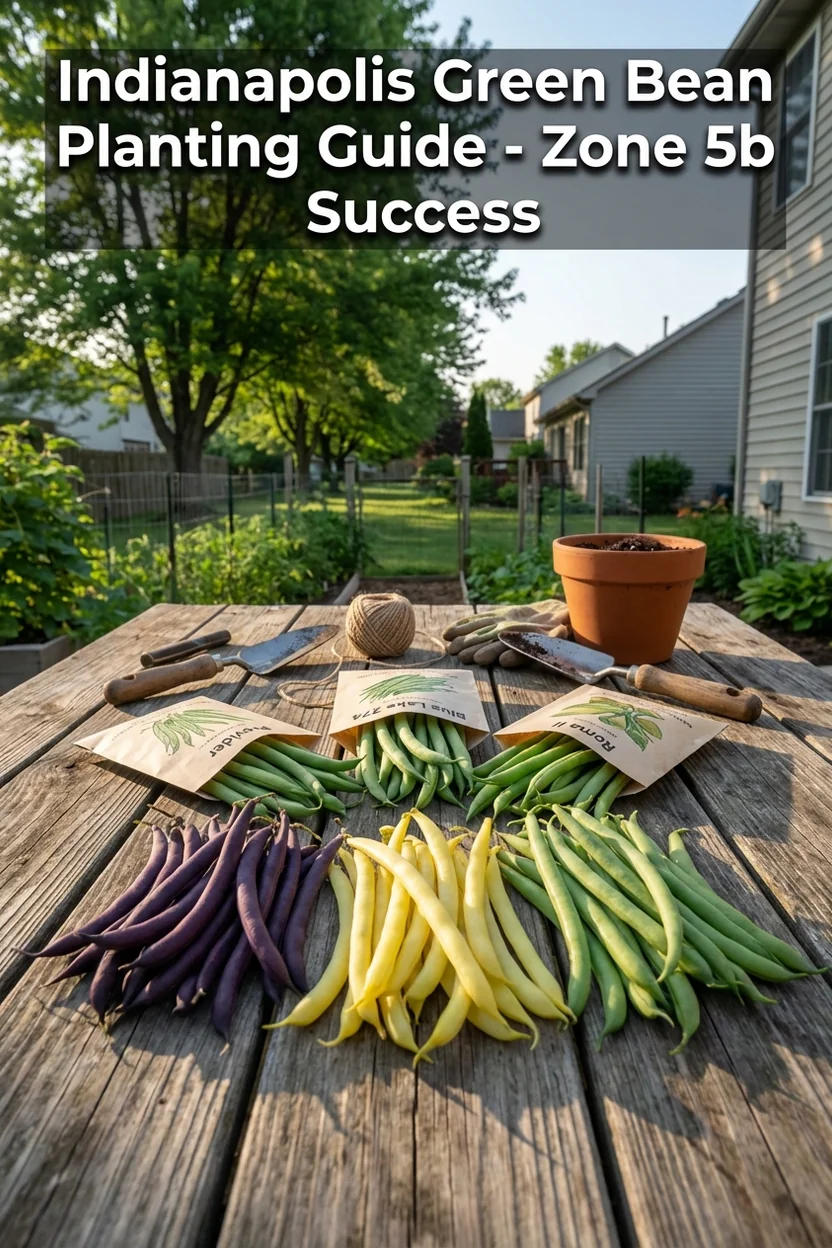
When to Plant Green Beans in Indianapolis: Complete Guide + Best Varieties for Zone 5b
Pets & Toxicity
Recorded toxicity for plants linked in this guide. An unknown status is not a safety assessment.
No linked plant is recorded as toxicDetailsHide
Phaseolus vulgaris 'Blue Lake' — Toxicity
Non-toxic when cooked. Raw pods carry lectins (phytohemagglutinin) that cause digestive upset on raw consumption — pods are cooked before eatingView Phaseolus vulgaris 'Blue Lake' plant profilePhaseolus vulgaris 'Kentucky Wonder' — Toxicity
Non-toxicView Phaseolus vulgaris 'Kentucky Wonder' plant profilePhaseolus vulgaris 'Purple Queen' — Toxicity
Non-toxicView Phaseolus vulgaris 'Purple Queen' plant profilePhaseolus vulgaris 'Dragon Tongue' — Toxicity
Non-toxicView Phaseolus vulgaris 'Dragon Tongue' plant profile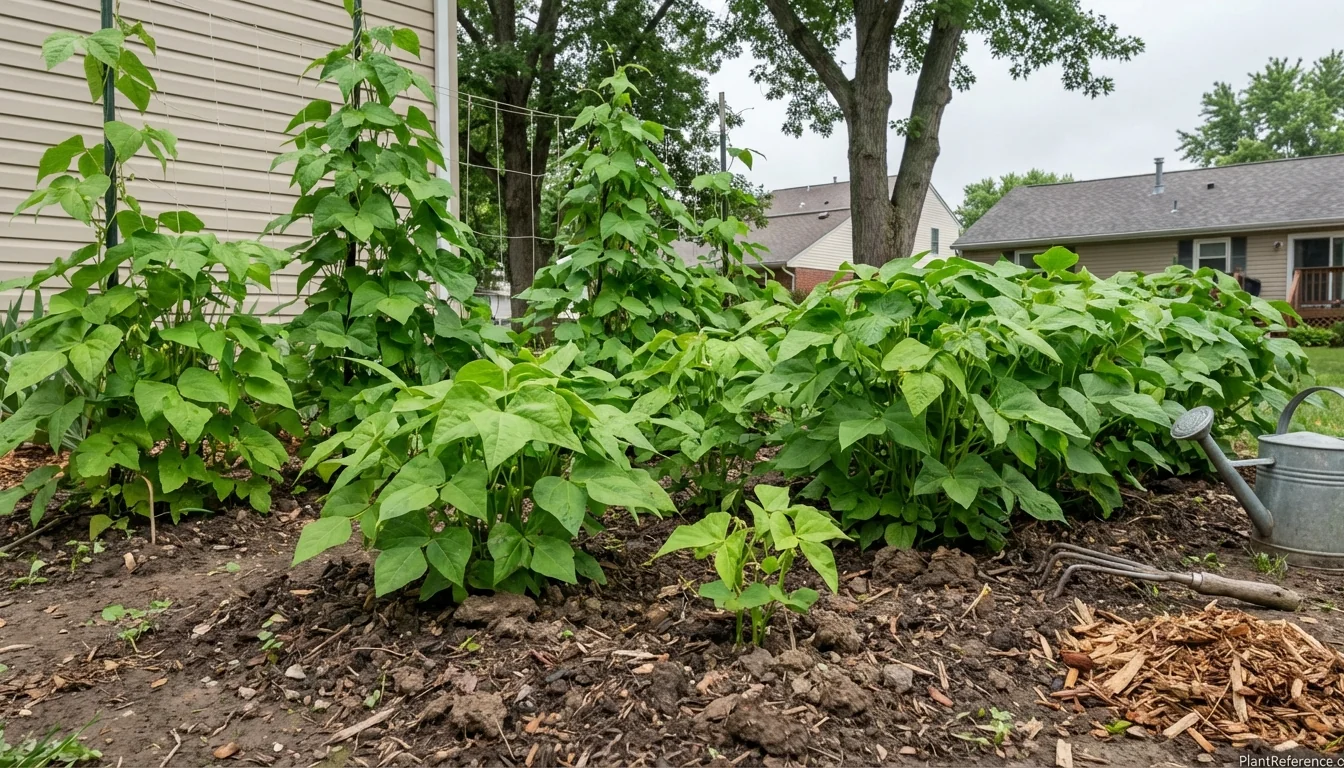
— Image © Plant Reference 2026
Growing green beans in Indianapolis offers excellent opportunities for abundant harvests throughout our 158-day growing season. With proper timing and variety selection, you can enjoy fresh beans from July through October in our Zone 5b climate.
Best Green Bean Varieties for Indianapolis's Climate
Indianapolis gardeners have excellent success with green beans thanks to our moderate Zone 5b climate and 158-day growing season. The key is selecting varieties that match your garden goals and planting schedule.
For our Indianapolis climate, I recommend focusing on bush varieties for succession planting and pole varieties for maximum yield per square foot. Here's how each variety performs in central Indiana:
Variety | Days to Maturity | Best For | Notes for Indianapolis |
|---|---|---|---|
50-55 days | Quick harvest | Perfect for Zone 5b short season | |
53-60 days | Processing/freezing | Heat-tolerant for Indianapolis summers | |
55-60 days | Fresh eating | Easy harvest visibility | |
55-65 days | All-purpose | Excellent for Indianapolis gardens | |
55-60 days | Specialty markets | Thrives in Indiana's moderate humidity | |
60-70 days | Continuous harvest | Needs trellis but produces heavily |
Bush Varieties for Indianapolis Gardens
🌿Phaseolus vulgaris 'Provider' remains my top recommendation for Indianapolis gardeners. At 50-55 days to maturity, it allows three full succession plantings before our October 9 first frost. The compact 18-inch plants produce heavily in our clay-amended soils.
🌿Phaseolus vulgaris 'Roma II' excels in Indianapolis's variable summer temperatures. These flat Romano beans handle our typical July heat better than many varieties, and the broad pods are excellent for freezing—important for our 4-5 month winter season.
🌿Phaseolus vulgaris 'Purple Queen' offers practical advantages in Indianapolis gardens. The deep purple pods stand out clearly against green foliage, reducing harvest time during our busy summer garden season.
Pole Varieties for Maximum Production
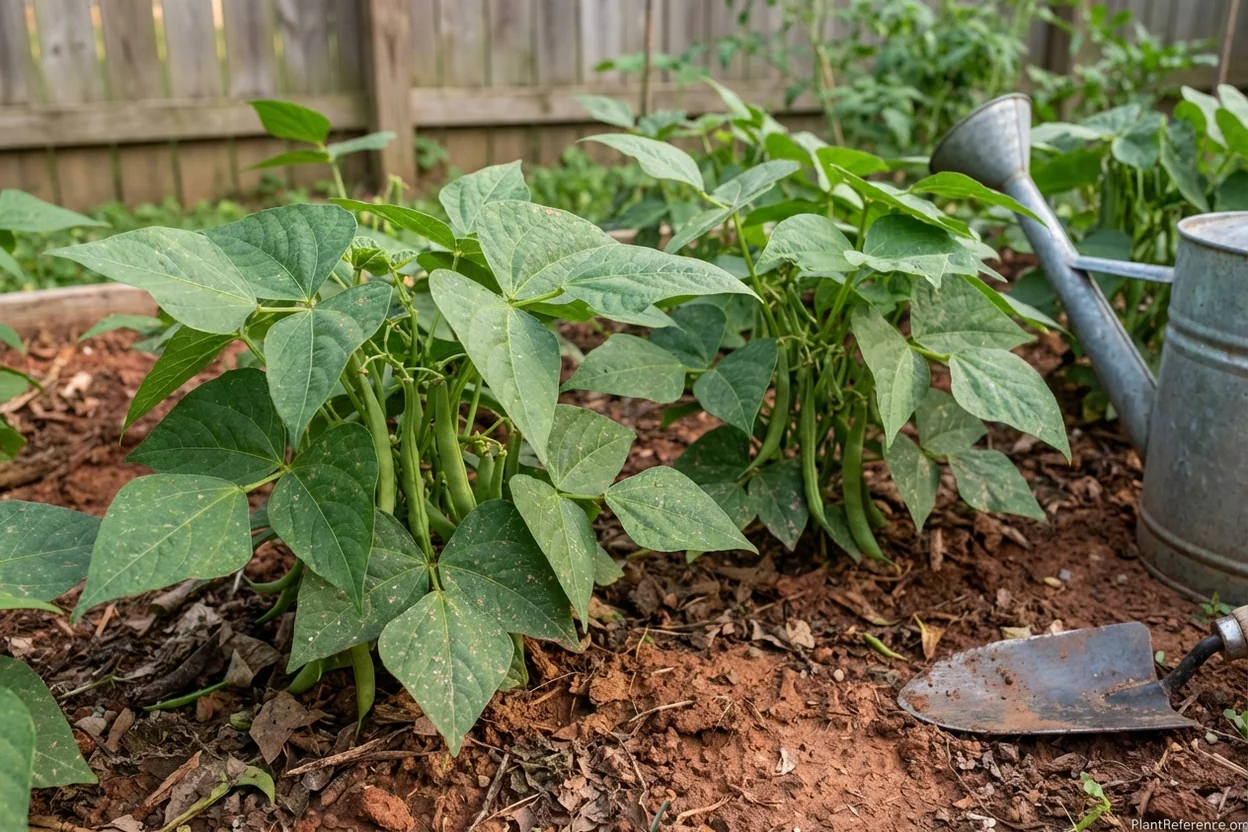
🌿Phaseolus vulgaris 'Kentucky Wonder' produces exceptional yields in Indianapolis when provided proper support. The 60-70 day maturity fits perfectly within our growing season, and the continuous production can supply a family with beans for 6-8 weeks from a single planting.
🌿Phaseolus vulgaris 'Blue Lake' performs reliably in Indianapolis's variable weather. The sturdy plants handle our occasional late spring cold snaps better than more tender varieties.
Specific Planting Dates for Indianapolis
Indianapolis's Zone 5b climate with a last frost date of May 4 requires careful timing for green bean success. Beans are tender crops that cannot tolerate any frost.
Soil Temperature Requirements
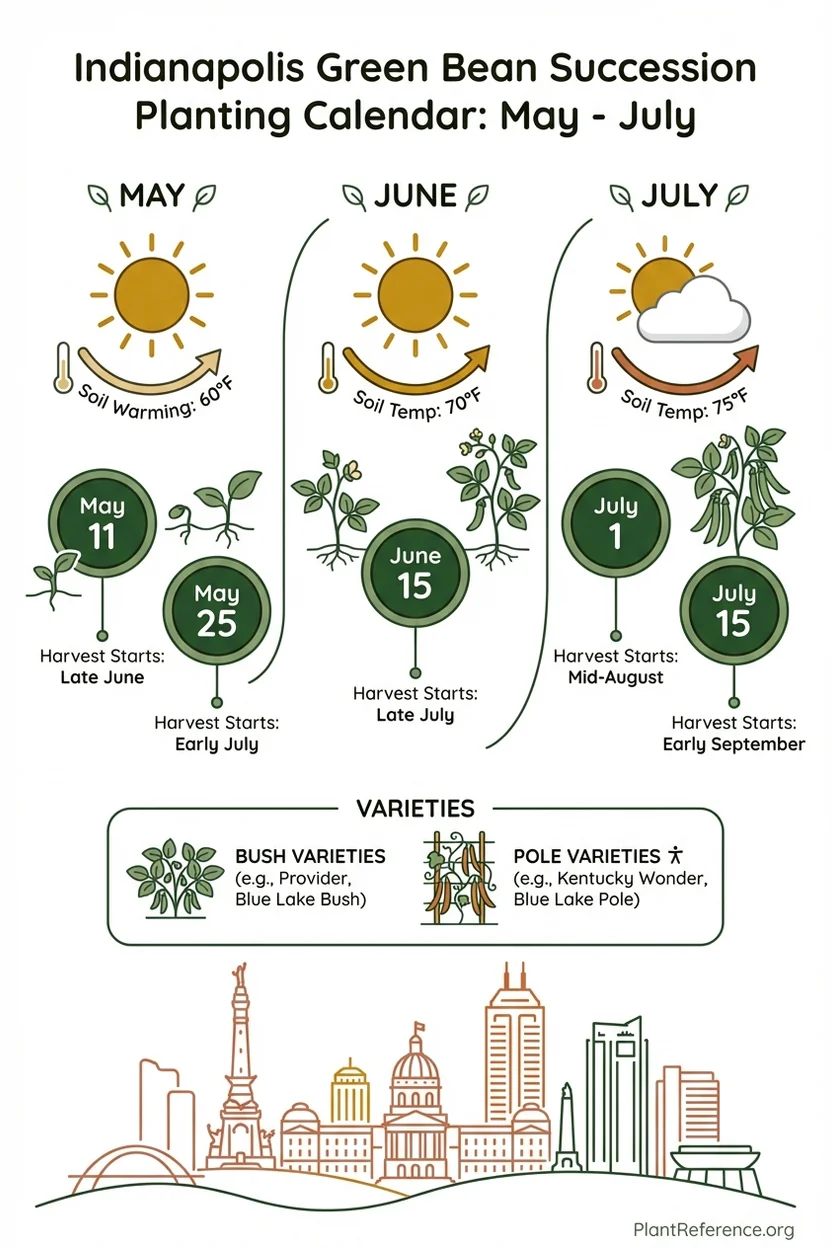
Never plant green beans when soil temperature is below 60°F (15°C). In Indianapolis, soil typically reaches this temperature by May 11, one week after our average last frost date. I always wait this extra week—cold, wet soil causes seed rot and poor germination.
First Planting Window
Plant your first succession of green beans between May 11-18 in Indianapolis. This timing ensures soil has warmed adequately while providing maximum growing season length.
For bush varieties like 🌿Phaseolus vulgaris 'Provider', this first planting yields harvest from June 30 through July 15. For pole varieties like 🌿Phaseolus vulgaris 'Kentucky Wonder', expect harvest from July 10 through August.
Succession Planting Schedule
Indianapolis's 158-day growing season allows excellent succession planting opportunities:
First planting: May 11-18 (harvest starts June 30)
Second planting: May 25-June 1 (harvest starts July 15)
Third planting: June 15-22 (harvest starts August 5)
Fourth planting: July 1-8 (harvest starts August 20)
Final planting: July 15 (harvest starts September 5)
Fall Planting Considerations
Your final planting window in Indianapolis is July 15. 🌿Phaseolus vulgaris 'Provider' planted July 15 matures by September 5, providing 4-5 weeks of harvest before our October 9 first frost.
Avoid planting after July 20 in Indianapolis—there isn't sufficient time for beans to mature and produce meaningful harvests before frost.
Complete Growing Guide for Indianapolis
Successfully growing green beans in Indianapolis requires understanding our specific soil conditions, weather patterns, and common challenges.
Soil Preparation for Indianapolis Gardens
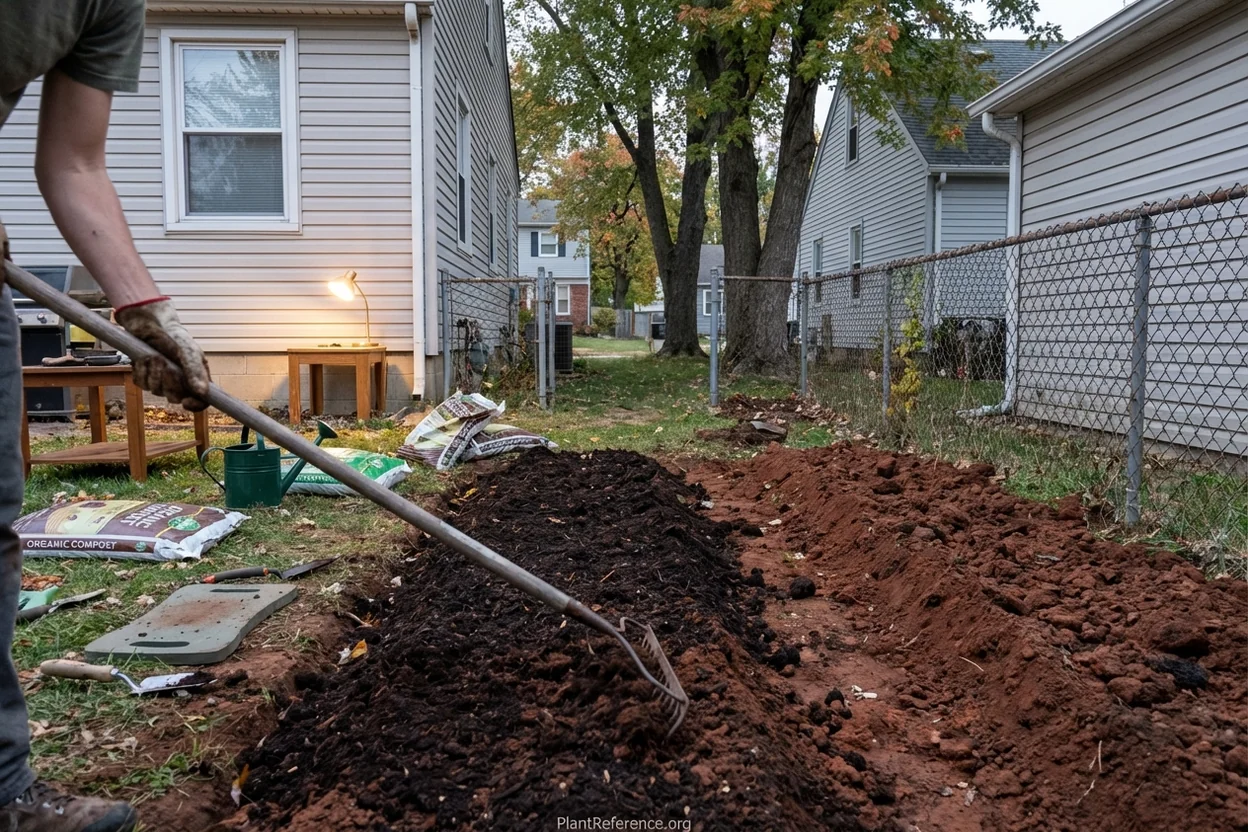
Indianapolis sits on clay-rich soil that requires amendment for optimal bean production. Our heavy clay holds moisture well but can become waterlogged during wet springs and compacted during dry periods.
Work 2-3 inches of compost into your bean beds each spring. This organic matter improves drainage during Indianapolis's wet May weather while providing moisture retention during July heat.
Planting Techniques
Plant bean seeds 1-1.5 inches deep in Indianapolis clay soils. Deeper planting in our heavy soil can cause seed rot during cool, wet springs. Space bush varieties 4 inches apart, pole varieties 6 inches apart.
Create raised rows 4-6 inches high if your Indianapolis garden has drainage issues. This simple technique prevents waterlogged conditions that kill bean seedlings during heavy spring rains.
Inoculation Benefits
Green beans fix atmospheric nitrogen through symbiotic bacteria. In Indianapolis gardens, inoculating bean seeds before planting increases yields by 15-20%. Purchase rhizobia inoculant from local garden centers and dust seeds just before planting.
Watering Strategies
Indianapolis receives average rainfall of 40 inches annually, but distribution varies significantly. During typical dry periods in July and August, provide 1-1.5 inches of water weekly.
Water deeply twice weekly rather than daily light watering. This encourages deep root development that helps plants survive Indianapolis's occasional drought periods.
Supporting Pole Varieties
🌿Phaseolus vulgaris 'Kentucky Wonder' and other pole beans require sturdy support in Indianapolis gardens. Our occasional thunderstorms with 40+ mph winds can topple inadequately supported vines.
Install 8-foot poles or construct sturdy teepees before planting. Bean vines grow rapidly once weather warms and need immediate support for proper development.
Troubleshooting Indianapolis-Specific Problems
Indianapolis gardeners face several common challenges when growing green beans. Here's how to address the most frequent issues:
Late Spring Cold Snaps
Indianapolis occasionally experiences unexpected cold weather in late May, even after the average last frost date. Protect newly planted beans with row covers if temperatures drop below 45°F (7°C).
Young bean plants suffer damage at temperatures below 40°F (4°C) even without frost. Monitor weather forecasts closely during your first planting window.
Heavy Clay Soil Drainage
Poor drainage kills more bean plants than any other factor in Indianapolis gardens. If water stands in your garden area for more than 2-3 hours after rain, create raised beds or plant in containers.
Add 3-4 inches of compost annually to improve soil structure
Create raised rows 4-6 inches high for better drainage
Plant cover crops in fall to improve soil biology
Avoid walking on wet clay soil to prevent compaction
Mexican Bean Beetle Pressure
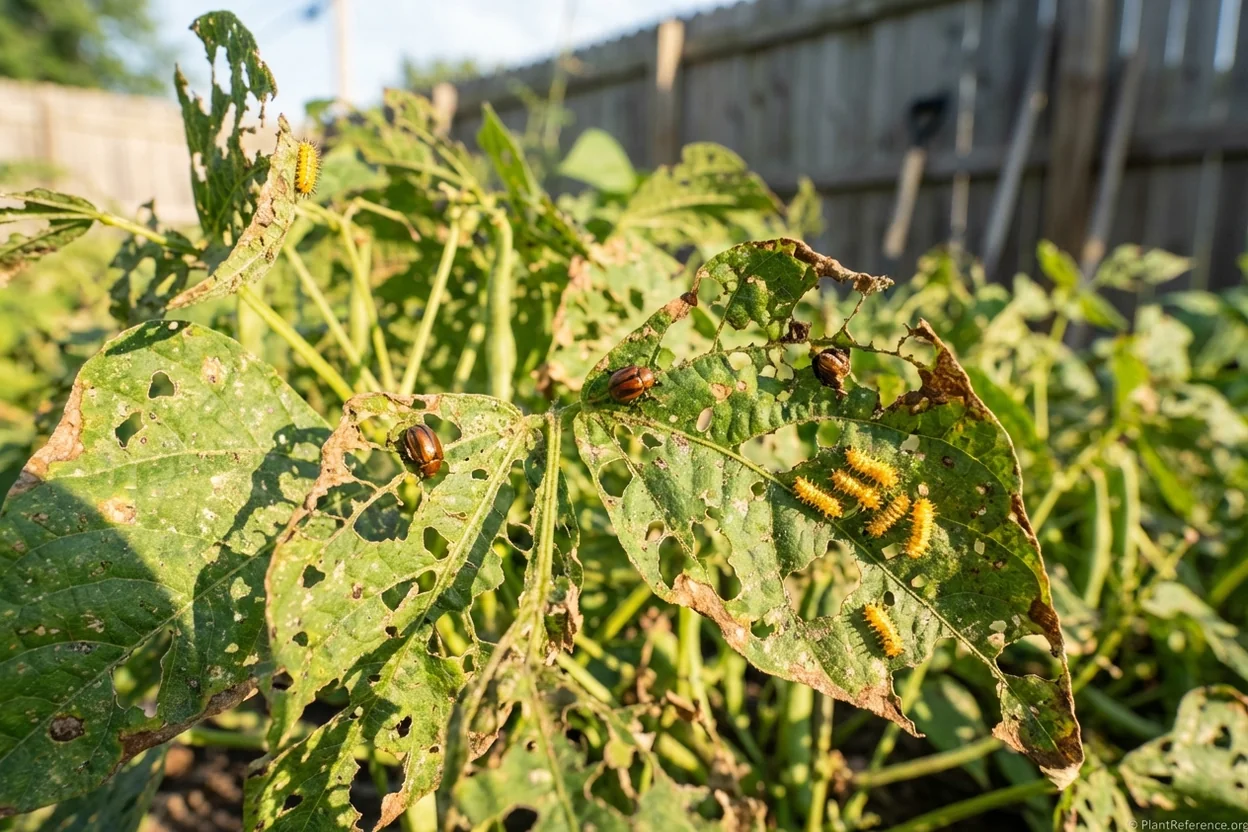
This copper-colored pest with black spots appears in Indianapolis gardens during July heat. Adults and spiny larvae feed on bean leaves, creating a skeletonized appearance.
Check undersides of bean leaves weekly during July and August. Remove egg clusters (orange masses) by hand. For severe infestations, apply beneficial nematodes or organic spinosad sprays.
July Heat Stress
Indianapolis temperatures occasionally reach 95°F+ (35°C+) in July, causing bean flower drop and reduced pod set. Plant heat-tolerant varieties like 🌿Phaseolus vulgaris 'Roma II' for mid-summer production.
Provide afternoon shade during extreme heat periods using shade cloth or tall companion plants like corn or sunflowers.
Harvest & Storage
Proper harvesting maximizes your Indianapolis green bean yield and extends the productive season.
Harvest Timing
Begin harvesting bush varieties like 🌿Phaseolus vulgaris 'Provider' when pods reach 4-6 inches long and snap crisply when bent. In Indianapolis's July heat, check plants daily—pods can become overripe quickly.
Harvest 🌿Phaseolus vulgaris 'Kentucky Wonder' pole beans every 2-3 days during peak production. Regular picking encourages continued flowering and pod development.
Post-Harvest Handling
Harvest beans during cool morning hours in Indianapolis summer heat. Hot beans deteriorate rapidly and lose quality quickly.
Cool beans immediately in cold water, then drain and store in refrigerator at 40°F (4°C) with high humidity. Properly stored Indianapolis-grown beans maintain quality for 7-10 days.
Preservation Methods
Indianapolis gardeners often preserve green beans for winter consumption. Blanch beans for 3 minutes in boiling water, cool in ice water, drain thoroughly, and freeze in meal-sized portions.
For best quality, use frozen beans within 8-12 months. The varieties 🌿Phaseolus vulgaris 'Blue Lake' and 🌿Phaseolus vulgaris 'Roma II' maintain texture best after freezing.
Frequently Asked Questions
Reading about plants and recognising them are different skills. These three build the second.
- Daily PlantIdentify the day’s mystery plant from a close-up photograph.
- Keyed OutWork a dichotomous key, lead by lead, to name a hidden specimen.
- Name That PlantName a specimen from botanical clues dealt hardest first.
Free to play, no account needed
Dot grew up on a small farm in rural Virginia and has maintained a vegetable garden for decades. After retiring from teaching elementary school, she became a Master Gardener volunteer and spends her time mentoring new gardeners at community garden plots in Richmond. She's especially knowledgeable about heirloom varieties, seed saving, and traditional growing methods passed down from her grandmother. Dot's no-nonsense advice comes from extensive trial and error—she's seen every tomato disease, pest problem, and weather disaster imaginable. Her biggest pet peeve is gardeners who overcomplicate simple tasks. "Plants want to grow," she often says. "Your job is to not get in their way."