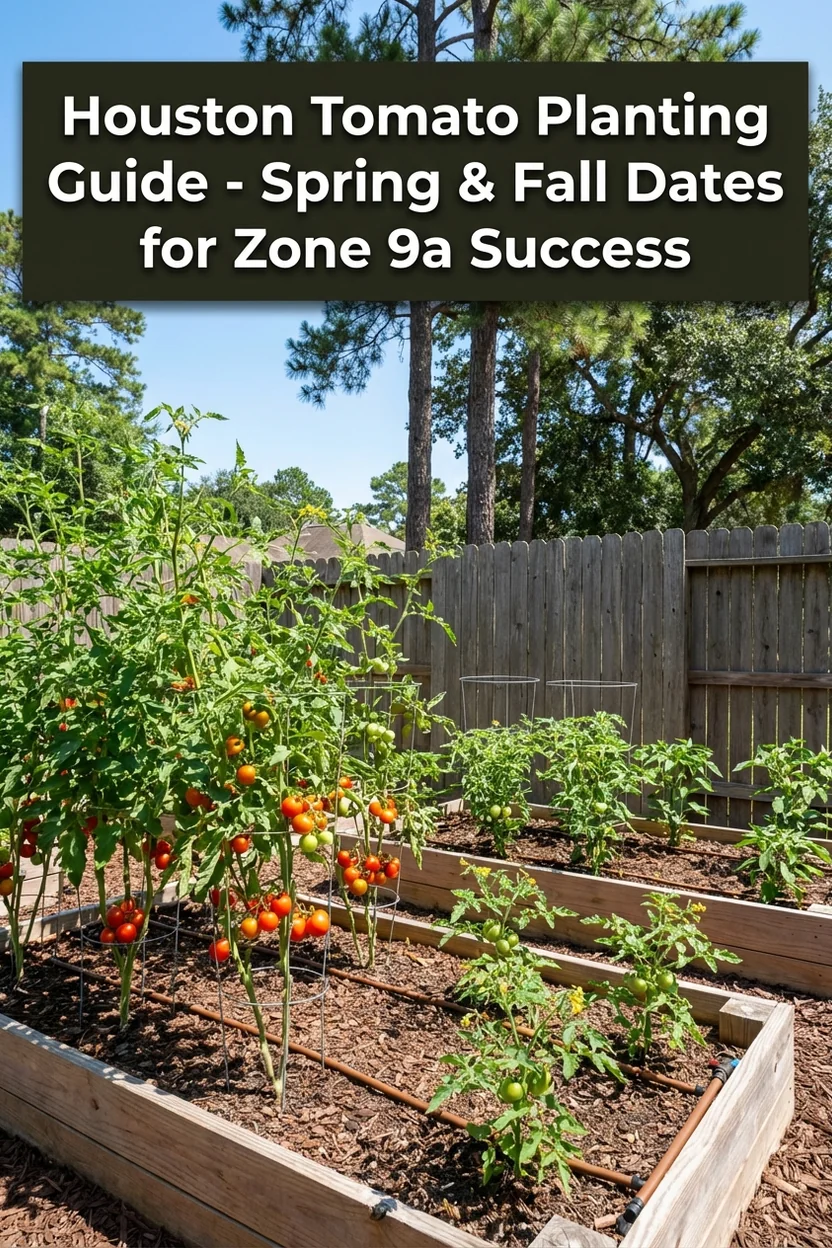
When to Plant Tomatoes in Houston: Complete Guide + Best Varieties for Zone 9a
Pets & Toxicity
Recorded toxicity for plants linked in this guide. An unknown status is not a safety assessment.
Toxic to pets: phoenix tomato, early girl tomato, Surefire red tomato and 6 moreDetailsHide
Solanum lycopersicum 'Phoenix' — Toxicity Warning
Toxic to petsView Solanum lycopersicum 'Phoenix' plant profileSolanum lycopersicum 'Early Girl' — Toxicity Warning
Toxic to petsView Solanum lycopersicum 'Early Girl' plant profileSolanum lycopersicum 'Surefire Red' — Toxicity Warning
Toxic to petsView Solanum lycopersicum 'Surefire Red' plant profileSolanum lycopersicum 'Brandywine' — Toxicity Warning
Toxic to petsView Solanum lycopersicum 'Brandywine' plant profileSolanum lycopersicum 'Heatmaster' — Toxicity Warning
Toxic to petsView Solanum lycopersicum 'Heatmaster' plant profileSolanum lycopersicum 'Stupice' — Toxicity Warning
Toxic to petsView Solanum lycopersicum 'Stupice' plant profileSolanum lycopersicum 'Red Cherry' — Toxicity Warning
Toxic to pets. The fully ripe red fruits are safe for human consumption. All green plant parts (leaves, stems, unripe green fruits) contain solanine and related glycoalkaloids that are mildly toxic if consumed in significant quantities.View Solanum lycopersicum 'Red Cherry' plant profileSolanum lycopersicum 'Cherokee Purple' — Toxicity Warning
Toxic to petsView Solanum lycopersicum 'Cherokee Purple' plant profileSolanum lycopersicum 'Big Boy' — Toxicity Warning
Toxic to petsView Solanum lycopersicum 'Big Boy' plant profile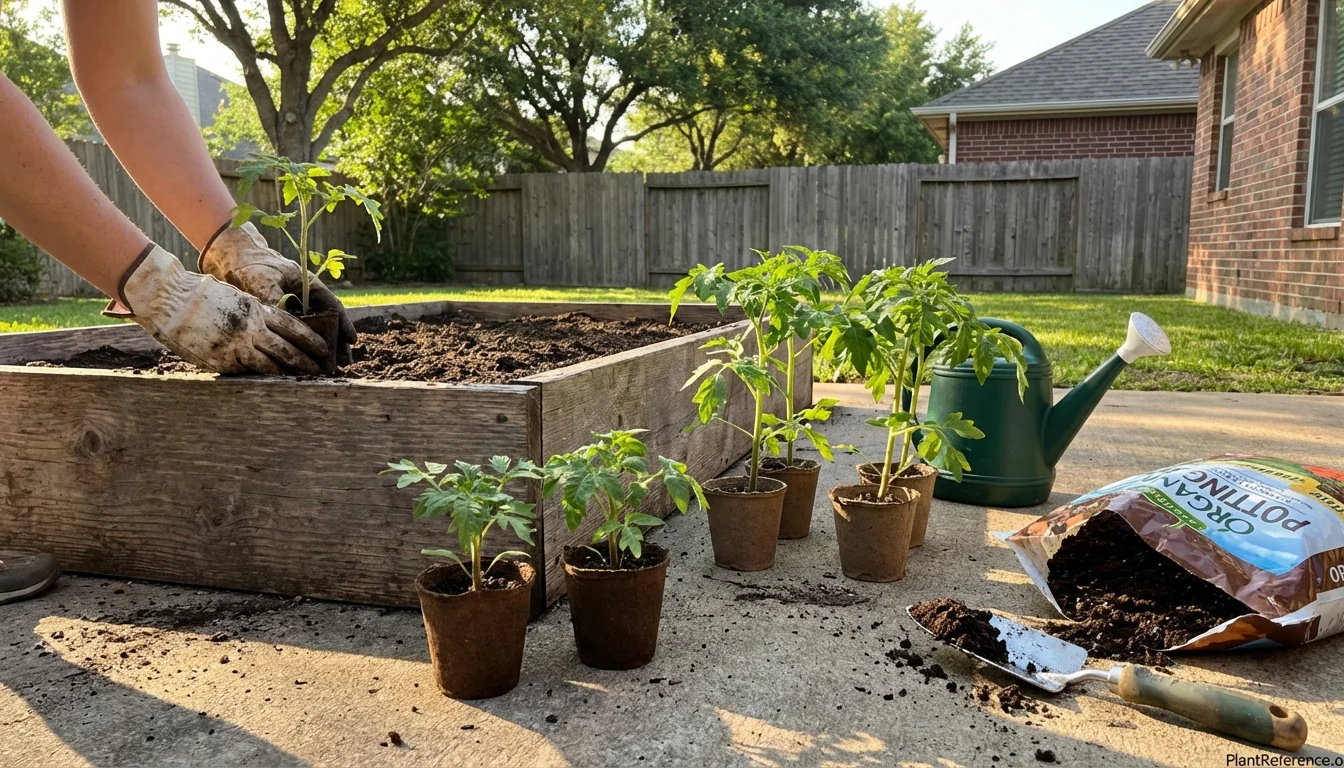
— Image © Plant Reference 2026
Houston gardeners have a secret weapon that northern growers can only dream of: two complete tomato seasons every year. While Minneapolis gardeners are still waiting for their last frost in May, Houston's Zone 9a climate allows spring plantings as early as March 1st, followed by a second fall crop in August.
I've been growing tomatoes in Texas for forty years, and Houston's 289-day growing season is one of the longest in the country. But that doesn't mean it's easy—the combination of intense heat, high humidity, and specific pest pressures requires choosing the right varieties and timing your plantings precisely.
Introduction: Houston's Unique Tomato Growing Advantage
Houston sits in USDA Hardiness Zone 9a, which means our average winter low temperatures range from 20-25°F (-6.7 to -3.9°C). With a last frost date of February 14 and first frost not arriving until November 30, Houston gardeners enjoy 289 frost-free days—nearly ten months of potential growing time.
This extended season creates unique opportunities and challenges. The opportunity is obvious: two complete tomato crops per year, with spring plantings yielding through summer and fall plantings producing through winter. The challenge lies in managing the brutal summer heat and humidity that can shut down tomato production completely during July and August.
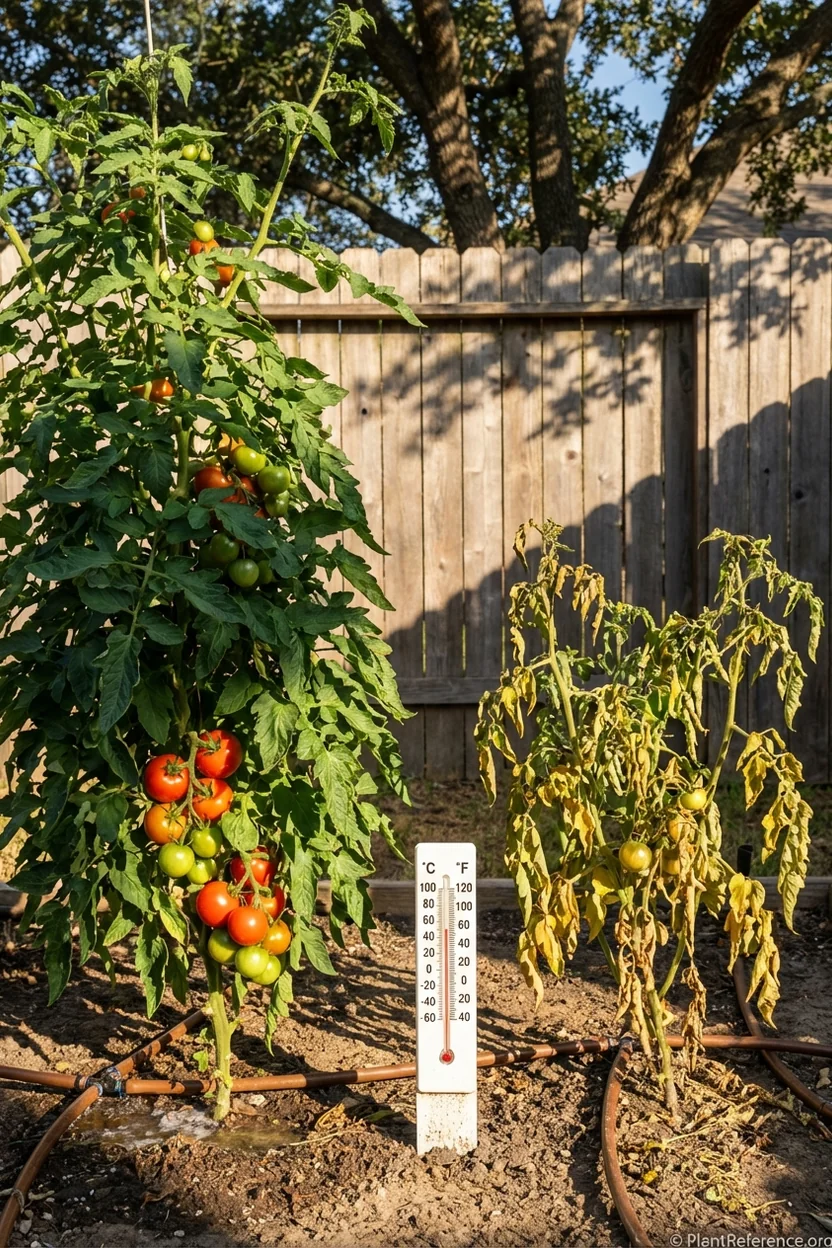
Successful Houston tomato growing requires understanding that tomatoes actually prefer temperatures between 65-85°F (18-29°C). When Houston's summer temperatures soar above 95°F (35°C) with nights staying above 75°F (24°C), tomato pollen becomes sterile and fruit set stops. This is why experienced Houston gardeners plan for two distinct growing seasons rather than trying to push plants through the summer heat.
The key to Houston tomato success is timing and variety selection. Plant early enough in spring to get maximum production before the heat hits, choose heat-tolerant varieties that can survive the summer stress, and time your fall plantings to take advantage of the excellent growing conditions from September through November.
Best Tomato Varieties for Houston's Zone 9a Climate
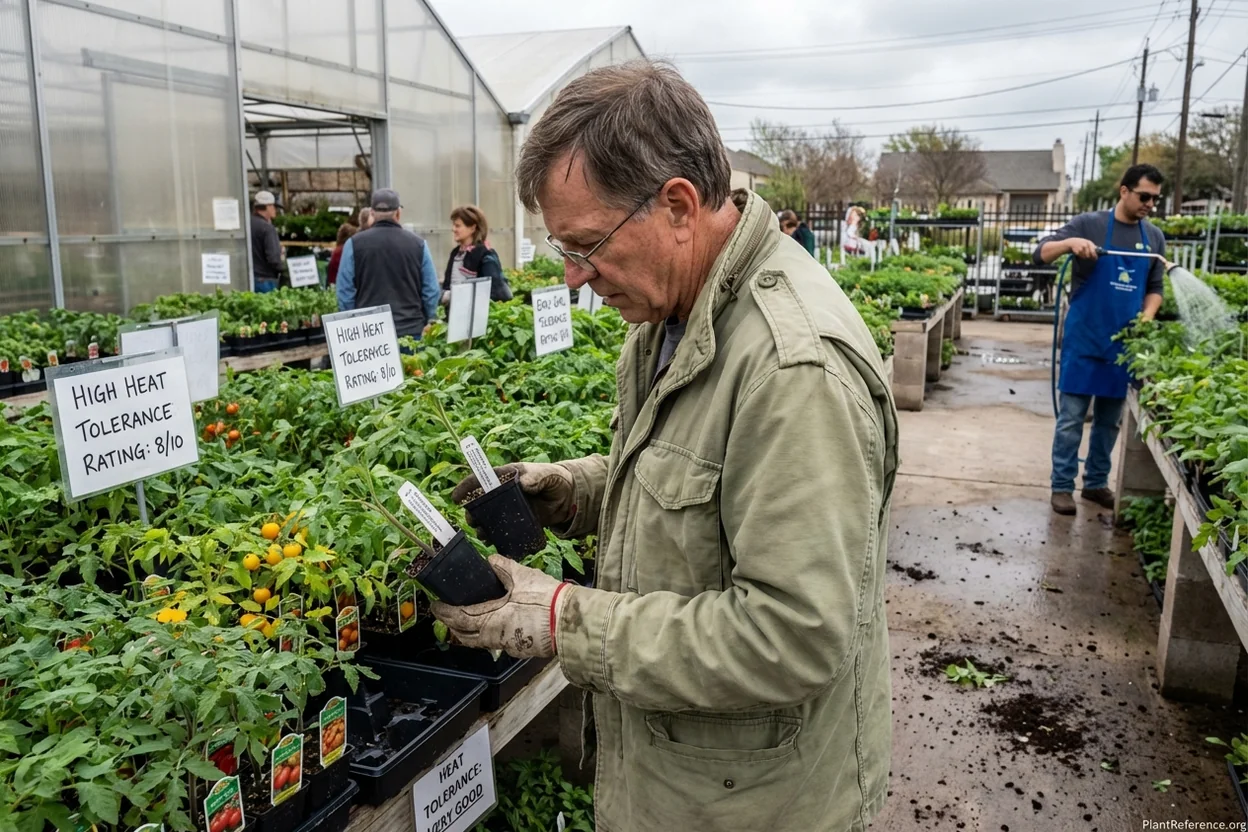
After decades of trial and error in Houston gardens, certain varieties consistently outperform others in our specific climate conditions. The most critical factor is heat tolerance—the ability to continue setting fruit when temperatures climb into the 90s and humidity stays high.
Heat-Tolerant Champions
🌿Solanum lycopersicum 'Phoenix' (FY-nix) stands as the gold standard for Houston growing. This determinate variety was specifically bred for hot, humid conditions and continues producing fruit when other varieties shut down. It matures in 65-70 days and produces medium-sized, meaty tomatoes perfect for slicing.
🌿Solanum lycopersicum 'Heatmaster' lives up to its name, setting fruit reliably even when nighttime temperatures stay above 75°F (24°C). This indeterminate variety produces large, beefsteak-type tomatoes and shows excellent disease resistance to the bacterial and fungal problems common in Houston's humid climate.
🌿Solanum lycopersicum 'Stupice' (STOO-pit-say), originally from Czechoslovakia, proves that some heirlooms can handle Houston heat. This early variety produces medium-sized fruit with excellent flavor and has the unique ability to set fruit in both cool spring weather and hot summer conditions.
Early Season Performers
🌿Solanum lycopersicum 'Early Girl' remains essential for Houston spring crops. Its ability to set fruit at lower temperatures makes it perfect for March plantings, and its 50-62 day maturity ensures a good harvest before the worst summer heat arrives.
🌿Solanum lycopersicum 'Surefire Red' was bred specifically for challenging growing conditions. This compact determinate variety handles Houston's variable spring weather and produces clusters of medium-sized fruit with good disease resistance.
Cherry Varieties That Handle Heat
🌿Solanum lycopersicum 'Surefire Red' produces prolifically in Houston conditions, while 🌿Solanum lycopersicum 'Red Cherry' offers excellent heat tolerance with continuous production through summer if provided adequate water.
Variety | Days to Maturity | Best For | Notes for Houston |
|---|---|---|---|
65-70 days | Heat tolerance | Continues producing in 95°F+ weather | |
75-80 days | Summer production | Sets fruit with 75°F+ nights | |
60-65 days | Spring/fall crops | Adapts to temperature swings | |
50-62 days | Quick harvest | Plant early for pre-summer crop | |
65-70 days | Disease resistance | Handles Houston humidity well | |
80-85 days | Fall planting | Best flavor in cooler weather |
Varieties to Avoid in Houston
Large beefsteak varieties like 🌿Solanum lycopersicum 'Brandywine' and 🌿Solanum lycopersicum 'Big Boy' struggle with Houston's heat and humidity. These varieties are better suited to cooler climates and will likely disappoint Houston gardeners with poor fruit set and increased disease problems.
Specific Planting Dates for Houston Gardens
Houston's extended growing season allows for strategic timing that maximizes production while working with, rather than against, the climate patterns.
Spring Planting Schedule
Seed Starting Indoors: Begin January 15-31 Start seeds indoors 6-8 weeks before transplanting. Houston's mild winter allows for early indoor starts, giving plants maximum time to establish before summer heat arrives.
Transplant Outdoors: March 1-15 Houston's average last frost date is February 14, making early March transplanting safe in most years. Soil temperatures should reach 55°F (13°C) before transplanting. Use row covers if late cold snaps threaten.
Latest Spring Planting: March 31 This is the absolute latest for spring plantings. Later plantings risk not reaching maturity before summer heat stops fruit production.
Fall Planting Schedule
Seed Starting for Fall Crop: July 1-15 Start seeds indoors during the hottest part of summer. Air conditioning makes this timing workable, and seedlings will be ready for transplanting when temperatures begin moderating.
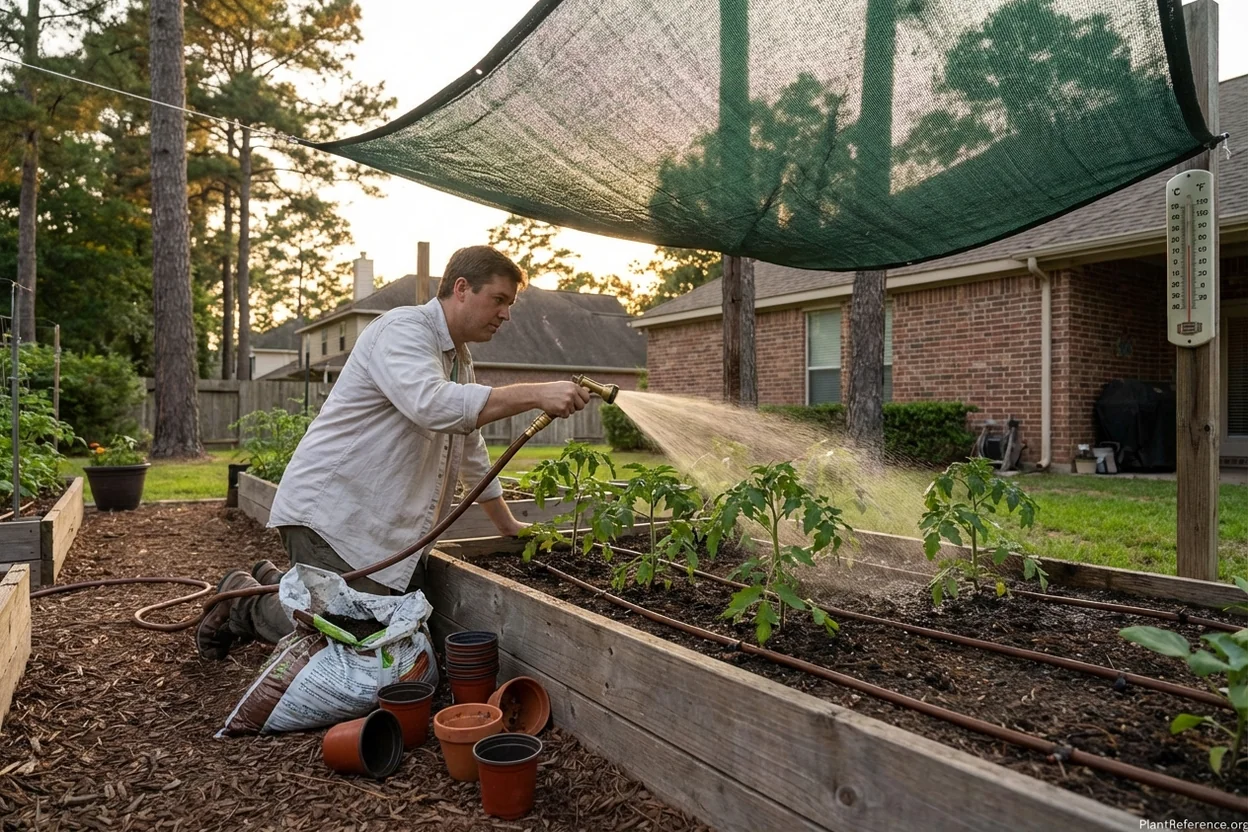
Fall Transplanting: July 15-August 1 Transplant into prepared beds with shade cloth protection. Evening transplanting reduces stress, and consistent watering is critical for establishment.
Latest Fall Planting: August 15 This represents the last viable planting date to ensure 70+ days before first frost on November 30.
Monthly Timing Breakdown
January: Start spring crop seeds indoors (15-31st) February: Continue hardening off seedlings; prepare garden beds March: Transplant spring crop (1-15th); direct seed early varieties if desired April: Maintain spring plantings; watch for early pest problems May-June: Harvest spring crop; plan fall varieties July: Start fall seeds indoors (1-15th); transplant fall crop (15-31st) August: Continue fall transplanting (1-15th); maintain fall plantings September-November: Harvest fall crop; excellent growing conditions December: Possible continued harvest from fall plantings until frost
Complete Growing Guide for Houston's Two Seasons
Success with Houston tomatoes requires adapting your growing methods to each season's specific challenges and opportunities.
Spring Season Management (March-June)
Soil Preparation: Houston's clay-heavy soils require significant organic matter amendments. Work in 3-4 inches (7.6-10.2 cm) of compost before planting to improve drainage—essential for preventing root rot in our humid climate.
Planting Technique: Plant transplants deeper than you would in cooler climates, burying 2/3 of the stem to encourage strong root development. Houston's warm soil temperatures promote rapid root growth when plants are set deep.
Irrigation Strategy: Install drip irrigation or soaker hoses immediately. Hand watering becomes impractical as temperatures climb, and consistent moisture prevents blossom end rot—a common problem when Houston's intense heat causes rapid water loss.
Support Systems: Install cages or stakes at planting time. Houston's long growing season and fertile soil produce vigorous plants that require substantial support. Use 6-foot (1.8 m) stakes minimum for indeterminate varieties.
Summer Transition (June-July)
This is the critical period when spring plants are finishing production and fall plants need starting. Many gardeners make the mistake of trying to keep spring plants alive through summer heat—it's usually better to remove spent plants and prepare for fall crops.
Spring Crop Management: Harvest aggressively as fruit begins setting poorly. Remove plants showing significant heat stress rather than trying to nurse them through summer.
Soil Recovery: Add fresh compost and organic matter between seasons. Houston's heat and humidity break down organic matter rapidly, requiring frequent additions.
Infrastructure Preparation: Install shade cloth (30-40%) over areas designated for fall crops. This allows easier seedling establishment during the hot August planting window.
Fall Season Excellence (August-December)
Houston's fall growing season often produces better tomatoes than spring due to lower humidity, fewer pest problems, and ideal temperature ranges during fruit ripening.
Fall Planting Advantages: - Lower disease pressure as humidity drops - Excellent September-November growing conditions - Extended harvest through December in mild years - Better fruit quality due to cooler ripening temperatures
Water Management: Fall plantings require careful watering establishment but less overall irrigation as temperatures moderate. Continue drip irrigation but reduce frequency as plants establish.
Pest Monitoring: Fall crops face different pest pressures, particularly whiteflies and aphids. Monitor weekly and treat early infestations promptly.
Year-Round Soil Health
Houston's intense heat and humidity create unique soil challenges. Organic matter decomposes rapidly, requiring constant replenishment. Add compost every planting cycle, and consider cover crops during the brief winter rest period.
pH Management: Houston soils tend toward alkaline (pH 7.5+). Add sulfur or organic matter to maintain the 6.0-6.8 pH range tomatoes prefer.
Drainage: Clay soils and high rainfall make drainage crucial. Raised beds or heavily amended planting areas prevent the root rot that kills more Houston tomato plants than any other factor.
Troubleshooting Houston-Specific Tomato Problems
Houston's unique climate creates specific challenges that require targeted solutions based on forty years of local growing experience.
Heat Stress and Poor Fruit Set
Problem: Blossoms dropping without setting fruit during summer months Cause: Temperatures above 90°F (32°C) during the day and above 75°F (24°C) at night make tomato pollen sterile Solution: Time plantings to avoid peak summer heat, use shade cloth during extreme periods, and select heat-tolerant varieties like 'Phoenix' and 'Heatmaster'
Blossom End Rot in Clay Soils
Problem: Dark, sunken spots on the bottom of developing fruit Cause: Inconsistent moisture in Houston's clay soils prevents calcium uptake Solution: Install drip irrigation for consistent watering, amend clay soils heavily with organic matter, and mulch thoroughly to prevent moisture fluctuations
Early Blight in Humid Conditions
Problem: Brown spots with concentric rings on lower leaves, progressing upward Cause: Houston's high humidity creates ideal conditions for Alternaria solani fungus Solution: Remove lower branches to improve air circulation, water at soil level to keep leaves dry, apply preventive copper fungicide sprays during humid periods
Whitefly Infestations
Problem: Tiny white flying insects clustering on leaf undersides, causing yellowing and stunted growth Cause: Houston's warm climate allows year-round whitefly reproduction Solution: Use reflective mulch to confuse whiteflies, introduce beneficial insects like Encarsia wasps, apply insecticidal soap for severe infestations
Root Rot in Poor Drainage
Problem: Plants wilting despite adequate moisture, roots appearing black and mushy Cause: Houston's clay soils and heavy rainfall create anaerobic conditions Solution: Create raised beds 6-8 inches (15-20 cm) high, add drainage material like coarse sand or perlite, never plant in standing water areas
Cracking from Irregular Watering
Problem: Radial or concentric cracks in ripening fruit Cause: Periods of drought followed by heavy watering common in Houston's variable weather Solution: Maintain consistent soil moisture with drip irrigation, harvest fruit at first color break during rainy periods, select crack-resistant varieties
Harvest and Storage in Houston's Climate
Houston's heat and humidity affect both harvesting timing and storage methods for maximum tomato quality and shelf life.
Optimal Harvest Timing
Houston's intense sun and heat mean tomatoes should be harvested earlier than in cooler climates. Pick fruit at the "breaker" stage—when color just begins showing—for best flavor and storage life. The fruit will ripen perfectly indoors while avoiding sun scald and cracking from heat stress.
Spring Harvest: Peak harvest typically occurs in May and June. Harvest daily during hot weather to prevent overripening and splitting.
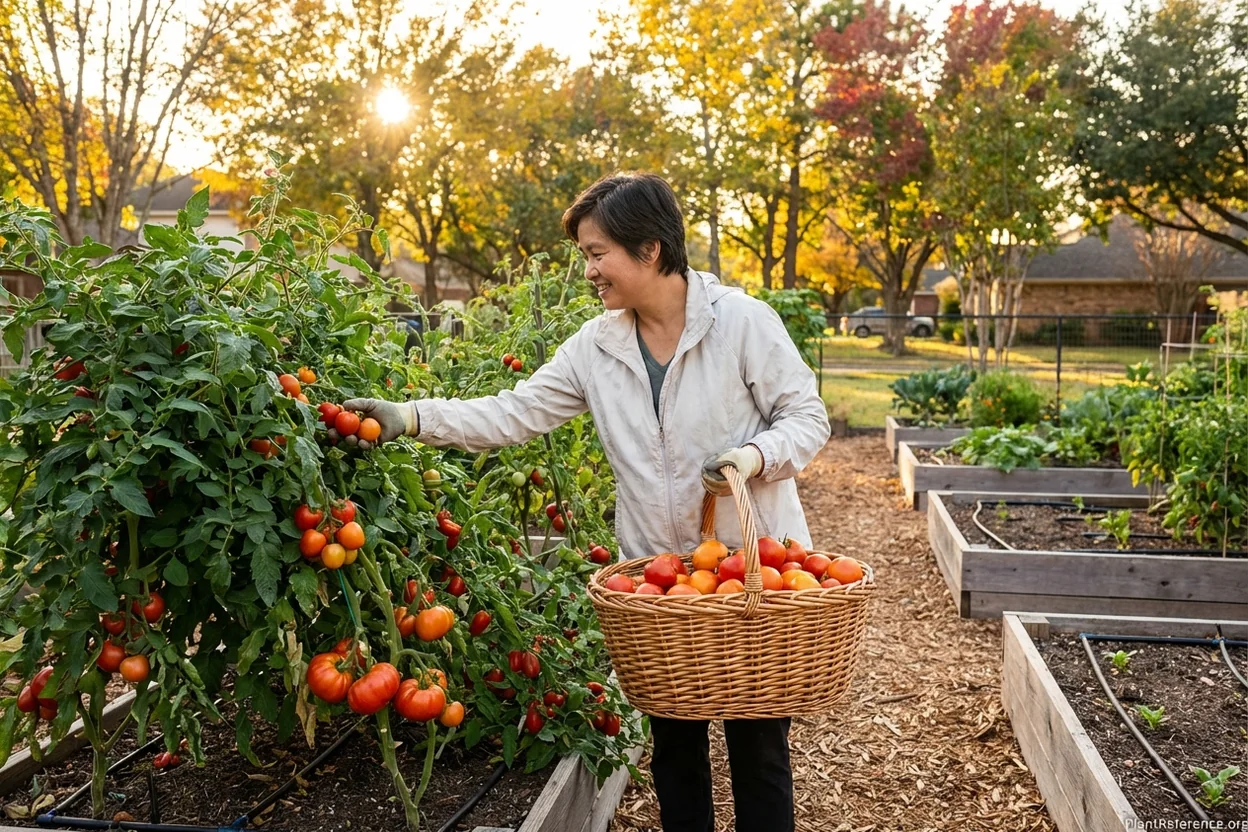
Fall Harvest: September through November provides ideal harvesting conditions. Fall tomatoes can ripen longer on the vine due to moderate temperatures and develop superior flavor profiles.
Storage Methods for Houston Climate
Houston's humidity makes proper storage critical for preventing mold and extending shelf life.
Short-term Storage: Keep ripe tomatoes at room temperature but out of direct sunlight. Use within 3-4 days in Houston's humid conditions.
Ripening Green Tomatoes: Harvest mature green fruit before first frost and ripen in paper bags at room temperature. Check daily and remove any showing soft spots immediately.
Preservation: Houston's long growing seasons often produce surplus crops perfect for canning, freezing, or dehydrating. Process tomatoes immediately after harvest for best quality.
The key to Houston tomato success is working with our climate rather than fighting it. Time your plantings correctly, choose appropriate varieties, and manage irrigation carefully. With proper planning, Houston gardeners can enjoy homegrown tomatoes for eight months of the year—a luxury that few other climates can match.
Frequently Asked Questions
Reading about plants and recognising them are different skills. These three build the second.
- Daily PlantIdentify the day’s mystery plant from a close-up photograph.
- Keyed OutWork a dichotomous key, lead by lead, to name a hidden specimen.
- Name That PlantName a specimen from botanical clues dealt hardest first.
Free to play, no account needed
Aisha manages a small tropical nursery on the east side of Houston, specializing in plants that can handle the Gulf Coast's humidity, heat, and unpredictable flooding. She studied horticulture in college and worked at a wholesale grower before opening her own operation. Growing up, her parents kept a kitchen garden with okra, bitter gourd, and curry leaf plants—a tradition she's continued. Houston's subtropical climate lets her grow things most of the country can't, but it also means dealing with fungal issues, standing water, and summers where it's too hot for even tomatoes. Aisha writes about tropical and subtropical plant care, humidity management, and working with heavy clay soils.