Image 1 of 5
1 / 5
Plant Reference
Solanum, Genus, lycopersicum, Species, 'Phoenix', Cultivar,
- Genus & species
- Cultivar
phoenix tomato
F1 hybrid cultivar bred for heat tolerance; the species S. lycopersicum is native to western South America
Overview
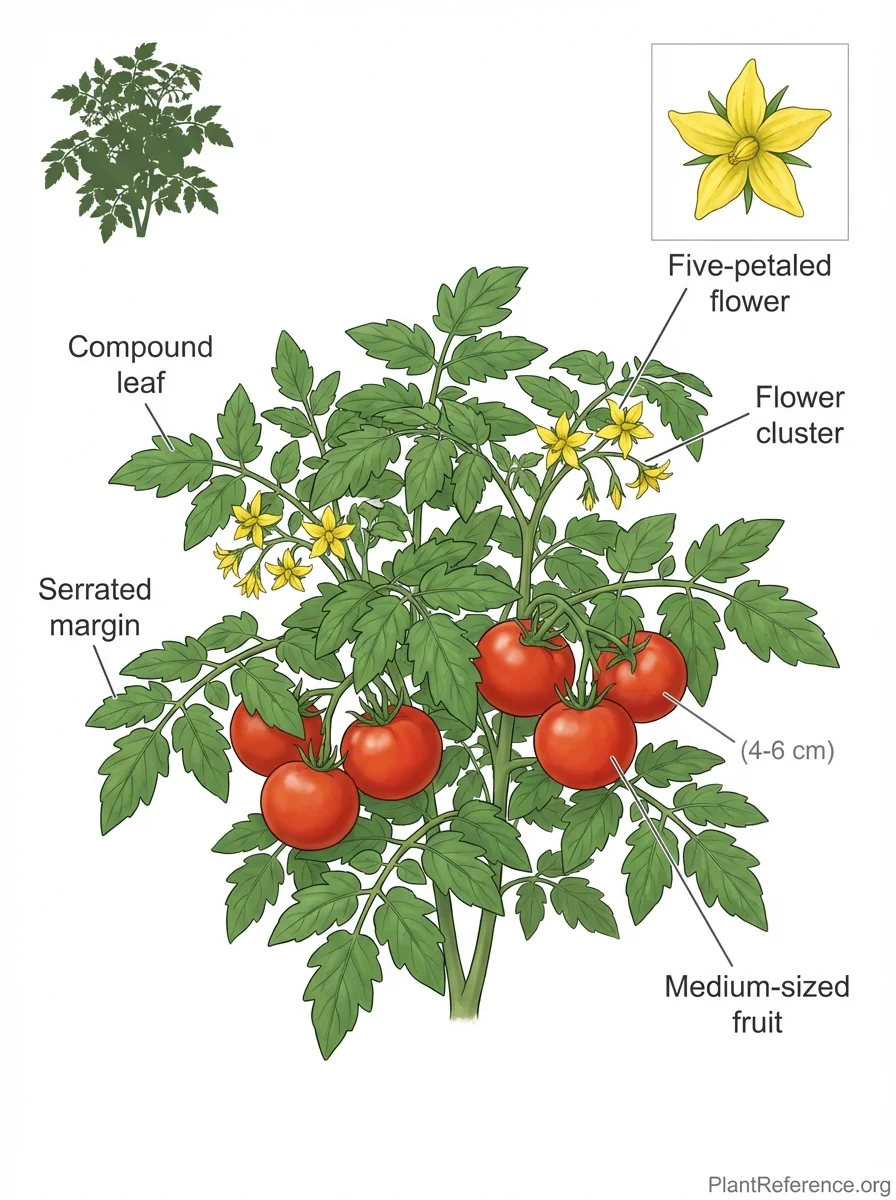
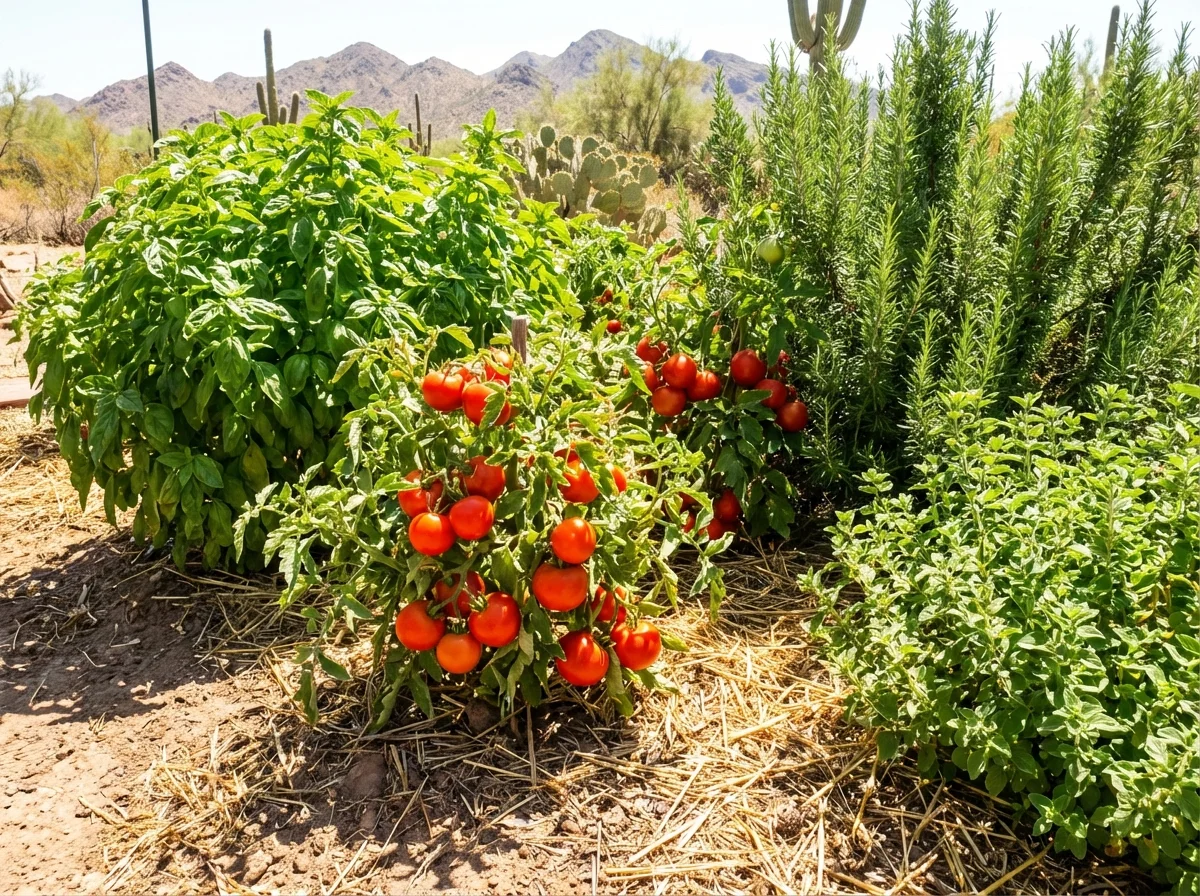
Solanum lycopersicum 'Phoenix' is Phoenix tomato, a determinate (bush type) annual growing 36-48 inches (90-120 cm) tall and 24-36 inches (60-90 cm) wide. Medium-sized round to slightly flattened red fruit 6-8 ounces (170-225 g) with balanced sweet-acid flavor. Bright yellow 5-petaled flowers in clusters. Dark green pinnately compound foliage. In the nightshade family (Solanaceae). Bred for heat tolerance: continues to set fruit when temperatures exceed 95°F (35°C) — most tomato cultivars drop flowers above 90°F (32°C). Determinate: reaches a set height, sets fruit over 2-4 weeks, then production tapers. F1 hybrid — seed does not produce true to type. Start indoors 6 weeks before last frost. The heat tolerance is the cultivar's key trait — a limitation for gardeners in moderate climates who gain no benefit. The concentrated 2-4 week fruit set is suited to batch processing. All green parts contain solanine — toxic to pets and humans in quantity. Ripe fruit is non-toxic. Deer-resistant. Full sun. Tender annual. Growth rate is fast.
Native Range
F1 hybrid cultivar bred for heat tolerance. The species S. lycopersicum is native to western South America (Peru, Ecuador).Suggested Uses
Grown in vegetable gardens and containers of at least 5 gallons (19 L). Heat-tolerant determinate — for hot arid climates where other tomatoes fail to set. F1 hybrid. Green parts toxic. Deer-resistant. Tender annual.How to Identify
Appearance
Size & Dimensions
Height3' - 4'
Width/Spread2' - 3'
Bloom Information
Detailed Descriptions
Flower Description
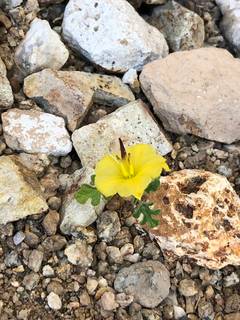
Bright yellow, 5-petaled, 0.5 inch (12 mm), in clustersFoliage Description
Dark green, pinnately compound with toothed leaflets, slightly fuzzyGrowing Conditions
Sun Requirements
Requires 6-12 hours of direct sunlight daily
• Full Sun: 6+ hours of direct sunlight
• Partial Shade: 3-6 hours of direct sunlight
• Full Shade: Less than 3 hours of direct sunlight
Care & Maintenance
Care Guide
Full sun (6+ hours). Well-drained soil pH 6.0-6.8. Start indoors 6 weeks early. Bred for heat — sets fruit above 95 degrees F (35 degrees C). Cage or stake. Determinate — do not remove terminal tip. Consistent watering. F1 hybrid. Green parts toxic. Deer-resistant. Tender annual.Pruning
Remove suckers below the first flower cluster. Do not remove the terminal growing tip (determinate). Remove lower leaves touching soil. Harvest when uniformly deep red.Pruning Schedule
Prune: June–August
summer
Container Growing
Suitable for container growing
Minimum container size: 5 gallons
Toxicity Warning
Toxic to petsPlanting Guide
Planting Methods & Timing
Planting Method
transplant
Indoor Start
6 weeks before last frost
Direct Sow Timing
Not recommended — transplant only
Days to Maturity
75–85 days
Plant Spacing
24 inches
Botanical Flashcard