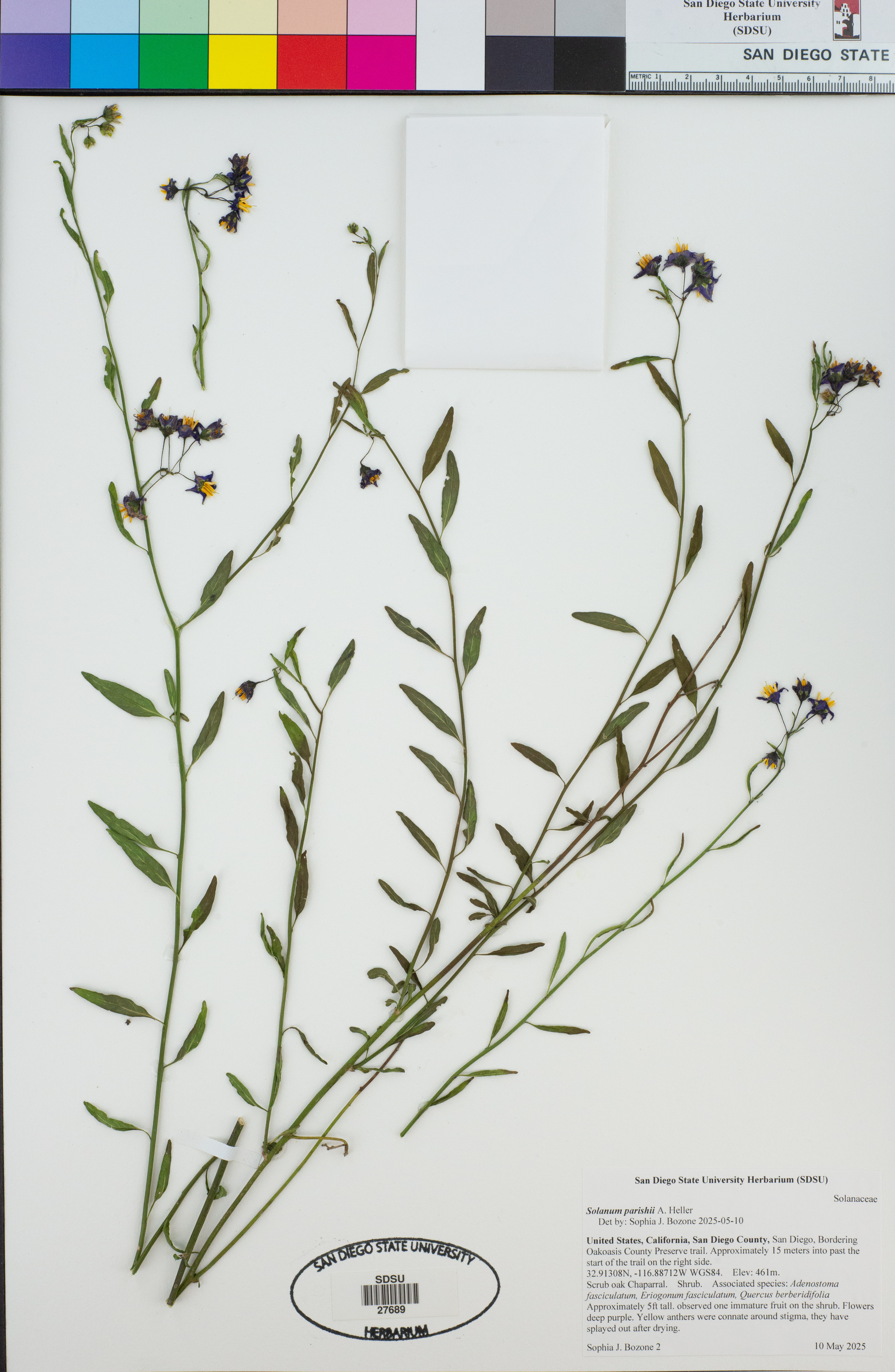
Solanum, Genus, parishii, Species,
- Genus & species
Parish's nightshade
California and the southwestern United States
Overview
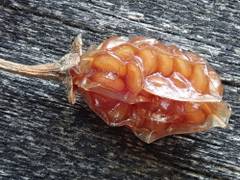
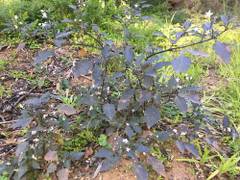
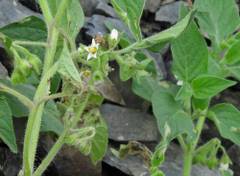
Solanum parishii is a perennial subshrub reaching 1-3 feet (30-90 cm) tall with slender, branching, somewhat woody stems. The leaves are alternate, lance-shaped to narrowly oval, 0.75-2.5 inches (2-6 cm) long, with smooth or shallowly wavy margins and a gray-green cast. Star-shaped flowers about 0.5-1 inch (1.3-2.5 cm) across appear in loose clusters from spring into summer, each with five lavender to violet petals fused at the base and a central cone of yellow anthers. The fruit is a round green berry about 0.3-0.4 inch (8-10 mm) wide that dries as it matures. S. parishii grows on dry slopes, in chaparral, and in open coniferous woodland in California and adjacent areas. Like other nightshades, its foliage and unripe fruit contain solanine-type alkaloids that are toxic if eaten. Top growth may die back partly in drought or cold, resprouting from the woody base. The plant tolerates heat and dry soil once established.
Native Range
Solanum parishii is native to California and adjacent parts of the southwestern United States and Baja California. It grows on dry slopes, in chaparral, and in open coniferous woodland from low to middle elevations.Suggested Uses
Solanum parishii is grown in native plant gardens, dry slopes, and low-water landscapes, spaced 18-24 inches (45-60 cm) apart. Its lavender flowers add color to chaparral and pollinator plantings. The toxic foliage and fruit limit its use in areas where children or pets forage.How to Identify
Appearance
Size & Dimensions
Height1' - 3'
Width/Spread1' - 3'
Bloom Information
Detailed Descriptions
Flower Description
Lavender to violetFoliage Description
Gray-greenGrowing Conditions
Sun Requirements
Requires 6-10 hours of direct sunlight daily
• Full Sun: 6+ hours of direct sunlight
• Partial Shade: 3-6 hours of direct sunlight
• Full Shade: Less than 3 hours of direct sunlight
Care & Maintenance
Care Guide
Solanum parishii grows in full sun to part shade in dry, well-drained sandy, rocky, or loamy soil with a pH from 6.0 to 7.5. It withstands heat and drought once established and needs little summer water. Plants resprout from a woody base after dieback in cold or extended drought. The foliage and unripe fruit contain solanine-type alkaloids that are toxic if eaten by people or pets. Growth is open and flowering reduced in deep shade or soggy soil. It grows in dry chaparral and low-water gardens within its native range.Pruning
Light cutting back of leggy stems in late winter keeps the subshrub compact and encourages branching. Spent flower and fruit clusters can be trimmed to limit self-seeding. Hard pruning into old wood may be slow to regrow.Pruning Schedule
Prune: February
winter