Solanum, Genus, physalifolium, Species,
- Genus & species
hairy nightshade
Native to South America, occurring in cultivated fields, vegetable gardens, and disturbed ground from sea level to approximately 5,000 ft (1,500 m); naturalized and increasing in the Pacific Northwest, particularly in the Willamette Valley of Oregon and the Columbia Basin of Washington; an emerging weed of irrigated vegetable crops where the sticky glandular-hairy stems cause berries to adhere to mechanical harvesting equipment and contaminate processing crops
Overview
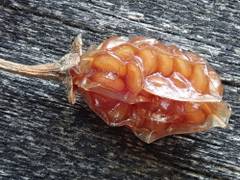
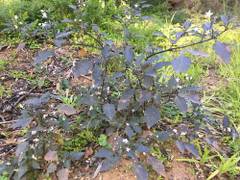
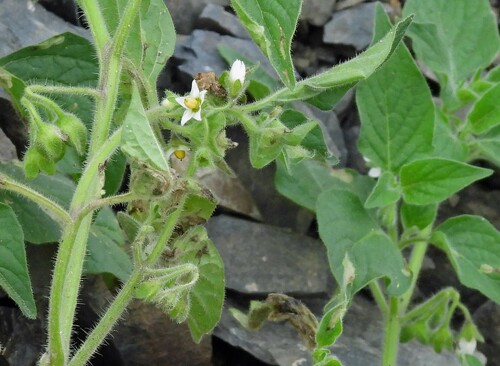
Solanum physalifolium is a prostrate to spreading densely glandular-hairy annual in the nightshade family (Solanaceae) reaching 6-24 inches (15-60 cm) tall with a 12-36 inch (30-90 cm) spread. Stems are prostrate to ascending, branching, densely covered in glandular hairs that give the whole plant a sticky clammy feel — the primary identification feature at field inspection. Leaves are alternate, ovate, 1-3 inches (2.5-8 cm) long, with coarsely toothed to shallowly lobed margins, densely glandular-hairy on both surfaces. Flowers are white to pale lavender, star-shaped, 0.3-0.5 inch (8-12 mm) across, with 5 reflexed petals and a yellow stamen cone, in umbel-like clusters of 3-6. Fruit is a round berry 0.3-0.4 inch (8-10 mm), dull greenish to purplish when ripe (not glossy black like S. nigrum), partially enclosed by the enlarged calyx lobes — the enlarged calyx is the character that separates the species from S. nigrum at the fruit level. A single plant produces 500-3,000 berries. Contains glycoalkaloids and is toxic. An increasing weed of vegetable production in the Pacific Northwest, particularly in green bean and pea crops where the sticky hairs cause berries to adhere to harvesting equipment.
Native Range
Solanum physalifolium is native to South America, occurring in cultivated fields, vegetable gardens, and disturbed ground from sea level to approximately 5,000 ft (1,500 m). Naturalized and increasing in the Pacific Northwest, particularly in the Willamette Valley of Oregon and the Columbia Basin of Washington. An emerging weed of irrigated vegetable crops.Suggested Uses
Used in Solanaceae identification for the glandular-hairy nightshade comparison within the four-species Solanum teaching unit. The tactile identification (sticky stems) parallels the scent-based identification of Matricaria discoidea (pineapple weed) as a sensory diagnostic exercise. Studied as an emerging weed in irrigated vegetable production in the Pacific Northwest. The enlarged calyx partially enclosing the berry is compared with Physalis (ground cherry), which carries a fully enclosing inflated calyx rather than the partial calyx coverage of this species.How to Identify
Appearance
Size & Dimensions
Height6" - 2'
Width/Spread1' - 3'
Bloom Information
Flowers from June through September across an 8-week bloom window. Umbel-like clusters bloom over 6-8 weeks per plant. Buzz-pollinated by bees. Berries ripen 6-8 weeks after pollination. In the Pacific Northwest, the species is a warm-season weed appearing after soil temperatures exceed 60°F (16°C).
Detailed Descriptions
Flower Description
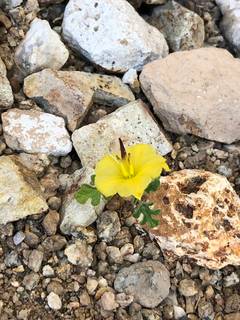
White to pale lavender star-shaped five-petaled flowers 0.3-0.5 inch (8-12 mm) across with reflexed petals and a yellow stamen cone; carried in umbel-like clusters of 3-6 on short lateral pedunclesFoliage Description
Medium green alternate ovate leaves 1-3 inches (2.5-8 cm) long with coarsely toothed to shallowly lobed margins; densely glandular-hairy on both surfaces and sticky to the touchGrowing Conditions
Sun Requirements
Requires 4-10 hours of direct sunlight daily
• Full Sun: 6+ hours of direct sunlight
• Partial Shade: 3-6 hours of direct sunlight
• Full Shade: Less than 3 hours of direct sunlight