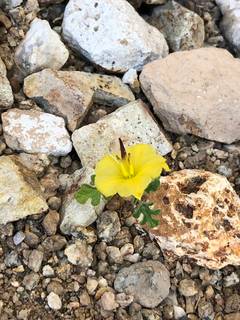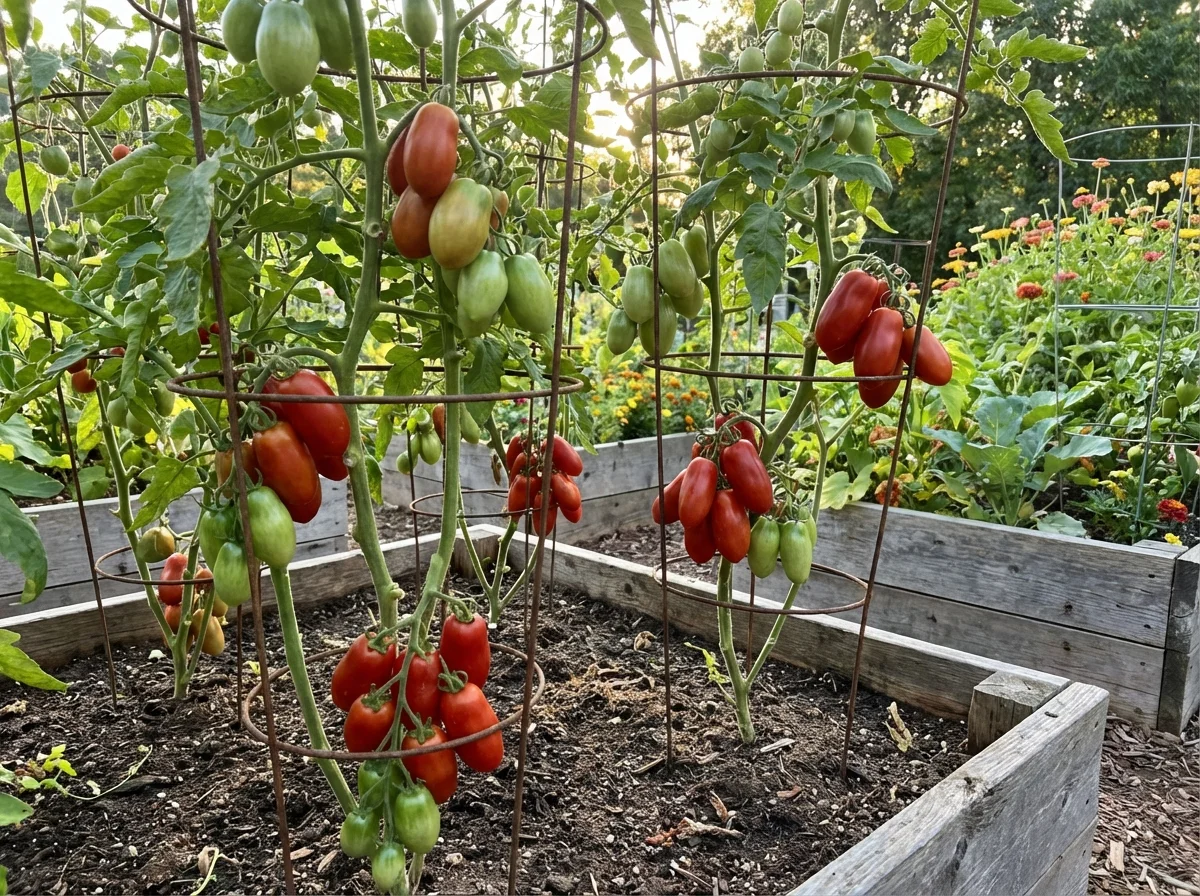
Solanum lycopersicum 'San Marzano', San Marzano Tomato
1 / 7
Vegetables

Solanum lycopersicum 'San Marzano'

San Marzano Tomato

SolanaceaeSouth America

At a Glance

Typeannual
Habitclimbing
Foliagedeciduous
Height6-8 feet
Width2-3 feet
Maturity0.25 years

Growing Zones

USDA Hardiness Zones

4a - 10b
Zone 4a
Zone 4b
Zone 5a
Zone 5b
Zone 6a
Zone 6b
Zone 7a
Zone 7b
Zone 8a
Zone 8b
Zone 9a
Zone 9b
Zone 10a
Zone 10b
These zones indicate the coldest temperatures this plant can typically survive.
Frost Tolerancetender

Key Features

Attracts Pollinators
Deer Resistant
Container Friendly
Maintenancehigh

Overview

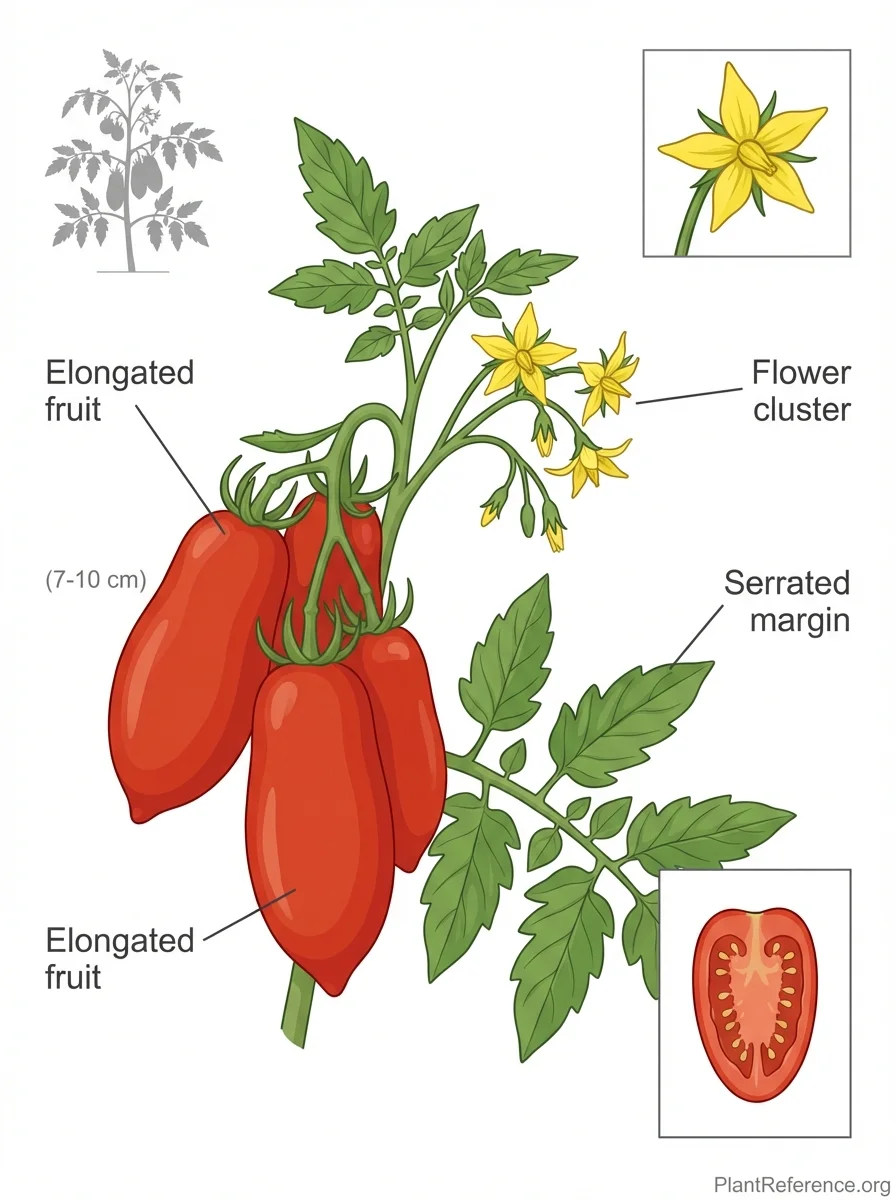
Solanum lycopersicum 'San Marzano' is a legendary indeterminate heirloom tomato cultivar renowned worldwide for its exceptional culinary qualities and distinctive elongated fruit shape. This vigorous climbing plant produces characteristic plum-shaped tomatoes measuring 3-4 inches in length with pronounced tapered ends, thick meaty walls, and brilliant deep red coloration when fully mature. The fruits feature exceptionally dense flesh with minimal gel and seed cavities, creating the concentrated flavor and low moisture content that has made this variety the gold standard for sauce-making and preservation for over two centuries. The plant exhibits classic solanaceous characteristics with pinnately compound leaves composed of serrated leaflets in medium to dark green tones, creating dense foliage that provides excellent fruit protection. Small, bright yellow five-petaled flowers appear continuously in clusters along the stems throughout the growing season, each developing into the prized elongated fruits. Solanum lycopersicum 'San Marzano' displays strong indeterminate growth habit, reaching impressive heights of 6-8 feet when properly supported, requiring substantial trellising systems to accommodate both its vigorous climbing nature and the considerable weight of heavy fruit clusters that develop from midsummer through first frost.

Native Range

Solanum lycopersicum originates from the Andean highlands of western South America, particularly the mountainous regions of Peru, Ecuador, and northern Chile, where wild ancestral species continue to thrive in their natural habitat. The celebrated 'San Marzano' cultivar was developed and perfected in the nutrient-rich volcanic soils of Italy's Campania region near Naples during the 18th century, where it became deeply embedded in traditional Italian culinary culture and eventually achieved protected designation of origin status. This variety represents centuries of careful selection and cultivation in the Mediterranean climate of southern Italy, where it reached its pinnacle of flavor development and agricultural significance.

Suggested Uses

Solanum lycopersicum 'San Marzano' excels in dedicated vegetable gardens, raised beds, and large containers with adequate support systems and sufficient soil volume to accommodate its vigorous growth. This variety is particularly treasured by home gardeners interested in food preservation, authentic sauce-making, and canning due to the fruits' exceptional low moisture content, concentrated flavor, and meaty texture that rivals the finest commercial processing tomatoes. Perfect for creating traditional Italian tomato sauces, paste, and preserved goods that showcase the variety's legendary culinary heritage and superior processing characteristics. Successfully cultivated in greenhouse environments for extended growing seasons or in regions with shorter summers where outdoor growing time is limited. Ideal for serious culinary gardeners and tomato enthusiasts who appreciate heirloom varieties with superior flavor profiles and historical significance in Mediterranean cuisine.

How to Identify

Solanum lycopersicum 'San Marzano' is unmistakably identified by its distinctive elongated, bottle-shaped fruits with characteristic pointed ends, measuring 3-4 inches in length with a length-to-width ratio of approximately 3:1. The mature fruits display rich, deep red coloration and possess notably dense, meaty flesh with exceptionally thick walls and minimal gel content, clearly distinguishing them from standard round slicing tomatoes. The plant exhibits typical indeterminate growth with vigorous vining habit, pinnately compound leaves featuring deeply serrated leaflets, and clusters of small bright yellow five-petaled flowers. Unlike globe tomatoes, Solanum lycopersicum 'San Marzano' produces distinctly rectangular, tapered fruits with remarkably dry flesh texture and concentrated flavor that makes them immediately recognizable to experienced gardeners and chefs.

Appearance

Size & Dimensions

Height6' - 8'
Width/Spread2' - 3'

Reaches mature size in approximately 0.25 years

Colors

Flower Colors

yellow

Foliage Colors

green

Bloom Information

Bloom Period

J
F
M
A
M
J
J
A
S
O
N
D
SummerFall
Continuously throughout the growing season from early summer until first frost, with peak flowering occurring during warm weather when temperatures consistently remain between 70-85°F during the day

Detailed Descriptions

Flower Description

Bright yellow five-petaled flowers in small terminal clusters

Foliage Description

Medium to dark green compound leaves with deeply serrated leaflets

Growing Conditions

Sun Requirements

Full Sun
• Full Sun: 6+ hours of direct sunlight
• Partial Shade: 3-6 hours of direct sunlight
• Full Shade: Less than 3 hours of direct sunlight

Soil Requirements

pH Range6.0 - 6.8(Neutral)
357912
Soil Types
loam
Drainage
moist

Water & Climate

Water Needs

moderate to high

Frost Tolerance

tender

Time to Maturity

78-85 days

Care & Maintenance

Care Guide

Solanum lycopersicum 'San Marzano' requires consistent, attentive care to achieve optimal fruit production and the exceptional quality this variety is known for. Provide deep, regular watering at the base of the plant, maintaining consistently moist but not waterlogged soil, as irregular watering patterns can lead to blossom end rot and fruit cracking that diminishes the premium quality. Apply balanced fertilizer at transplanting, then transition to lower-nitrogen, higher-potassium fertilizer once flowering begins to promote superior fruit development over excessive vegetative growth. Install robust support structures such as heavy-duty cages or substantial trellises early in the season, as these vigorous indeterminate plants continue growing and producing considerable fruit loads throughout the entire growing period. Apply thick organic mulch around the base to retain soil moisture, regulate soil temperature, and prevent soil-borne diseases from splashing onto lower foliage during watering or rainfall.

Pruning

Prune Solanum lycopersicum 'San Marzano' regularly throughout the growing season to maintain plant health, improve air circulation, and maximize the quality fruit production this variety is prized for. Remove suckers that develop in the crotch between main stem and branches weekly, pinching them off when small to redirect plant energy toward fruit production rather than excessive vegetative growth. Remove the lowest leaves that touch the ground to prevent soil-borne diseases from splashing onto foliage during watering or rainfall. As the plant matures, continue removing yellowing, diseased, or damaged leaves to maintain vigor and reduce disease pressure that could compromise fruit quality. Late in the growing season, approximately 4-6 weeks before expected first frost, top the plant by pinching out growing tips to redirect energy into ripening existing fruits rather than producing new flowers and immature fruits that won't have time to develop properly.

Pruning Schedule

J
F
M
A
M
J
J
A
S
O
N
D
summer

Maintenance Level

high

Container Growing

✓ Suitable for container growing

Minimum container size: 20 gallons

⚠️ Toxicity Warning

The ripe fruits of Solanum lycopersicum 'San Marzano' are completely safe for human consumption and are highly prized for their exceptional culinary applications and concentrated flavor. However, green unripe tomatoes contain elevated levels of solanine and other glycoalkaloids and should be consumed only in small quantities or after proper cooking methods that reduce these compounds. All other parts of the plant including leaves, stems, flowers, and roots contain solanine and other toxic alkaloids that are harmful to humans and pets if consumed, potentially causing nausea, vomiting, digestive distress, and other symptoms of alkaloid poisoning. Keep pets and children away from plant foliage and green fruits, and wash hands thoroughly after handling the plants during routine maintenance activities.

Planting Guide

Planting Methods & Timing

Planting Method

transplant

Indoor Start

6 weeks before last frost

Direct Sow Timing

not recommended - transplant only

Days to Maturity

78–85 days

Plant Spacing

24 inches

Companion Planting

Good Companions

basil
oregano
parsley
marigolds
nasturtiums
carrots
peppers

Avoid Planting With

fennel
brassicas
walnut trees
corn
potatoes