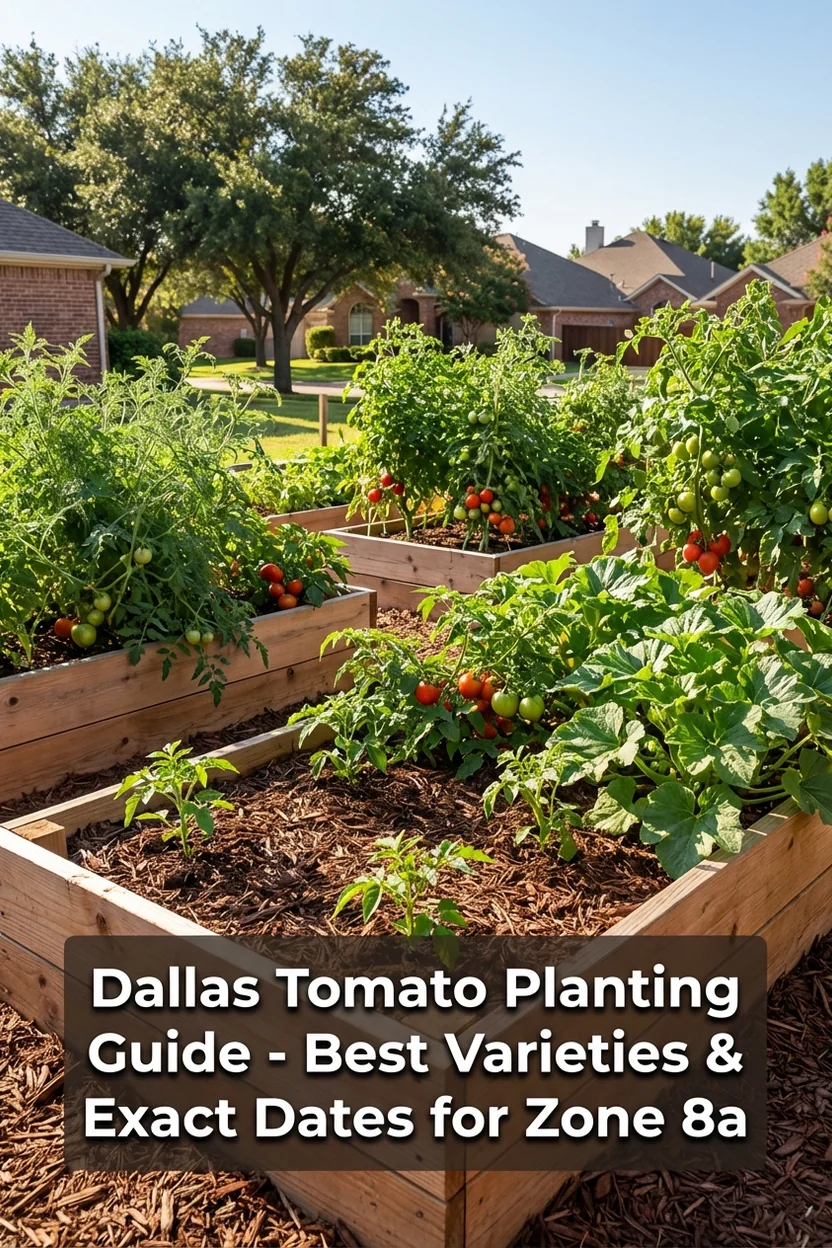
When to Plant Tomatoes in Dallas: Complete Guide + Best Varieties for Zone 8a
Pets & Toxicity
Recorded toxicity for plants linked in this guide. An unknown status is not a safety assessment.
Toxic to pets: early girl tomato, cherokee purple tomato, Stupice tomato and 4 moreDetailsHide
Solanum lycopersicum 'Early Girl' — Toxicity Warning
Toxic to petsView Solanum lycopersicum 'Early Girl' plant profileSolanum lycopersicum 'Cherokee Purple' — Toxicity Warning
Toxic to petsView Solanum lycopersicum 'Cherokee Purple' plant profileSolanum lycopersicum 'Stupice' — Toxicity Warning
Toxic to petsView Solanum lycopersicum 'Stupice' plant profileSolanum lycopersicum 'Roma' — Toxicity Warning
Toxic to petsView Solanum lycopersicum 'Roma' plant profileSolanum lycopersicum 'Brandywine' — Toxicity Warning
Toxic to petsView Solanum lycopersicum 'Brandywine' plant profileSolanum lycopersicum 'Phoenix' — Toxicity Warning
Toxic to petsView Solanum lycopersicum 'Phoenix' plant profileSolanum lycopersicum 'Surefire Red' — Toxicity Warning
Toxic to petsView Solanum lycopersicum 'Surefire Red' plant profile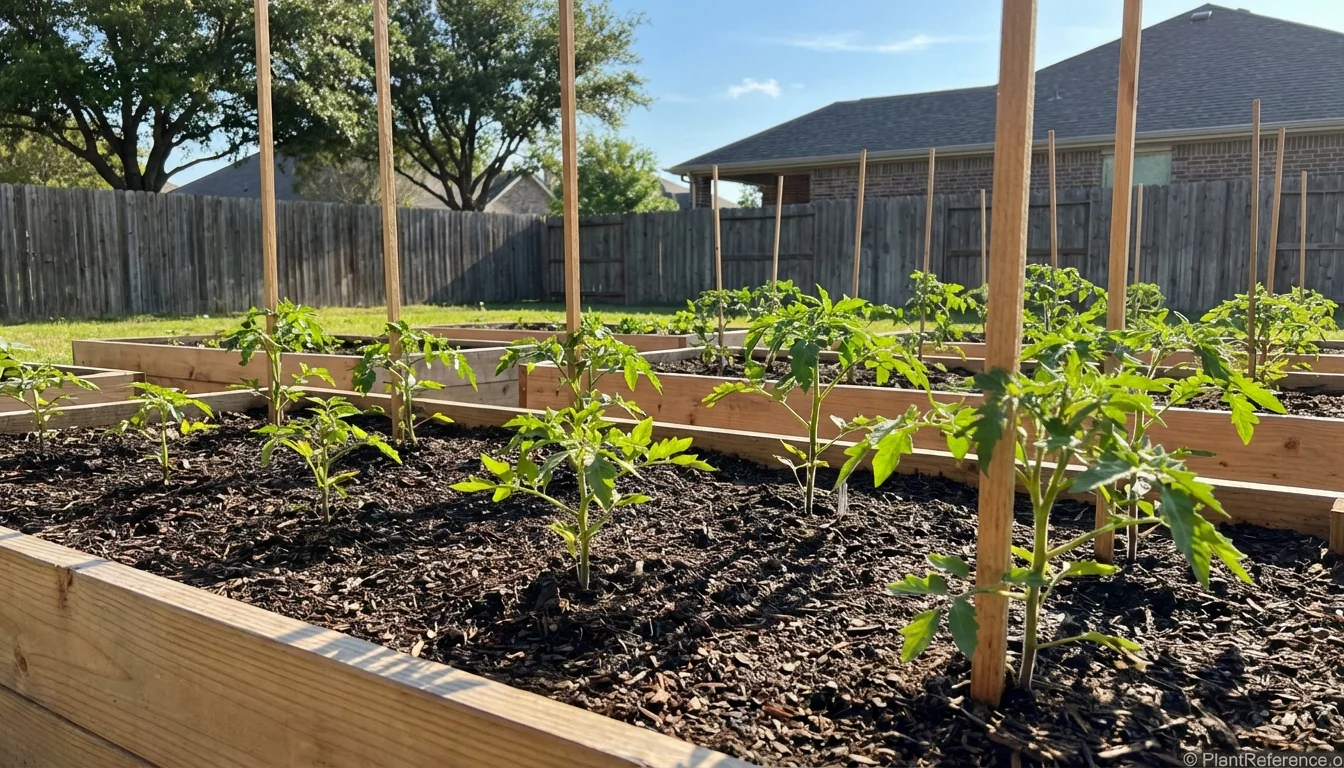
— Image © Plant Reference 2026
I've been growing tomatoes in Texas heat for over four decades, and I'll tell you straight: Dallas gardening isn't like anywhere else. With 255 frost-free days and summers that'll cook your plants if you're not careful, timing isn't just important—it's everything.
Best Tomato Varieties for Dallas's Zone 8a Climate
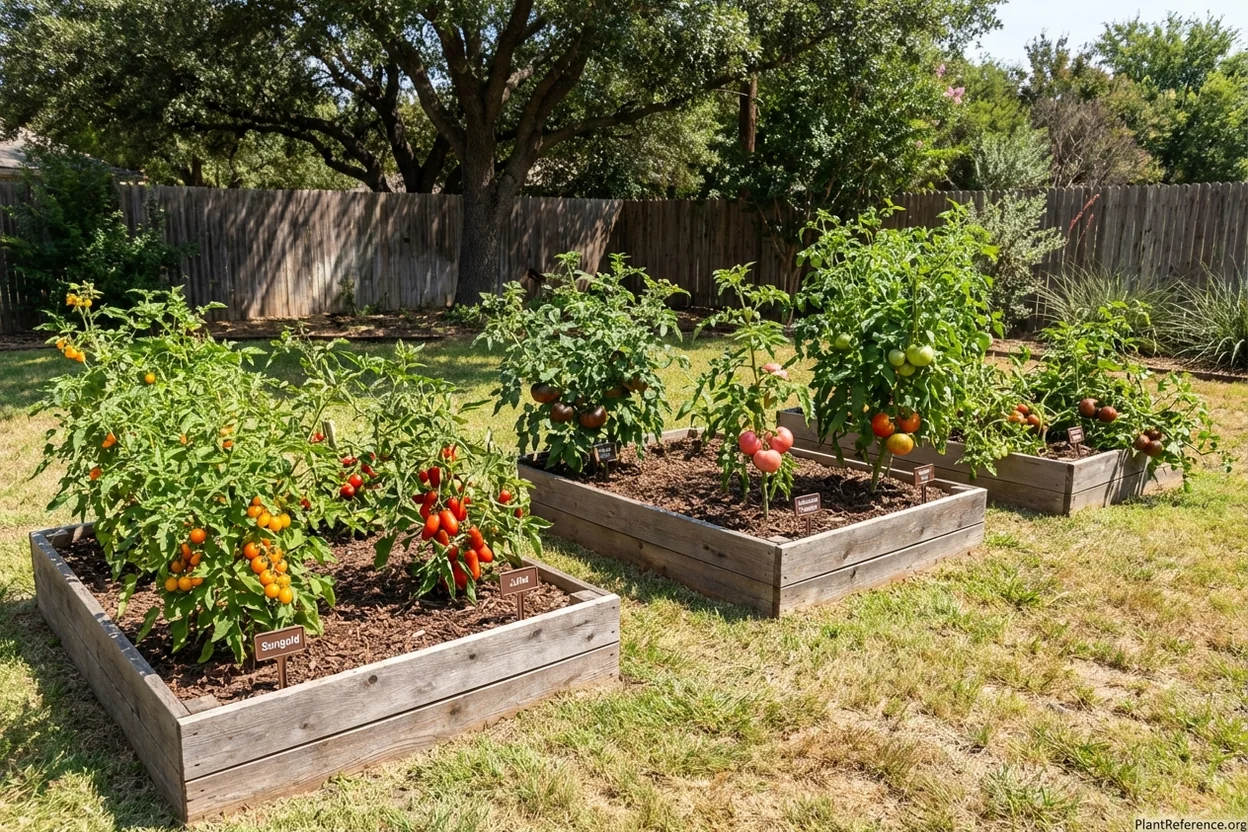
After testing dozens of varieties in Dallas heat, I can tell you which tomatoes actually thrive here and which ones will disappoint you come July. The key is matching the right genetics to our specific challenges: intense UV radiation, temperature swings, and that brutal summer heat that can stop fruit production cold.
Variety | Days to Maturity | Best For | Notes for Dallas |
|---|---|---|---|
50-62 days | Spring harvest before heat | Excellent heat tolerance; sets fruit in cool spring weather | |
75-90 days | Flavor and heat adaptation | Originated in Southeast; handles humidity well | |
70-80 days | Summer production | Bred specifically for desert Southwest conditions | |
60-65 days | Early spring/late fall | Exceptional temperature range tolerance | |
70-80 days | Consistent production | Reliable fruiting in temperature extremes | |
75-80 days | Paste/sauce making | Good heat tolerance; determinate habit |
Heat Champions: My Top Three Picks
🌿Solanum lycopersicum 'Phoenix' is hands-down the best variety I've grown for Dallas summers. Developed at New Mexico State University specifically for desert conditions, it keeps producing fruit when temperatures hit 100°F (38°C) and other varieties shut down. The fruit has excellent flavor despite the heat tolerance—none of that bland "heat-tolerant" taste you get with some varieties.
🌿Solanum lycopersicum 'Early Girl' remains my go-to for spring planting. It'll give you a solid harvest before the July heat hits, and if you're lucky, it'll start producing again in early fall. The F1 hybrid vigor makes it more reliable than heirlooms in our unpredictable spring weather.
🌿Solanum lycopersicum 'Cherokee Purple' is the heirloom I trust. Originally from Tennessee, it's adapted to southeastern heat and humidity. The flavor is outstanding—rich, smoky, and complex. Yes, it's more challenging than hybrids, but the taste makes it worth the effort.
Varieties to Avoid in Dallas
Skip 🌿Solanum lycopersicum 'Brandywine' unless you're growing it in a greenhouse or with serious shade cloth. I've tried it dozens of times, and it consistently fails once temperatures hit the 90s. Same goes for most European heirlooms—they're bred for cooler climates and just can't handle our heat.
Specific Planting Dates for Dallas
Dallas operates on a split-season schedule that confuses a lot of new gardeners. We plant twice: once for spring harvest, once for fall. Miss these windows, and you'll be fighting the weather instead of working with it.
Spring Planting Schedule
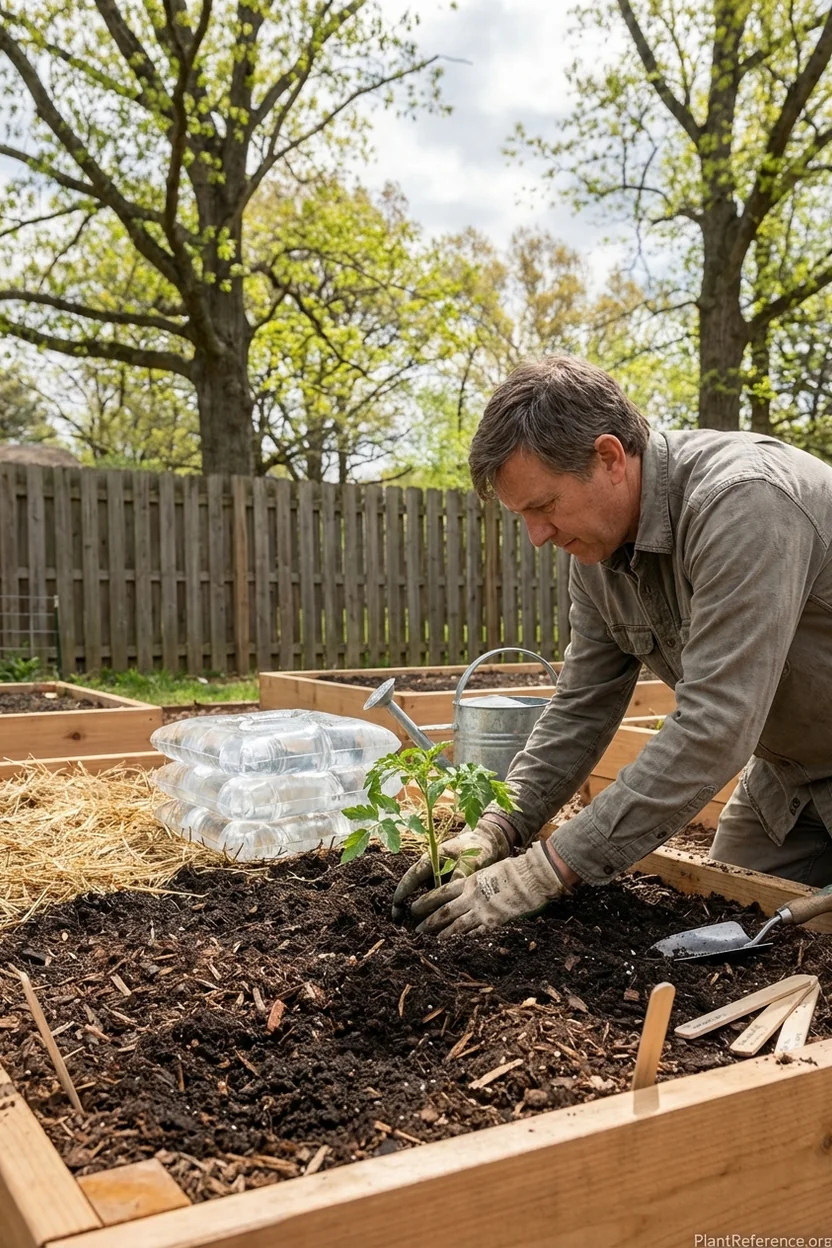
March 15-April 1: Optimal Spring Planting Window
Your last frost date is March 14, but I always wait an extra week to be safe. Soil temperature is more critical than air temperature—wait until it's consistently above 60°F (16°C) at 4-inch depth.
March 1-15: Indoor Seed Starting
If you're starting from seed, get them going indoors by March 1. Use a heat mat to maintain 75-80°F (24-27°C) soil temperature for quick germination.
April 1-15: Extended Spring Planting
You can push spring planting into mid-April, but know that your harvest window gets shorter before summer heat shuts things down.
Summer Heat Strategy
June-July: Production Break
Don't fight the heat. Most tomatoes will slow or stop production when nighttime temperatures stay above 75°F (24°C) and days exceed 95°F (35°C). This is normal—use this time to plan your fall crop.
July 15-August 15: Fall Planting Window
Start seeds indoors during the hottest part of summer for transplanting in late August/early September. This timing gives you a full harvest before the November 24 first frost.
Fall Success Timeline
August 15-September 1: Transplant Fall Seedlings
Fall tomatoes often outperform spring ones in Dallas. The gradually cooling temperatures and increased rainfall create ideal growing conditions.
October-November: Extended Harvest
Fall tomatoes will produce right up to first frost. In mild years, I've harvested into December with simple frost protection.
Complete Growing Guide for Dallas
Soil Preparation for Texas Clay
Dallas soil is notorious clay that'll challenge your tomatoes if you don't handle it right. I've learned to work with it, not against it.
Spring Soil Prep (February)
Start soil preparation in February. Add 3-4 inches of compost and coarse sand (not fine sand—that makes concrete) to break up clay structure. Till only when soil is dry enough to crumble in your hand, never when wet.
Drainage Solutions
Raised beds are essential in Dallas. Build them 8-12 inches high to ensure drainage during our heavy spring rains. Cedar lumber works well and resists our termites better than pine.
pH Management
Dallas clay tends alkaline (pH 7.5-8.0), but tomatoes prefer 6.0-6.8. Work in sulfur in fall to lower pH gradually. Don't expect overnight changes—soil chemistry moves slowly.
Planting Techniques for Zone 8a Success
Deep Planting Method
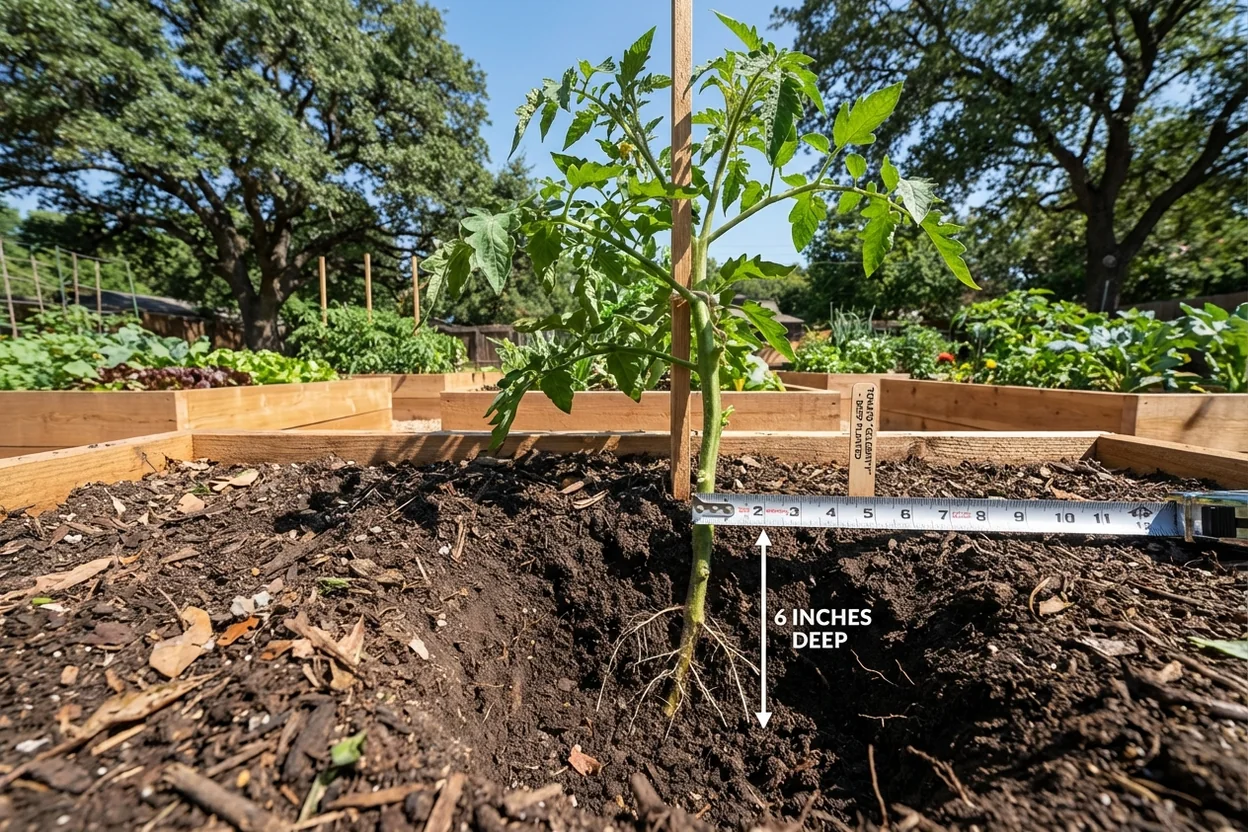
Plant tomato transplants deeper than you would up north. Bury 2/3 of the stem, leaving only the top leaves exposed. This develops a massive root system that handles our heat and drought better.
Spacing for Air Circulation
Space plants 36-48 inches apart—wider than northern recommendations. Good air circulation reduces fungal diseases that thrive in our humidity.
Mulching Strategy
Apply 4-6 inches of organic mulch immediately after planting. I use shredded hardwood or pine needles. This keeps soil temperatures stable and retains moisture during hot periods.
Support Systems for Wind and Weight
Dallas weather includes sudden thunderstorms with straight-line winds that'll flatten unstaked tomatoes in minutes. Install support systems at planting time, not when plants are loaded with fruit.
Cattle Panel Arches
My favorite system: 6-foot cattle panels bent into arches over raised beds. They handle wind, support heavy indeterminate varieties, and last for decades.
T-post and Wire System
For longer rows, drive 8-foot T-posts every 20 feet and run galvanized wire at 18-inch intervals. This creates a "tomato fence" that supports multiple plants.
Water Management in Texas Heat
Drip Irrigation Essentials
Hand watering doesn't cut it in Dallas heat. Install drip irrigation or soaker hoses to maintain consistent soil moisture without wetting foliage (which invites disease).
Mulching for Moisture Retention
Maintain 4-6 inches of organic mulch year-round. This can reduce water needs by 50% and keeps soil temperatures 10-15°F cooler during peak summer.
Heat Wave Protocols
During 100°F+ stretches, water daily if needed to prevent stress. Deep, less frequent watering is ideal, but extreme heat changes the rules.
Troubleshooting Dallas-Specific Problems
After four decades of Dallas tomato growing, I've seen every problem our climate can throw at these plants. Here's how to handle the most common issues.
Blossom End Rot in Clay Soil
Problem: Black, sunken spots on blossom end of fruit, especially on 🌿Solanum lycopersicum 'Roma' and other paste varieties.
Cause: Calcium deficiency caused by inconsistent watering in clay soil that alternates between waterlogged and bone-dry.
Solution: Consistent drip irrigation and calcium addition. I add gypsum (calcium sulfate) at planting time—it provides calcium without raising pH like lime does.
Heat Stress and Blossom Drop
Problem: Plants look healthy but drop flowers without setting fruit during July-August.
Cause: Night temperatures above 75°F (24°C) prevent proper pollination.
Solution: Choose heat-tolerant varieties like 🌿Solanum lycopersicum 'Phoenix' for summer production, or focus on spring/fall crops with other varieties.
Sunscald on Fruit
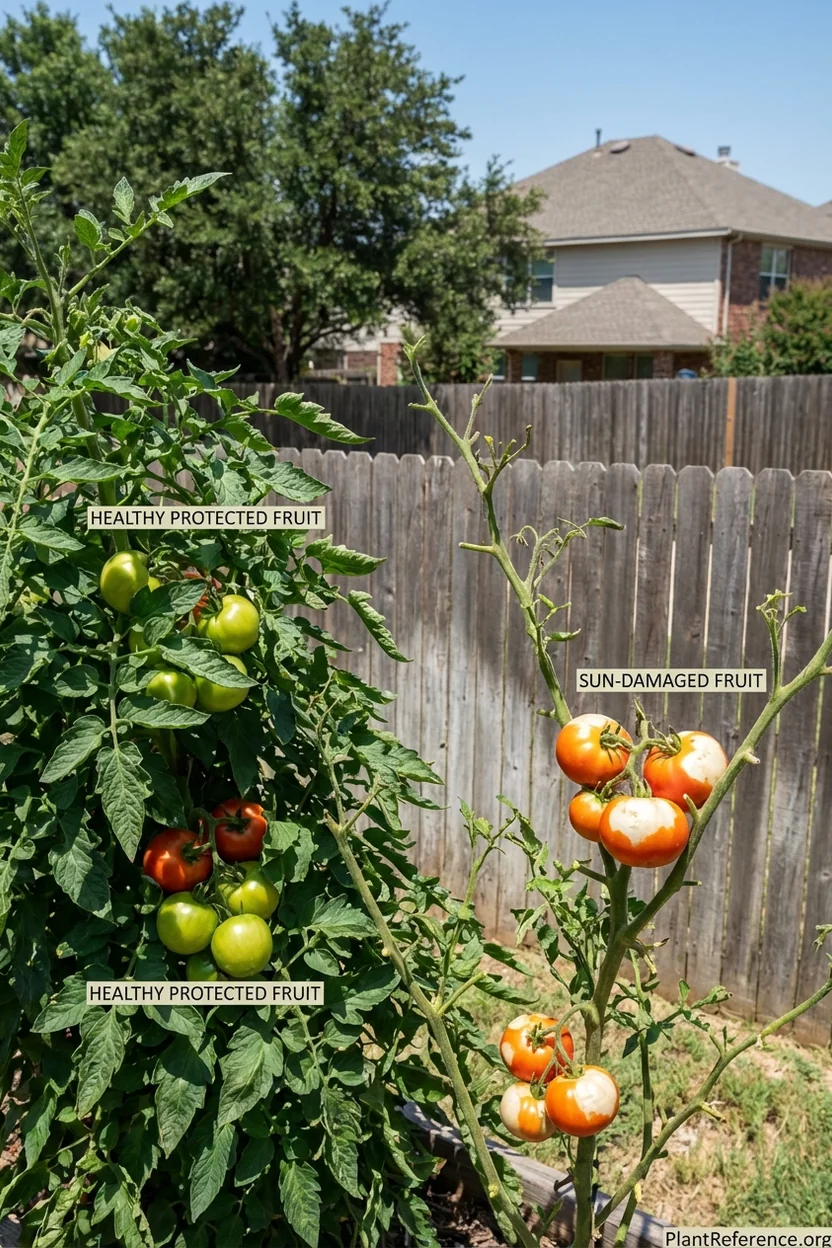
Problem: White, bleached patches on fruit facing west, especially on 🌿Solanum lycopersicum 'Cherokee Purple'.
Cause: Intense Texas afternoon sun combined with inadequate leaf cover.
Solution: Don't over-prune in Dallas. Leave more foliage than northern gardeners do to shade developing fruit. Consider shade cloth (30-50%) during extreme heat.
Early Blight in Humid Conditions
Problem: Lower leaves develop brown spots with concentric rings, progressing up the plant.
Cause: Alternaria solani fungus thriving in Dallas humidity, especially during rainy springs.
Solution: Preventive copper fungicide applications starting in April, aggressive lower leaf removal, and drip irrigation to keep foliage dry.
Spider Mite Explosions
Problem: Fine webbing on leaves, stippled yellow foliage, especially on drought-stressed plants.
Cause: Hot, dry conditions that favor spider mite reproduction.
Solution: Consistent moisture through mulching and drip irrigation. Predatory mites provide biological control if you avoid broad-spectrum insecticides.
Harvest & Storage
Dallas's long growing season means extended harvest periods when you time things right. Here's how to maximize your yields and extend storage life.
Spring Harvest Timeline
May-June: Peak spring harvest from March plantings. 🌿Solanum lycopersicum 'Early Girl' and 🌿Solanum lycopersicum 'Stupice' will be producing heavily.
Harvest Technique: Pick at "breaker" stage (first blush of color) during late spring heat waves. Tomatoes ripen perfectly indoors and avoid heat damage.
Fall Harvest Excellence
September-November: Fall tomatoes often have better flavor than spring ones. Cooler nights concentrate sugars while warm days maintain growth.
Frost Protection: Extend harvest with row covers or frost cloth. Light freezes (32-28°F) are manageable with protection.
Storage for Extended Enjoyment
Green Tomato Storage: Harvest mature green tomatoes before first frost. Wrap individually in newspaper and store at 60-65°F (16-18°C). They'll ripen gradually for weeks.
Preservation Methods: Dallas heat makes fresh tomato season short but intense. I preserve peak harvests through canning, freezing, and dehydrating for year-round use.
Frequently Asked Questions
Reading about plants and recognising them are different skills. These three build the second.
- Daily PlantIdentify the day’s mystery plant from a close-up photograph.
- Keyed OutWork a dichotomous key, lead by lead, to name a hidden specimen.
- Name That PlantName a specimen from botanical clues dealt hardest first.
Free to play, no account needed
James is a lawn care professional in Dallas who runs a small residential maintenance company. He started mowing lawns as a teenager and worked his way up to running crews for a large landscaping firm before going out on his own. James specializes in warm-season turf grasses—Bermuda, St. Augustine, and Zoysia—and knows how to keep a lawn alive through Texas summers without wasting water. He's also experienced with the transition zone challenges that Dallas faces, where warm-season and cool-season grasses overlap. James takes a practical, science-informed approach to lawn care and pushes back on the idea that a good lawn requires heavy chemical inputs.