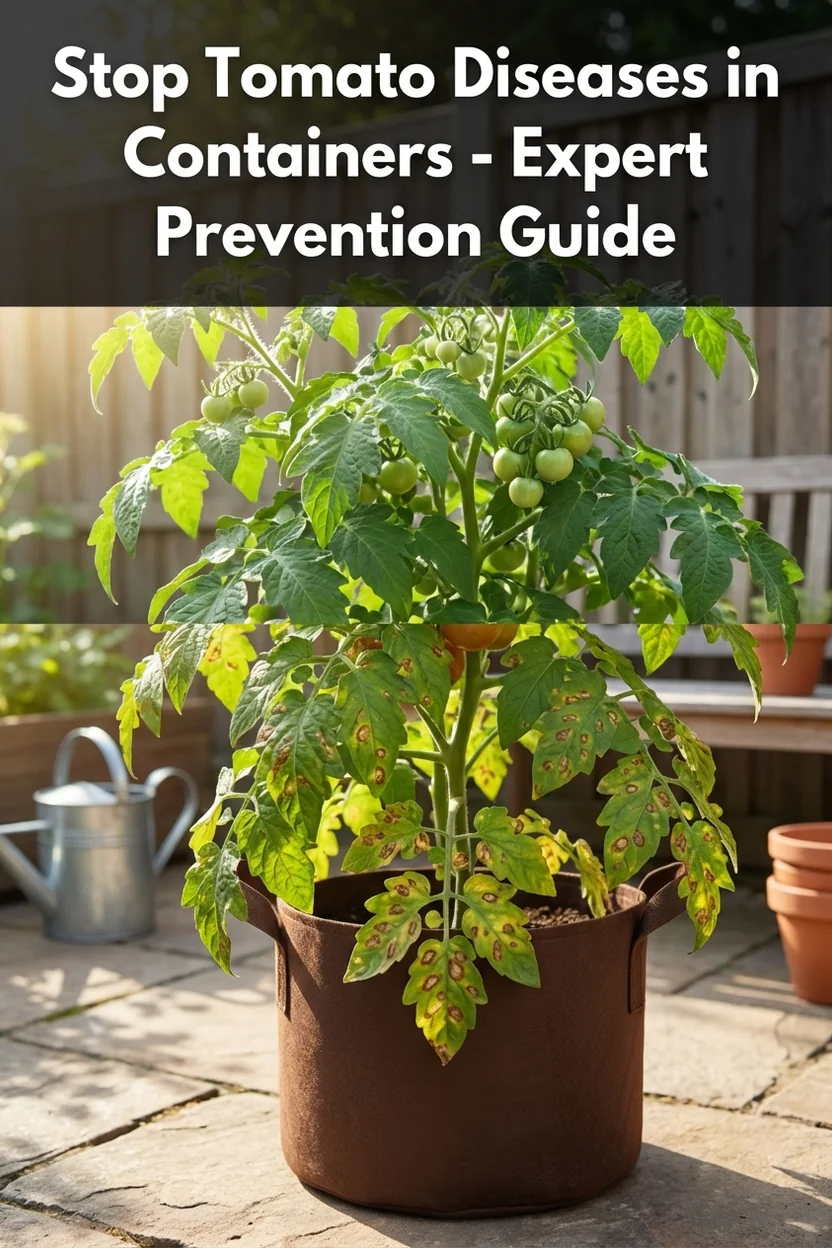
Container Tomato Diseases: Preventing and Treating Septoria and Early Blight
Pets & Toxicity
Recorded toxicity for plants linked in this guide. An unknown status is not a safety assessment.
Toxic to pets: phoenix tomato, yellow pear tomatoDetailsHide
Solanum lycopersicum 'Phoenix' — Toxicity Warning
Toxic to petsView Solanum lycopersicum 'Phoenix' plant profileSolanum lycopersicum 'Yellow Pear' — Toxicity Warning
Toxic to petsView Solanum lycopersicum 'Yellow Pear' plant profile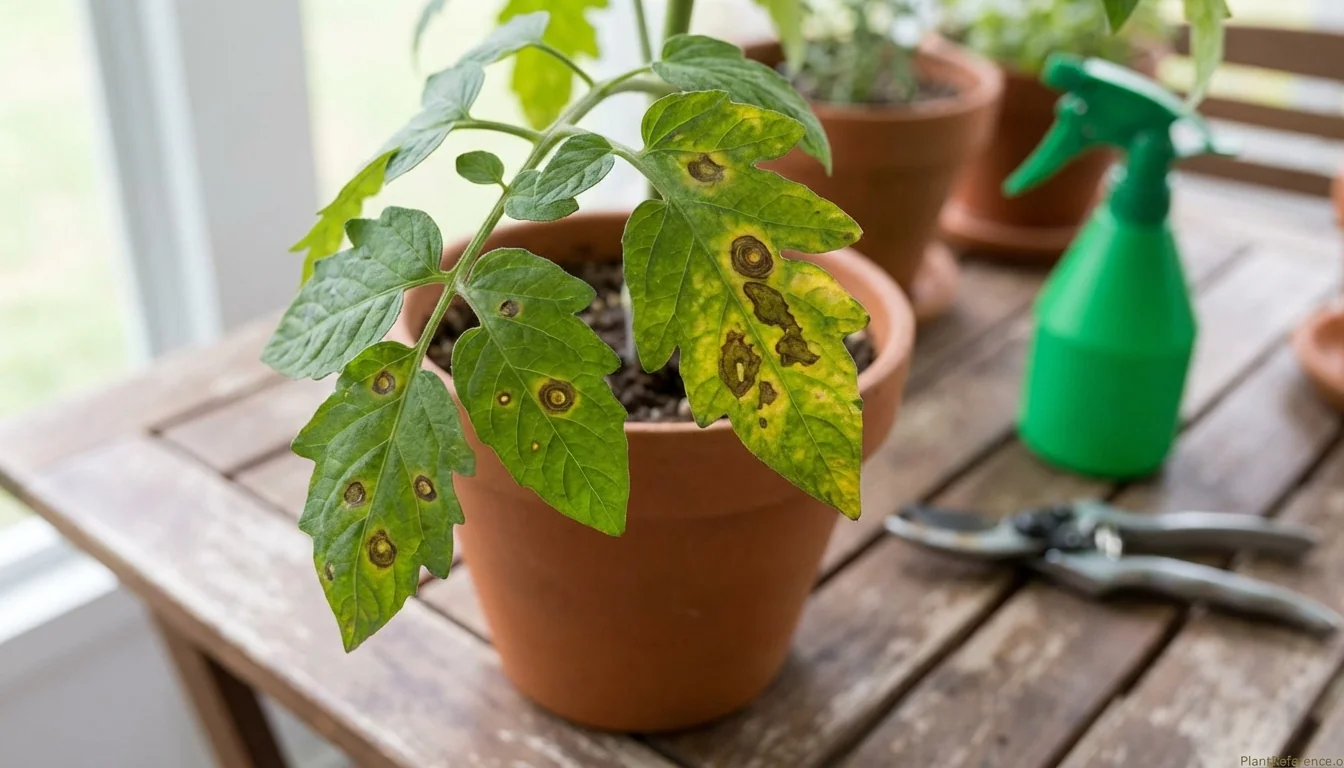
— Image © Plant Reference 2026
Seeing brown spots appear on your container tomato leaves can be heartbreaking, especially when you've invested time and care into your plants. Tomato leaf disease container problems are unfortunately common, with septoria leaf spot and early blight being the two most frequent culprits affecting container-grown plants. These fungal diseases thrive in the unique microclimate that containers create—higher humidity, inconsistent airflow, and splash-back from watering.
Understanding Tomato Leaf Disease Container Challenges
Container-grown tomatoes 🌿Solanum lycopersicum 'Yellow Pear' (so-LAH-num ly-ko-PER-si-kum) face unique disease pressures that their in-ground counterparts don't experience. The confined root system, limited soil volume, and proximity to walls or surfaces create microclimates that favor fungal development.
The most significant factor contributing to tomato leaf disease container issues is moisture management. When you water container tomatoes, soil can splash onto lower leaves, carrying fungal spores directly to plant tissue. Unlike in-ground plants where excess moisture can drain away naturally, container soil stays saturated longer, creating ideal conditions for disease development.
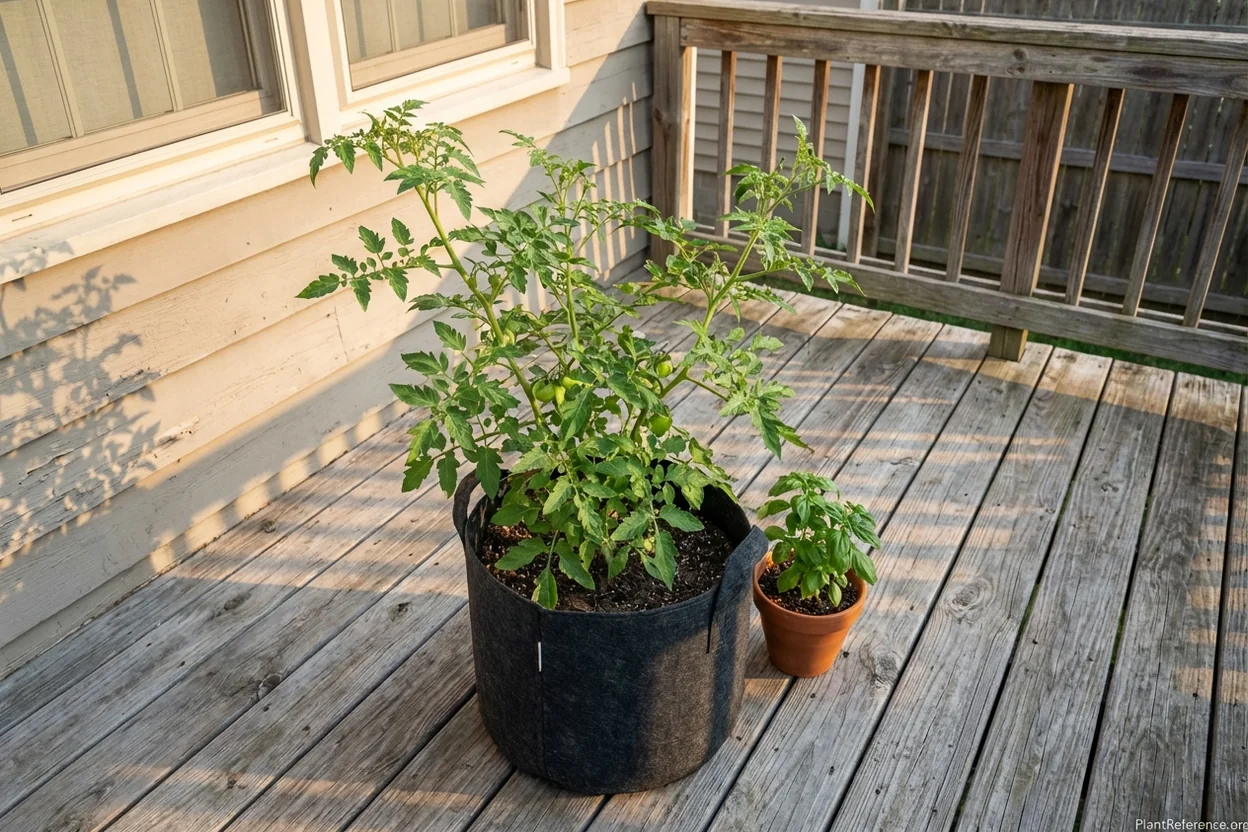
Additionally, containers often sit against walls, fences, or under overhangs where air circulation is reduced. This stagnant air allows humidity to build around the plant canopy, providing the perfect environment for septoria leaf spot and early blight to establish and spread.
Identifying Septoria Leaf Spot in Containers
Septoria leaf spot (Septoria lycopersici) is perhaps the most common tomato leaf disease container growers encounter. This fungal pathogen creates distinctive symptoms that make identification relatively straightforward once you know what to look for.
The first signs appear on lower leaves as small, dark brown to black spots with light-colored centers. These spots are typically 1/8 to 1/4 inch (3-6 mm) in diameter and may have a yellow halo around the dark center. As the disease progresses, spots multiply rapidly, and affected leaves turn completely yellow before dropping off the plant.
What distinguishes septoria from other diseases is the tiny black specks visible in the center of each spot—these are the fungal fruiting bodies called pycnidia. During humid conditions, these structures release spores that spread to other parts of the plant through water splash or wind dispersal.
Container growers often notice septoria starting on leaves closest to the soil surface, where splash-back from watering carries spores from the potting mix to plant tissue. The disease works its way up the plant systematically, defoliating from bottom to top if left untreated.
Recognizing Early Blight Symptoms
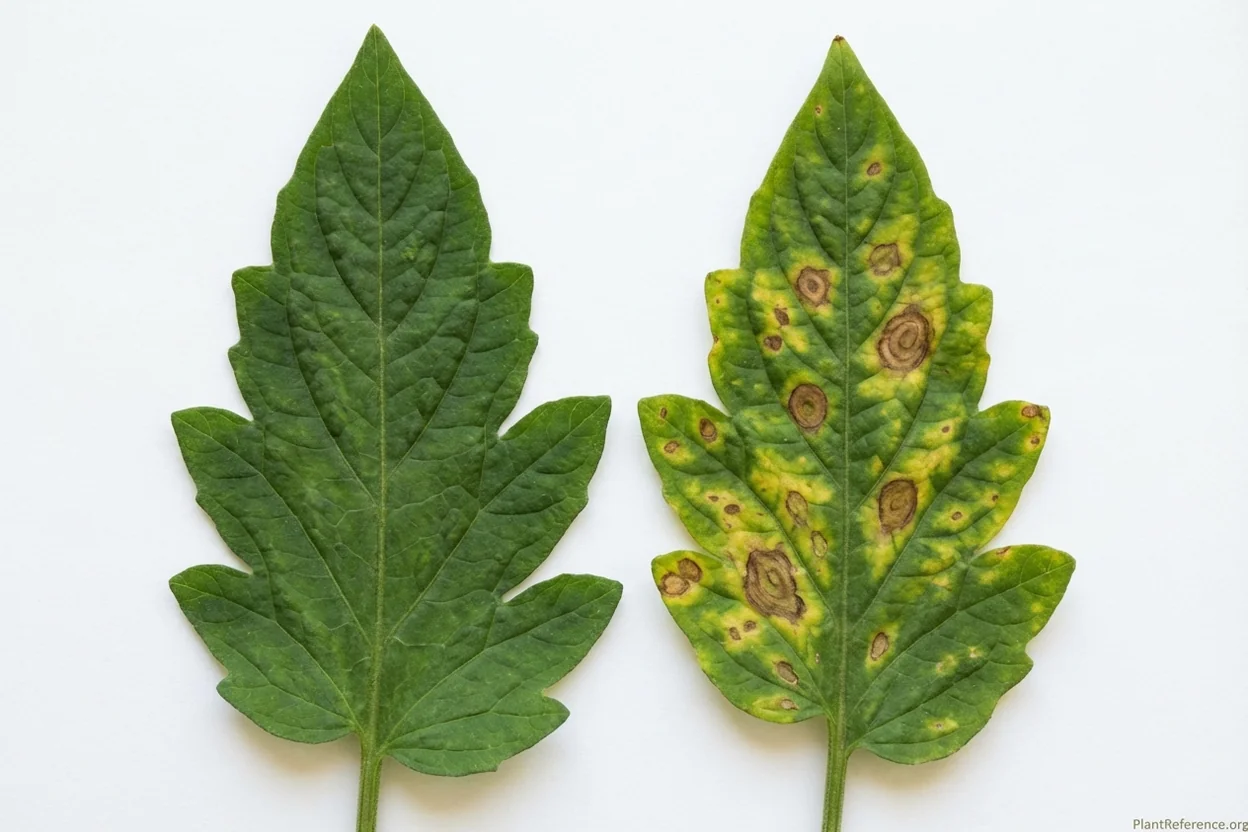
Early blight (Alternaria solani) creates a different symptom pattern that's equally destructive to container tomatoes. Unlike septoria's small, round spots, early blight produces larger brown lesions with distinctive concentric rings that create a "target" or "bull's-eye" appearance.
These lesions typically start as small dark spots on older leaves but quickly expand to 1/2 inch (1.3 cm) or larger. The concentric ring pattern becomes more pronounced as spots mature, with alternating bands of light and dark brown creating the characteristic target appearance.
Early blight affects not only leaves but also stems and fruit. On stems, you'll see elongated dark lesions that can girdle branches and cause wilting above the infection point. Fruit infections appear as dark, sunken spots typically around the stem end, making tomatoes unmarketable even if the rest of the plant survives.
Container tomatoes are particularly susceptible to early blight during periods of high humidity combined with warm temperatures (75-85°F or 24-29°C). The limited air circulation around containers creates ideal conditions for this pathogen to establish and spread rapidly through the plant canopy.
Why Container Tomatoes Are More Disease-Prone
Understanding why container tomatoes develop more leaf diseases than in-ground plants helps explain prevention strategies. Several factors unique to container growing create the perfect storm for fungal development.
Moisture Retention: Container soil retains moisture longer than garden beds, especially in plastic or ceramic pots without adequate drainage. This extended soil saturation keeps humidity high around the plant base, where most infections begin.
Limited Air Movement: Containers positioned against walls, under overhangs, or in sheltered locations experience reduced air circulation. Stagnant air allows moisture to accumulate on leaf surfaces, providing the film of water that fungal spores need to germinate and penetrate plant tissue.
Nutrient Stress: Plants grown in containers may experience more nutritional stress than their in-ground counterparts due to limited soil volume and frequent watering that leaches nutrients. Stressed plants have compromised immune systems, making them more susceptible to opportunistic pathogens like septoria and Alternaria.
Spore Concentration: In gardens, infected plant debris decomposes and becomes diluted in the larger soil ecosystem. In containers, any infected material remains concentrated in the limited soil volume, creating a reservoir of fungal spores ready to reinfect plants.
Year-to-Year Soil Reuse: Many container gardeners reuse potting soil season after season to save money. This practice allows fungal spores and other pathogens to overwinter in the growing medium, guaranteeing infection problems the following year.
For optimal disease prevention, I recommend replacing potting soil annually and positioning containers where they receive morning sun and afternoon breeze to promote rapid leaf drying.
Prevention Strategies for Container Growing
Prevention remains the most effective strategy for managing tomato leaf disease container problems. By creating an environment hostile to fungal development, you can avoid most disease issues entirely.
Fresh Soil Annually: This single practice eliminates 80% of container disease problems. Fungal spores overwinter in used potting soil, so starting with fresh, sterile growing medium each season breaks the disease cycle. Compost old soil in your garden beds where it won't harm future container crops.
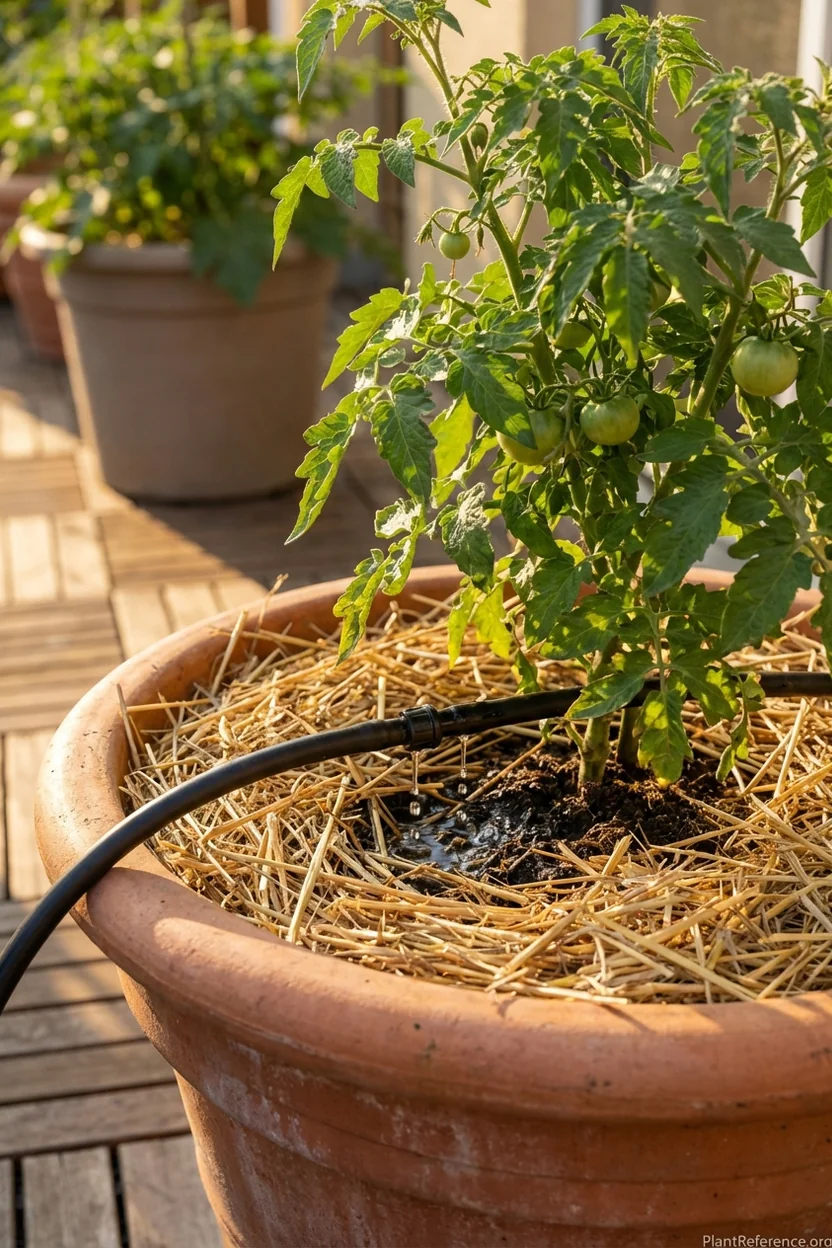
Watering Technique: Water soil directly using a watering wand or drip irrigation system rather than overhead sprinklers or hose attachments that wet foliage. Fungal spores need water to germinate, so keeping leaves dry dramatically reduces infection rates.
Strategic Container Placement: Position containers where they receive morning sun to dry overnight moisture quickly, and ensure adequate spacing (3-4 feet or 90-120 cm) between plants and structures for air circulation.
Mulching: Apply 2 inches (5 cm) of straw or shredded bark mulch to soil surfaces to prevent spore-laden soil from splashing onto leaves during watering or rain events.
Preventive practices to implement:
Replace potting soil completely each growing season
Use drip irrigation or soaker hoses to avoid wetting foliage
Position containers 3-4 feet from walls and other plants
Mulch soil surface with 2 inches of organic material
Remove lower branches that touch soil or mulch
Inspect plants weekly for early disease symptoms
Regular plant inspection allows you to catch problems early when treatment is most effective. Check lower leaves first, as this is where most infections begin.
Treatment Options for Active Infections
When prevention fails and you notice the first signs of tomato leaf disease container problems, immediate action can often save your plants and harvest. The key is acting quickly before infections become systemic.
Immediate Leaf Removal: Remove all affected leaves as soon as you notice symptoms. Cut leaves at the stem junction using clean pruning shears, and dispose of infected material in household trash—never compost diseased plant material. Sterilize pruning tools with 70% isopropyl alcohol between cuts to prevent spreading spores.
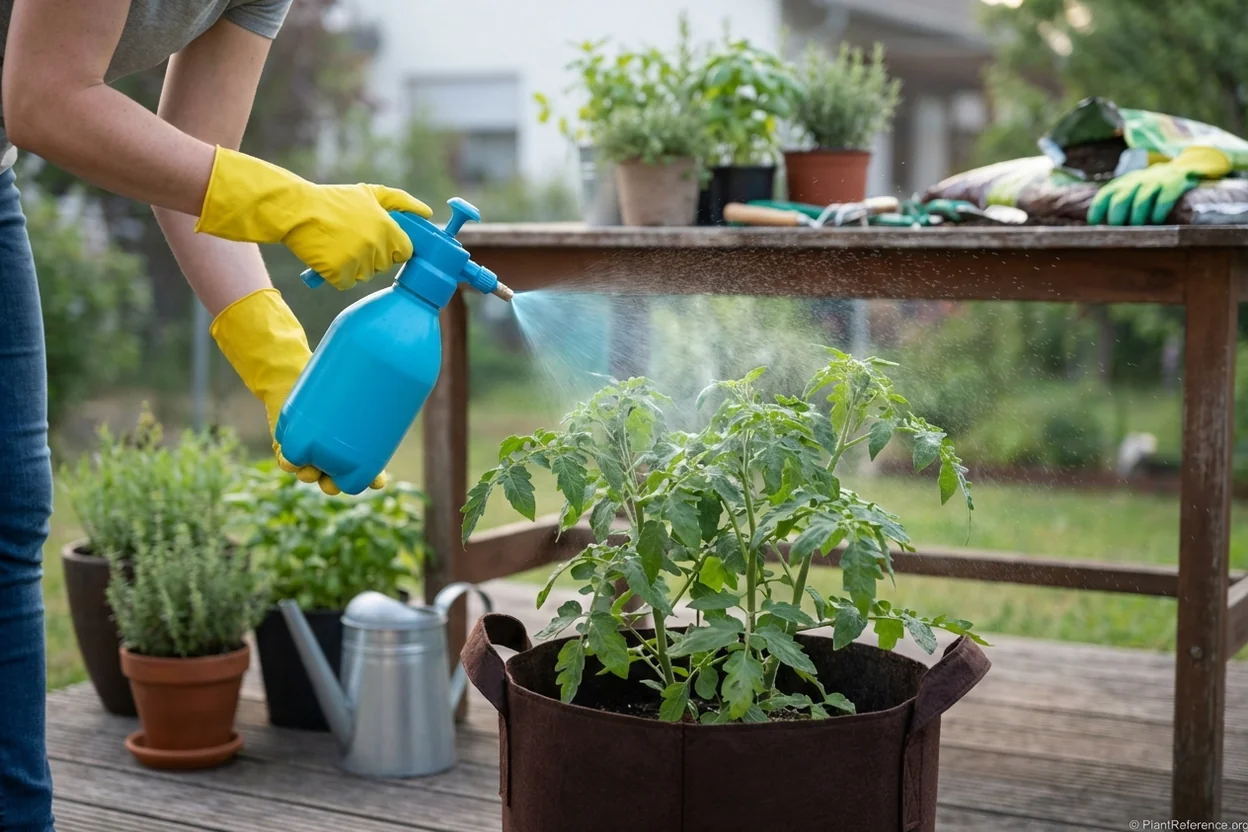
Fungicide Application: Apply copper-based fungicides within 24 hours of symptom appearance for maximum effectiveness. Copper sulfate and copper hydroxide formulations work well against both septoria and early blight. Follow label directions carefully, as copper can accumulate in soil and become toxic to plants with repeated use.
Environmental Modification: Improve air circulation immediately by repositioning containers, pruning overcrowded branches, and ensuring adequate spacing. If possible, move affected plants to a location with better morning sun exposure to promote rapid leaf drying.
For established infections, treatment protocol includes:
Remove all symptomatic leaves using sterilized tools
Apply copper fungicide to remaining healthy foliage
Improve air circulation and reduce humidity around plants
Increase watering frequency but reduce volume per session
Monitor daily for new symptom development
Repeat fungicide applications every 7-10 days as needed
Remember that systemic infections may require plant removal to prevent spreading to other container plants. If more than 50% of foliage shows symptoms, consider starting over with new plants and fresh soil.
Organic vs Synthetic Fungicide Options
Container gardeners often prefer organic treatments, especially when growing edible crops. Both organic and synthetic options can effectively control tomato leaf disease container problems, but they work through different mechanisms.
Organic Options: Copper-based fungicides (copper sulfate, copper hydroxide) provide excellent control of bacterial and fungal diseases. Bacillus subtilis strains offer biological control by outcompeting pathogenic fungi for nutrients and space on leaf surfaces. Neem oil works preventively by creating an environment hostile to fungal spore germination.
Synthetic Options: Chlorothalonil and propiconazole provide broader spectrum control and longer residual activity than organic alternatives. These products can halt disease progression more quickly but may have longer pre-harvest intervals for edible crops.
→ Bonide Copper Fungicide ($8.99-$12.99) - OMRI-listed organic disease control
Copper hydroxide-based organic fungicide that controls both septoria leaf spot and early blight on tomatoes. OMRI-listed for organic gardening with excellent preventive and curative action. Mix 1-2 tablespoons per gallon of water and spray until runoff covers all leaf surfaces. Safe for use up to day of harvest on edible crops. Effective against bacterial diseases as well as fungal pathogens. Each 16-ounce bottle treats approximately 200 square feet of plant coverage when properly diluted.
For container growers, I recommend starting with copper-based organic treatments and escalating to synthetic options only if organic methods prove insufficient. Always read and follow label instructions regarding pre-harvest intervals and application frequency.
Creating Disease-Resistant Growing Conditions
Long-term success in preventing tomato leaf disease container problems requires creating an environment that naturally suppresses fungal development. This involves strategic choices in container selection, plant varieties, and growing techniques.
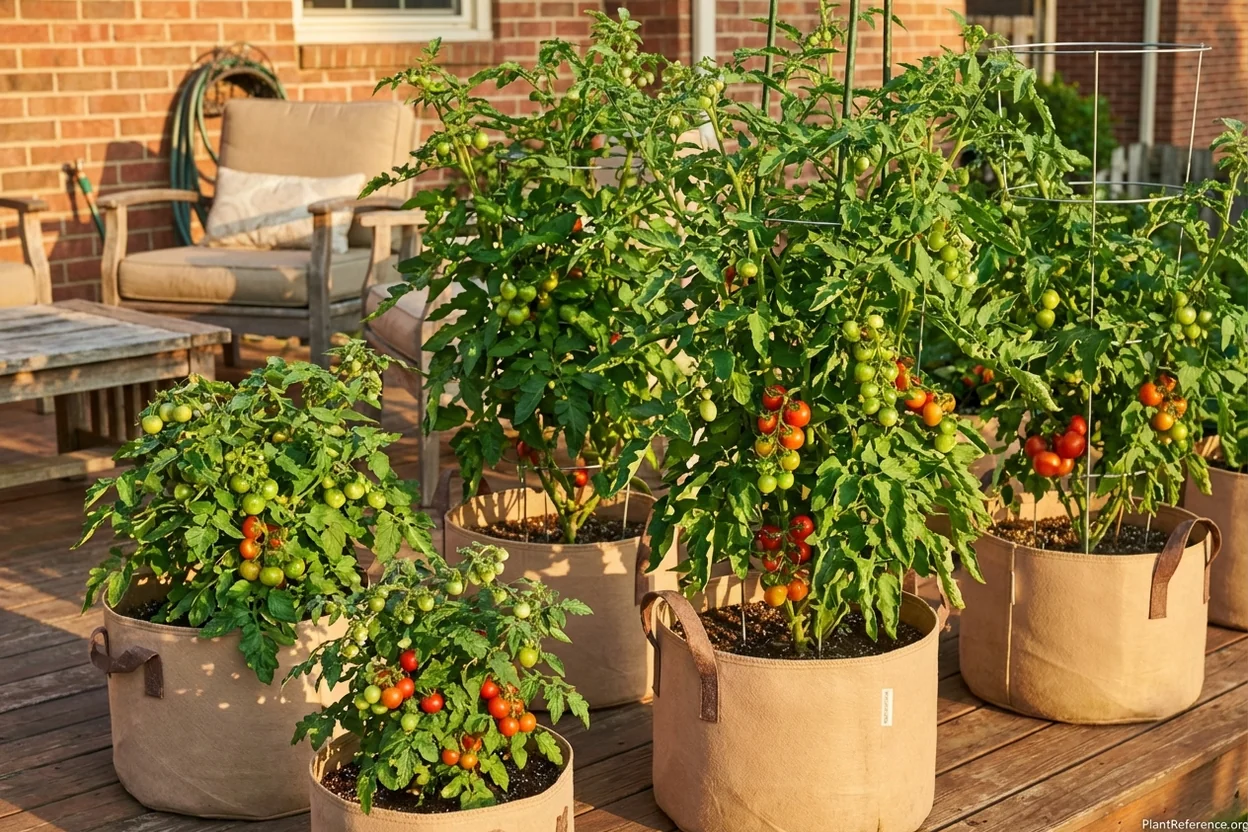
Container Selection: Choose containers with excellent drainage—fabric grow bags or plastic pots with multiple drainage holes. Avoid decorative containers without drainage or saucers that hold standing water. Terra cotta pots provide good air circulation to roots but may require more frequent watering.
Variety Selection: Some tomato varieties show better disease resistance than others. Look for varieties marked with disease resistance codes: V (Verticillium wilt), F (Fusarium wilt), N (nematodes), T (tobacco mosaic virus), and EB (early blight). While no variety is completely immune to septoria or early blight, resistant varieties recover faster and suffer less damage.
Companion Planting: Basil planted in separate containers near tomatoes may help repel some insects that spread disease spores. However, avoid planting basil in the same container as tomatoes, as they have different watering and nutrition requirements.
Seasonal Timing: Start tomato plants from seed indoors to avoid introducing diseases from nursery transplants. If purchasing transplants, inspect carefully for any leaf spots or discoloration before bringing plants home.
The Best Tomato Varieties for Containers article provides detailed information on disease-resistant cultivars, while Container Size Matters: The Ultimate Guide to Choosing the Perfect Pot for Tomatoes explains proper drainage requirements that prevent waterlogged soil conditions.
For comprehensive container growing guidance, refer to The Complete Guide to Growing Tomatoes in Containers, which covers all aspects of successful container cultivation from soil selection through harvest.
Frequently Asked Questions
Reading about plants and recognising them are different skills. These three build the second.
- Daily PlantIdentify the day’s mystery plant from a close-up photograph.
- Keyed OutWork a dichotomous key, lead by lead, to name a hidden specimen.
- Name That PlantName a specimen from botanical clues dealt hardest first.
Free to play, no account needed
TJ stumbled into plant parenthood when a coworker gave him a neglected pothos. That single plant sparked an obsession that led him to quit his corporate marketing job and start a plant care service for busy professionals in Chicago. TJ maintains over 150 plants for residential clients and runs monthly plant swap meetups at local coffee shops. He's self-taught through YouTube, plant forums, and plenty of expensive mistakes (RIP to his variegated monstera). TJ specializes in troubleshooting common houseplant problems and is known for his blunt, no-BS advice: "Your plant isn't dying because Mercury is in retrograde—you're overwatering it." He's particularly skilled with finicky tropical plants like fiddle leaf figs and calatheas.