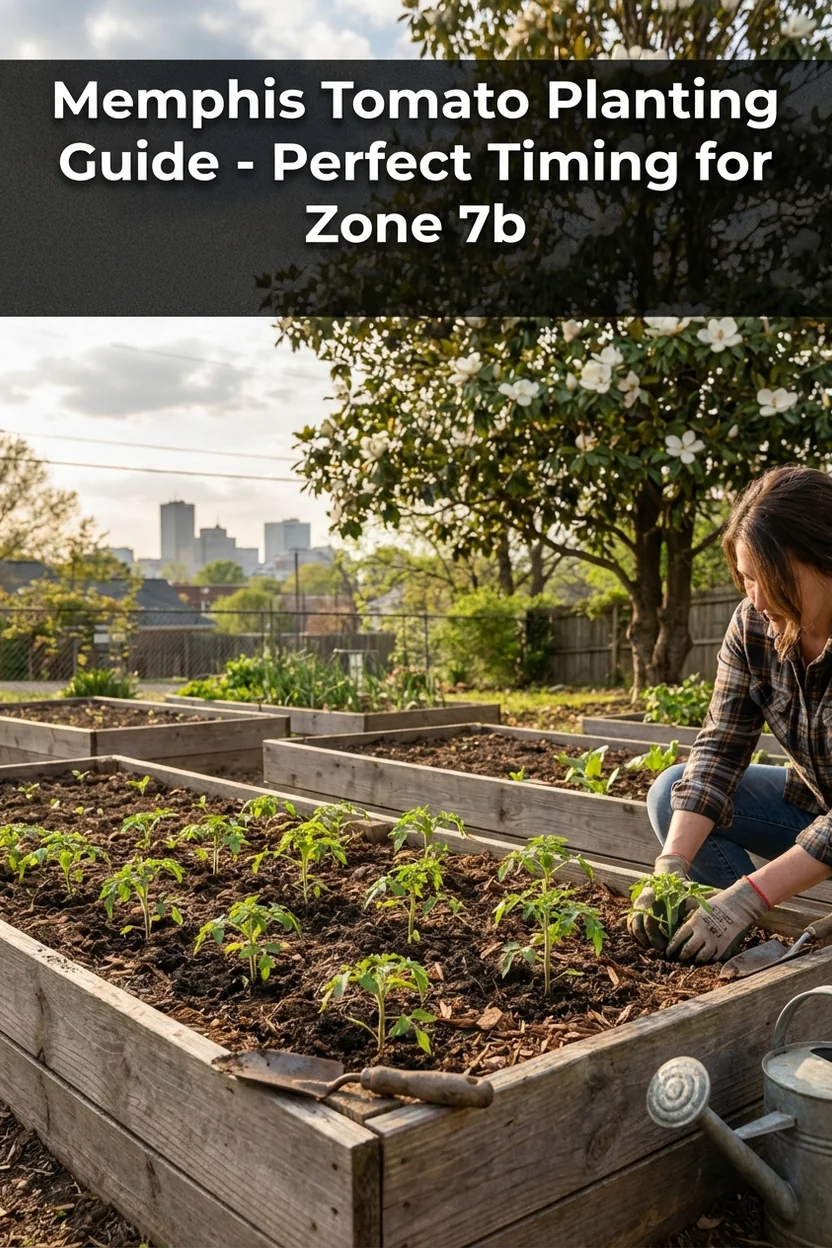
When to Plant Tomatoes in Memphis: Complete Guide + Best Varieties for Zone 7b
— Image © Plant Reference 2026
I've been growing tomatoes in Tennessee for over thirty years, and Memphis gardeners have a real advantage with Zone 7b's generous 210-day growing season. But success comes down to timing—plant too early and late frost kills your seedlings, plant too late and July heat stops fruit set completely.
Best Tomato Varieties for Memphis's Climate
Memphis sits in Zone 7b with hot, humid summers and mild winters. Your last frost typically hits around April 4, giving you until October 31 before temperatures drop again. This 210-day window is excellent for tomatoes, but you need varieties that handle Tennessee heat and humidity.
After decades of testing varieties in Memphis gardens, I can tell you which ones actually produce and which ones just struggle through summer. The secret is choosing varieties bred for hot, humid climates or ones that fruit early before the worst heat arrives.
Variety | Days to Maturity | Best For | Notes for Memphis |
|---|---|---|---|
50-62 days | Quick spring harvest | Sets fruit reliably before heat, disease resistant | |
75-90 days | Heat tolerance | Originally from Tennessee, handles humidity better than most heirlooms | |
52-60 days | Cool season extension | Continues producing in fall when others quit | |
65-75 days | Reliable producer | VFN resistance perfect for Memphis soil problems | |
65-75 days | Extreme heat tolerance | Sets fruit even when temperatures hit 95°F+ | |
75-85 days | Summer production | Bred specifically for hot, humid southern climates |
Heat-Tolerant Champions for Memphis:
🌿Solanum lycopersicum 'Cherokee Purple' originated right here in Tennessee, and it shows. While other heirloom beefsteaks give up when July temperatures soar, Cherokee Purple keeps setting fruit. The flavor is exceptional—smoky and complex—but you'll need to provide afternoon shade during the hottest weeks.
🌿Solanum lycopersicum 'Phoenix' and 🌿Solanum lycopersicum 'Heatmaster' are modern varieties bred specifically for southern heat. They'll keep producing fruit even when daytime temperatures hit 95°F (35°C) and nighttime temperatures stay above 75°F (24°C). Most tomatoes shut down reproduction at those temperatures, but these varieties power through.
Early Producers for Spring Harvest:
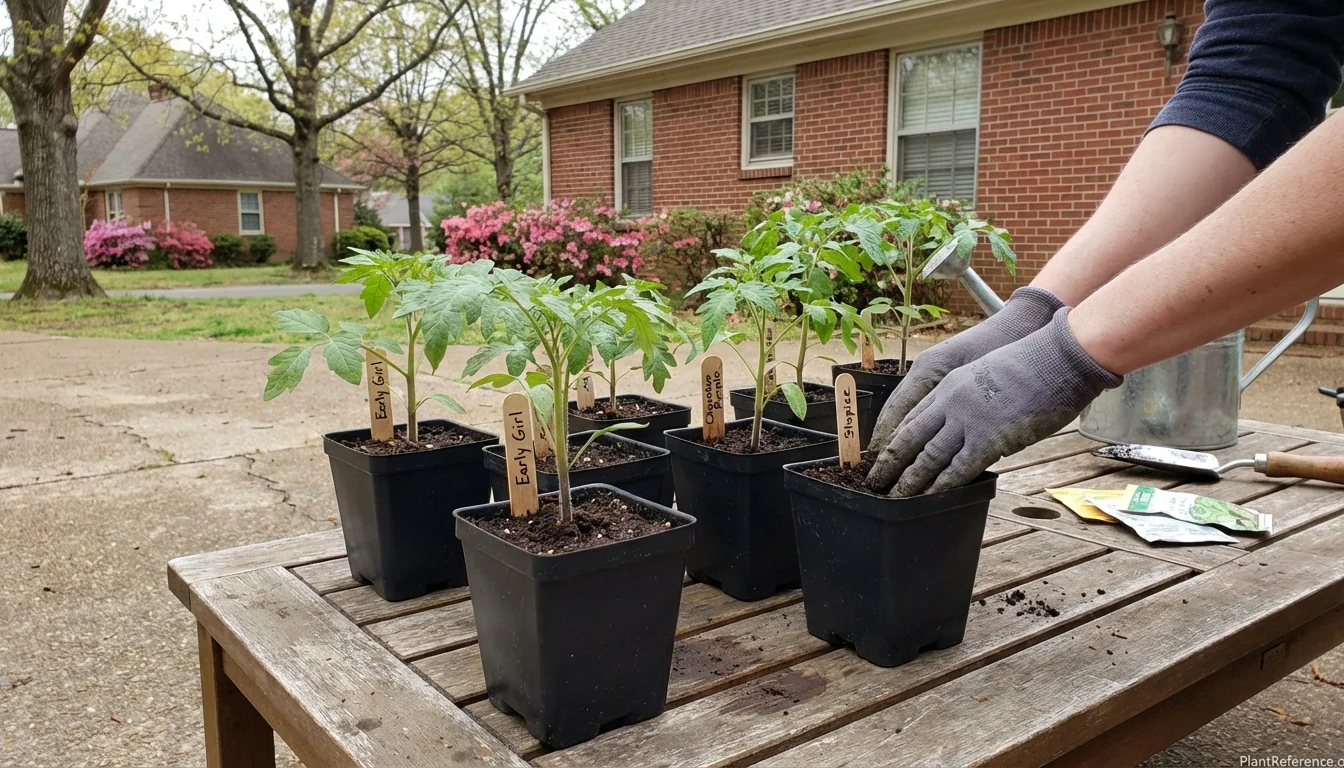
🌿Solanum lycopersicum 'Early Girl' and 🌿Solanum lycopersicum 'Stupice' are your insurance policies. They'll give you a solid harvest by late June before Memphis heat becomes unbearable. Early Girl handles temperature swings better than most varieties, making it perfect for Memphis's unpredictable spring weather.
Disease-Resistant Varieties for Humid Conditions:
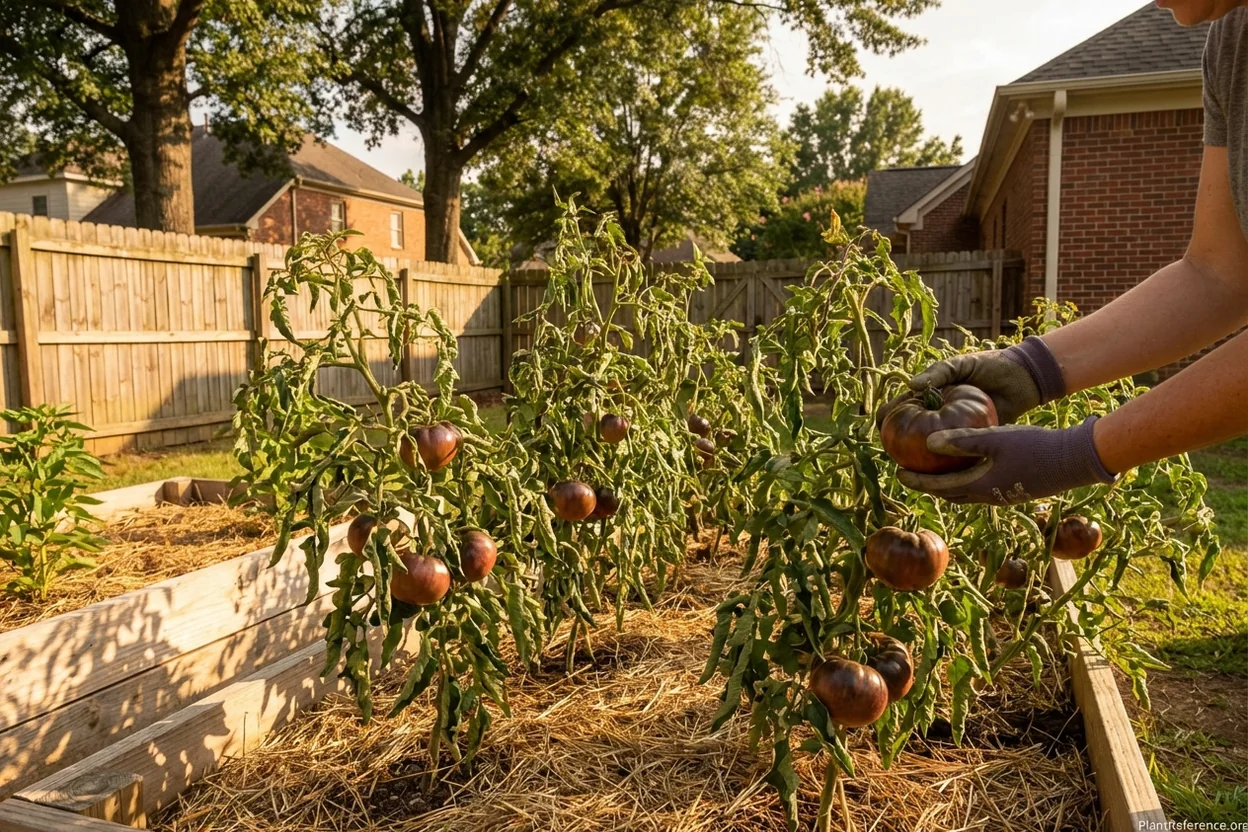
Memphis's humidity creates perfect conditions for fungal diseases. 🌿Solanum lycopersicum 'Celebrity' carries VFN resistance (Verticillium, Fusarium, Nematodes), which matters more than you might think. I've seen entire crops wiped out by soil-borne diseases that resistant varieties shrug off.
The VF resistance protects against wilt diseases that love Memphis's warm, moist soil. The N resistance guards against root-knot nematodes, which are common in Tennessee clay soils that have grown tomatoes repeatedly.
Specific Planting Dates for Memphis
Memphis's Zone 7b climate gives you flexibility, but timing still matters. I start my seeds indoors February 15 every year, regardless of what the weather looks like outside. This gives seedlings 8-10 weeks to develop strong root systems before transplanting.
Indoor Seed Starting Schedule:
February 15: Start seeds indoors using heat mats set to 75-80°F (24-27°C)
February 28: First seedlings emerge; move to bright light
March 15: Pot up seedlings into 4-inch containers
April 1: Begin hardening off process during warm afternoons
April 18-25: Transplant outdoors after soil warms to 55°F (13°C)
Outdoor Transplanting Guidelines:
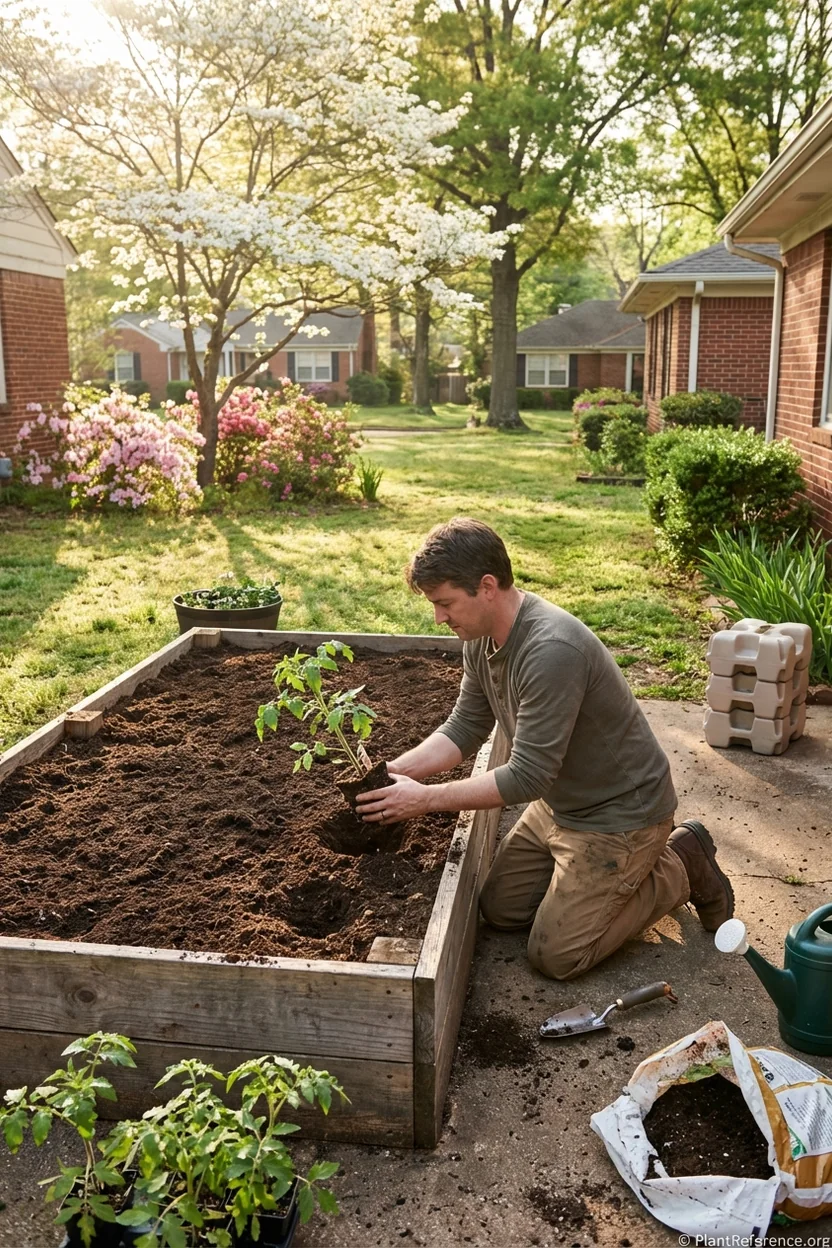
Memphis's average last frost date is April 4, but I always wait until April 18-25 to transplant. Those extra two weeks matter because tomato roots need warm soil to establish properly. Cold soil below 55°F (13°C) stunts root development even if air temperatures are acceptable.
Check soil temperature 4 inches (10 cm) deep first thing in the morning. If it's consistently above 55°F (13°C) for three consecutive days, you're safe to plant. Memphis soils usually reach this temperature by April 18-20 in normal years.
Fall Planting Option:
Memphis gardeners can grow a second crop by starting seeds July 1-15 for transplanting in August. This fall crop often produces better than spring plants because it matures during cooler September and October weather.
Fall tomatoes avoid the worst summer heat and often escape disease pressure that builds up through the growing season. 🌿Solanum lycopersicum 'Early Girl' and 🌿Solanum lycopersicum 'Stupice' work best for fall crops because they mature quickly before frost.
Complete Growing Guide for Memphis
Growing tomatoes successfully in Memphis means managing heat, humidity, and unpredictable weather swings. I've learned to work with Tennessee's climate instead of fighting it.
Soil Preparation for Memphis Gardens:
Memphis sits on clay-heavy soil that drains poorly and stays cold longer in spring. I always work 2-3 inches (5-8 cm) of compost into my beds every fall, which improves drainage and adds organic matter that clay soils desperately need.
Test your soil pH—Memphis clay tends to run slightly acidic (6.0-6.5), which is actually perfect for tomatoes. Don't add lime unless a soil test specifically recommends it. Tomatoes prefer slightly acidic conditions and too much lime creates nutrient lockup problems.
Raised Beds Work Best:
After years of fighting Memphis clay, I switched to raised beds 12 inches (30 cm) high. They drain better, warm up faster in spring, and give you complete control over soil quality. Fill them with a mix of 1/3 compost, 1/3 topsoil, and 1/3 coarse sand or perlite.
Planting and Spacing:
Space indeterminate varieties 24-30 inches (60-75 cm) apart in Memphis gardens. Our long growing season means plants get large, and good air circulation prevents the fungal diseases that thrive in humid conditions.
Plant seedlings deep—bury 2/3 of the stem including the bottom set of leaves. Tomatoes develop roots along buried stems, creating stronger root systems that handle Memphis heat and occasional drought better.
Staking and Support Systems:
Install support systems at planting time. Memphis thunderstorms pack serious wind, and mature tomato plants become top-heavy by July. I use 8-foot (2.4 m) metal stakes or sturdy cages that won't collapse under the weight of a full-grown indeterminate plant.
Mulching Strategy:
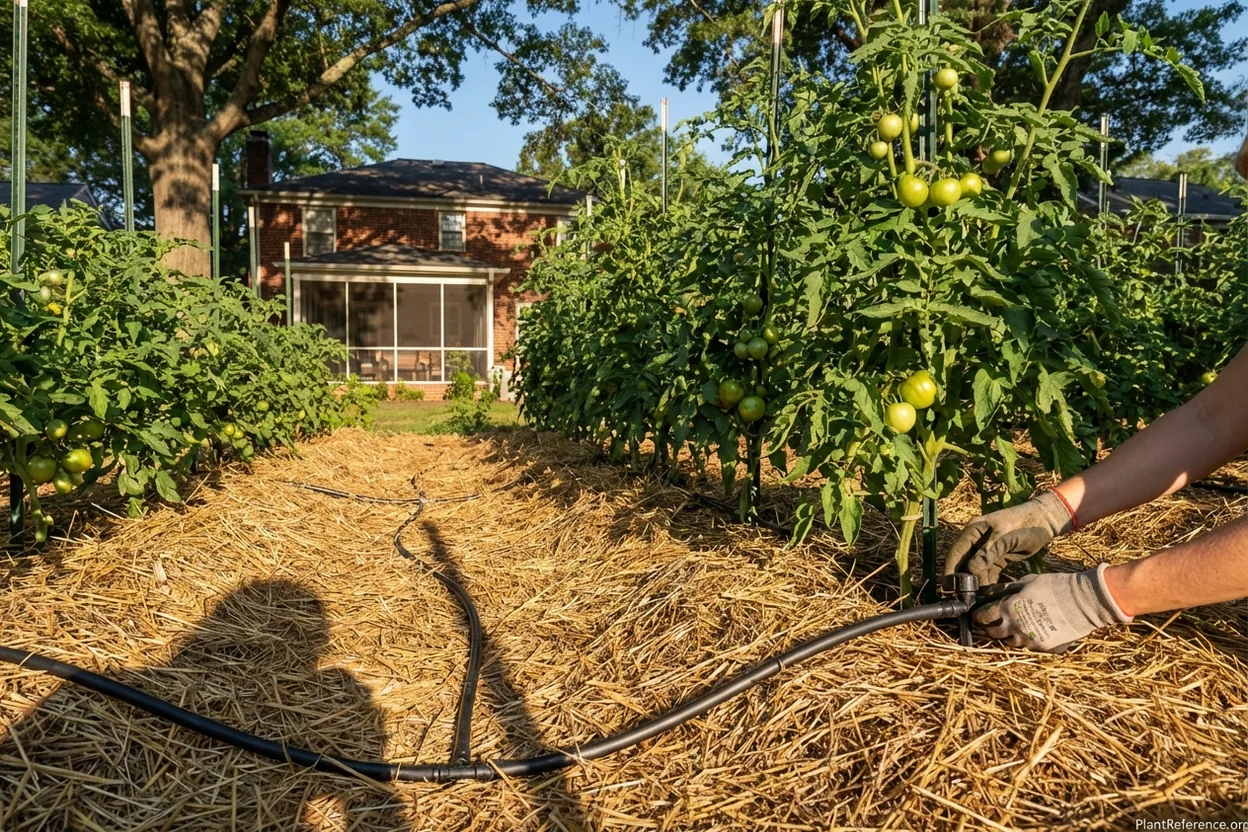
Apply 3-4 inches (8-10 cm) of organic mulch around plants once soil warms up completely in May. Straw, shredded leaves, or wood chips all work well. Mulch keeps soil moisture consistent, suppresses weeds, and prevents soil-borne diseases from splashing onto lower leaves during Memphis's frequent thunderstorms.
Watering Schedule:
Memphis gets about 54 inches (137 cm) of rainfall annually, but it comes irregularly. July and August can be surprisingly dry while spring and fall bring frequent storms.
Water deeply once or twice weekly rather than daily light watering. Deep watering encourages roots to grow down into cooler soil layers where they're protected from surface heat and drought.
Install drip irrigation or soaker hoses if possible. Overhead watering in Memphis's humid climate promotes fungal diseases, especially early and late blight.
Fertilizing Program:
Start with compost and balanced organic fertilizer at planting time. Once fruit sets, switch to lower-nitrogen fertilizer to prevent excessive leaf growth at the expense of fruit production.
Memphis's long growing season means plants need sustained nutrition. I side-dress with compost or aged manure every 4-6 weeks through the season, working it gently into the mulch layer.
Heat Protection Strategies:
Memphis summer heat above 95°F (35°C) stops fruit set on most varieties. Provide afternoon shade during the hottest weeks using shade cloth or strategically placed tall plants like okra or sunflowers.
Morning sun is crucial for tomatoes, but protection from intense 2-6 PM sun helps plants survive Memphis's heat dome conditions that settle in during July and August.
Troubleshooting Memphis-Specific Problems
Memphis gardeners face unique challenges that don't affect northern or western growers. After thirty years of growing tomatoes here, I've learned to anticipate and prevent the most common problems.
Early and Late Blight:
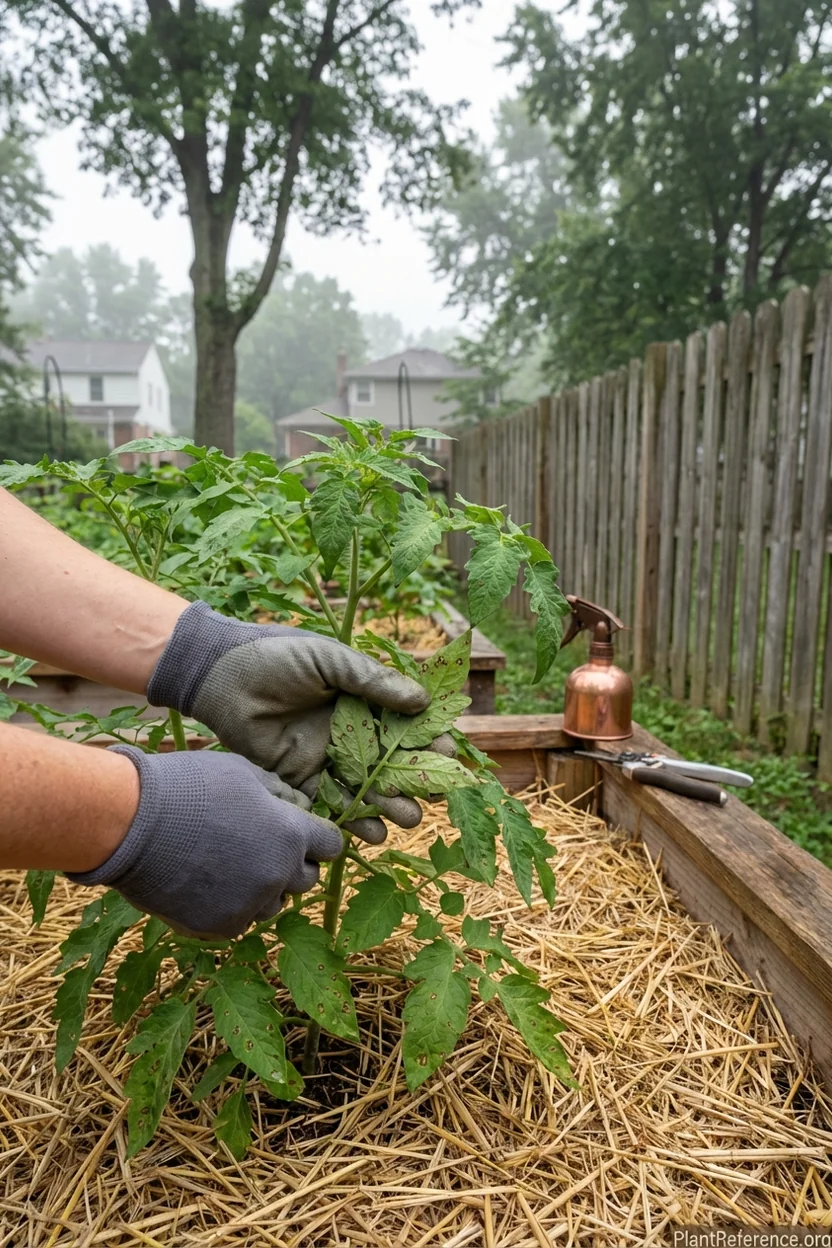
Memphis's humidity and frequent spring thunderstorms create perfect conditions for fungal diseases. Early blight shows up as brown spots with concentric rings on lower leaves, usually by June. Late blight causes black, water-soaked spots that spread rapidly during cool, wet periods.
Prevention: Space plants wider apart for better air circulation. Remove lower leaves that touch the soil. Apply preventive copper fungicide sprays every 2-3 weeks starting in May.
Blossom End Rot:
This physiological disorder shows as black, sunken spots on the bottom of developing fruit. It's caused by inconsistent watering, not calcium deficiency as many people think.
Solution: Maintain consistent soil moisture with mulch and regular watering. Avoid cultivating deeply around plants, which damages feeder roots responsible for water uptake.
Heat Stress and Poor Fruit Set:
When daytime temperatures exceed 90°F (32°C) and nighttime temperatures stay above 75°F (24°C), tomato blossoms drop without setting fruit. This typically happens in Memphis during July and August.
Management: Provide afternoon shade during peak summer. Choose heat-tolerant varieties like 🌿Solanum lycopersicum 'Phoenix' or 🌿Solanum lycopersicum 'Heatmaster'. Focus on early varieties that fruit before extreme heat arrives.
Root-Knot Nematodes:
These microscopic worms damage roots in warm Memphis soils. Plants show stunted growth, yellowing leaves, and poor fruit production despite adequate water and fertilizer.
Prevention: Choose resistant varieties marked with 'N' in their disease codes. Rotate crops annually—never plant tomatoes in the same spot two years running. Soil solarization in summer can reduce nematode populations.
Clay Soil Drainage Issues:
Memphis clay holds too much water after heavy rains, leading to root rot and fungal problems. Plants in waterlogged soil show yellowing leaves and stunted growth.
Solution: Build raised beds or plant in containers. Work organic matter into native soil every year to improve drainage gradually.
Harvest & Storage
Memphis's long 210-day growing season means extended harvest periods from June through October. Early varieties like 🌿Solanum lycopersicum 'Early Girl' start producing by late June, while heat-tolerant varieties continue through September.
Optimal Harvest Timing:
Pick tomatoes at the "breaker" stage—when color just begins changing from green to pink. They'll ripen perfectly indoors and won't split or crack during Memphis's frequent summer thunderstorms.
For best flavor, harvest in the morning after dew dries but before afternoon heat builds. Morning-picked tomatoes have higher sugar content and better texture than those picked during heat stress periods.
Storage Methods:
Ripe tomatoes keep 3-5 days at room temperature in Memphis's humidity. For longer storage, pick green mature fruit before the first frost (usually October 31) and store in single layers. They'll ripen gradually indoors for several weeks.
Preserving the Harvest:
Memphis's heat makes fresh storage challenging, but it's perfect for processing. 🌿Solanum lycopersicum 'Cherokee Purple' makes excellent sauce despite being a slicer, and paste varieties like 🌿Solanum lycopersicum 'San Marzano' concentrate beautifully in Memphis's dry heat.
Can or freeze surplus tomatoes during peak harvest in July and August. Memphis gardeners often get more tomatoes than they can use fresh, especially from productive varieties like 🌿Solanum lycopersicum 'Celebrity'.
Reading about plants and recognising them are different skills. These three build the second.
- Daily PlantIdentify the day’s mystery plant from a close-up photograph.
- Keyed OutWork a dichotomous key, lead by lead, to name a hidden specimen.
- Name That PlantName a specimen from botanical clues dealt hardest first.
Free to play, no account needed
Marcus manages the grounds at a historic property in Memphis and runs a side business doing residential garden design. He grew up helping his grandfather maintain a large vegetable garden in the Mississippi Delta and carried that knowledge into formal training—he has a degree in landscape technology. Memphis sits in a sweet spot for growing: long warm seasons, decent rainfall, and mild enough winters that many marginally hardy plants survive. Marcus writes about Southern gardening traditions, ornamental garden design, and dealing with the humidity and heavy rainfall that define the Mid-South climate.