1 / 7
Annuals
Solanum lycopersicum 'Stupice'
Stupice Tomato
SolanaceaeSouth America
At a Glance
Typeannual vegetable
Habitcompact bushy
Foliagedeciduous
Height3-4 feet
Width24-30 inches
Growing Zones
USDA Hardiness Zones
3a - 10bZone 3a
Zone 3b
Zone 4a
Zone 4b
Zone 5a
Zone 5b
Zone 6a
Zone 6b
Zone 7a
Zone 7b
Zone 8a
Zone 8b
Zone 9a
Zone 9b
Zone 10a
Zone 10b
These zones indicate the coldest temperatures this plant can typically survive.
Frost Tolerancetender
Key Features
Attracts Pollinators
Attracts Butterflies
Deer Resistant
Drought Tolerant
Container Friendly
Maintenancemoderate
Overview
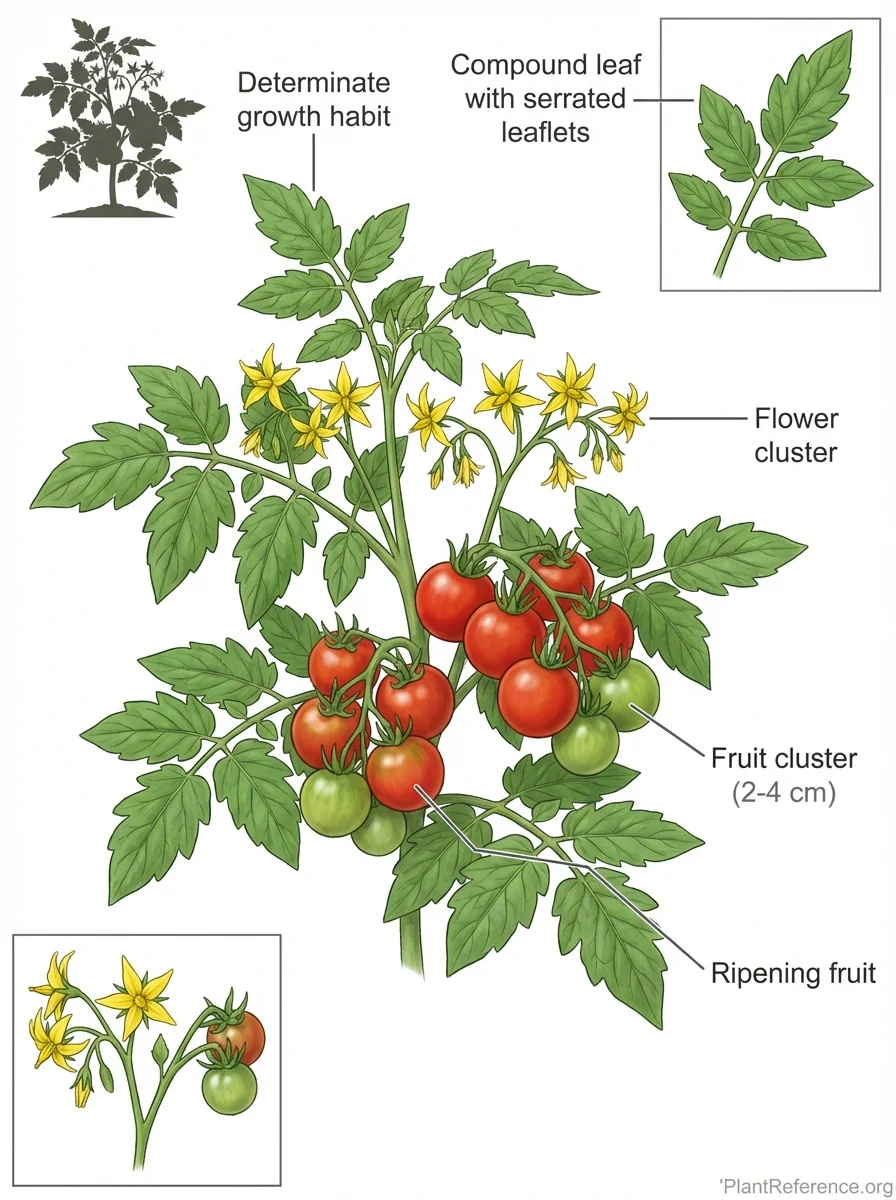
Solanum lycopersicum 'Stupice' is an exceptionally hardy determinate tomato cultivar renowned for its superior cold tolerance and remarkably early fruit production. This Czech heritage variety develops into compact, well-branched plants that typically reach 3-4 feet in height with a dense, bushy growth habit that makes it ideal for smaller garden spaces, raised beds, and container cultivation. The sturdy stems support classic tomato foliage consisting of compound leaves with 7-9 deeply serrated leaflets arranged alternately, displaying rich dark green coloration with the characteristic slightly pubescent texture typical of the nightshade family. The plant produces abundant clusters of small, bright yellow star-shaped flowers with five pointed petals that develop into perfectly uniform, round tomatoes weighing 2-4 ounces each. The fruit ripens to a beautiful deep glossy red with smooth, thin skin and firm, meaty flesh that delivers an exceptional flavor balance of natural sweetness and pleasant acidity. What truly distinguishes Solanum lycopersicum 'Stupice' from other tomato cultivars is its remarkable ability to set fruit and continue ripening even when nighttime temperatures drop below 55°F, making it invaluable for northern gardeners and short-season growing regions where most other varieties would fail to produce quality fruit.
Native Range
Solanum lycopersicum originates from the western highlands of South America, particularly the mountainous regions of Peru, Ecuador, and northern Chile, where wild tomato species continue to flourish in cool, elevated environments. The 'Stupice' cultivar represents a significant breeding achievement from mid-20th century Czechoslovakia, where dedicated plant breeders carefully developed it through selective breeding to enhance cold tolerance and accelerate maturation for Central European climates with their challenging short, cool summers and unpredictable weather patterns.Suggested Uses
Solanum lycopersicum 'Stupice' excels in vegetable gardens, raised bed systems, and large container cultivation, making it particularly valuable for northern gardens and areas with challenging short growing seasons where reliable early production is essential for success. The variety's exceptional cold tolerance and dependable early harvest make it ideal for market gardening and small-scale commercial operations focused on capturing premium early season sales when fresh tomatoes command higher prices. Fresh tomatoes are perfect for immediate consumption, salads, sandwiches, and general cooking applications, while the uniform 2-4 ounce fruit size makes them excellent for canning, preserving, and sauce-making projects. The compact growth habit suits intensive growing methods and makes it an outstanding choice for urban gardening and small-space food production where maximizing yield in limited areas is crucial for gardening success.How to Identify
Appearance
Size & Dimensions
Height3' - 4'
Width/Spread2' - 2'6"
Colors
Flower Colors
yellow
Foliage Colors
green
Bloom Information
Bloom Period
~26 weeksJ
F
M
A
M
J
J
A
S
O
N
D
SummerFall
Detailed Descriptions
Flower Description
bright yellowFoliage Description
dark green with slightly fuzzy textureGrowing Conditions
Sun Requirements
Full Sun
• Full Sun: 6+ hours of direct sunlight
• Partial Shade: 3-6 hours of direct sunlight
• Full Shade: Less than 3 hours of direct sunlight
Soil Requirements
pH Range6.0 - 7.0(Neutral)
357912
Drainage
well drained
Water & Climate
Water Needs
moderate to high
Frost Tolerance
tender
Time to Maturity
52-60 days from transplant
Drought Tolerance
Drought tolerant when established
Care & Maintenance
Care Guide
Solanum lycopersicum 'Stupice' thrives with consistent deep watering and full sun exposure for optimal fruit production and superior flavor development. Provide approximately 1-1.5 inches of water weekly, watering deeply but less frequently to encourage robust root development and improve overall drought resistance during hot summer periods. Apply a 2-3 inch layer of organic mulch around plants to retain soil moisture, regulate soil temperature, and suppress competing weeds that can harbor destructive pests and diseases. Begin feeding with a balanced fertilizer (10-10-10) at transplanting, then transition to a lower-nitrogen, higher-phosphorus and potassium formula once flowering begins to promote fruit development over excessive vegetative growth. Despite their compact nature, provide sturdy support with tomato cages or stakes as heavy fruit clusters can cause branch breakage and significantly reduce harvest quality. Monitor regularly for common tomato pests including hornworms, aphids, and whiteflies, and watch for diseases such as early blight and bacterial spot, particularly during humid conditions with poor air circulation around plant bases.Pruning
Solanum lycopersicum 'Stupice' requires minimal pruning due to its determinate growth pattern, but benefits from strategic maintenance pruning throughout the growing season to maximize production and plant health. Remove suckers that emerge between main stems and side branches to direct plant energy into fruit production rather than excessive foliage development that can reduce overall yield and air circulation. Prune away lower leaves that contact soil to prevent soil-borne disease transmission and improve air circulation around the plant base, which is particularly important in humid climates prone to fungal issues like early blight. Throughout the growing season, remove any diseased, damaged, or yellowing foliage promptly to maintain overall plant health and prevent disease spread to neighboring plants. Since this is a determinate variety with a predetermined growth and fruiting pattern, avoid heavy pruning of main growing tips which would significantly reduce total fruit yield and disrupt the plant's natural production cycle.Pruning Schedule
J
F
M
A
M
J
J
A
S
O
N
D
summer
Maintenance Level
moderateContainer Growing
✓ Suitable for container growing
Minimum container size: 5 gallons
⚠️ Toxicity Warning
Green parts of Solanum lycopersicum 'Stupice' including leaves, stems, and unripe green fruit contain solanine and other glycoalkaloids that are toxic to humans and pets if consumed in significant quantities, potentially causing digestive upset, nausea, and more serious symptoms. Ripe red tomatoes are completely safe and nutritious for consumption by humans and most pets. Keep children and pets away from plant foliage and green fruit to prevent accidental ingestion that could cause adverse health effects.Planting Guide
Planting Methods & Timing
Planting Method
transplant
Indoor Start
6 weeks before last frost
Direct Sow Timing
not recommended - start indoors for transplanting
Days to Maturity
52–60 days
Plant Spacing
24 inches
Companion Planting
Good Companions
basil
marigolds
carrots
parsley
peppers
onions
garlic
nasturtiums
Avoid Planting With
fennel
brassicas
corn
potatoes
walnut trees