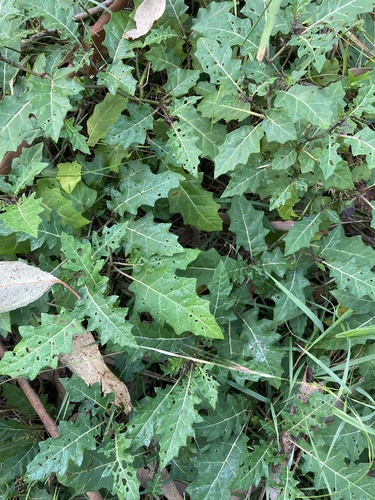
Solanum, Genus, prinophyllum, Species,
- Genus & species
forest nightshade
Overview
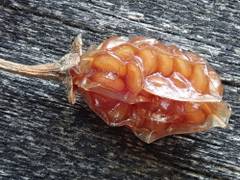
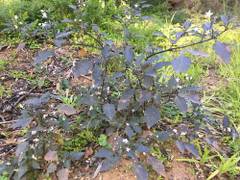
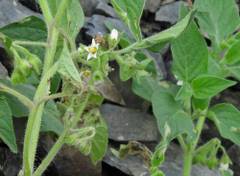
A prickly, short-lived herb reaching 12-40 inches (30-100 cm) tall and 12-24 inches (30-60 cm) wide, with stems and leaf veins armed with straight yellow prickles 0.1-0.4 inch (3-10 mm) long. Leaves ovate, deeply lobed, 2-6 inches (5-15 cm) long, green, with star-shaped hairs and scattered prickles on both surfaces. Flowers star-shaped, 0.6-1 inch (1.5-2.5 cm) across, purple to violet with a yellow central cone of anthers, in small clusters. Flowering occurs spring through autumn. Fruit a round berry 0.4-0.6 inch (10-15 mm) wide, green ripening to yellow, containing many flat seeds. Growth is fast in warm, disturbed ground. All parts contain solanine alkaloids and are toxic if eaten. The prickles can pierce skin.
Native Range
Native to eastern Australia in Queensland, New South Wales, and Victoria. Grows in open forest, woodland clearings, and disturbed ground such as tracks and clearings, usually on moist, fertile soils.Suggested Uses
Occurs as a colonizer of disturbed ground and woodland clearings rather than a cultivated ornamental. In native habitat plantings it is spaced 18-24 inches (45-60 cm) apart. The toxic berries and prickly stems limit its use near children and livestock.How to Identify
Appearance
Size & Dimensions
Height1' - 3'4"
Width/Spread1' - 2'
Bloom Information
Detailed Descriptions
Flower Description
Purple to violetFoliage Description
GreenGrowing Conditions
Sun Requirements
Requires 4-8 hours of direct sunlight daily
• Full Sun: 6+ hours of direct sunlight
• Partial Shade: 3-6 hours of direct sunlight
• Full Shade: Less than 3 hours of direct sunlight
Care & Maintenance
Care Guide
Grows readily in disturbed, fertile soils with seasonal moisture and needs little care once established. Tolerates full sun to part shade. Self-seeds freely, producing many volunteer seedlings around the parent plant. All parts contain solanine alkaloids and are toxic to people and livestock if eaten. The straight prickles on stems and leaves can cause skin injury. Plants are short-lived and often behave as annuals in cooler districts.Pruning
Cut back spent stems after fruiting to limit self-seeding. Remove whole plants before berries ripen where spread is not wanted. The prickles make handling difficult. No formative pruning is required.Pruning Schedule
Prune: April–May
fall