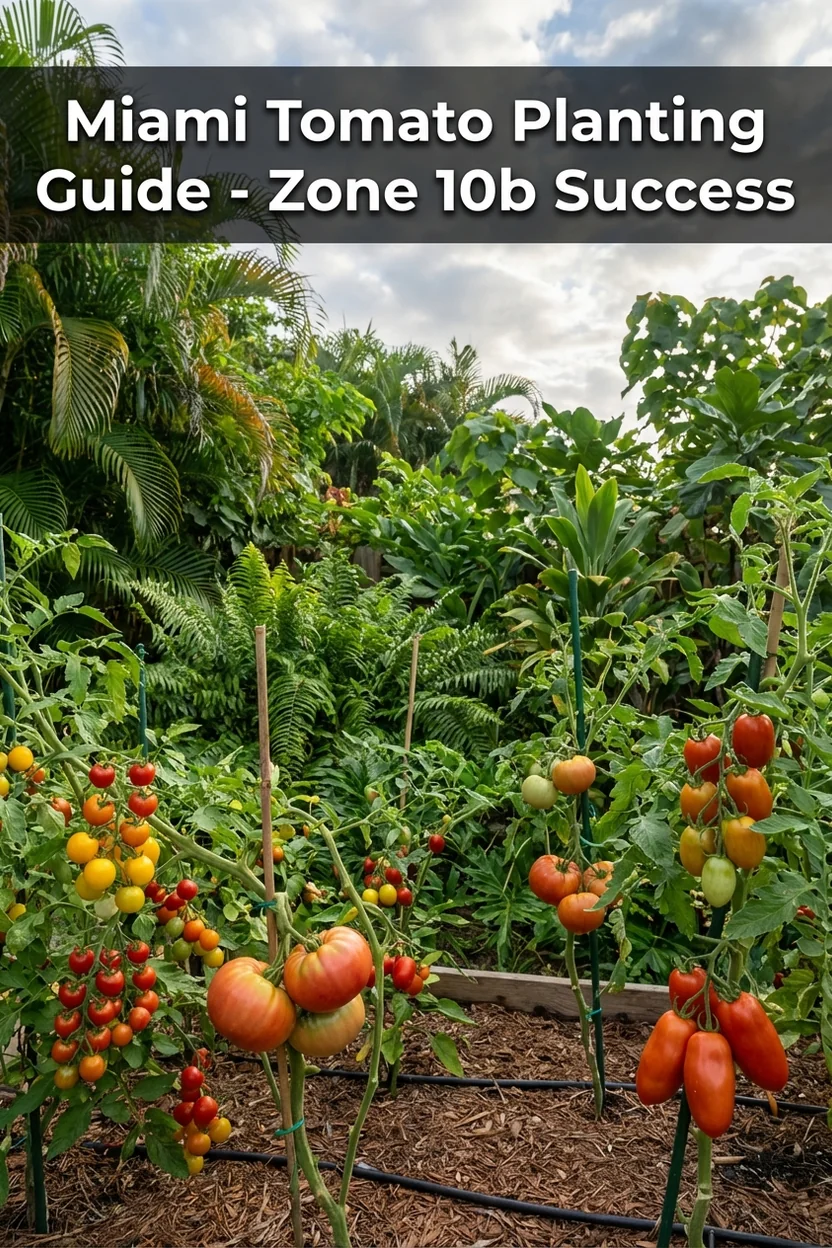
When to Plant Tomatoes in Miami: Complete Guide + Best Varieties for Zone 10b
Pets & Toxicity
Recorded toxicity for plants linked in this guide. An unknown status is not a safety assessment.
Toxic to pets: Surefire red tomato, phoenix tomato, Stupice tomato and 2 moreDetailsHide
Solanum lycopersicum 'Surefire Red' — Toxicity Warning
Toxic to petsView Solanum lycopersicum 'Surefire Red' plant profileSolanum lycopersicum 'Phoenix' — Toxicity Warning
Toxic to petsView Solanum lycopersicum 'Phoenix' plant profileSolanum lycopersicum 'Stupice' — Toxicity Warning
Toxic to petsView Solanum lycopersicum 'Stupice' plant profileSolanum lycopersicum 'Iron Lady' — Toxicity Warning
Toxic to petsView Solanum lycopersicum 'Iron Lady' plant profileSolanum lycopersicum 'Black Cherry' — Toxicity Warning
Toxic to petsView Solanum lycopersicum 'Black Cherry' plant profile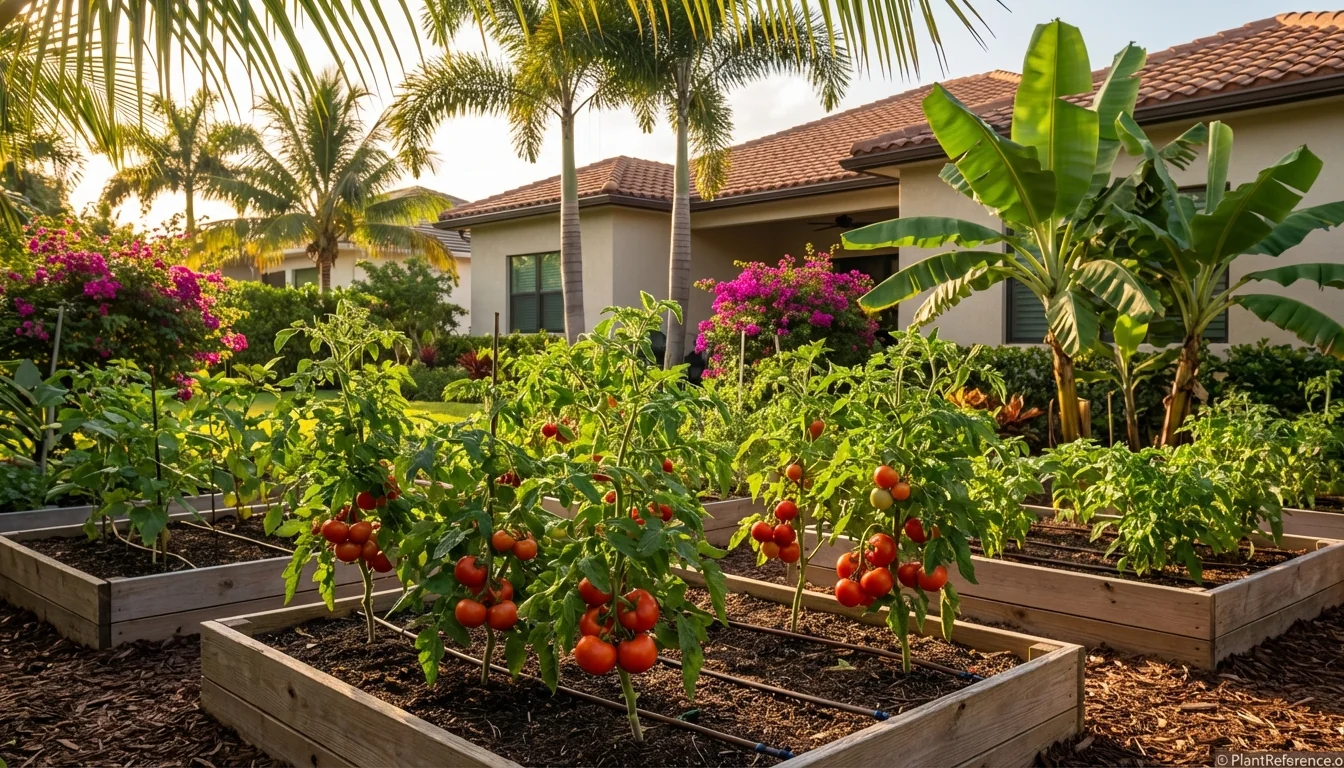
— Image © Plant Reference 2026
Growing tomatoes in Miami presents unique challenges and opportunities that most gardening guides don't address. While northern gardeners battle frost dates and short seasons, Miami's subtropical Zone 10b climate means no frost but intense summer heat that can kill tomato plants.
The secret to Miami tomato success is thinking backwards—winter is your prime growing season, not summer. I've been growing vegetables in South Florida for forty years, and the biggest mistake I see newcomers make is trying to grow tomatoes like they did up north. Down here, December feels like April, and July will kill your plants faster than a hard freeze.
Best Tomato Varieties for Miami's Zone 10b Climate
Not all tomato varieties can handle Miami's unique combination of heat, humidity, salt air, and intense UV radiation. After decades of testing, these six varieties consistently produce in our subtropical conditions.
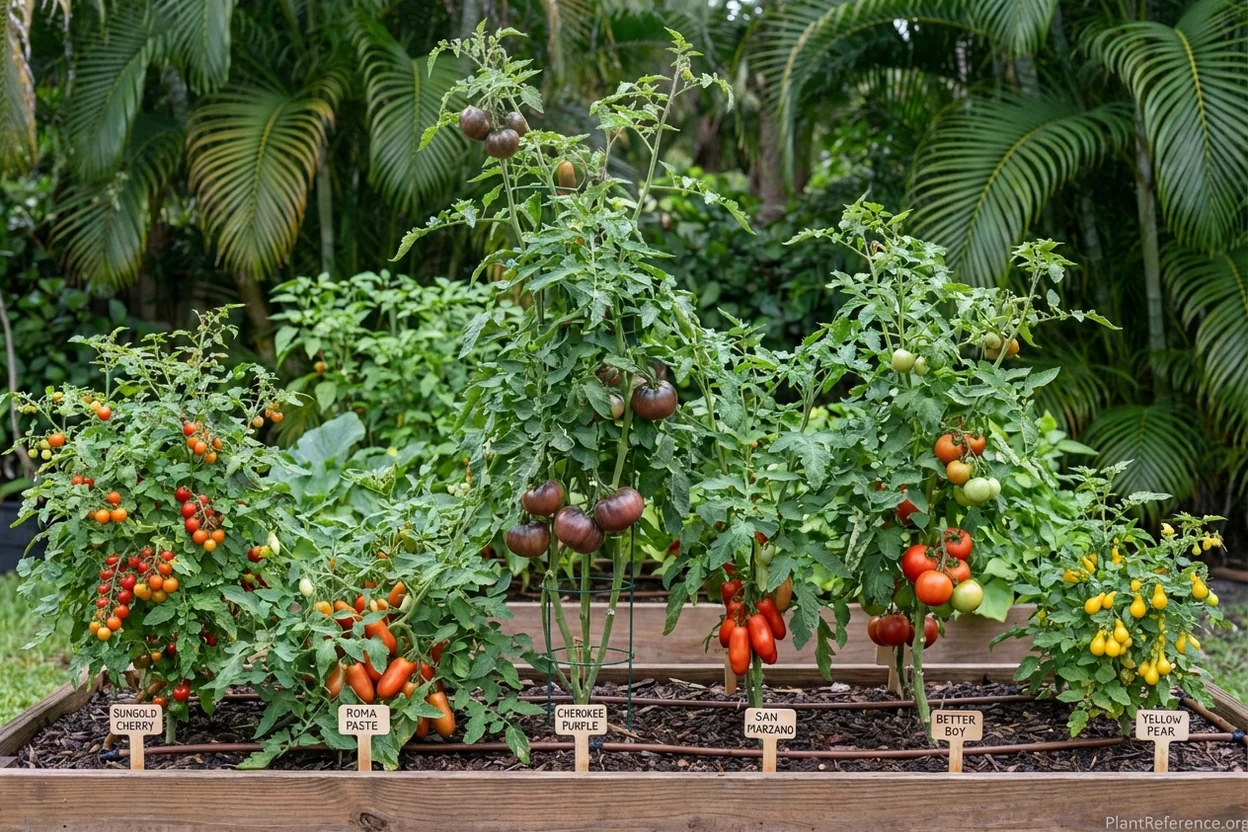
Variety | Days to Maturity | Best For | Notes for Miami |
|---|---|---|---|
70-80 days | Heat tolerance | Sets fruit even in 90°F+ weather | |
65-75 days | Disease resistance | Bred specifically for hot, humid climates | |
60-70 days | Cool season growing | Best for December-February planting | |
70-80 days | Consistent production | Determinate habit perfect for containers | |
75-85 days | Disease package | TSWV resistance crucial for South Florida | |
60-70 days | Flavor in heat | Only cherry that maintains taste in summer |
Heat Champions: Varieties That Thrive
🌿Solanum lycopersicum 'Surefire Red' stands as the gold standard for Miami growing. This determinate hybrid was developed at University of Florida specifically for our climate. It sets fruit reliably even when nighttime temperatures stay above 75°F (24°C), something most tomatoes can't do. I've harvested 15-20 pounds per plant during optimal growing seasons.
🌿Solanum lycopersicum 'Phoenix' lives up to its name—this variety rises from the heat that kills other tomatoes. It's an indeterminate that produces medium-sized fruit throughout the growing season. The key advantage is its ability to recover from heat stress that would permanently damage other varieties.
Disease Fighters: Built for Humidity
Miami's year-round humidity creates a paradise for fungal diseases. 🌿Solanum lycopersicum 'Iron Lady' carries the most comprehensive disease resistance package available, including resistance to Tomato Spotted Wilt Virus (TSWV), which thrips spread aggressively in South Florida.
🌿Solanum lycopersicum 'Stupice' may seem like an odd choice for the tropics, but this cold-climate variety has proven surprisingly adaptable to Miami winters. Plant it in December, and you'll harvest by February—perfect timing before spring heat arrives.
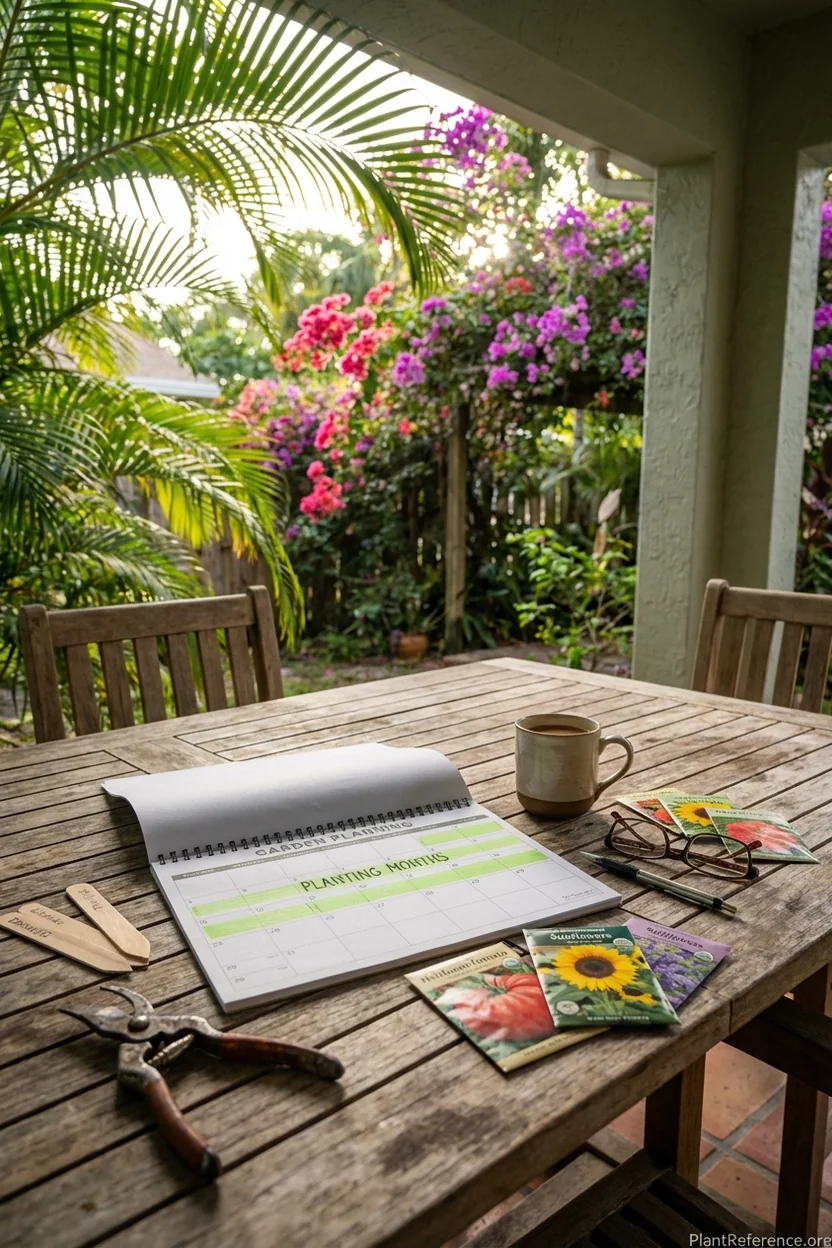
Specific Planting Dates for Miami
Miami's growing calendar operates on completely different principles than temperate climates. Instead of frost dates, we work around heat stress and hurricane season.
Prime Season: October 1 - December 15
This is Miami's sweet spot for tomato planting. Daytime temperatures drop into the comfortable 80s°F (27-32°C), nighttime temperatures fall to the 70s°F (21-26°C), and humidity levels decrease slightly. Hurricane season officially ends November 30, reducing storm risk.
October 1-31 Planting: Seeds started in late August, transplanted in October. This timing allows plants to establish during the hottest part of the year but begin flowering as temperatures moderate. Harvest typically begins in December and continues through March.
November 1-December 15 Planting: The most reliable planting window. Seeds started in September, transplanted November-December. Plants establish quickly in Miami's mild winter weather and produce heavily January through April.
Secondary Season: February 1 - March 15
Late winter planting works for quick-maturing varieties like 🌿Solanum lycopersicum 'Stupice' and 🌿Solanum lycopersicum 'Black Cherry'. These plants race to maturity before May heat arrives.
Timing Strategy: Start seeds in December, transplant February-March. You'll get 8-10 weeks of production before heat stress begins. This window works best for determinate varieties that produce their entire crop quickly.
Why Summer Fails: May Through September
Most tomato varieties stop setting fruit when nighttime temperatures exceed 75°F (24°C) consistently. Miami's average nighttime summer temperature is 79°F (26°C). Daytime temperatures regularly exceed 90°F (32°C), causing pollen sterility and flower drop.
Combined with afternoon thunderstorms, hurricane threats, and peak pest pressure, summer tomato growing in Miami is mostly futile unless you have climate-controlled greenhouse space.
Complete Growing Guide for Miami
Success in Miami requires adapting traditional tomato techniques to subtropical realities. Soil, water, and protection strategies all differ from temperate climate approaches.
Soil Preparation for Sandy Conditions
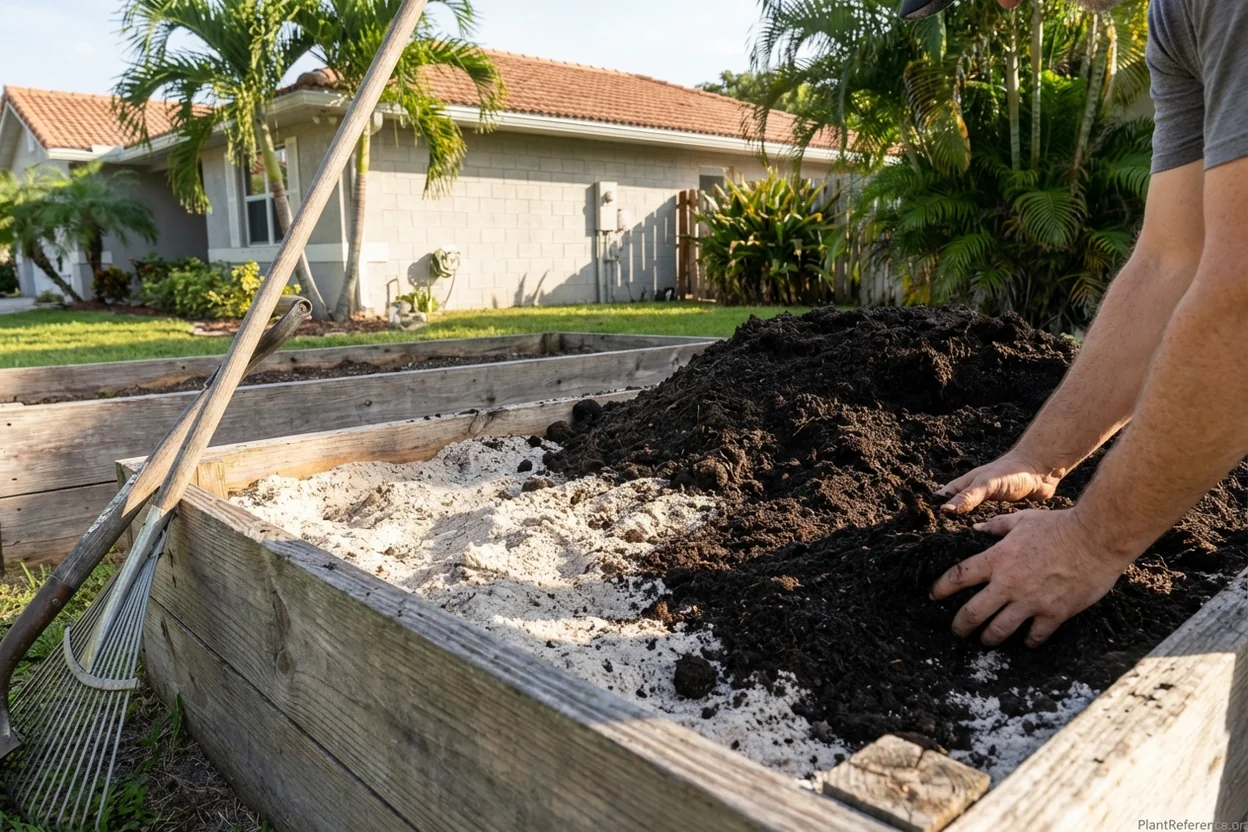
Miami's sandy soils drain rapidly but lack organic matter and nutrients. Most residential areas sit on sand with minimal topsoil.
Soil Amendment Protocol: Mix native sand 50/50 with quality compost. I use a combination of aged cow manure, coconut coir, and mushroom compost. This blend retains moisture while maintaining the drainage tomatoes require.
pH Management: Miami's sandy soils tend toward neutral (pH 7.0-7.5) but can become alkaline from coral rock base. Test annually and acidify with sulfur if pH exceeds 6.8.
Container Growing: Many Miami gardeners succeed better with large containers (20+ gallons) filled with premium potting mix. This allows complete control over soil conditions and easier protection from storms.
Water Management in the Subtropics
Miami's rainfall pattern creates unique irrigation challenges. We receive 60+ inches annually, but it arrives unevenly—drought conditions from November through April, then torrential summer rains.
Dry Season Irrigation (November-April): This coincides perfectly with tomato growing season. Drip irrigation becomes essential. Sandy soils drain so rapidly that overhead sprinklers waste water and promote fungal diseases.
Container Watering: Containers in Miami's heat and wind dry out rapidly. During peak growing season (January-March), large containers may need daily watering. Self-watering systems or reservoirs help maintain consistent moisture.
Mulching Strategy: Apply 3-4 inches of organic mulch around plants but keep it 2 inches away from stems. Good options include shredded hardwood, pine straw, or coconut coir. Mulch prevents soil splash (reducing disease) and moderates soil temperature.
Storm and Wind Protection
Miami's position in hurricane alley requires planning for severe weather, even during tomato growing season.
Structural Support: Use heavy-duty tomato cages or stake systems rated for high winds. Standard wire cages fail in tropical storms. I prefer 6-foot steel T-posts with cross-bracing.
Container Mobility: Keep container plants on wheeled platforms so they can be moved to protected areas during storms. A covered patio or garage provides adequate temporary shelter.
Recovery Strategies: After storms, prune damaged branches immediately and increase air circulation to prevent fungal infections. Many plants recover surprisingly well from wind damage if properly supported.
Troubleshooting Miami-Specific Problems
Miami's unique climate creates problems rarely seen in temperate zones. Here's how to identify and solve the most common issues.
Heat Stress and Flower Drop
Problem: Plants grow vigorously but produce few fruits, with flowers dropping before setting.
Cause: Nighttime temperatures above 75°F (24°C) prevent proper pollen formation. Miami's summer nights rarely cool below this threshold.
Solution: Time plantings for cooler months (October-March). Provide afternoon shade during transition periods using shade cloth. Water consistently to help plants manage heat stress.
Salt Air Damage
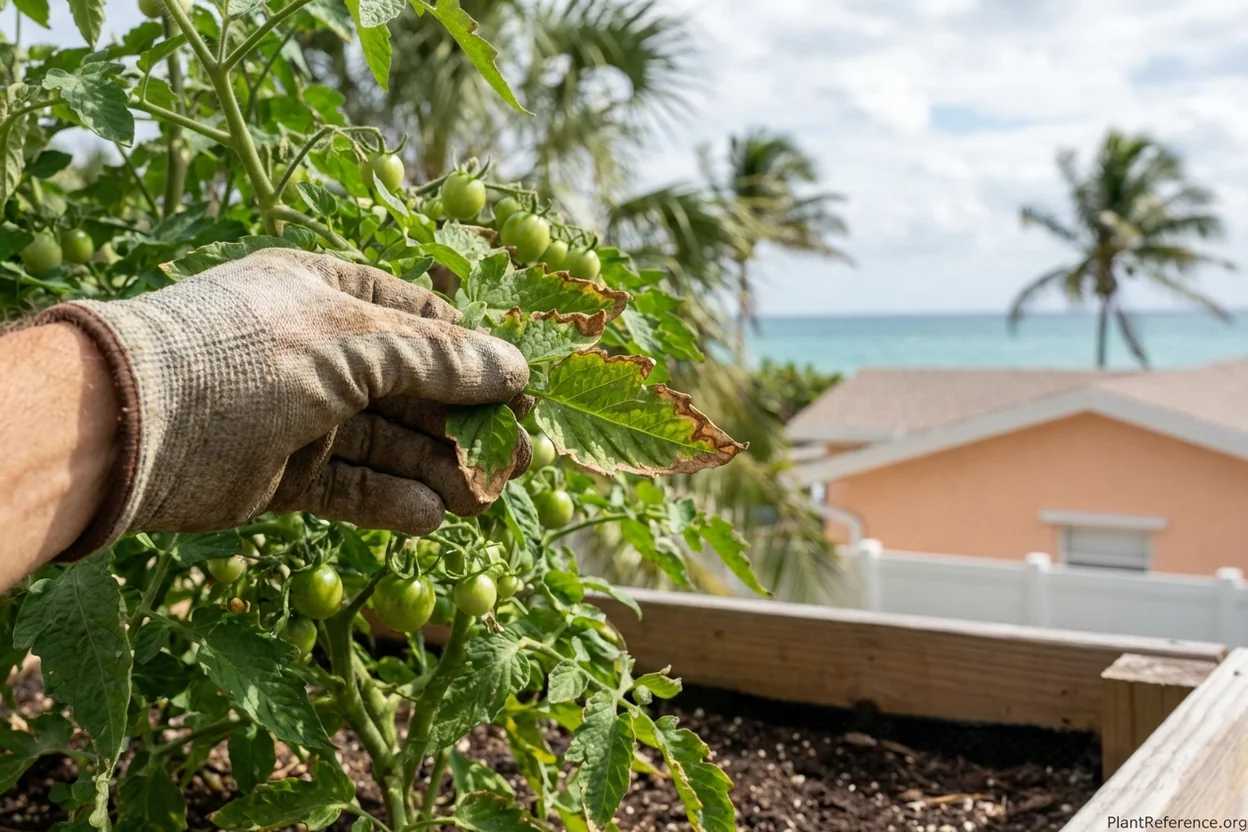
Problem: Leaf margins turn brown and crispy, especially during windy periods.
Cause: Salt spray from nearby ocean or bay carried by prevailing winds.
Solution: Rinse foliage weekly with fresh water if you live within 2 miles of saltwater. Choose varieties with thicker, more resistant foliage. Install windbreaks using native plants like coontie or firebush.
Nematode Infestation
Problem: Plants appear stunted, yellowing despite adequate fertilization. Root examination shows galls or knots.
Cause: Root-knot nematodes thrive in Miami's sandy soils and warm temperatures year-round.
Solution: Soil solarization during summer months (cover with clear plastic for 6-8 weeks). Rotate with nematode-resistant cover crops like marigolds. Consider container growing for valuable heirloom varieties.
Whitefly and Virus Pressure
Problem: Clouds of tiny white insects when plants are disturbed, followed by yellowing and stunted growth.
Cause: Silverleaf whiteflies and sweet potato whiteflies transmit multiple virus diseases including TYLCV (Tomato Yellow Leaf Curl Virus).
Solution: Use reflective mulch to confuse whiteflies. Install fine mesh row covers during establishment. Choose varieties with TYLCV resistance like 🌿Solanum lycopersicum 'Iron Lady'.
Harvest & Storage
Miami's year-round growing season means harvest strategies differ from traditional approaches. Peak harvest occurs during Miami's "winter" months when temperatures are most favorable.
Optimal Harvest Timing
Winter Harvest (December-March): This represents peak tomato season in Miami. Fruits ripen slowly in cooler temperatures, developing better flavor than quick-ripened summer fruit elsewhere.
Quality Indicators: Harvest when fruits show full color but still feel firm. Miami's high humidity can cause overripe fruit to split or develop soft spots quickly.
Daily Picking: Check plants daily during peak season. Fruit can go from perfect to overripe in 24 hours during warm spells.
Storage in Humid Conditions
Miami's year-round humidity creates unique storage challenges for fresh tomatoes.
Short-term Storage: Keep ripe tomatoes at room temperature for maximum flavor, but use within 3-4 days due to humidity. Refrigerate only if you need to extend storage, knowing flavor will diminish.
Green Tomato Ripening: Before hot weather arrives (typically early May), harvest all remaining green tomatoes. Wrap individually in newspaper and store in ventilated boxes. They'll ripen over 2-4 weeks.
Processing Options: Peak harvest coincides with Miami's driest months (January-March), making it ideal for processing into sauce, paste, or dehydrated products.
Frequently Asked Questions
Reading about plants and recognising them are different skills. These three build the second.
- Daily PlantIdentify the day’s mystery plant from a close-up photograph.
- Keyed OutWork a dichotomous key, lead by lead, to name a hidden specimen.
- Name That PlantName a specimen from botanical clues dealt hardest first.
Free to play, no account needed
Maria is a tropical plant grower in Miami who maintains a half-acre property packed with palms, fruit trees, and tropical ornamentals. She grew up in Puerto Rico surrounded by tropical plants and moved to South Florida for college, earning a biology degree. Maria worked at a major tropical botanic garden for several years before transitioning to freelance writing and consulting. She specializes in tropical fruit growing, hurricane-resilient landscaping, and the particular challenges of gardening in South Florida—salt air, limestone soil, intense rain, and the threat of tropical storms. Maria's practical about the realities of tropical gardening: it's not paradise if you don't understand what you're dealing with.