Image 1 of 2
1 / 2
Plant Reference
Phaseolus, Genus, vulgaris, Species, 'Blue Lake', Cultivar,
- Genus & species
- Cultivar
blue lake green bean
Cultivar of garden origin (the bush form was selected from the original pole-bean Blue Lake selection); the species {Phaseolus vulgaris} is native to Central America and Mexico where wild common bean species ranged across pre-Columbian agricultural landscapes
Overview
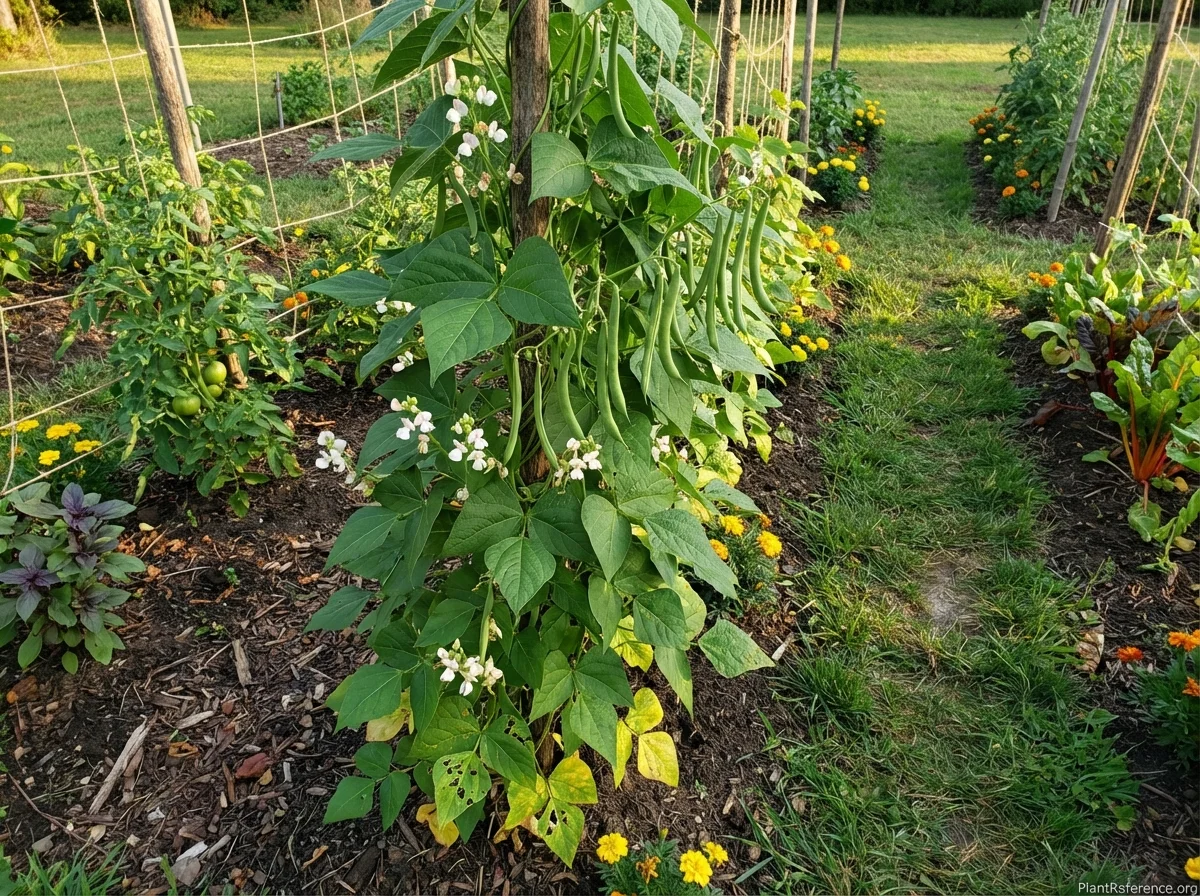
Phaseolus vulgaris 'Blue Lake' is Blue Lake green bean (also known as Blue Lake bush bean), a determinate (bush type) annual reaching 18–24 inches (45–60 cm) tall and 12–18 inches (30–45 cm) wide. The cultivar produces straight round dark green stringless snap pods 5–6 inches (13–15 cm) long with a tender pod texture, maturing in 55–65 days from seed. White pea-shaped flowers open at the leaf axils across the bloom window. Bright green trifoliate compound leaves carry three broadly ovate leaflets at each leaf node across the foliage canopy. The cultivar runs the common snap bean cultivar across North American home gardens and commercial production. Bush (determinate) type means the plant does not require staking or trellising — a labor-saving feature that separates the bush selection from the original pole form of the cultivar. The main crop sets over 2–3 weeks, then production tapers — succession-sowings every 2 weeks support continuous harvest across the full summer season. As a legume, the roots host nitrogen-fixing Rhizobium bacteria, which means the plant supplies its own nitrogen and high-nitrogen fertilizer applications produce excessive foliage at the expense of pod production. Direct-sowing is the only viable establishment method because beans do not transplant. Sowings run after last frost when soil reaches 60°F (16°C). Raw pods carry lectins (phytohemagglutinin) and are cooked before eating to neutralize the lectin content. Mexican bean beetle (Epilachna varivestis) and bean rust (Uromyces appendiculatus) run the primary pest concerns across the growing season. The cultivar runs non-toxic when cooked.
Native Range
Phaseolus vulgaris 'Blue Lake' is a cultivar of garden origin — the bush form was selected from the original pole-bean Blue Lake selection developed near Blue Lake, California in the early 20th century. The species Phaseolus vulgaris is native to Central America and Mexico where wild common bean species ranged across pre-Columbian agricultural landscapes. Domesticated bean cultivation traces to several independent domestication events across Mesoamerica and the Andes around 8,000 years ago.Suggested Uses
Planted in vegetable gardens and containers of at least 3 gallons (11 L) across full-sun positions in any tender-annual climate zone. Bush type means the cultivar requires no trellis or staking infrastructure. The common snap bean cultivar in North American home gardens and commercial production. Direct-sowing only because beans do not transplant. Succession-sowings every 2 weeks across the growing season support continuous harvest. The cultivar is cooked before eating to neutralize raw-pod lectin content.How to Identify
Appearance
Size & Dimensions
Height1'6" - 2'
Width/Spread1' - 1'6"
Bloom Information
Summer (July–September). White pea-shaped flowers open continuously at leaf axils across the bloom window. Self-pollinating. Pods run 55–65 days from seed. The bush type produces the main crop concentrated over 2–3 weeks before production tapers across the late season.
Detailed Descriptions
Flower Description
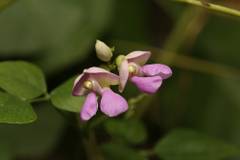
White; small papilionaceous (pea-shaped) flowers 0.5 inch wide held in clusters at leaf axils across the bloom window; gives way to straight round dark green snap podsFoliage Description
Bright green; trifoliate compound leaves carrying three broadly ovate leaflets at each leaf nodeGrowing Conditions
Sun Requirements
Requires 6-10 hours of direct sunlight daily
• Full Sun: 6+ hours of direct sunlight
• Partial Shade: 3-6 hours of direct sunlight
• Full Shade: Less than 3 hours of direct sunlight
Care & Maintenance
Care Guide
Full sun (6+ hours daily) in well-drained soil (pH 6.0–7.0) supports the cultivar's cultivation needs. Direct-sowing is the only viable establishment method because beans do not transplant. Soil temperature at sowing reaches 60°F (16°C) for reliable germination. High-nitrogen fertilizer is held off because the legume roots fix their own nitrogen via Rhizobium bacteria, and excess nitrogen produces foliage at the expense of pod production. Harvesting runs every 2–3 days at the 5–6 inch pod stage. Raw pods carry lectins (phytohemagglutinin), so pods are cooked before eating to neutralize the lectin content. The cultivar runs non-toxic when cooked.Pruning
No pruning runs in standard bean cultivation. Pods are harvested every 2–3 days when 5–6 inches (13–15 cm) long and the pods snap cleanly under finger pressure — overripe pods with visible seed bulges run tough and fibrous in texture and reduce overall harvest quality. Succession-sowings run every 2 weeks across the season for continuous fresh-pod supply.Container Growing
Suitable for container growing
Minimum container size: 3 gallons
Toxicity
Non-toxic when cooked. Raw pods carry lectins (phytohemagglutinin) that cause digestive upset on raw consumption — pods are cooked before eatingPlanting Guide
Planting Methods & Timing
Planting Method
direct sow
Indoor Start
2 weeks before last frost
Direct Sow Timing
After last frost when soil temperature reaches 60 degrees F (16 degrees C)+. Do not start indoors — beans do not transplant well.
Days to Maturity
55–65 days
Plant Spacing
6 inches