When to Plant Green Beans in Charlotte: Complete Guide + Best Varieties for Zone 7b
Pets & Toxicity
Recorded toxicity for plants linked in this guide. An unknown status is not a safety assessment.
No linked plant is recorded as toxicDetailsHide
Phaseolus vulgaris 'Blue Lake' — Toxicity
Non-toxic when cooked. Raw pods carry lectins (phytohemagglutinin) that cause digestive upset on raw consumption — pods are cooked before eatingView Phaseolus vulgaris 'Blue Lake' plant profilePhaseolus vulgaris 'Kentucky Wonder' — Toxicity
Non-toxicView Phaseolus vulgaris 'Kentucky Wonder' plant profilePhaseolus vulgaris 'Purple Queen' — Toxicity
Non-toxicView Phaseolus vulgaris 'Purple Queen' plant profilePhaseolus vulgaris 'Dragon Tongue' — Toxicity
Non-toxicView Phaseolus vulgaris 'Dragon Tongue' plant profile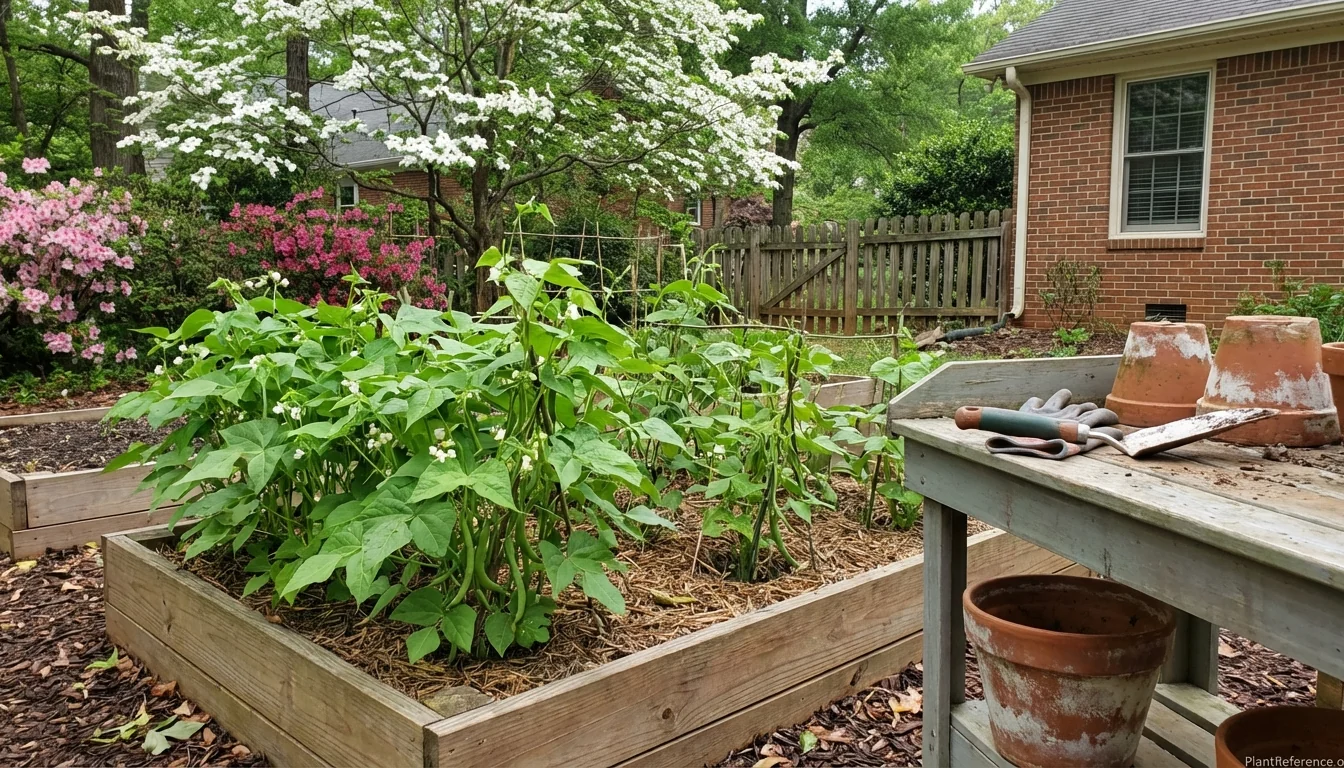
— Image © Plant Reference 2026
Charlotte gardeners have hit the jackpot when it comes to green bean growing. With 214 frost-free days stretching from April 5 to November 5, you can grow multiple successions of bush beans or enjoy extended harvests from pole varieties. I've been growing beans in North Carolina for forty years, and Charlotte's Zone 7b climate is about as good as it gets for consistent, reliable bean production.
Best Green Bean Varieties for Charlotte's Climate
Charlotte's moderate summers and extended growing season make it perfect for both bush and pole bean varieties. The key is matching your variety choice to your garden goals and space constraints.
Variety | Days to Maturity | Best For | Notes for Charlotte |
|---|---|---|---|
50-55 days | Quick harvest, succession planting | Perfect for Zone 7b short rotations, heat tolerant | |
53-60 days | Flat Romano beans, processing | Excellent disease resistance for humid conditions | |
55-60 days | Easy harvesting, novelty | Purple pods visible against foliage, kids love them | |
55-65 days | Premium quality, freezing | Industry standard, performs excellently in Zone 7b | |
55-60 days | Gourmet markets, fresh eating | Heat-sensitive, best for spring and fall crops | |
60-70 days | Continuous harvest, vertical growing | Pole variety ideal for Charlotte's long season |
Bush Varieties for Succession Planting
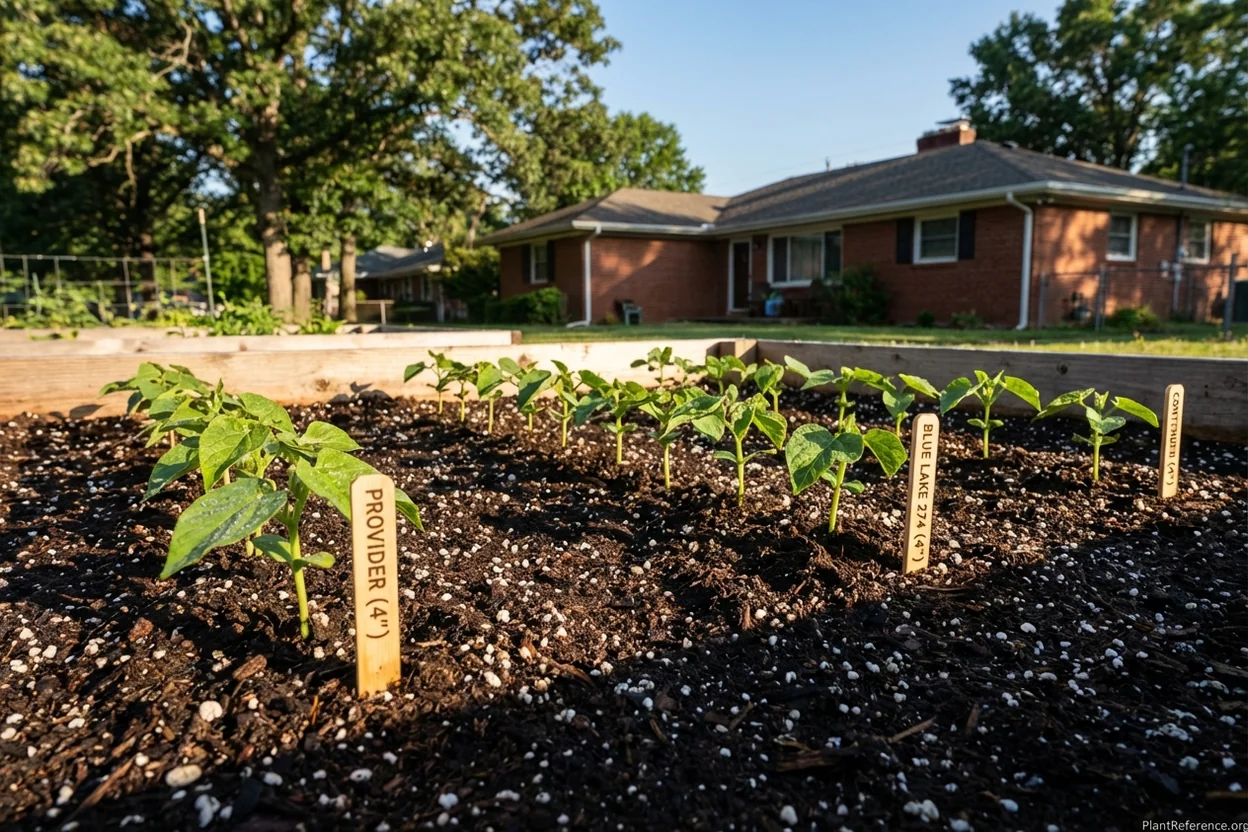
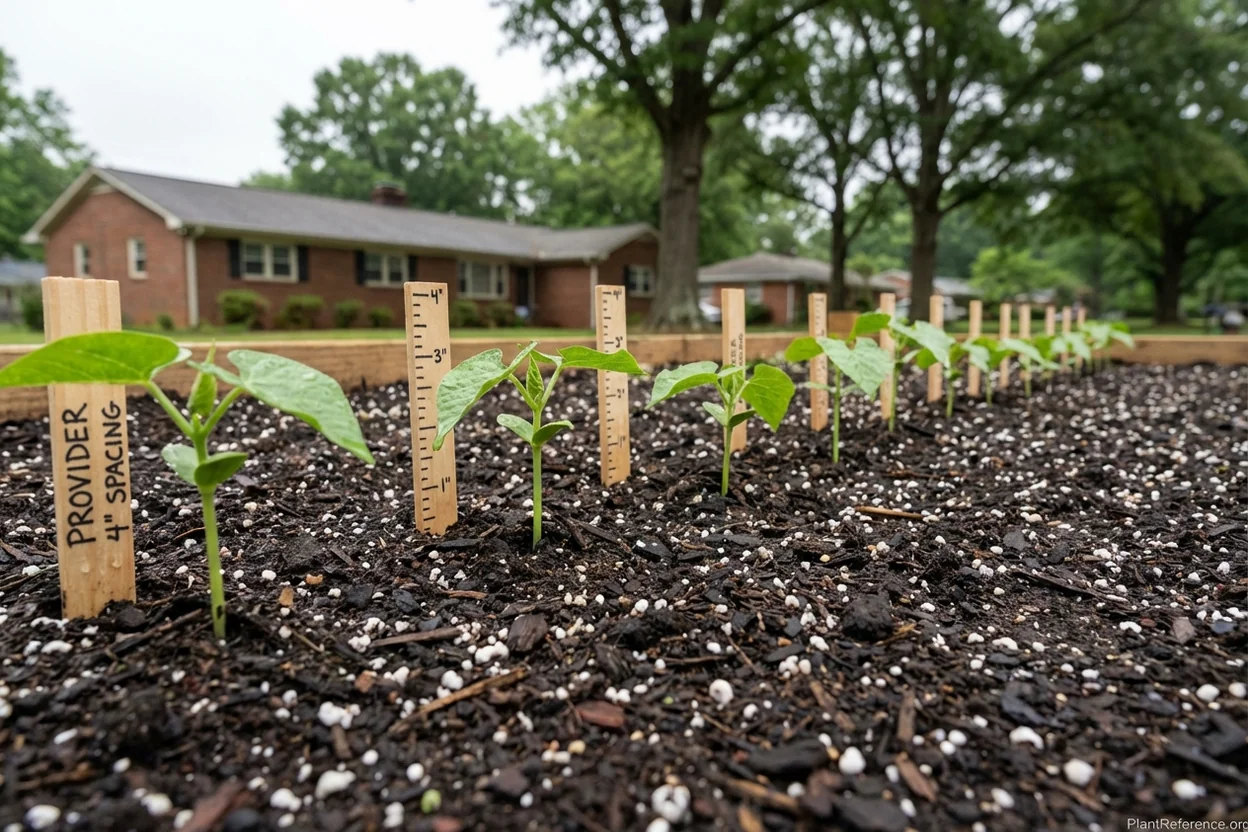
Provider is my go-to recommendation for Charlotte gardeners wanting continuous beans. At 50-55 days to maturity, you can plant every three weeks from mid-April through July and maintain steady harvest. The compact 4-inch spacing allows maximum production in small spaces.
Roma II brings flat, meaty Romano-style pods that hold their quality well in Charlotte's summer humidity. The broader leaves create good ground coverage, helping suppress weeds in between succession plantings.
Blue Lake remains the gold standard for freezing beans. Charlotte's moderate summers prevent the stress that can make pods tough in hotter zones. Plant this variety when you want premium quality for preservation.
Pole Varieties for Extended Harvest
Kentucky Wonder transforms Charlotte's 214-day season into a bean production powerhouse. One planting in mid-May produces beans from July through the first frost in November. The 6-inch spacing accommodates the robust root system needed to support 8-foot vines.
The continuous harvest from pole beans eliminates the need for succession planting while maximizing yield per square foot. Perfect for gardeners who want simplicity with high production.
Specific Planting Dates for Charlotte
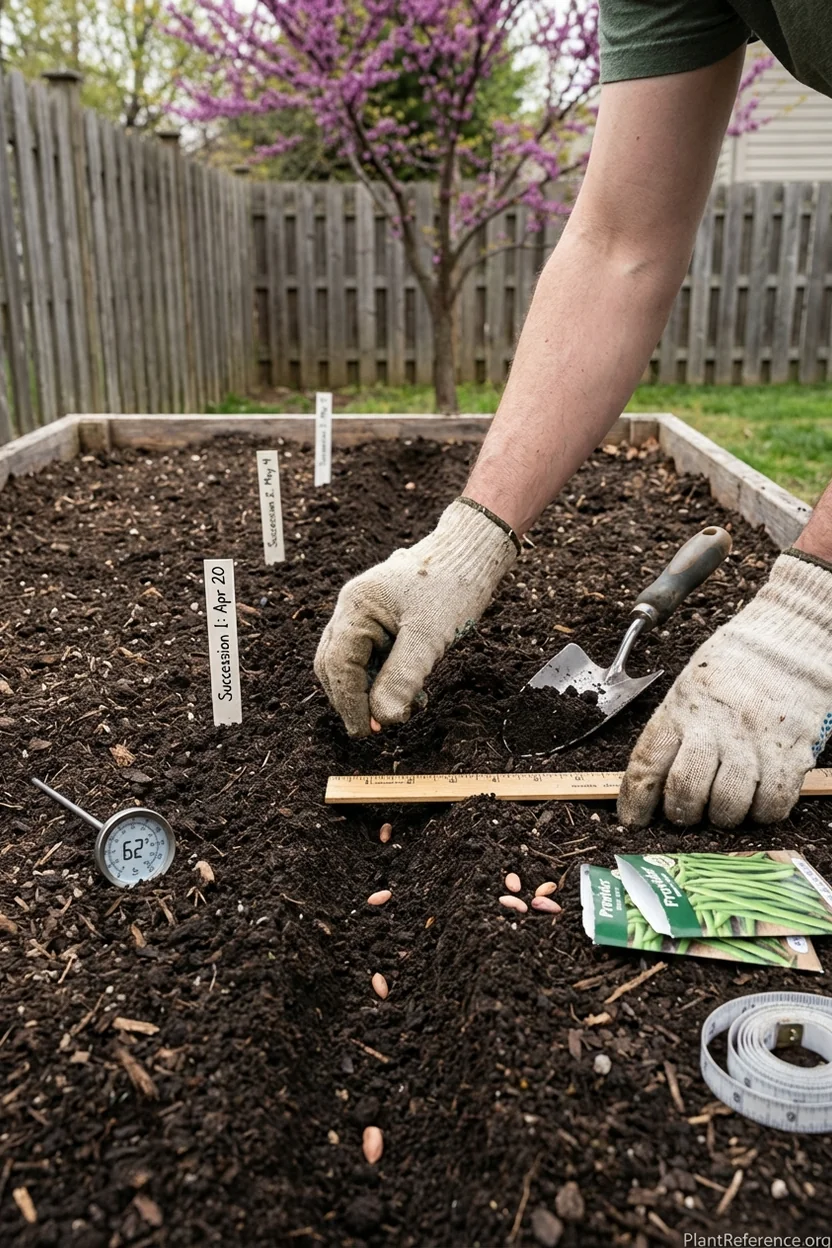
Charlotte's last frost typically occurs around April 5, but soil temperature matters more than air temperature for bean success. Green beans need soil temperatures consistently above 60°F (15°C) for reliable germination.
Spring Planting Schedule
First Planting: April 19-25 - Soil temperature reaches 60°F consistently - Choose early varieties like Provider or Roma II - Use row covers if late cold snap threatens
Second Planting: May 10-15 - All varieties perform well at this timing - Ideal window for Blue Lake and Kentucky Wonder - Soil moisture ideal from spring rains
Third Planting: June 1-7 - Last excellent window for pole beans - Bush varieties still productive - Monitor soil moisture as weather warms
Summer Succession Planting
Fourth Planting: June 20-25 - Focus on heat-tolerant Provider and Roma II - Avoid Dragon Tongue which struggles in summer heat - Ensure consistent irrigation for summer germination
Fifth Planting: July 10-15 - Last practical planting for bush varieties - Choose fastest varieties (Provider at 50 days) - Harvest completes before September heat stress
Fall Planting Strategy
Fall Planting: August 1-10 - Plant 60-70 days before November 5 first frost - Kentucky Wonder excellent for fall production - Cooler temperatures improve pod quality significantly
Calculate your fall planting by counting backward from November 5. Provider (55 days) can be planted as late as August 20, while Kentucky Wonder (70 days) needs to be in the ground by August 1.
Complete Growing Guide for Charlotte
Charlotte's Zone 7b climate offers excellent bean growing conditions, but success requires attention to soil preparation, spacing, and seasonal timing considerations.
Soil Preparation for Charlotte Conditions
Charlotte's clay-heavy Piedmont soils need amendment for optimal bean production. Native clay holds too much moisture during spring rains, leading to seed rot and poor germination.
Work 2-3 inches of compost into planting beds before seeding. This improves drainage while maintaining the moisture retention needed for Charlotte's occasional summer dry spells. The organic matter also feeds soil microorganisms that partner with bean roots for nitrogen fixation.
Test soil pH annually. Charlotte soils often run slightly acidic (5.5-6.0) due to high rainfall. Beans prefer 6.0-6.8 pH for optimal nutrient availability and nitrogen fixation. Apply lime in fall if pH drops below 6.0.
Direct Seeding Techniques
Never transplant beans—the taproot damage isn't worth any time gained. Direct seeding works perfectly in Charlotte's moderate spring conditions.
Plant seeds 1 inch deep in Charlotte's clay-amended soils, 1.5 inches deep in sandier areas of Mecklenburg County. The extra depth in clay prevents soil crusting that can trap emerging seedlings.
Spacing for Bush Varieties: 4 inches apart in rows 18-24 inches wide - Provider, Roma II, Purple Queen use this spacing - High plant density compensates for smaller individual yields - Creates living mulch effect for weed suppression
Spacing for Pole Varieties: 6 inches apart in rows 36-48 inches wide - Kentucky Wonder, Dragon Tongue need extra space - Accommodates trellis structures and root system spread - Allows air circulation to prevent fungal issues
Irrigation Management for Charlotte
Charlotte receives 43 inches of annual rainfall, but distribution varies dramatically by season. Spring typically provides adequate moisture, while summer dry spells require supplemental irrigation.
Germination Phase (Days 0-14): Keep soil surface consistently moist but not waterlogged. Charlotte's clay soils retain moisture well, but surface crusting can prevent emergence. Light daily watering may be needed during dry springs.
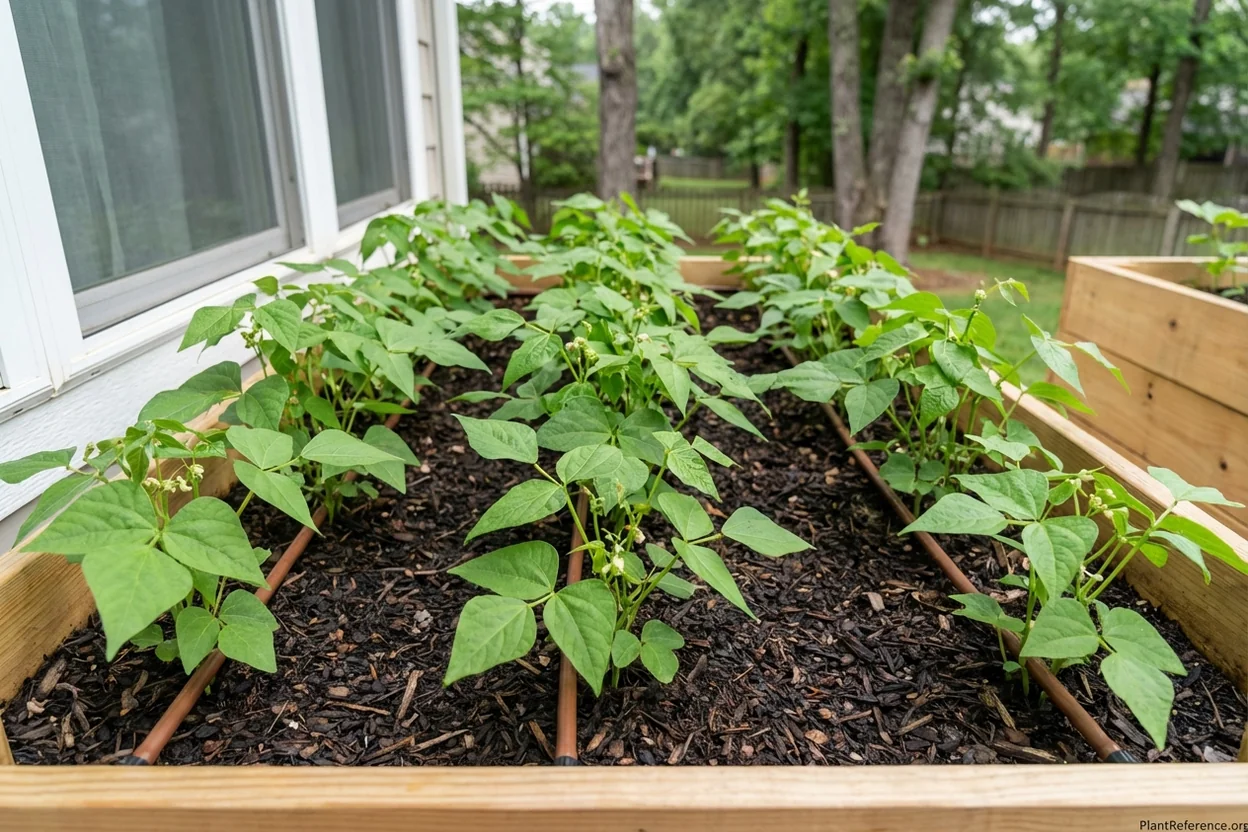
Flowering Phase (Days 35-50): Critical period requiring 1-1.5 inches weekly. Water stress during flowering triggers blossom drop, reducing yield significantly. Drip irrigation works best to avoid wetting foliage in Charlotte's humid conditions.
Pod Development (Days 50-harvest): Maintain consistent moisture to prevent pods from becoming tough or developing poorly. Irregular watering creates curved, stunted pods that reduce marketable yield.
Support Systems for Pole Varieties
Kentucky Wonder requires sturdy support in Charlotte's summer thunderstorm environment. Wind gusts can topple inadequate trellises, destroying an entire season's growth.
Install 8-foot pressure-treated posts or metal conduit before planting. Space posts 6-8 feet apart with horizontal wire or netting between. The weight of mature vines plus wind load requires substantial anchoring—drive posts at least 2 feet deep.
Alternatively, create bean teepees using 8-foot bamboo poles tied at the top. Plant 6-8 beans around each teepee base. This traditional method works well for smaller plantings and adds visual interest to Charlotte gardens.
Troubleshooting Charlotte-Specific Problems
Charlotte's Zone 7b climate presents unique challenges including high humidity, variable spring temperatures, and specific pest pressures common to the North Carolina Piedmont region.
Problem | Symptoms | Likely Cause | Quick Fix |
|---|---|---|---|
Poor germination after planting | Seeds rot in soil or fail to sprout | Soil temperature below 60°F or waterlogging | Wait for consistent 60°F+ soil temps, improve drainage with compost amendment |
Seedlings damaged by late frost | Blackened leaves and stems after unexpected cold | Late cold snap after April 19 planting | Keep row covers ready through early May, protect with floating covers |
White cottony growth on stems | Fuzzy white mold on plant stems and soil | White mold fungus thrives in high humidity | Improve spacing, water at soil level only, remove affected plants immediately |
Dark spots on pods and leaves | Brown/black circular lesions on foliage and pods | Anthracnose fungal disease in wet conditions | Avoid working with wet plants, apply preventive copper fungicide if needed |
Plants flower but don't set pods | Abundant flowers but few developing fruits | Heat stress above 90°F or inconsistent watering | Ensure consistent moisture, provide shade cloth during heat waves |
Pods becoming tough and stringy | Reduced eating quality, poor harvest timing | Delayed or infrequent harvesting during peak season | Harvest every 2-3 days when pods snap crisply, morning harvest best |
Skeletonized leaves with lacy appearance | Leaves reduced to veins, plant defoliation | Mexican bean beetle damage from adults and larvae | Check undersides weekly for orange egg clusters, hand-pick beetles, use Bt for larvae |
Managing Spring Temperature Fluctuations
Late cold snaps can damage bean plants even after the average last frost date of April 5. Charlotte's variable spring weather requires flexibility and protection strategies.
Problem: Seedlings damaged by unexpected late frost Solution: Keep row covers handy through early May. Floating row covers provide 3-4°F protection and can save a planting from light frost damage.
Problem: Poor germination during cool, wet springs Solution: Wait for consistent soil temperatures above 60°F rather than planting by calendar date. Use raised beds to improve soil warming and drainage.
Humidity-Related Fungal Issues
Charlotte's summer humidity creates ideal conditions for bean diseases including white mold, anthracnose, and bacterial blight.
Problem: White cottony growth on stems (white mold) Solution: Improve air circulation by maintaining proper spacing. Water at soil level rather than overhead. Remove affected plants immediately.
Problem: Dark spots on pods and leaves (anthracnose) Solution: Avoid working with plants when wet. Apply preventive copper fungicide if conditions remain wet for extended periods.
Summer Heat Stress
While Charlotte's Zone 7b climate is generally favorable for beans, summer temperatures above 90°F can cause flower drop and reduced pod set.
Problem: Plants flowering but not setting pods Solution: Ensure consistent moisture and consider shade cloth during extreme heat waves. Plant heat-tolerant varieties like Provider for summer successions.
Problem: Pods developing poorly or becoming tough Solution: Harvest frequently to keep plants productive. Morning harvest when pods are cool and turgid provides best quality.
Managing Mexican Bean Beetles
This copper-colored pest with black spots can defoliate bean plants quickly in Charlotte's climate.
Problem: Skeletonized leaves with lacy appearance Solution: Check leaf undersides weekly for orange egg clusters. Hand-pick beetles and larvae. Apply Bacillus thuringiensis (Bt) for organic control of larvae.
Harvest & Storage
Charlotte's excellent bean growing conditions produce abundant harvests that require proper timing and handling to maintain quality.
Determining Optimal Harvest Timing
Snap beans: Harvest when pods are firm and snap crisply. Seeds should be small and barely visible. In Charlotte's climate, this occurs 7-10 days after pods first appear.
Romano types (Roma II): Harvest when pods reach full width but remain tender. The flat pods hold quality longer than cylindrical types in Charlotte's humidity.
Timing by variety in Charlotte: - Provider: First harvest 50 days after planting - Blue Lake: First harvest 55 days after planting - Kentucky Wonder: First harvest 60 days, continues 8-10 weeks
Proper Harvesting Technique
Harvest in early morning when pods are cool and fully turgid. Charlotte's summer heat can cause afternoon wilting that affects pod quality.
Use two hands—hold the stem with one hand while pulling pods with the other. This prevents damage to plants that reduces future production.
Harvest every 2-3 days during peak production to maintain plant productivity. Leaving over-mature pods signals the plant to stop flowering and begin shutting down.
Storage and Preservation
Charlotte's humidity requires immediate cooling after harvest. Remove field heat by plunging harvested beans into cold water immediately.
Fresh storage: Refrigerate at 40-45°F with high humidity. Properly stored beans maintain quality for 7-10 days.
Freezing: Charlotte gardeners often freeze excess production. Blanch beans for 3 minutes in boiling water, cool in ice bath, then freeze in portions.
Succession harvest management: With proper succession planting, Charlotte gardeners can harvest fresh beans from July through October, with peak production during the mild September weather.
Frequently Asked Questions
Reading about plants and recognising them are different skills. These three build the second.
- Daily PlantIdentify the day’s mystery plant from a close-up photograph.
- Keyed OutWork a dichotomous key, lead by lead, to name a hidden specimen.
- Name That PlantName a specimen from botanical clues dealt hardest first.
Free to play, no account needed
Dot grew up on a small farm in rural Virginia and has maintained a vegetable garden for decades. After retiring from teaching elementary school, she became a Master Gardener volunteer and spends her time mentoring new gardeners at community garden plots in Richmond. She's especially knowledgeable about heirloom varieties, seed saving, and traditional growing methods passed down from her grandmother. Dot's no-nonsense advice comes from extensive trial and error—she's seen every tomato disease, pest problem, and weather disaster imaginable. Her biggest pet peeve is gardeners who overcomplicate simple tasks. "Plants want to grow," she often says. "Your job is to not get in their way."