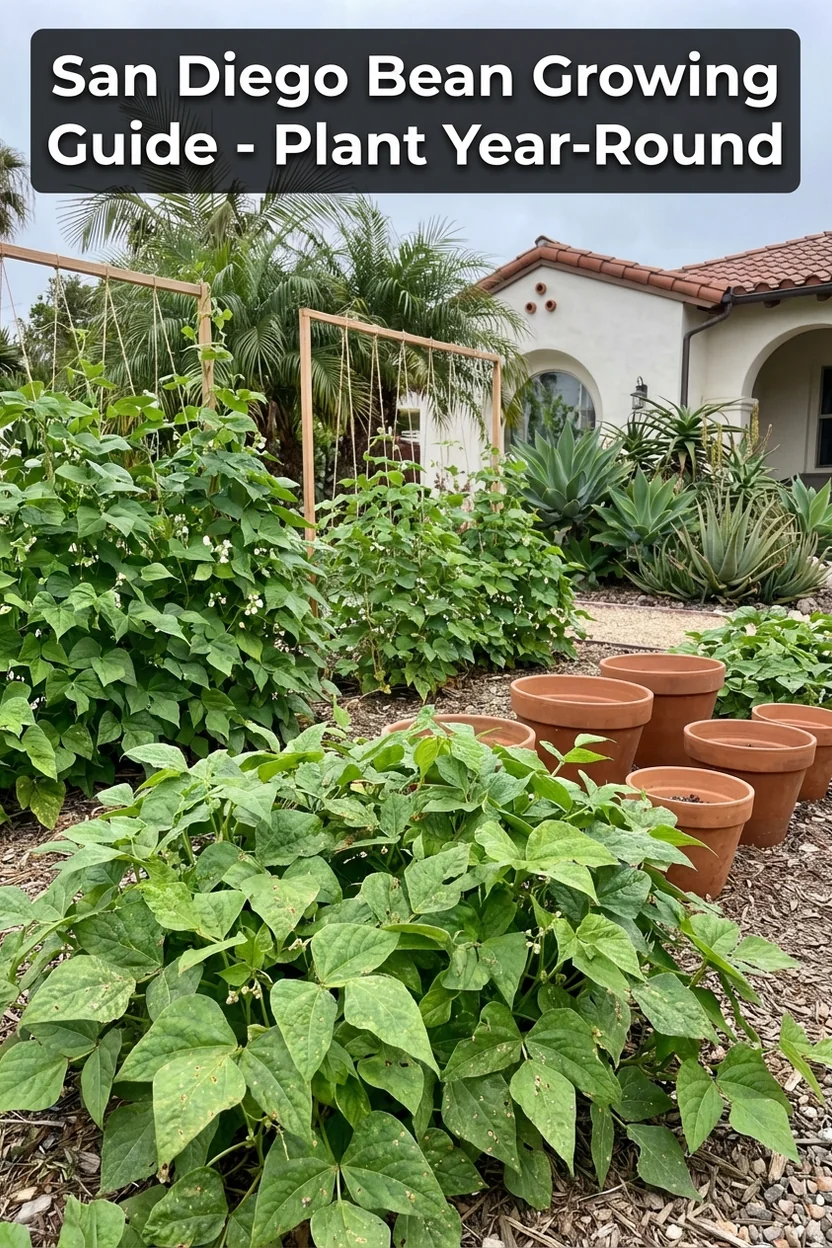
When to Plant Green Beans in San Diego: Complete Guide + Best Varieties for Zone 10b
Pets & Toxicity
Recorded toxicity for plants linked in this guide. An unknown status is not a safety assessment.
No linked plant is recorded as toxic (3 linked plants checked)DetailsHide
Phaseolus vulgaris 'Kentucky Wonder' — Toxicity
Non-toxicView Phaseolus vulgaris 'Kentucky Wonder' plant profilePhaseolus vulgaris 'Blue Lake' — Toxicity
Non-toxic when cooked. Raw pods carry lectins (phytohemagglutinin) that cause digestive upset on raw consumption — pods are cooked before eatingView Phaseolus vulgaris 'Blue Lake' plant profile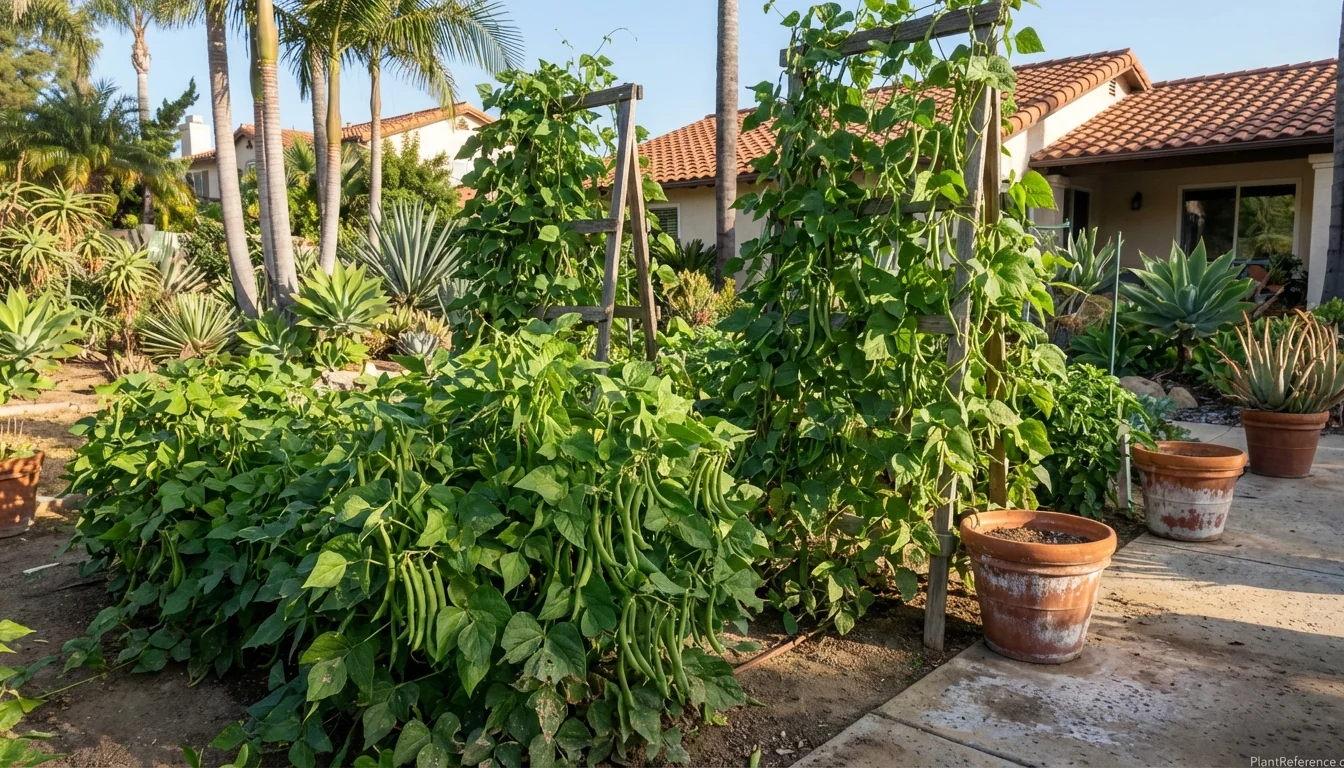
— Image © Plant Reference 2026
Growing green beans in San Diego is like having a superpower—you can harvest fresh beans almost year-round while gardeners up north are buried under snow. I've been growing beans for forty years, and San Diego's Zone 10b climate is about as close to green bean paradise as you'll find anywhere in the country.
San Diego's nearly frost-free climate with last frost around January 31 and first frost not until December 19 gives you a remarkable 322-day growing season. That means you can plant beans when other gardeners are still dreaming about spring, and you'll be harvesting fresh pods when they're putting their gardens to bed.
The key to success isn't just knowing you can plant almost year-round—it's understanding which varieties thrive in specific seasons and how to time your plantings for continuous harvest. Cool coastal fog, occasional heat waves, and varying daylight hours throughout the year all influence when and what to plant.
Best Green Bean Varieties for San Diego's Climate
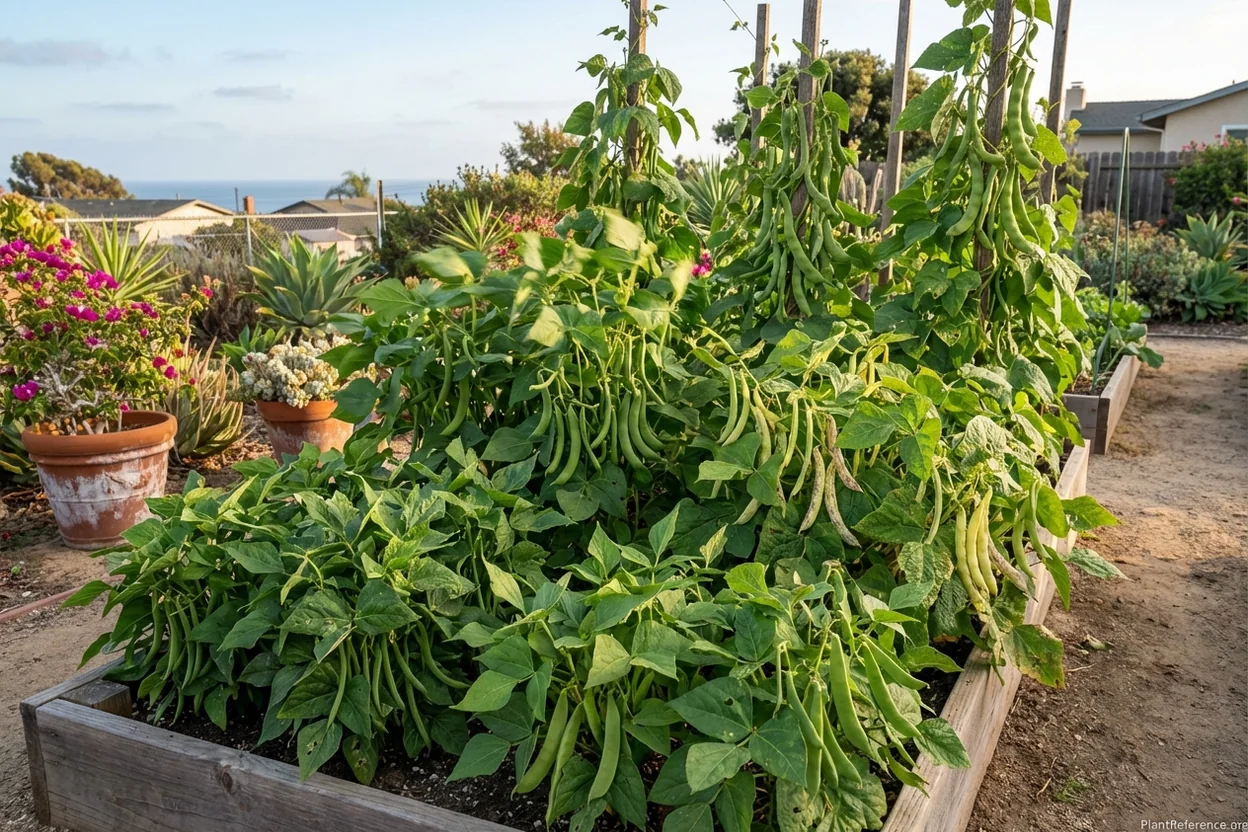
After growing every bean variety I could get my hands on, I've narrowed it down to six proven performers that handle San Diego's unique climate challenges. Each serves a specific purpose in your year-round growing plan.
Variety | Days to Maturity | Best For | Notes for San Diego |
|---|---|---|---|
50-55 days | Year-round succession | Handles cool coastal conditions | |
55-65 days | Peak season harvest | Best quality for fresh eating | |
53-60 days | Processing/freezing | Flat pods hold up well | |
55-60 days | Easy harvest visibility | Purple pods show clearly | |
55-60 days | Gourmet fresh eating | Stunning yellow with purple streaks | |
60-70 days | Long harvest season | Pole variety for vertical growing |
🌿Phaseolus vulgaris 'Provider' - Your Reliable Workhorse
This is my go-to variety for San Diego's year-round growing. 🌿Phaseolus vulgaris 'Provider' earns its name by producing consistently in conditions that would stop other varieties cold. The 50-55 day maturity means you can plant every three weeks and always have beans coming ready.
What makes 'Provider' special for San Diego is its tolerance for cooler soil temperatures. When January soil temps hover around 55-60°F (13-15°C), 'Provider' will still germinate and grow while other varieties sit there doing nothing. Plant it 4 inches (10 cm) apart in rows.
🌿Phaseolus vulgaris 'Blue Lake' - The Quality Standard
If you want the best-tasting green beans, 🌿Phaseolus vulgaris 'Blue Lake' is your variety. These round, straight pods have no strings and incredible flavor. The 55-65 day maturity fits perfectly into San Diego's growing windows.
Blue Lake needs the 6-inch (15 cm) spacing because it grows a bigger root system than compact varieties. This actually helps in San Diego's occasional dry spells—those deeper roots find moisture other beans miss.
🌿Phaseolus vulgaris 'Kentucky Wonder' - Maximum Production
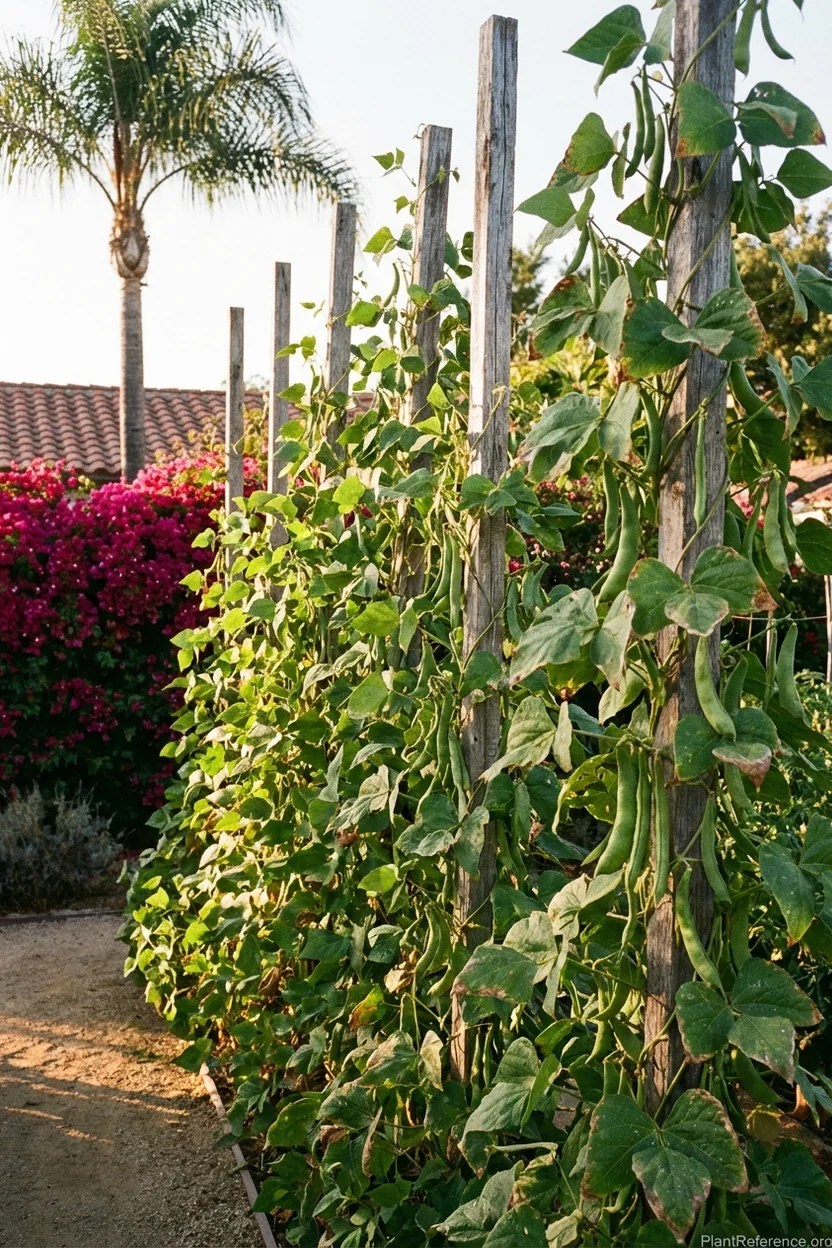
This pole variety changes everything about how you think about bean production. 🌿Phaseolus vulgaris 'Kentucky Wonder' produces pods continuously for 8-10 weeks once it starts, compared to the 2-3 week harvest window of bush types.
Plant Kentucky Wonder 6 inches (15 cm) apart and provide 8-foot stakes or trellises. In San Diego's mild climate, these vines can grow 10 feet tall and produce pounds of beans from a small footprint.
Specialty Varieties for Unique Uses
🌿Phaseolus vulgaris 'Roma II' produces broad, flat Romano-style pods perfect for freezing. The thick, meaty pods hold their texture better than round varieties when processed.
🌿Phaseolus vulgaris 'Purple Queen' makes harvesting easier—those purple pods practically glow against green foliage. You'll never miss a pod hiding in the leaves.
🌿Phaseolus vulgaris 'Dragon Tongue' is your gourmet choice with yellow pods marked with purple streaks. It's stunning in the garden and on the plate, but handle gently since the pods bruise easily.
Specific Planting Dates for San Diego
San Diego's extended growing season lets you plant beans when it makes sense for your schedule and your table. Here's how I time my plantings after four decades of bean growing in Southern California.
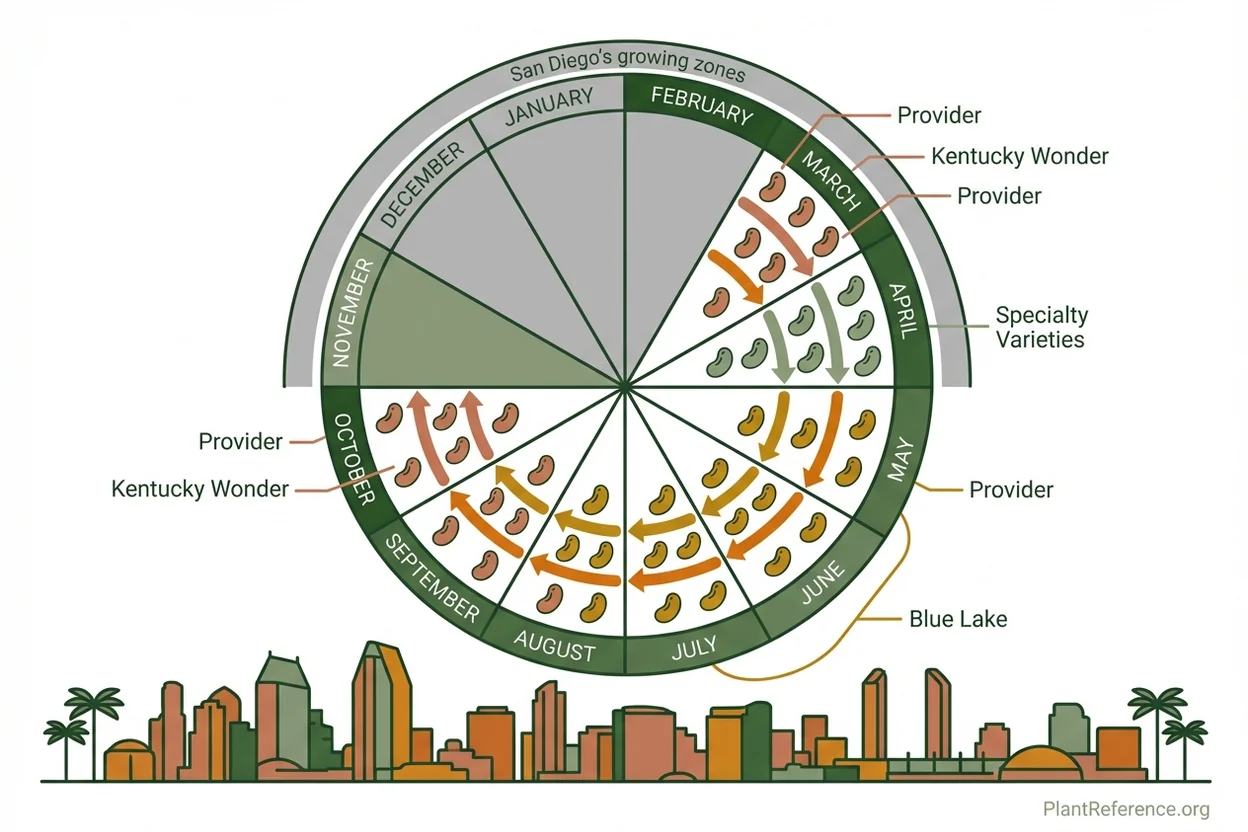
Year-Round Planting Calendar
February 15 - March 31: Early Season Start
Soil temperatures reach 60°F (15°C) by mid-February, making this your first reliable planting window. Start with 🌿Phaseolus vulgaris 'Provider' since it handles cooler conditions better than other varieties.
Plant Provider February 15, Blue Lake March 1, Roma II March 15. You'll harvest from early April through late May, beating the summer heat rush at farmers markets.
April 1 - June 30: Prime Growing Season
This is bean paradise in San Diego. All six varieties thrive in the mild spring temperatures. Plant every 3 weeks for continuous harvest:
April 1: Provider (harvest May 20-30)
April 15: Blue Lake (harvest June 10-25)
May 1: Dragon Tongue (harvest June 20-July 5)
May 15: Purple Queen (harvest July 5-20)
June 1: Roma II (harvest July 20-August 5)
June 15: Kentucky Wonder pole beans (harvest August 15-October 15)
July 1 - August 31: Heat Management Period
San Diego's inland areas can hit 85-90°F (29-32°C) during summer, but coastal areas stay cooler. Adjust your planting location based on your microclimate.
Coastal gardens: Continue regular succession planting Inland areas: Focus on heat-tolerant Provider and Blue Lake, plant where they'll get afternoon shade
September 1 - November 15: Fall Excellence
This is actually my favorite bean season. Warm soil, mild temperatures, and less pest pressure create perfect growing conditions. Plant your largest succession series now:
September 1: Provider (harvest October 20-30)
September 15: Kentucky Wonder poles (harvest November 20-January 15)
October 1: Blue Lake (harvest November 20-December 5)
October 15: Roma II (harvest December 5-20)
November 1: Provider (harvest December 20-January 5)
December 1 - February 14: Rest Period
Even in San Diego, December and January bring cooler temperatures and shorter days that slow bean growth significantly. Use this time for soil preparation and planning next year's succession schedule.
Calculating Your Specific Planting Dates
For bush varieties (Provider, Blue Lake, Roma II, Purple Queen, Dragon Tongue):
Count backward 50-65 days from when you want harvest
Add 7-10 days if planting during cooler months (December-February)
Subtract 5-7 days if planting during peak warm months (May-July)
For pole varieties (Kentucky Wonder):
Count backward 70-80 days from desired harvest start
Remember harvest continues 8-10 weeks once it begins
Plant by September 15 for continuous fall/winter harvest
Complete Growing Guide for San Diego
Success with green beans in San Diego comes down to understanding our unique combination of mild temperatures, variable rainfall, and diverse microclimates from coast to inland valleys.
Soil Preparation for Year-Round Production
San Diego's clay-heavy soils and alkaline pH present challenges for bean production. I've learned to work with our conditions rather than fight them.
pH Management
Most San Diego soils run 7.2-8.0 pH, but beans prefer 6.0-7.0. Add sulfur at 1 pound per 100 square feet (0.45 kg per 9 square meters) each fall to gradually lower pH. Don't try to change it all at once—beans don't like shock.
Clay Soil Improvements
Our heavy clay holds water too long and makes it hard for bean roots to penetrate. Work in 3-4 inches (7-10 cm) of compost every season. I also add perlite or coarse sand—not fine sand which makes concrete-like soil.
For immediate planting areas, create raised rows 4-6 inches (10-15 cm) high. This improves drainage and warms soil faster in winter plantings.
Nitrogen and Rhizobia
Beans fix their own nitrogen through root bacteria, but San Diego's alkaline soils often lack active Rhizobia populations. Inoculate seeds with rhizobia bacteria before every planting—it costs pennies and can double your yield.
Don't add nitrogen fertilizer at planting. It prevents proper nodule formation. Use a low-nitrogen starter like 5-10-10 instead.
Irrigation Strategies for San Diego Climate
San Diego's irregular rainfall means irrigation is critical, but our warm climate also means you can easily overwater and cause root rot.
Establishment Phase (0-21 days)
Keep soil consistently moist but not waterlogged. In cool months, check soil daily—water only when top inch (2.5 cm) feels dry. In warm months, you might need daily light watering until plants establish.
Production Phase (21+ days)
Deep, less frequent watering works best. Beans need about 1 inch (2.5 cm) per week, delivered in 2-3 sessions. Water early morning to minimize disease pressure.
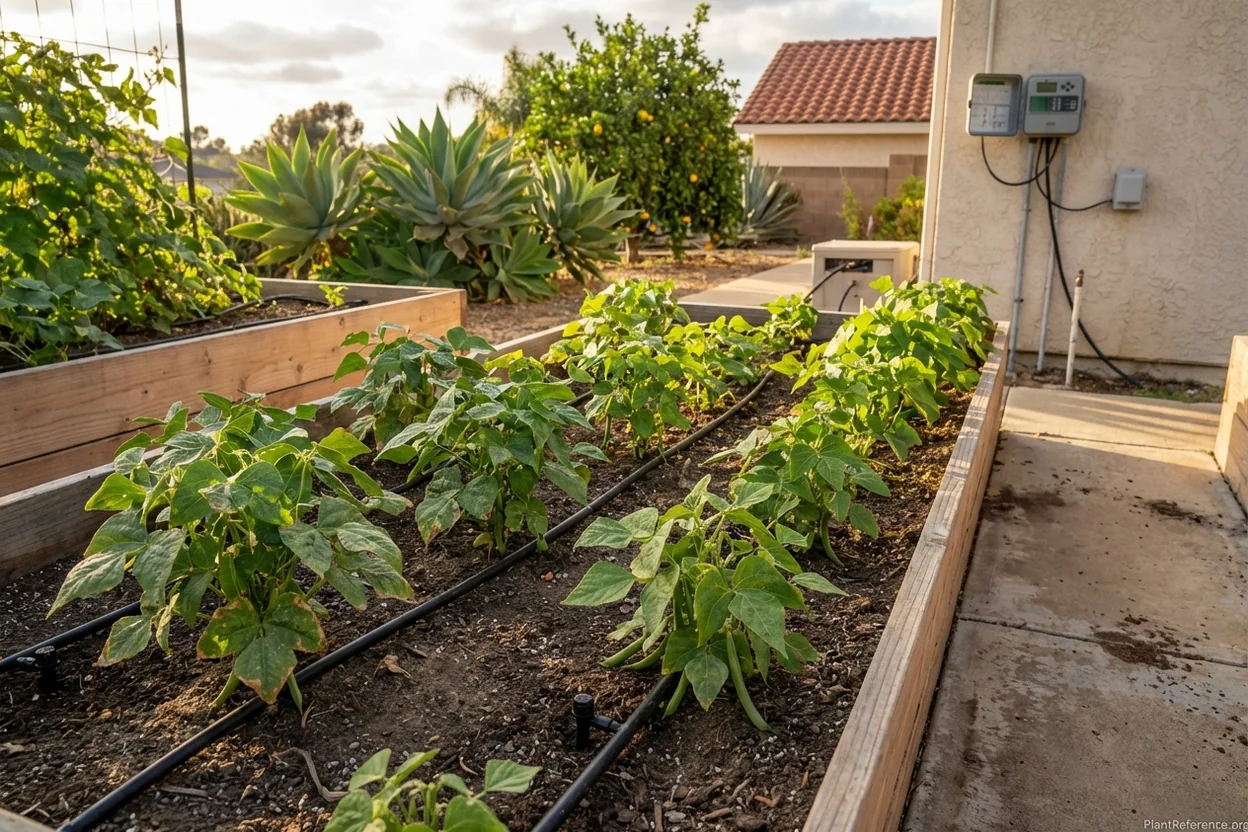
Drip irrigation or soaker hoses are ideal. Overhead watering in San Diego's humid coastal air promotes fungal diseases.
Seasonal Adjustments
Winter plantings: Water 2-3 times per week maximum Summer plantings: Daily light watering may be necessary Fall plantings: 2-3 times per week, increasing as temperatures cool
Supporting Structures for Maximum Production
Bush beans are self-supporting, but even they benefit from some help in San Diego's occasional strong winds. Pole beans absolutely require sturdy support.
Bush Bean Support
Install 2-foot (60 cm) stakes every 4 feet along bean rows. Run twine between stakes at 12-inch (30 cm) height. This prevents lodging during wind storms and keeps pods off the ground.
Pole Bean Structures
🌿Phaseolus vulgaris 'Kentucky Wonder' needs 8-foot (2.4 m) minimum support. I prefer wooden stakes over metal—they don't conduct heat and burn plants during summer.
Build permanent trellis structures for continuous pole bean production:
4x4 pressure-treated posts every 8 feet
Welded wire mesh or cattle panel between posts
Top rail at 8-foot height for stability
Plant beans 6 inches apart along base
Succession Planting for Continuous Harvest
The key to year-round beans in San Diego is never stopping. As soon as one planting starts producing, the next one should be emerging from the soil.
Plant 20 feet of row every 3 weeks during active season (February-November). This gives you:
Constant supply for fresh eating
Excess for sharing and preservation
Insurance against crop failure
Variety in pod types and flavors
Troubleshooting San Diego-Specific Problems
Forty years of growing beans has taught me that every climate has its unique challenges. San Diego's problems are different from what you'll read in general gardening books.
Coastal Fog and Cool Summers
San Diego's famous marine layer can create surprisingly cool growing conditions, especially near the coast. Beans are warm-season crops that struggle when daytime temperatures stay below 70°F (21°C).
Symptoms: Slow growth, delayed flowering, poor pod set Solution: Plant where beans get maximum sun exposure. Use row covers during persistent fog periods. Choose Provider over heat-loving varieties like Dragon Tongue.
Heat Island Effect Inland
Move 15 miles inland and you're in a different climate. Inland valleys can be 15-20°F warmer than coastal areas, creating heat stress for beans.
Symptoms: Flower drop, wilted plants during afternoon, rapid soil drying Solution: Provide afternoon shade during peak summer. Plant where morning sun reaches beans but afternoon shade protects them. Increase watering frequency.
Poor Pod Set Despite Healthy Plants
This frustrates more San Diego gardeners than any other bean problem. Plants look healthy but produce few pods.
Cause 1: Temperature Fluctuations San Diego's day-night temperature swings can stress beans during flowering.
Solution: Use row covers during temperature swings greater than 30°F (17°C). Plant later in season when temperatures stabilize.
Cause 2: Overwatering Our clay soils hold water longer than beans prefer, leading to root stress and poor flowering.
Solution: Check soil moisture 3 inches (7 cm) deep before watering. Install drainage or plant in raised beds.
Cause 3: Day Length Sensitivity Some varieties are sensitive to San Diego's short winter days.
Solution: Stick with proven varieties during November-February plantings. Provider and Blue Lake handle variable day lengths better than specialty types.
Pest Management for Year-Round Growing
Continuous growing means continuous pest pressure. Without winter freezes to reset pest populations, management becomes critical.
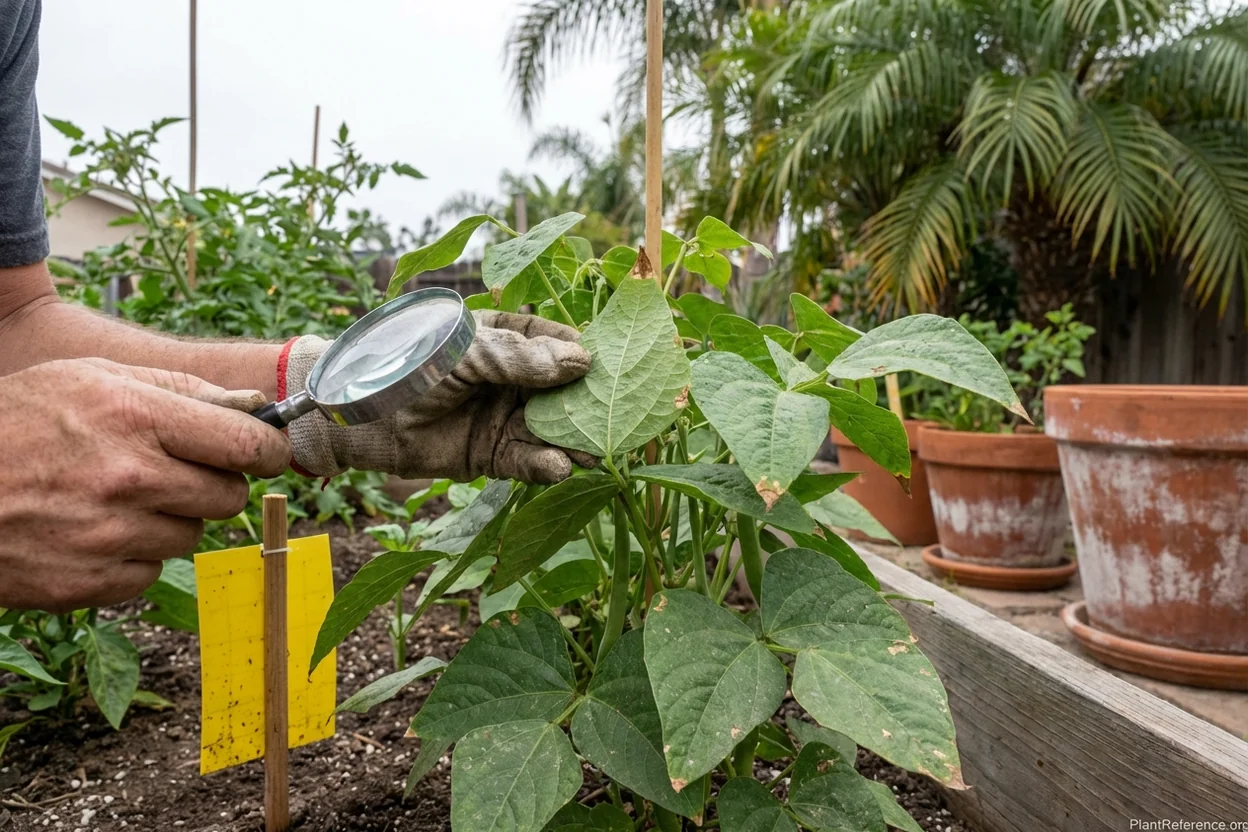
Aphids Most problematic during cool months when beneficial insects are less active. Control: Strong water spray weekly. Plant flowering herbs nearby to attract beneficial insects year-round.
Spider Mites Appear during hot, dry periods on stressed plants. Control: Adequate irrigation prevents most mite problems. Predatory mites released in spring control populations all season.
Whiteflies San Diego's mild climate allows year-round whitefly populations. Control: Yellow sticky traps placed 6 inches above plants. Remove heavily infested plants immediately.
Harvest & Storage
San Diego's long growing season means you'll be harvesting beans ten months of the year. Proper harvest timing and storage becomes critical for maintaining quality.
Harvest Timing by Variety
**Bush Varieties (🌿Phaseolus vulgaris 'Provider', 🌿Phaseolus vulgaris 'Blue Lake', 🌿Phaseolus vulgaris 'Roma II'):** Harvest every 2-3 days once pods reach 4-6 inches (10-15 cm) long. Pods should snap crisply when bent. If you can see seed shapes through the pod wall, you've waited too long for fresh eating.
**Pole Varieties (🌿Phaseolus vulgaris 'Kentucky Wonder'):** Check daily once harvest begins. Pods at the bottom of the plant mature first, so you'll always find ready pods while others are still growing.
Specialty Varieties: 🌿Phaseolus vulgaris 'Purple Queen' pods are easy to spot—harvest when purple color is deepest. 🌿Phaseolus vulgaris 'Dragon Tongue' should show bright yellow background with distinct purple streaking.
Extended Storage for Year-Round Production
With beans ready almost constantly, preservation becomes important for managing abundance.
Fresh Storage: Refrigerate unwashed pods in perforated plastic bags. They'll keep 7-10 days at 40°F (4°C). Don't wash until ready to use—moisture accelerates decay.
Blanching and Freezing: Blanch whole pods in boiling water 3 minutes, shock in ice water, drain thoroughly. Freeze in meal-sized portions. San Diego's continuous harvest means you can freeze small batches frequently rather than processing huge quantities at once.
Seed Saving: Let some pods from your best plants mature fully for seed saving. Choose pods from plants that performed best in San Diego's specific conditions. Seeds stored properly will remain viable 3-4 years.
Frequently Asked Questions
Reading about plants and recognising them are different skills. These three build the second.
- Daily PlantIdentify the day’s mystery plant from a close-up photograph.
- Keyed OutWork a dichotomous key, lead by lead, to name a hidden specimen.
- Name That PlantName a specimen from botanical clues dealt hardest first.
Free to play, no account needed
Dot grew up on a small farm in rural Virginia and has maintained a vegetable garden for decades. After retiring from teaching elementary school, she became a Master Gardener volunteer and spends her time mentoring new gardeners at community garden plots in Richmond. She's especially knowledgeable about heirloom varieties, seed saving, and traditional growing methods passed down from her grandmother. Dot's no-nonsense advice comes from extensive trial and error—she's seen every tomato disease, pest problem, and weather disaster imaginable. Her biggest pet peeve is gardeners who overcomplicate simple tasks. "Plants want to grow," she often says. "Your job is to not get in their way."