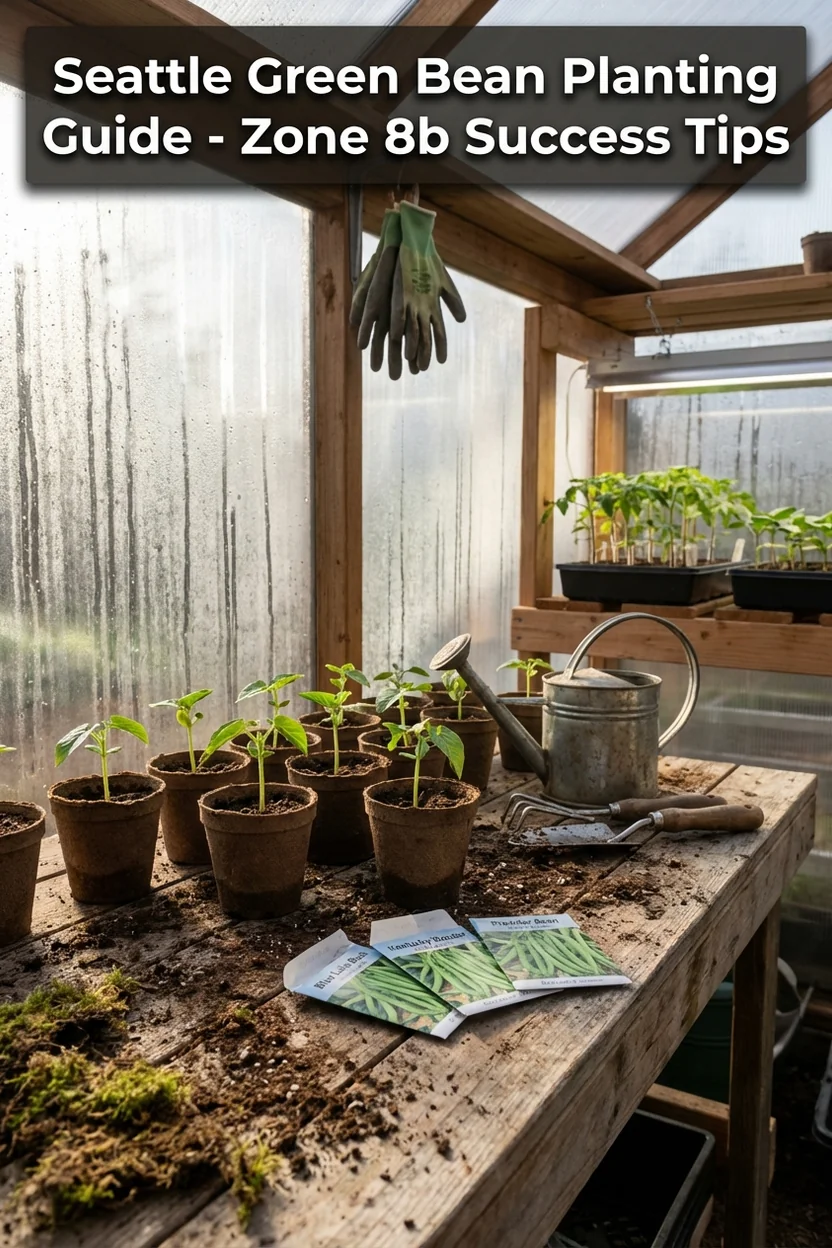
When to Plant Green Beans in Seattle: Complete Guide + Best Varieties for Zone 8b
Pets & Toxicity
Recorded toxicity for plants linked in this guide. An unknown status is not a safety assessment.
No linked plant is recorded as toxicDetailsHide
Phaseolus vulgaris 'Blue Lake' — Toxicity
Non-toxic when cooked. Raw pods carry lectins (phytohemagglutinin) that cause digestive upset on raw consumption — pods are cooked before eatingView Phaseolus vulgaris 'Blue Lake' plant profilePhaseolus vulgaris 'Kentucky Wonder' — Toxicity
Non-toxicView Phaseolus vulgaris 'Kentucky Wonder' plant profilePhaseolus vulgaris 'Purple Queen' — Toxicity
Non-toxicView Phaseolus vulgaris 'Purple Queen' plant profilePhaseolus vulgaris 'Dragon Tongue' — Toxicity
Non-toxicView Phaseolus vulgaris 'Dragon Tongue' plant profile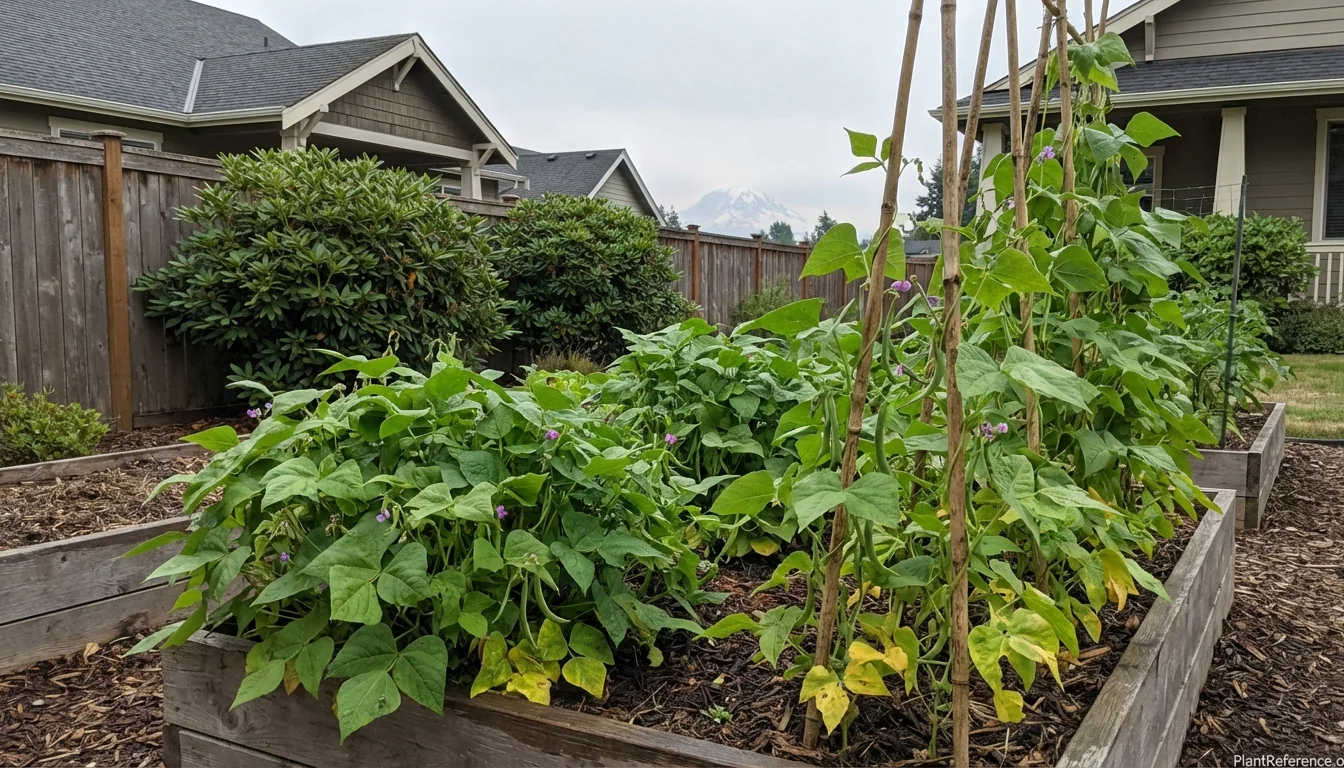
— Image © Plant Reference 2026
I've been growing green beans in the Pacific Northwest for thirty-five years, and I'll tell you straight—Seattle offers one of the finest bean-growing climates in the country. With 245 frost-free days from March 14 to November 14, you have plenty of time for multiple plantings and extended harvests that most gardeners can only dream of.
Best Green Bean Varieties for Seattle's Climate
Seattle's Zone 8b climate brings unique advantages and challenges. Your long growing season means you can grow every variety successfully, but the cool, often cloudy summers require smart variety selection. The key is matching varieties to your specific microclimate and goals.
Variety | Days to Maturity | Best For | Notes for Seattle |
|---|---|---|---|
50-55 days | Early season, cool tolerance | Perfect for April planting, handles cool soil | |
55-65 days | Processing, fresh eating | Industry standard, excellent for Seattle climate | |
53-60 days | Fresh market, broad pods | Disease resistant, handles humidity well | |
55-60 days | Easy harvesting | Purple pods visible against foliage | |
55-60 days | Gourmet market | Thrives in cool summers, premium variety | |
60-70 days | Vertical growing | Pole variety for small spaces, extended harvest |
Cool-Season Champions
🌿Phaseolus vulgaris 'Provider' earns its name in Seattle. This bush variety tolerates cool soil better than others, making it your go-to for early April plantings when soil temperatures hover around 55°F (13°C). It produces heavily in just 50-55 days, perfect for beating any surprise weather.
🌿Phaseolus vulgaris 'Blue Lake' represents the gold standard for Pacific Northwest bean growing. Developed in Oregon, it's perfectly adapted to maritime conditions. The 55-65 day maturity window gives you flexibility, and the pods hold their quality longer in cool weather than other varieties.
Disease-Resistant Options
Seattle's humidity creates perfect conditions for fungal diseases. 🌿Phaseolus vulgaris 'Roma II' offers built-in resistance to common problems like mosaic virus and rust. The flat Romano pods are also easier to spot fungal issues early.
🌿Phaseolus vulgaris 'Purple Queen' provides a practical advantage beyond aesthetics. The deep purple pods stand out against green foliage, making harvest more efficient and reducing the chance of missing pods that could trigger the plant to stop producing.
Space-Efficient Pole Varieties
🌿Phaseolus vulgaris 'Kentucky Wonder' shines in Seattle's long season. As a pole variety, it produces continuously for 8-10 weeks once it starts. In small Seattle yards, this vertical growing habit maximizes production per square foot.
Specific Planting Dates for Seattle
Seattle's March 14 last frost date gives you a jump start on the growing season, but soil temperature matters more than air temperature for beans. Here's your month-by-month planting strategy:
Late April Planting (April 21-28) - Soil temperature: 55-60°F (13-16°C) - Best varieties: 🌿Phaseolus vulgaris 'Provider', 🌿Phaseolus vulgaris 'Blue Lake' - Harvest: Mid to late June
Start checking soil temperature in mid-April. Use a soil thermometer 2 inches (5 cm) deep at 8 AM. When it reads 55°F (13°C) consistently for three days, it's safe to plant. 'Provider' tolerates cooler soil better than others, making it your insurance policy against a cool spring.
Mid-May Planting (May 15-22) - Soil temperature: 60-65°F (16-18°C) - All varieties suitable - Harvest: Mid-July
This represents your main planting window. Soil is reliably warm, and you have the full growing season ahead. Plant your largest crop now for peak summer harvest.
Early June Planting (June 1-8) - Your second succession - Focus on bush varieties for quicker turnaround - Harvest: Early to mid-August
Late June Planting (June 20-30) - Third succession for continuous harvest - Consider 🌿Phaseolus vulgaris 'Dragon Tongue' for late-summer gourmet harvest - Harvest: Late August to early September
Mid-July Final Planting (July 10-20) - Count back 70 days from November 14 first frost - Use only quick-maturing varieties: 🌿Phaseolus vulgaris 'Provider', 🌿Phaseolus vulgaris 'Purple Queen' - Harvest: September through October
Complete Growing Guide for Seattle
Soil Preparation
Seattle's clay-heavy soil requires amendment for good bean production. Beans need well-draining soil because their roots are susceptible to rot in waterlogged conditions—something our wet springs can create.
Work 2-3 inches (5-8 cm) of compost into your bean bed each spring. This improves drainage while adding organic matter that breaks down slowly through the season. If your soil is particularly heavy clay, add coarse sand or perlite to improve structure.
Test your soil pH. Beans prefer 6.0-7.0, and Seattle soils often run acidic due to high rainfall. If your pH is below 6.0, add lime in fall for next year's crop.
Inoculation for Maximum Production
Don't skip inoculating your bean seeds. This step adds nitrogen-fixing bacteria (Rhizobium) that form nodules on roots, converting atmospheric nitrogen into plant-available form. It's like giving your plants their own fertilizer factory.
Purchase fresh inoculant each year—the bacteria don't survive long in storage. Moisten seeds lightly and roll in the black powder just before planting. This simple step can increase yields by 20-30%.
Planting Technique
Space bush varieties (🌿Phaseolus vulgaris 'Provider', 🌿Phaseolus vulgaris 'Roma II', 🌿Phaseolus vulgaris 'Purple Queen', 🌿Phaseolus vulgaris 'Dragon Tongue') 4 inches (10 cm) apart in rows 18-24 inches (46-61 cm) apart.
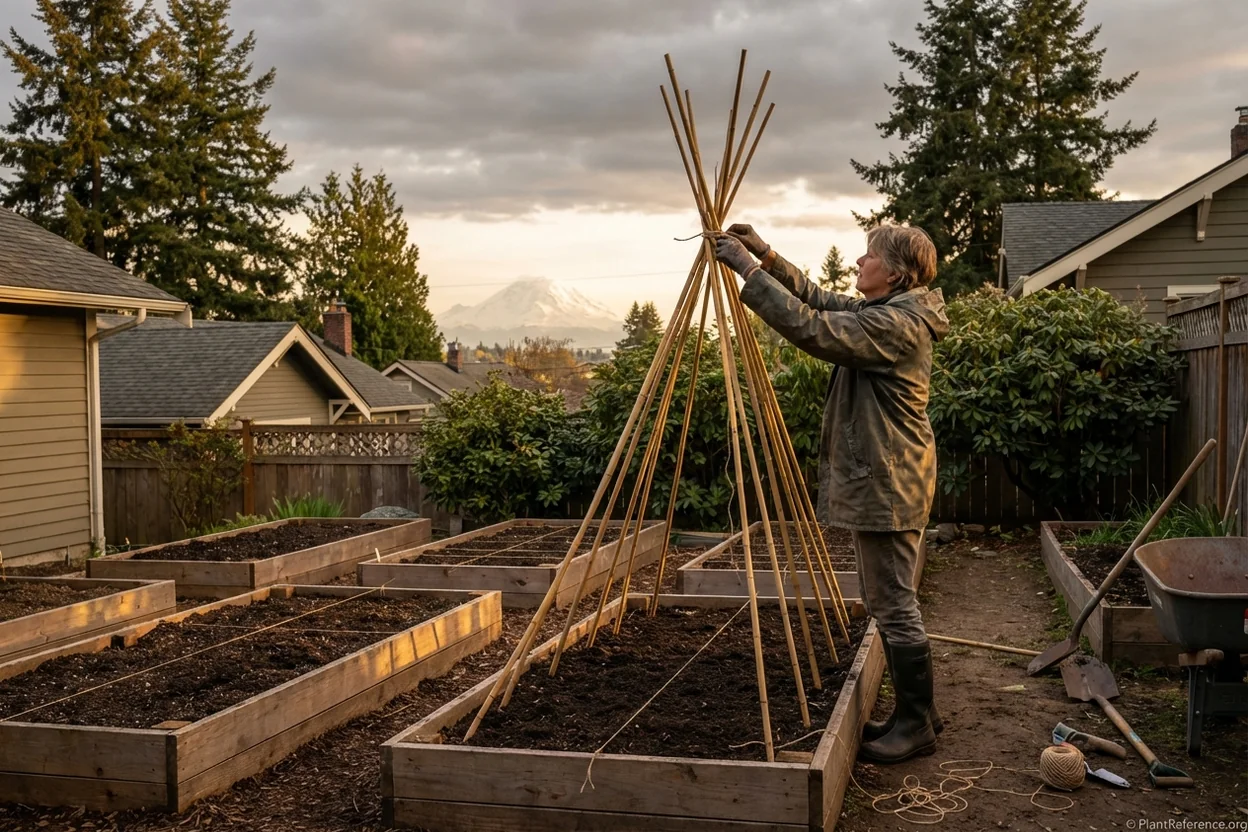
Pole varieties (🌿Phaseolus vulgaris 'Kentucky Wonder') need 6-inch (15 cm) spacing with support structures. Install poles or trellises before planting—disturbing the soil later damages shallow bean roots.
Plant seeds 1-1.5 inches (3-4 cm) deep. In Seattle's clay soils, err on the shallow side to prevent seeds from rotting in waterlogged conditions.
Water Management
Seattle's wet springs mean overwatering is more common than drought stress. Let soil dry slightly between waterings during establishment. Once plants are 6 inches (15 cm) tall, they need about 1 inch (2.5 cm) of water per week.
Our dry summers require consistent irrigation. Beans are shallow-rooted and suffer quickly in drought. Use drip irrigation or soaker hoses to keep water off the foliage, which reduces disease pressure.
Fertility Program
Because beans fix their own nitrogen, they need minimal feeding. Apply a balanced fertilizer (10-10-10) at planting time, then side-dress with compost mid-season if plants look pale.
Avoid high-nitrogen fertilizers during the season. Excess nitrogen promotes leafy growth at the expense of pod production and can actually inhibit the nitrogen-fixing process.
Troubleshooting Seattle-Specific Problems
Slugs and Snails
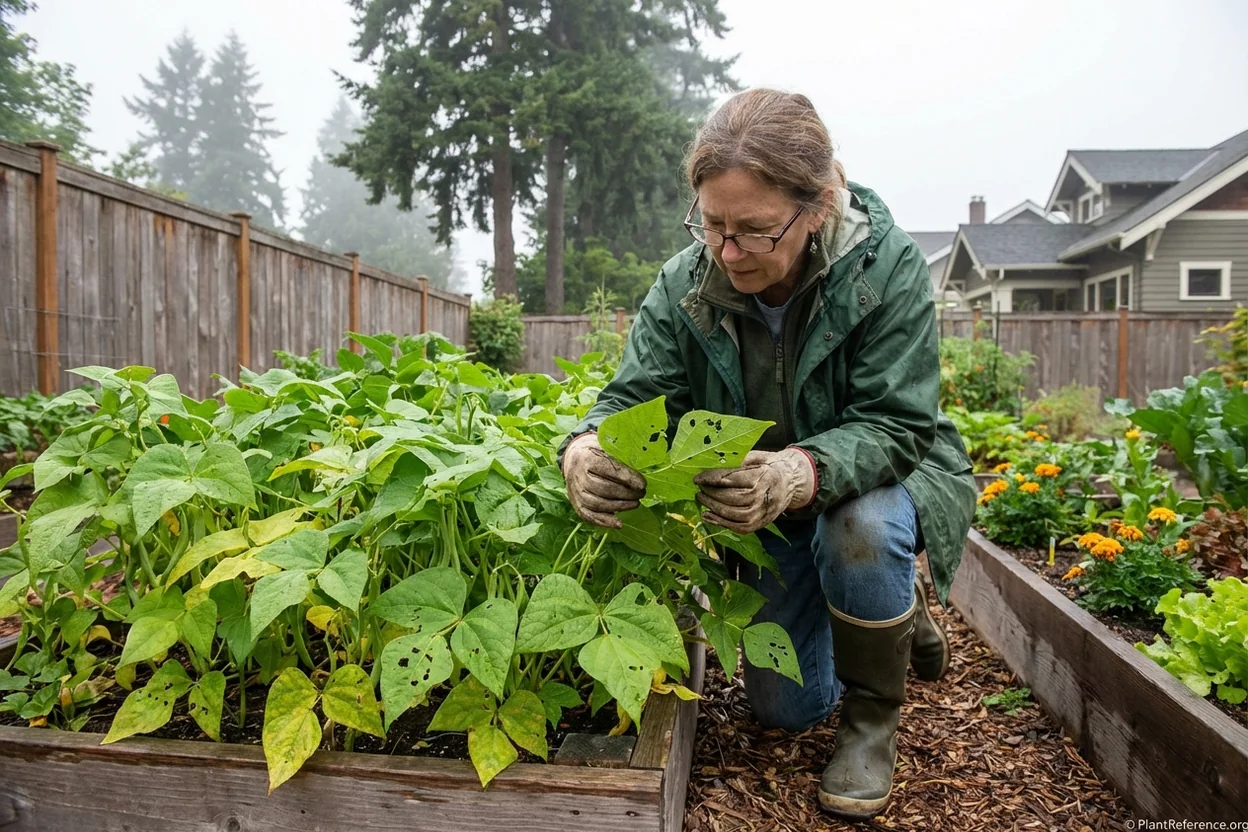
Seattle's wet climate creates paradise for slugs and snails, which can devastate bean seedlings overnight. They're particularly drawn to the tender cotyledons (seed leaves) of newly emerged beans.
Create barriers using copper tape around beds or individual plants. The copper reacts with slug mucus, creating a mild electric shock that deters them. Diatomaceous earth works when dry but loses effectiveness when wet—not ideal for Seattle.
Beer traps work effectively. Bury shallow dishes flush with soil level and fill with beer. Slugs are attracted to the yeast, fall in, and drown. Empty and refill every few days.
Powdery Mildew
Cool nights and warm days create perfect conditions for powdery mildew, especially on 🌿Phaseolus vulgaris 'Kentucky Wonder' and other pole varieties with dense foliage.
Improve air circulation by proper spacing—don't crowd plants. Water at soil level, never on foliage. If mildew appears, spray with baking soda solution (1 tablespoon per gallon of water) early morning or evening.
Root Rot in Heavy Soil
Seattle's clay soils hold water longer than beans prefer. Seeds may rot before germinating, or established plants develop brown, mushy roots.
Improve drainage permanently by adding compost and coarse sand. For immediate relief, plant in raised beds or mounded rows 4-6 inches (10-15 cm) high. This elevates roots above waterlogged soil.
Consider pre-sprouting seeds indoors if soil conditions are questionable. Place seeds between damp paper towels in a warm location until radicles (first roots) emerge, then plant carefully.
Cool Summer Delayed Maturity
Seattle's notorious cool summers can slow bean development, especially in years when temperatures rarely exceed 70°F (21°C).
Choose varieties bred for cool conditions: 🌿Phaseolus vulgaris 'Blue Lake' and 🌿Phaseolus vulgaris 'Provider' perform better than heat-lovers in marginal temperatures.
Use row covers during cool spells to trap heat. Remove covers once temperatures consistently reach 65°F (18°C) during the day.
Blossom Drop
Beans drop flowers when stressed, most commonly from inconsistent watering or temperature fluctuations common in Seattle springs.
Maintain consistent soil moisture—not wet, not dry. Mulch around plants to buffer soil temperature swings and retain moisture.
If nights drop below 50°F (10°C) after flowering begins, cover plants with lightweight fabric to maintain warmth.
Harvest & Storage
Timing Your Harvest
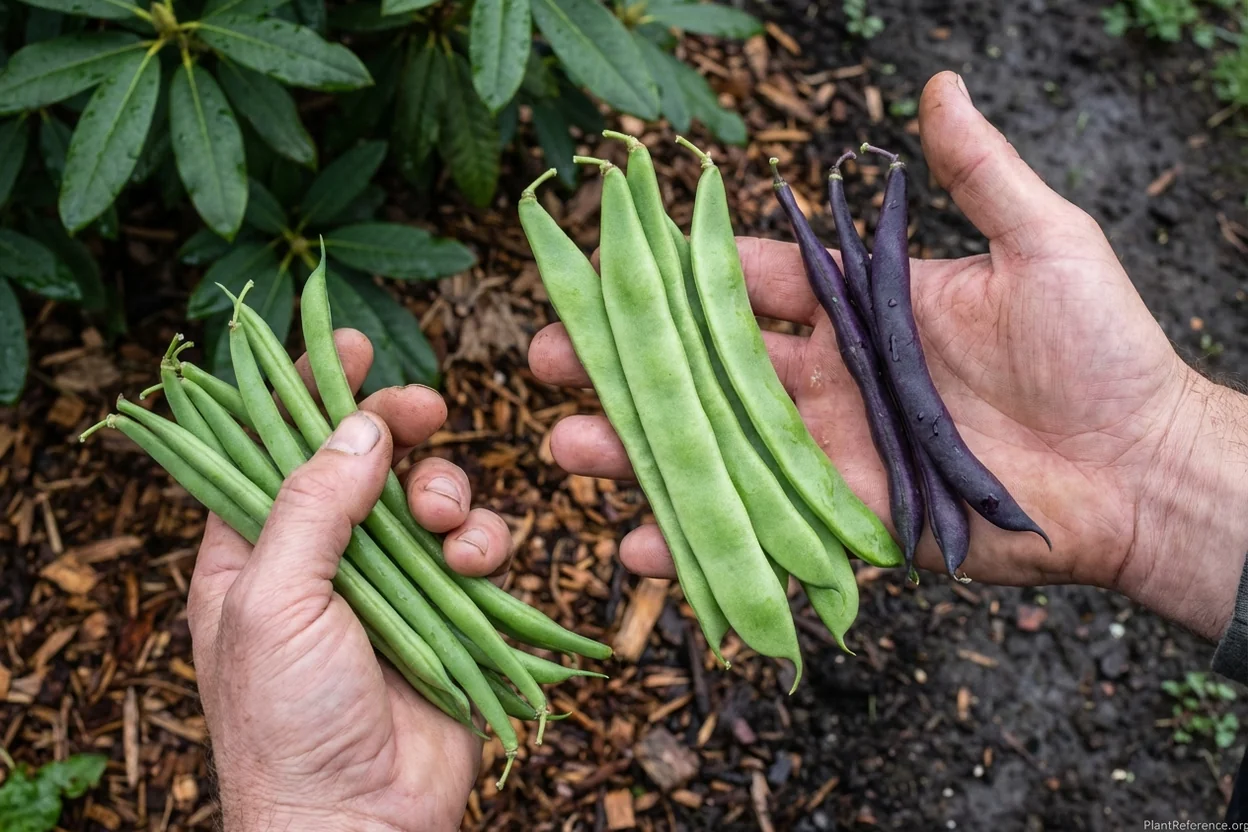
Seattle's long season means you can harvest beans at different stages depending on your needs. For fresh eating, pick pods when they snap crisply and seeds are small—about the size of rice grains. This usually occurs 50-70 days after planting, depending on variety.
Harvest every 2-3 days once production begins. This keeps plants producing. If you let pods mature to seed stage, the plant stops flowering and your harvest ends.
Storage Methods
Fresh beans keep 5-7 days refrigerated in perforated plastic bags. For longer storage, blanch whole pods in boiling water for 3 minutes, shock in ice water, drain, and freeze in freezer bags.
Seattle's climate extends the fresh harvest season significantly. You can often pick fresh beans into October from late plantings, something gardeners in shorter-season climates can't achieve.
Seed Saving
If you want to save seeds from varieties like 🌿Phaseolus vulgaris 'Kentucky Wonder' (an heirloom), allow some pods to fully mature on the plant. Pods should be brown and papery, with seeds rattling inside when shaken.
Harvest mature pods before heavy fall rains begin—wet weather can cause mature seeds to mold. Shell seeds and dry them further indoors until they break rather than dent when hit with a hammer.
Store dried seeds in airtight containers with a bay leaf to deter insects. Properly stored bean seeds remain viable for 3-4 years.
Frequently Asked Questions
Reading about plants and recognising them are different skills. These three build the second.
- Daily PlantIdentify the day’s mystery plant from a close-up photograph.
- Keyed OutWork a dichotomous key, lead by lead, to name a hidden specimen.
- Name That PlantName a specimen from botanical clues dealt hardest first.
Free to play, no account needed
Dot grew up on a small farm in rural Virginia and has maintained a vegetable garden for decades. After retiring from teaching elementary school, she became a Master Gardener volunteer and spends her time mentoring new gardeners at community garden plots in Richmond. She's especially knowledgeable about heirloom varieties, seed saving, and traditional growing methods passed down from her grandmother. Dot's no-nonsense advice comes from extensive trial and error—she's seen every tomato disease, pest problem, and weather disaster imaginable. Her biggest pet peeve is gardeners who overcomplicate simple tasks. "Plants want to grow," she often says. "Your job is to not get in their way."