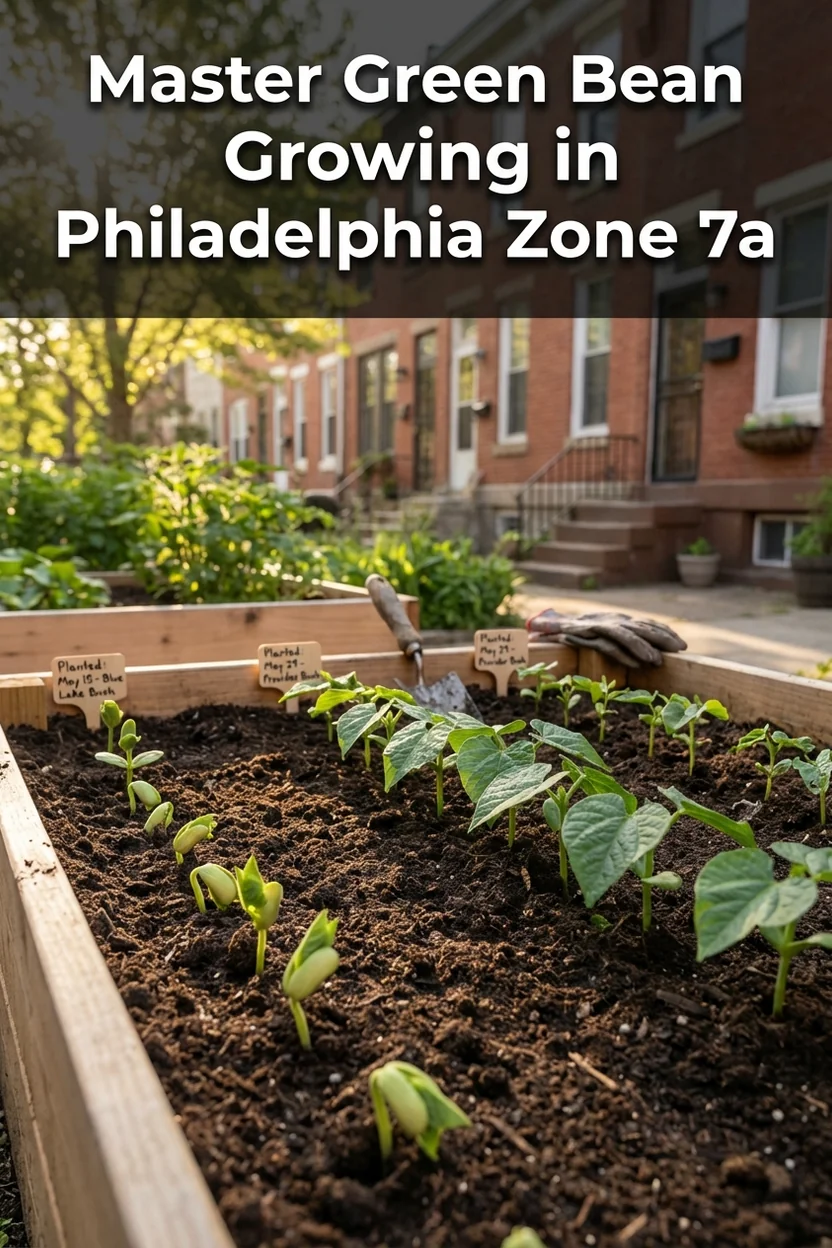
When to Plant Green Beans in Philadelphia: Complete Guide + Best Varieties for Zone 7a
Pets & Toxicity
Recorded toxicity for plants linked in this guide. An unknown status is not a safety assessment.
No linked plant is recorded as toxicDetailsHide
Phaseolus vulgaris 'Blue Lake' — Toxicity
Non-toxic when cooked. Raw pods carry lectins (phytohemagglutinin) that cause digestive upset on raw consumption — pods are cooked before eatingView Phaseolus vulgaris 'Blue Lake' plant profilePhaseolus vulgaris 'Kentucky Wonder' — Toxicity
Non-toxicView Phaseolus vulgaris 'Kentucky Wonder' plant profilePhaseolus vulgaris 'Purple Queen' — Toxicity
Non-toxicView Phaseolus vulgaris 'Purple Queen' plant profilePhaseolus vulgaris 'Dragon Tongue' — Toxicity
Non-toxicView Phaseolus vulgaris 'Dragon Tongue' plant profile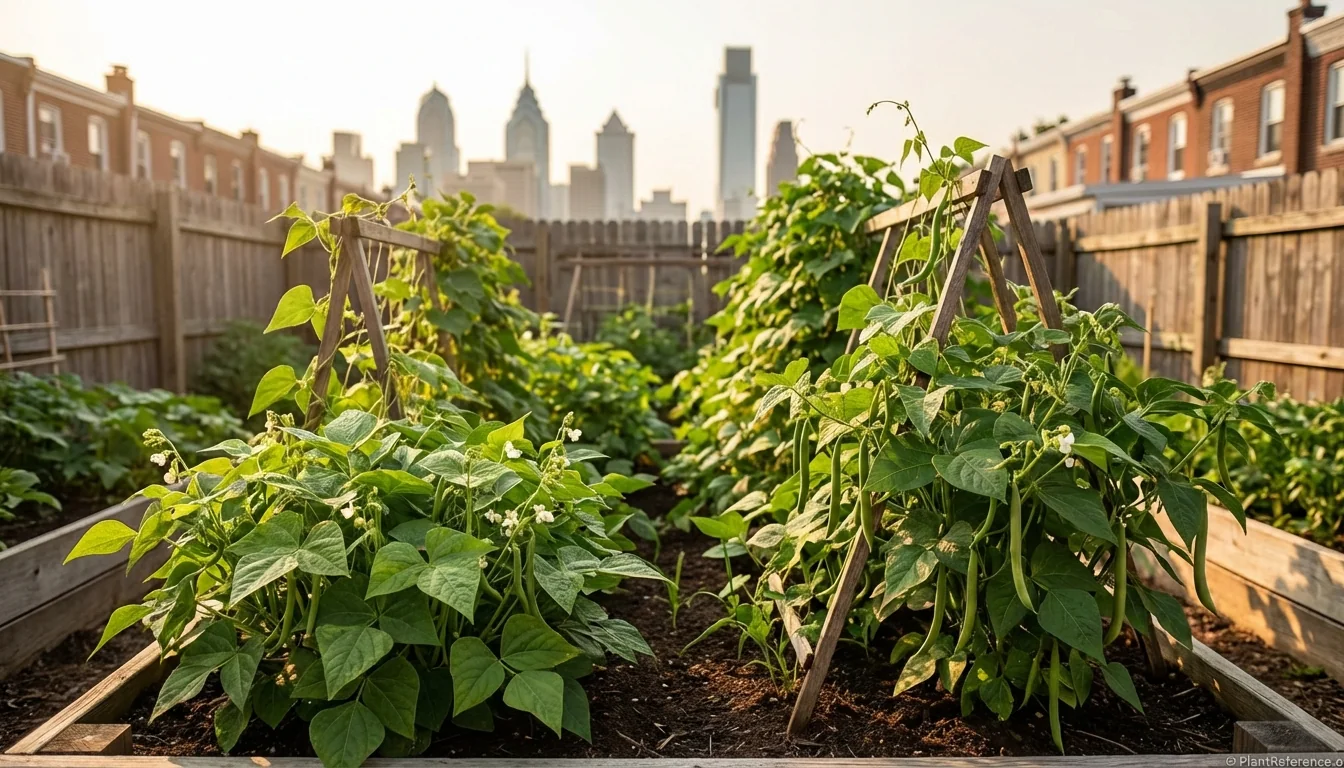
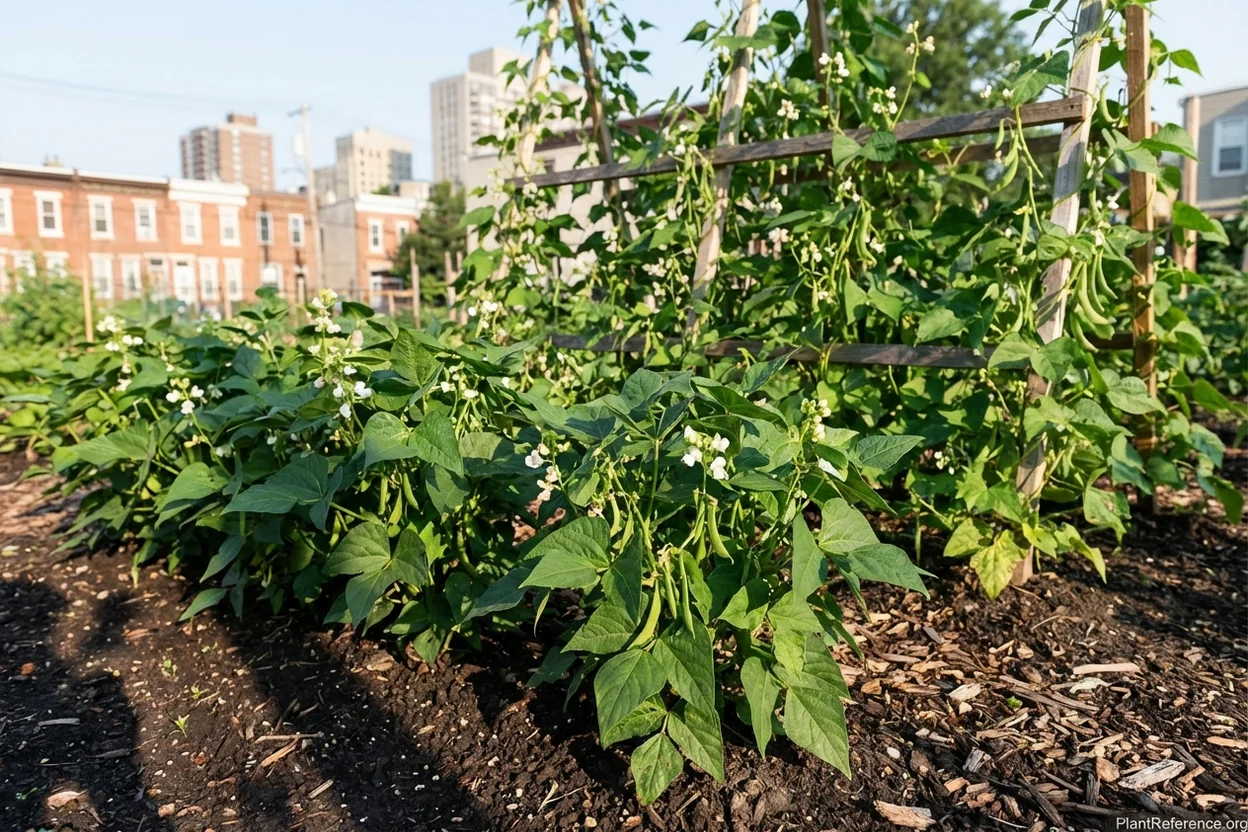
— Image © Plant Reference 2026
I've been growing green beans in Pennsylvania for forty years, and Philadelphia's Zone 7a climate gives you one of the best growing seasons in the country. With your last frost around April 10 and first frost not until November 5, you've got 209 days to work with—that's enough time for multiple succession plantings and a serious bean harvest.
The key to success when you plant green beans in Philadelphia is understanding your timing and variety selection. Unlike folks up north who get one shot at a bean crop, Philadelphia gardeners can plant from early May through mid-July and keep harvesting until that first November frost. I'll show you exactly when to plant green beans in Philadelphia, which varieties work best, and how to keep your harvest coming all season long.
Best Green Bean Varieties for Philadelphia's Zone 7a Climate
Philadelphia's climate suits both bush and pole green beans perfectly. Your 209-day growing season gives you flexibility most gardeners can only dream of. Here's what works best in Zone 7a:
Variety | Days to Maturity | Best For | Notes for Philadelphia |
|---|---|---|---|
50-55 days | Early spring plantings | Perfect for May 1 start, beats summer heat | |
53-60 days | Fresh eating and canning | Wide, flat Romano pods, heat tolerant | |
55-65 days | Processing and fresh market | Industry standard for quality, reliable | |
55-60 days | Easy harvesting | Purple pods show clearly against green leaves | |
55-60 days | Specialty fresh market | Yellow with purple streaks, tender but delicate | |
60-70 days | Continuous harvest | Pole variety, needs trellis, produces all season |
Bush Varieties: Your Workhorse Beans
For Philadelphia gardens, bush beans are your foundation crop. These compact plants mature quickly and produce their entire crop within a 2-week window—perfect for succession planting.
🌿Phaseolus vulgaris 'Provider' (FY-zee-OH-lus vul-GAR-iss) is my top recommendation for your first planting. At 50-55 days to maturity, it'll give you beans by late June when planted May 1. This variety handles cool spring soil better than others, making it reliable for that early start.
🌿Phaseolus vulgaris 'Roma II' produces those wide, flat Romano beans that hold up beautifully for fresh eating or freezing. The 53-60 day window makes it perfect for your main summer plantings. Space these 4 inches (10 cm) apart in rows 18-24 inches (46-61 cm) wide.
Pole Varieties: Maximum Production from Minimal Space
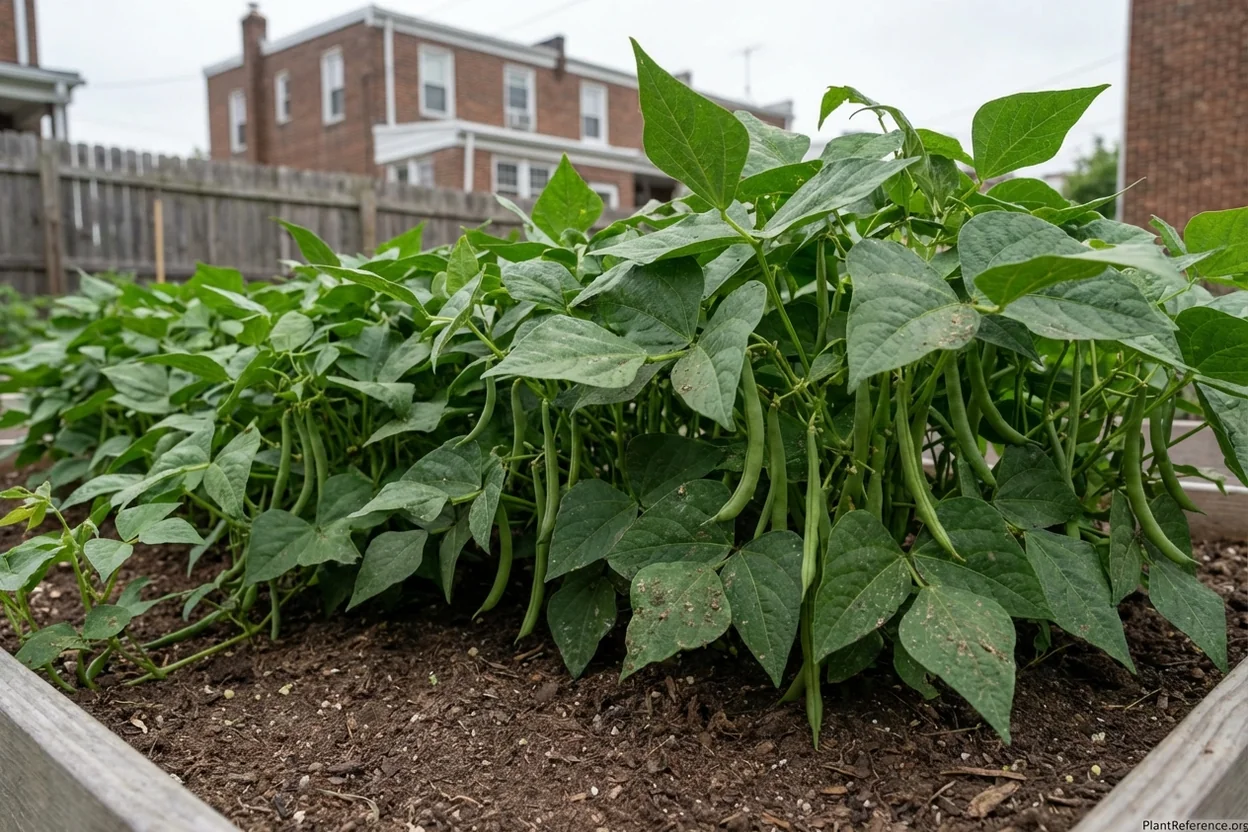
If you've got limited space—and most Philadelphia gardeners do—pole beans give you the biggest bang for your square footage. 🌿Phaseolus vulgaris 'Kentucky Wonder' is the classic choice.
This variety needs 60-70 days to start producing, but once it begins, you'll get beans continuously until frost. One planting in early May will keep producing through October. That's four months of beans from a single sowing, compared to bush beans that give you two weeks.
The trade-off is infrastructure. Kentucky Wonder needs support—poles, trellises, or teepees at least 6-8 feet (1.8-2.4 m) tall. Space plants 6 inches (15 cm) apart at the base of your supports.
Specific Planting Dates for Philadelphia Gardens
Here's your month-by-month planting schedule for when to plant green beans in Philadelphia:
Spring Plantings (Primary Season)
May 1-15: First Planting Window - Soil temperature: 60°F (16°C) minimum at 2-inch (5 cm) depth - Best varieties: Provider, Roma II - Why this timing: Two weeks after average last frost (April 10) - Harvest begins: June 20-July 1
May 15-31: Second Succession - All varieties suitable - Peak growing conditions - Harvest begins: July 5-20
Summer Plantings (Extended Harvest)
June 1-15: Third Succession - Focus on heat-tolerant varieties: Blue Lake, Roma II - Ensure consistent moisture during germination - Harvest begins: July 20-August 5
June 15-July 1: Fourth Succession - Last chance for 60+ day varieties - Provider and Purple Queen excel in rising heat - Harvest begins: August 5-20
July 1-15: Final Summer Planting - Bush varieties only (50-60 day maximum) - Provider, Roma II recommended - Harvest begins: August 20-September 5
Fall Considerations
No Late Summer Planting Needed Unlike hot southern climates, Philadelphia doesn't require a separate fall bean season. Your July plantings will carry you through October, producing right up to the November 5 average first frost.
Soil Temperature Guidelines
Don't rush your first planting. Bean seeds rot in cold, wet soil. Use a soil thermometer to check 2-inch (5 cm) depth in early morning:
55°F (13°C): Still too cold, wait one week
60°F (16°C): Safe for Provider and Roma II
65°F (18°C): Ideal for all varieties including Dragon Tongue
70°F (21°C): Perfect conditions, fastest germination
Complete Growing Guide for Philadelphia Bean Success
Growing green beans successfully in Philadelphia comes down to soil preparation, proper spacing, and consistent care. Here's everything you need to know:
Soil Preparation for Philadelphia Gardens
Philadelphia sits in the Mid-Atlantic region with naturally acidic soils. Most area soils range from pH 5.5-6.5, which is perfect for green beans. They prefer pH 6.0-7.0, so you're usually in good shape without amendments.
Test Your Soil: Take samples from 4-6 inches (10-15 cm) deep in early April. If pH drops below 6.0, add lime according to test recommendations. Apply lime 2-4 weeks before planting.
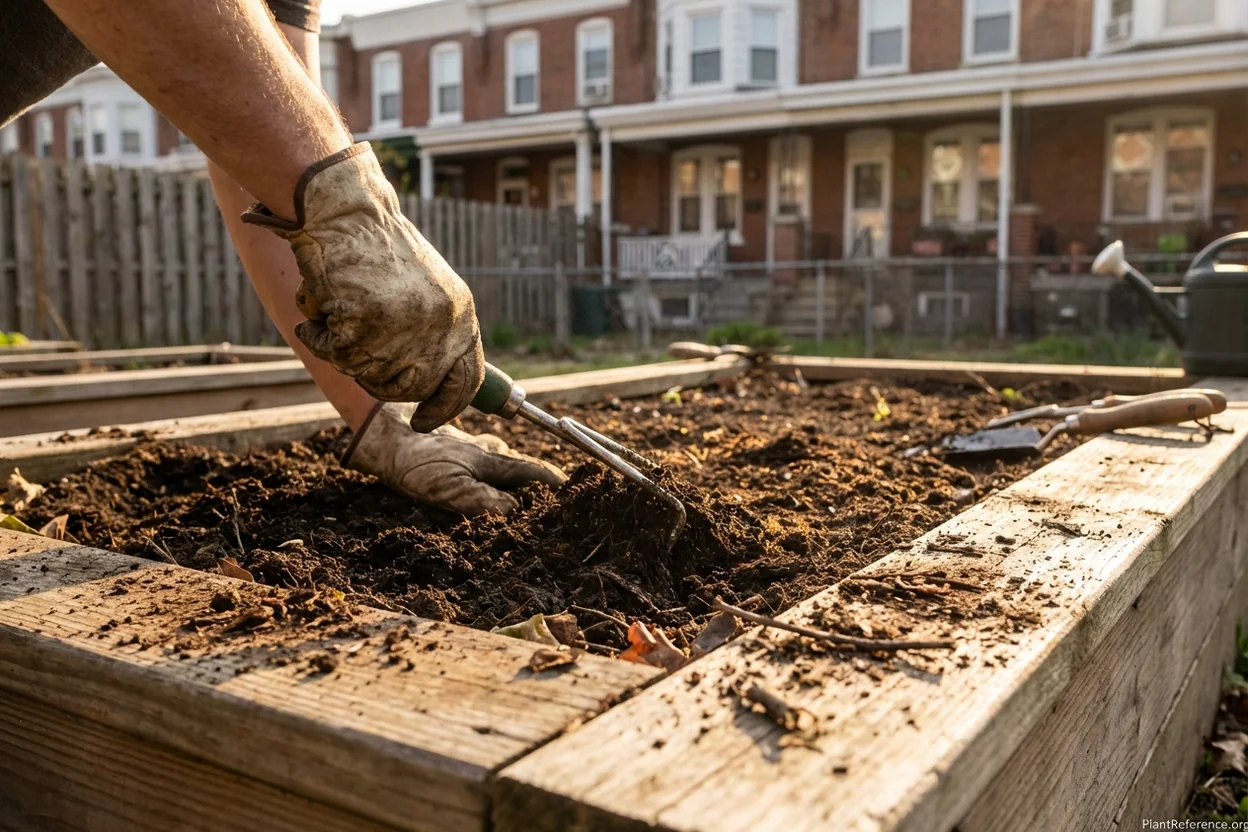
Organic Matter: Add 2-3 inches (5-7.5 cm) of compost to your bean beds each spring. Philadelphia's clay-loam soils benefit from improved drainage and organic matter. Work compost into the top 6 inches (15 cm) of soil.
Avoid High Nitrogen: Don't add nitrogen fertilizer before planting. Green beans fix their own nitrogen through root bacteria. High soil nitrogen prevents this beneficial relationship from forming.
Planting Technique and Spacing
Direct Sowing Only: Never transplant green beans. The taproot breaks easily, causing transplant shock. Always direct sow where plants will grow.
Planting Depth: - Clay soils: 1 inch (2.5 cm) deep - Sandy soils: 1.5 inches (3.75 cm) deep - Loamy soils: 1.25 inches (3.1 cm) deep
Spacing Requirements: - Bush varieties: 4 inches (10 cm) apart, rows 18-24 inches (46-61 cm) wide - Pole varieties: 6 inches (15 cm) apart around support poles - Plant 3-4 seeds per pole, thin to strongest 2-3 plants
Watering Strategy for Philadelphia Climate
Philadelphia averages 41 inches (104 cm) of rainfall annually, but summer distribution can be uneven. Bean plants need consistent moisture, especially during flowering and pod development.
Critical Periods: - Germination (days 0-10): Keep soil evenly moist but not waterlogged - Flowering (days 35-50): Most critical period, 1-1.5 inches (2.5-3.75 cm) weekly - Pod filling (days 45-60): Continue consistent moisture until harvest
Watering Method: Use soaker hoses or drip irrigation when possible. Overhead watering promotes fungal diseases in Philadelphia's humid summers. Water early morning to allow foliage to dry completely.
Support Systems for Pole Beans
Kentucky Wonder and other pole varieties need sturdy support. In Philadelphia's occasional summer storms, inadequate supports mean lost crops.
Pole Options: - 8-foot (2.4 m) cedar posts: Most durable, naturally rot-resistant - Bamboo poles: Economical, adequate for most seasons - Metal T-posts: Very sturdy, can be reused indefinitely
Trellis Systems: A-frame trellises work well for small spaces. Use 2x4 lumber to create an A-frame 6-8 feet (1.8-2.4 m) tall, string with cattle fencing or strong twine in 6-inch (15 cm) squares.
Troubleshooting Philadelphia-Specific Problems
Philadelphia gardeners face unique challenges growing green beans. Here's how to handle the most common issues:
Weather-Related Problems
Late Spring Cold Snaps: Even after April 10, Philadelphia can see surprise cold weather. If temperatures drop below 45°F (7°C) after germination, young plants may be damaged. Use row covers or old bedsheets to protect seedlings.
Summer Heat Stress: While Philadelphia isn't as hot as further south, temperatures above 85°F (29°C) can cause flower drop. This usually occurs in July-August. Maintain consistent soil moisture and consider shade cloth during extreme heat waves.
September Hurricane Remnants: Tropical storm remnants occasionally reach Philadelphia in early fall. Stake pole beans securely and harvest what you can before storms arrive.
Pest Management
Mexican Bean Beetles: These copper-colored beetles with black spots are Philadelphia's most serious bean pest. Adults overwinter locally and emerge in June just as your beans are establishing.
Check undersides of leaves weekly for orange egg clusters. Remove by hand or use insecticidal soap. Row covers during early growth prevent initial infestation.
Aphids: Green peach aphids cluster on growing tips, especially during cool, wet periods common in Philadelphia springs. Strong water spray dislodges them, or use insecticidal soap for heavier infestations.
Slugs: Philadelphia's humid conditions favor slugs, especially in shaded gardens. They chew holes in leaves and pods. Beer traps or copper barriers provide control.
Disease Prevention
White Mold (Sclerotinia): This fungal disease thrives in Philadelphia's humid conditions, especially when plants are overcrowded. Ensure proper spacing, avoid overhead watering, and provide good air circulation.
Bacterial Blight: Water-soaked spots on leaves and pods indicate bacterial problems. Avoid working in wet gardens and choose resistant varieties like Blue Lake when possible.
Rust: Orange pustules on leaf undersides occur during humid weather. Provide adequate spacing and consider copper fungicides for severe outbreaks.
Harvest & Storage Tips for Maximum Yield
Knowing when and how to harvest green beans makes the difference between a good crop and a great one. Philadelphia's climate gives you flexibility most gardeners don't have.
Optimal Harvest Timing
Bush Beans: Begin checking 50-55 days after planting Provider, 55-60 days for Roma II and Purple Queen. Pods should snap crisply when bent. If they bend without breaking, wait 2-3 more days.
Pole Beans: Kentucky Wonder begins producing 60-70 days after planting. Unlike bush beans, pole beans continue producing new flowers and pods for months. Harvest every 2-3 days to keep production going.
Daily Timing: Harvest early morning when pods are crisp and full of moisture. Avoid harvesting during heat of day when pods may be limp.
Harvest Technique
Pick pods when they're pencil-thick and before seeds bulge noticeably inside. Grasp the stem with one hand, pod with the other, and pull gently. Yanking damages the plant and reduces future production.
For heavy production periods, use both hands—hold the branch steady while picking pods. This prevents breaking branches and damaging flower clusters.
Extending Your Harvest Season
Succession Planting Results:Following the Philadelphia planting schedule gives you:
May 1 planting: Harvest June 20-July 5
May 15 planting: Harvest July 5-20
June 1 planting: Harvest July 20-August 5
June 15 planting: Harvest August 5-20
July 1 planting: Harvest August 20-September 5
July 15 planting: Harvest September 5-20
Plus: Kentucky Wonder planted May 1 produces continuously July 1 through October 15.
Storage and Preservation
Fresh Storage: Green beans keep 5-7 days refrigerated in perforated plastic bags. Don't wash until ready to use.
Freezing: Philadelphia's extended harvest makes freezing worthwhile. Blanch beans 3 minutes in boiling water, immediately plunge into ice water for 3 minutes, drain, and freeze in meal-sized portions.
Canning: Roma II and Blue Lake varieties hold up best for canning. Use only tested recipes and processing times for safe home canning.
Frequently Asked Questions
Reading about plants and recognising them are different skills. These three build the second.
- Daily PlantIdentify the day’s mystery plant from a close-up photograph.
- Keyed OutWork a dichotomous key, lead by lead, to name a hidden specimen.
- Name That PlantName a specimen from botanical clues dealt hardest first.
Free to play, no account needed
Frank retired from the city parks department after 28 years, the last fifteen as a grounds supervisor overseeing park plantings and maintenance crews. He now spends his time volunteering at a local historic garden, maintaining his own half-acre property in the Roxborough neighborhood, and writing about landscape maintenance, seasonal timing, and the practical side of keeping plants healthy through Mid-Atlantic winters and humid summers. Frank knows what works at scale and what's a waste of time—he's planted thousands of trees and shrubs and watched plenty of them fail. His advice tends toward what's proven and durable rather than what's trendy.