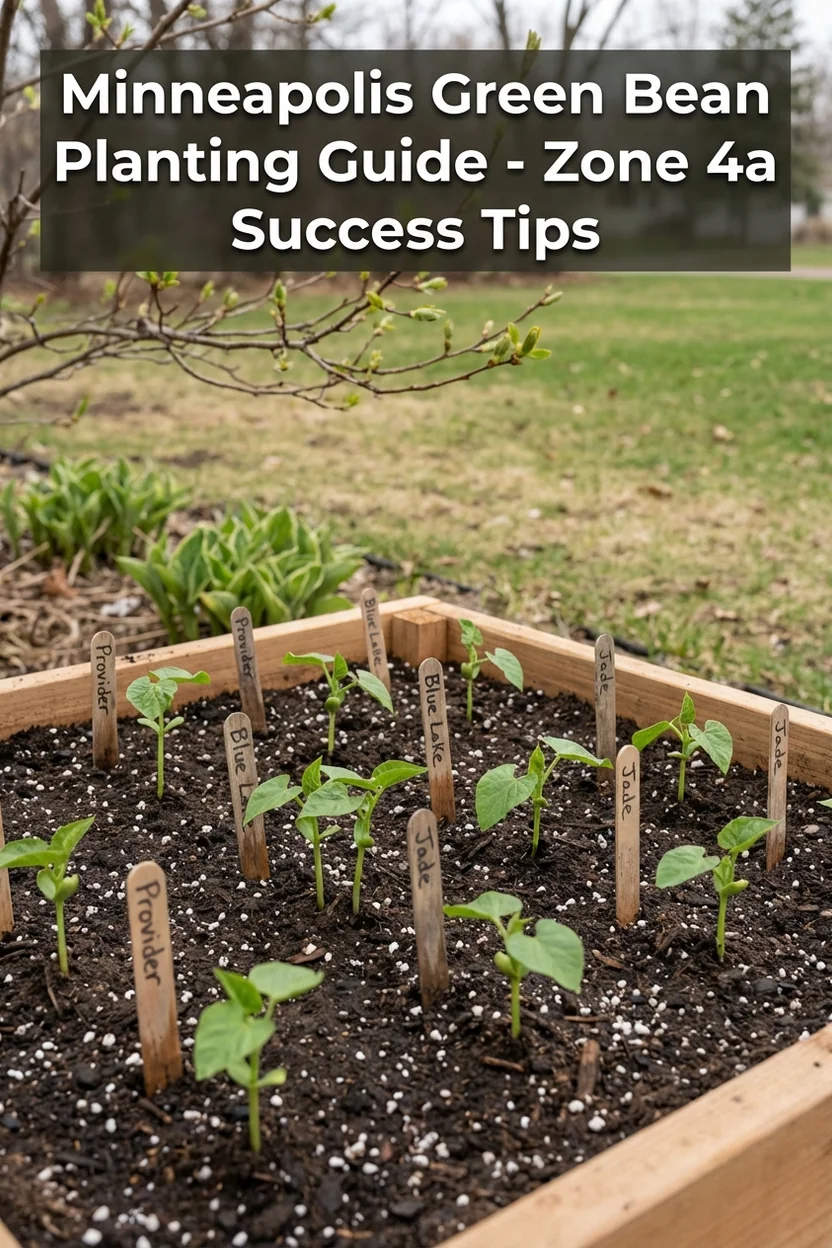
When to Plant Green Beans in Minneapolis: Complete Guide + Best Varieties for Zone 4a
Pets & Toxicity
Recorded toxicity for plants linked in this guide. An unknown status is not a safety assessment.
No linked plant is recorded as toxicDetailsHide
Phaseolus vulgaris 'Blue Lake' — Toxicity
Non-toxic when cooked. Raw pods carry lectins (phytohemagglutinin) that cause digestive upset on raw consumption — pods are cooked before eatingView Phaseolus vulgaris 'Blue Lake' plant profilePhaseolus vulgaris 'Kentucky Wonder' — Toxicity
Non-toxicView Phaseolus vulgaris 'Kentucky Wonder' plant profilePhaseolus vulgaris 'Purple Queen' — Toxicity
Non-toxicView Phaseolus vulgaris 'Purple Queen' plant profilePhaseolus vulgaris 'Dragon Tongue' — Toxicity
Non-toxicView Phaseolus vulgaris 'Dragon Tongue' plant profile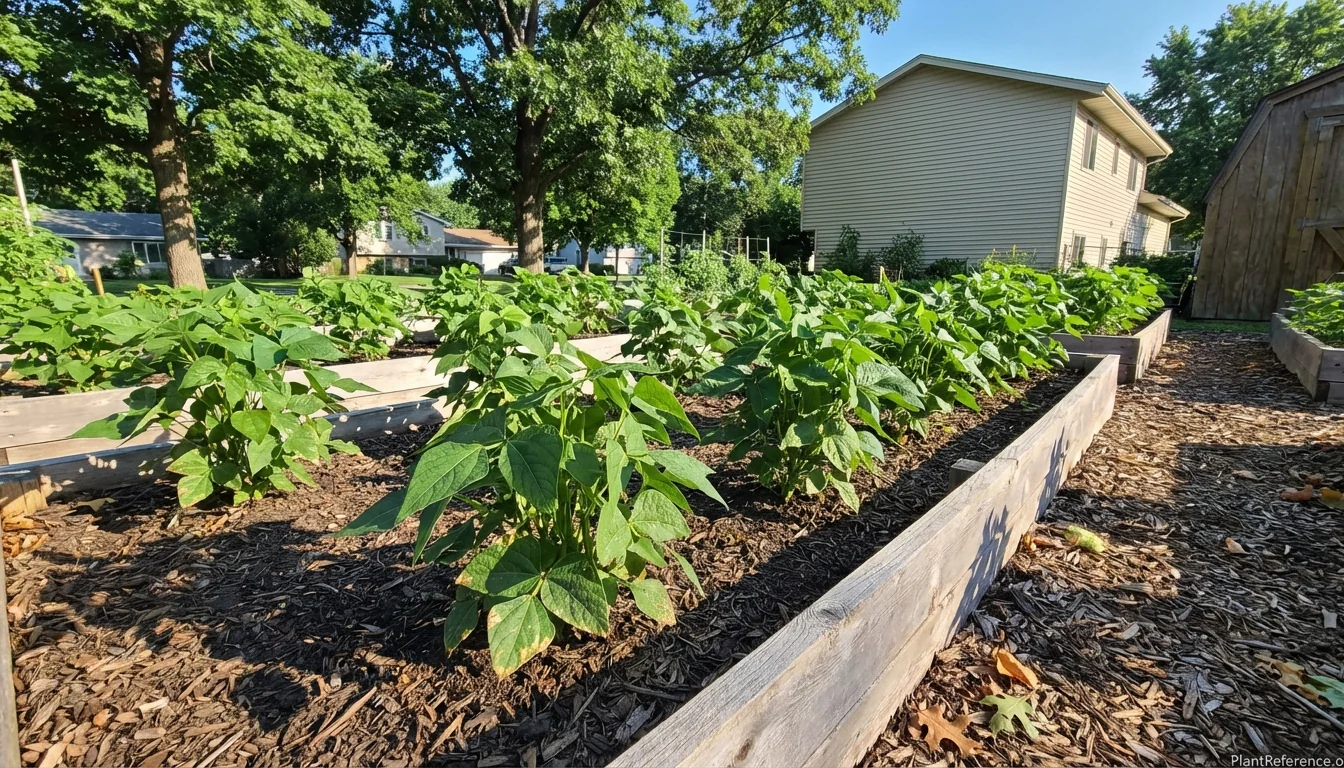
— Image © Plant Reference 2026
Growing green beans in Minneapolis means working with Minnesota's Zone 4a climate—a short but productive 138-day growing season that rewards careful timing and smart variety choices. I've been gardening in this climate for four decades, and I'll tell you exactly when and what to plant for success.
Best Green Bean Varieties for Minneapolis's Climate
Zone 4a's short season demands varieties that mature quickly and tolerate cool soil. Not all green beans are created equal when you're working with frost dates from May 14 to September 29.
Top Varieties for Zone 4a Short Seasons
Variety | Days to Maturity | Best For | Notes for Minneapolis |
|---|---|---|---|
50-55 days | Quick harvest | Perfect for Zone 4a short season | |
55-65 days | Main crop | Reliable producer in cool conditions | |
53-60 days | Processing | Wide flat pods, disease resistant | |
55-60 days | Easy harvesting | Purple pods visible against foliage | |
55-60 days | Specialty crop | Unique appearance, tender texture | |
60-70 days | Pole variety | Risky for Zone 4a, needs protection |
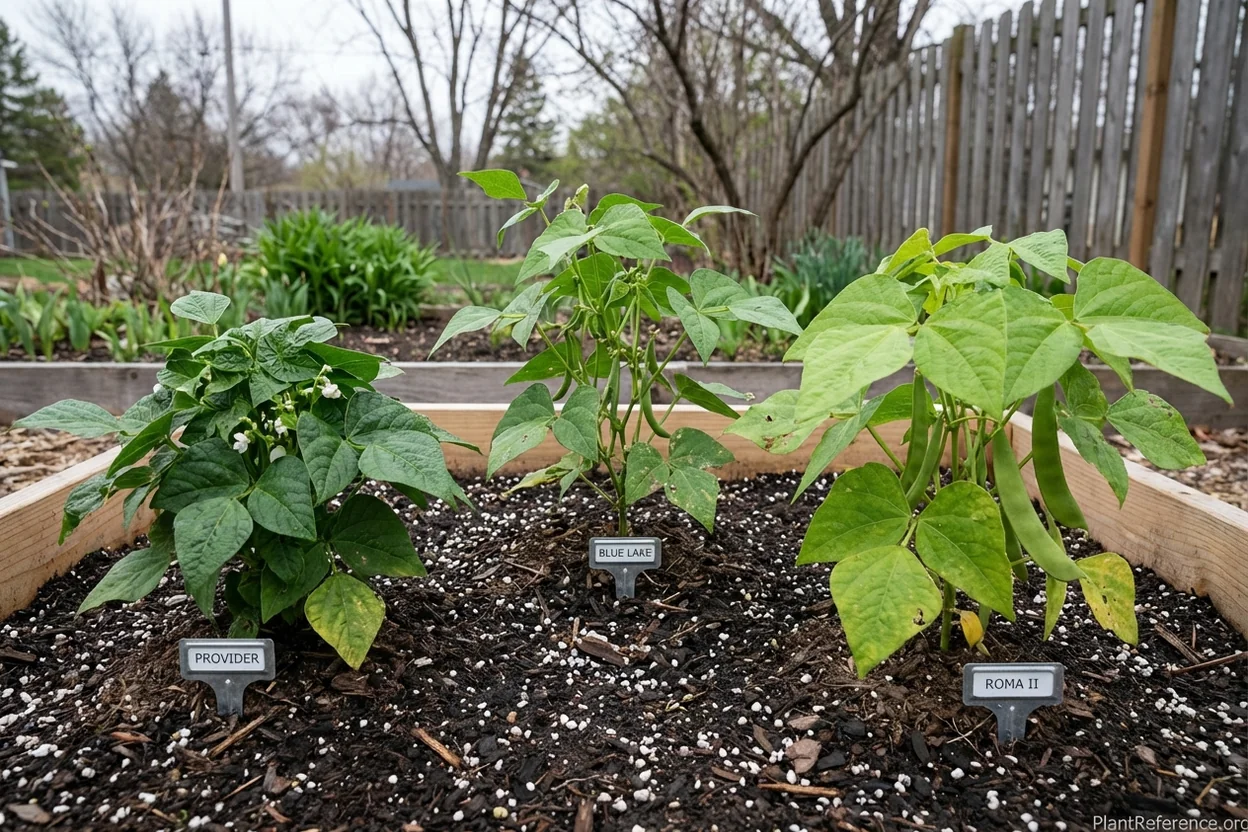
🌿Phaseolus vulgaris 'Provider' is my go-to recommendation for Minneapolis. At 50-55 days, it's the fastest variety available and specifically bred for reliability in challenging conditions. This bush bean tolerates cooler soil better than most varieties, making it perfect for our sometimes stubborn spring weather.
🌿Phaseolus vulgaris 'Blue Lake' provides excellent yields and quality but needs the full season. Plant this one first, right after soil warms, to ensure full maturation before September frost.
🌿Phaseolus vulgaris 'Roma II' offers those flat Romano-style pods that are excellent for freezing. The disease resistance is valuable in our humid summers.
For adventurous gardeners, 🌿Phaseolus vulgaris 'Purple Queen' makes harvesting easier—those purple pods stand out against green leaves like beacons.
Bush vs Pole Varieties for Short Seasons
In Minneapolis's 138-day season, bush varieties are your safest bet. They mature faster and allow for succession plantings. 🌿Phaseolus vulgaris 'Kentucky Wonder' is the only pole variety I'd attempt here, and only with season extension techniques like row covers.
Bush beans produce their harvest all at once—perfect for freezing large batches. Pole beans produce continuously but need the full season to reach peak production.
Specific Planting Dates for Minneapolis
Working with Minneapolis's frost dates requires precision. Our last spring frost averages May 14, and our first fall frost hits around September 29. That gives us exactly 138 days to work with.
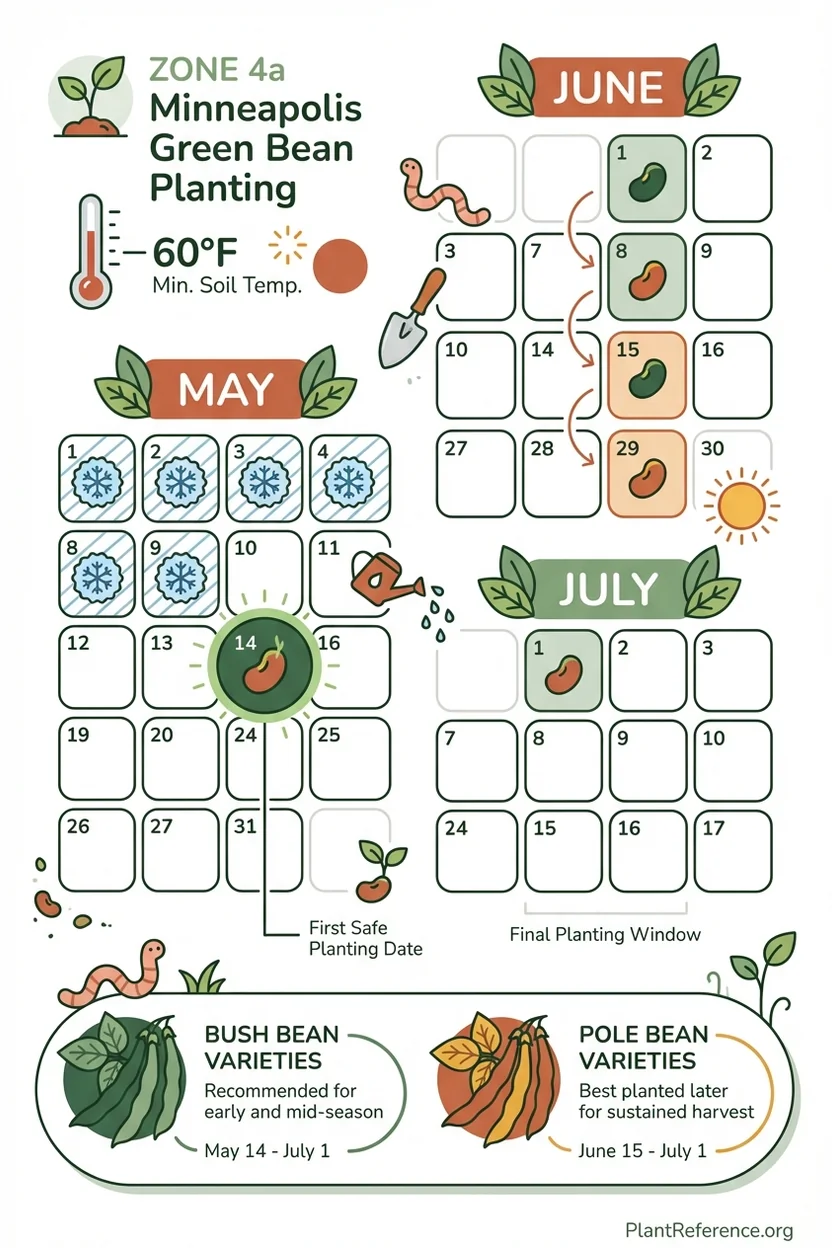
First Planting: May 14-21
Wait until soil temperature reaches 60°F (16°C) consistently. In Minneapolis, this typically happens by May 14, but check with a soil thermometer. Cold, wet soil leads to seed rot.
Plant 🌿Phaseolus vulgaris 'Provider' and 🌿Phaseolus vulgaris 'Blue Lake' first. These varieties handle cooler conditions better than others.
Second Planting: June 1-7
Two weeks after your first planting, sow 🌿Phaseolus vulgaris 'Roma II' and 🌿Phaseolus vulgaris 'Purple Queen'. By now, soil is consistently warm, and germination will be faster.
Third Planting: June 15-22
Your final bush bean succession planting should focus on 🌿Phaseolus vulgaris 'Provider' again—its 50-day maturity ensures harvest before frost.
Last Chance Planting: July 1
The absolute latest you can plant in Minneapolis is July 1, and only with 🌿Phaseolus vulgaris 'Provider'. Count backward from September 29: 50 days for maturity plus 10 days for harvesting equals July 1 as your cutoff date.
Soil Temperature Guidelines
Never plant when soil temperature is below 55°F (13°C). Seeds will sit in cold, wet soil and rot. Use black plastic mulch or row covers to warm soil if you're eager to start early.
In Minneapolis, soil typically reaches:
55°F by May 7-10
60°F by May 14-17
65°F by May 21-24
Complete Growing Guide for Minneapolis
Success with green beans in Minneapolis comes down to understanding our unique growing conditions: short season, variable spring weather, and the need to maximize every day of our growing season.
Soil Preparation
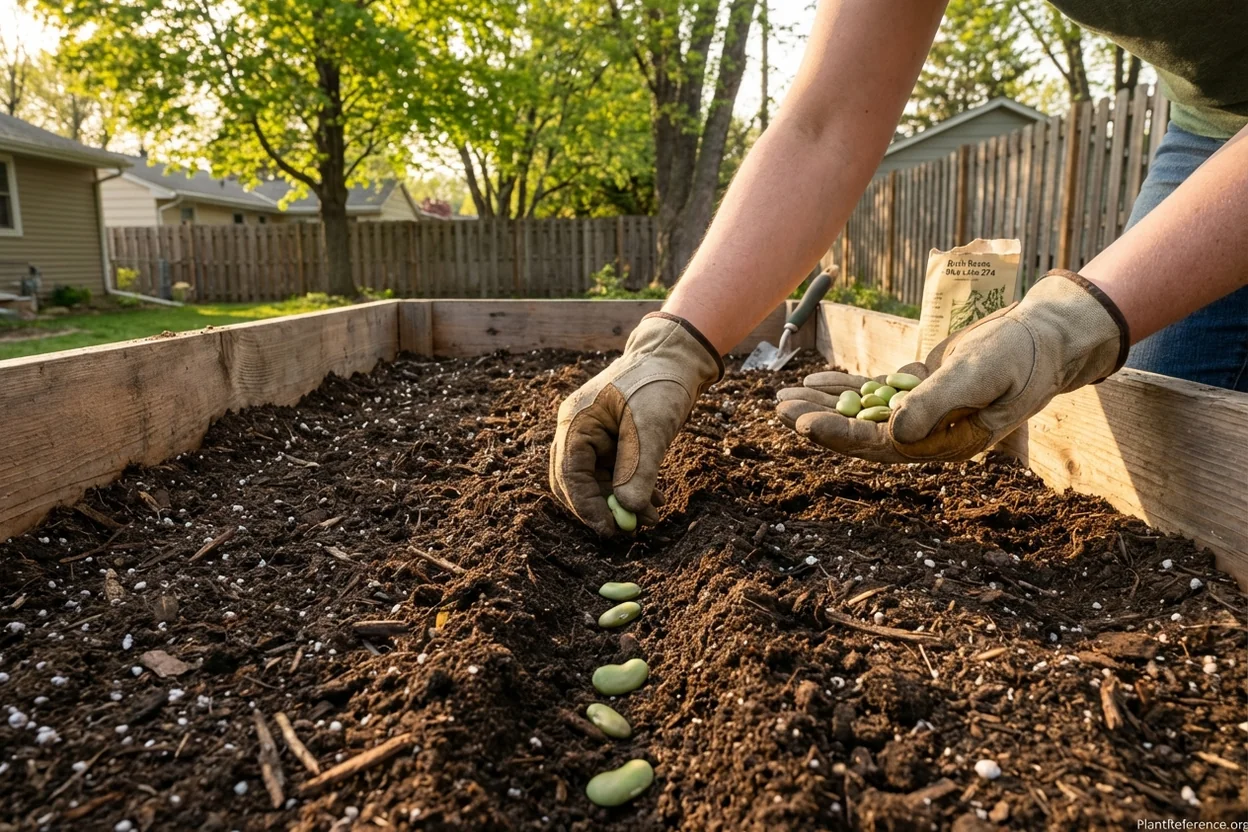
Green beans fix their own nitrogen through root nodules, but they need well-draining soil with a pH between 6.0-7.0. Minneapolis clay soils often need amendments.
Test your soil pH in early April. If it's below 6.0, add lime in fall for next year. If it's above 7.5, work in sulfur or peat moss to lower it.
Add 2-3 inches of compost to heavy clay soils. This improves drainage—critical because beans hate "wet feet."
Direct Seeding Technique
Plant seeds 1 inch deep in clay soil, 1.5 inches deep in sandy soil. Space bush varieties 4 inches apart, pole varieties 6 inches apart.
Create furrows with a hoe, plant seeds, then cover and firm gently. Water immediately but don't soak—too much water causes seeds to rot in cool soil.
Inoculation for Better Yields
Since you're direct seeding, consider inoculating seeds with rhizobia bacteria. This ensures good nodulation for nitrogen fixation, especially important in new garden beds.
Dampen seeds slightly, roll in inoculant powder, then plant immediately. The bacteria help beans produce their own nitrogen fertilizer.
Spacing and Row Layout
For bush beans: Plant in rows 18-24 inches apart with 4-inch spacing between plants. This allows for good air circulation while maximizing yields.
For pole beans: Space plants 6 inches apart with 4-foot spacing between rows to accommodate trellises.
Watering Requirements
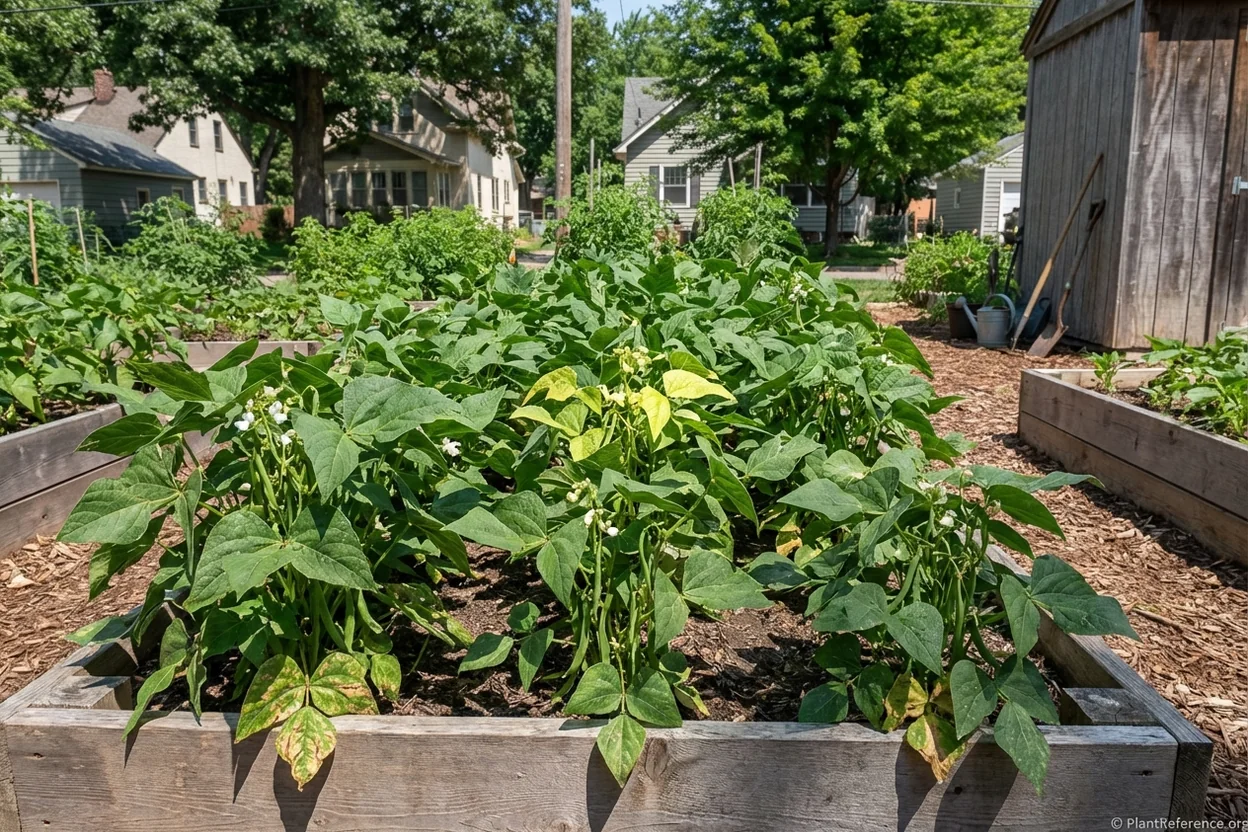
Beans need consistent moisture, especially during flowering and pod development. In Minneapolis's variable weather, this usually means supplemental irrigation.
Provide 1-1.5 inches of water per week. Use drip irrigation or soaker hoses to keep foliage dry—wet leaves invite disease.
Water deeply but less frequently to encourage deep root growth. Surface watering creates shallow roots that struggle in dry spells.
Fertilizing Strategy
Since beans fix nitrogen, avoid high-nitrogen fertilizers. Instead, use a balanced starter fertilizer like 5-10-10 at planting.
Side-dress with compost mid-season if plants look pale. Excessive nitrogen delays flowering and reduces pod set.
Temperature Management
Minneapolis nights can dip into the 40s even in June. Beans slow their growth significantly below 50°F and stop entirely below 45°F.
Keep row covers handy for unexpected cool spells. Remove covers once plants flower—beans need insects for pollination.
Troubleshooting Minneapolis-Specific Problems
Minneapolis gardeners face unique challenges with green beans. Our variable spring weather, humidity, and specific pest pressure require targeted solutions.
Late Spring Cold Snaps
Even after May 14, Minneapolis can experience surprise cold nights. Temperatures below 35°F will kill bean plants.
Solution: Keep row covers ready through early June. Lightweight fabric covers provide 3-4°F protection without blocking sunlight.
Heavy Clay Soil Issues
Minneapolis clay holds too much water, leading to seed rot and poor root development.
Solution: Build raised beds 8-12 inches high, or work in 3-4 inches of coarse sand and compost to improve drainage.
Short Season Limitations
With only 138 frost-free days, timing mistakes are costly.
Solution: Focus on varieties 60 days or less. Start with 🌿Phaseolus vulgaris 'Provider' for guaranteed harvest, then experiment with longer-season varieties.
Cutworm Damage
These soil-dwelling caterpillars cut young bean stems at ground level, common in Minneapolis gardens.
Solution: Place cardboard collars around seedlings or sprinkle diatomaceous earth around plants.
Bean Leaf Beetle
This spotted, yellow-brown beetle chews holes in leaves and can transmit viruses.
Solution: Row covers until flowering, then beneficial insects like parasitic wasps provide control.
Harvest & Storage
Harvest timing determines both quality and continued production. Pick beans at the right stage, and plants will produce more pods.
When to Harvest
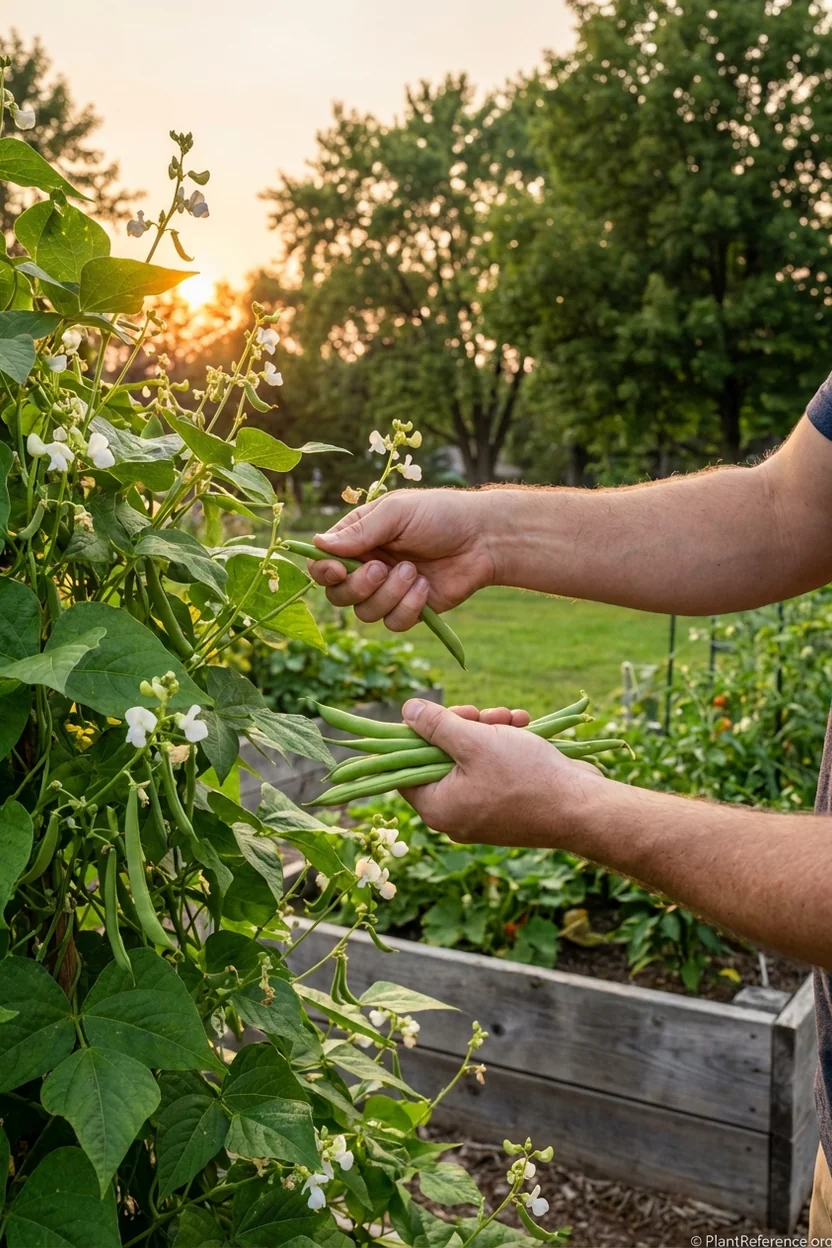
Pick beans when pods are firm but seeds inside are still small. The pod should snap crisply when bent—if it bends without snapping, it's past prime.
For 🌿Phaseolus vulgaris 'Provider', start checking at 50 days. For 🌿Phaseolus vulgaris 'Blue Lake', begin harvest at 55 days.
Harvest every 2-3 days to keep plants producing. Leaving mature pods on the plant signals it to stop flowering.
Storage Methods
Fresh beans keep 5-7 days in the refrigerator in perforated bags. For longer storage, blanch and freeze within hours of harvest.
To blanch: Boil beans 3 minutes, plunge into ice water, drain, then package for freezing. Properly blanched beans maintain quality for 8-10 months.
Extending the Harvest
In late August, consider protecting plants with row covers on cool nights. This can extend harvest 2-3 weeks past the first light frost.
Frequently Asked Questions
Reading about plants and recognising them are different skills. These three build the second.
- Daily PlantIdentify the day’s mystery plant from a close-up photograph.
- Keyed OutWork a dichotomous key, lead by lead, to name a hidden specimen.
- Name That PlantName a specimen from botanical clues dealt hardest first.
Free to play, no account needed
Amanda came to gardening through an unexpected route—after developing chronic pain from rheumatoid arthritis in her late 20s, she started researching adaptive gardening techniques that would allow her to continue growing plants without aggravating her condition. Now based in Minneapolis, she writes about accessible gardening, raised bed designs for people with mobility challenges, and ergonomic tools that reduce strain. Amanda completed a certificate in sustainable urban agriculture and volunteers with a nonprofit that builds accessible community gardens. She grows vegetables, herbs, and flowers in waist-high raised beds she designed herself. Her writing focuses on practical solutions that work for real people with real limitations—whether that's arthritis, limited mobility, or just a bad back.