When to Plant Green Beans in Dallas: Complete Guide + Best Varieties for Zone 8a
Pets & Toxicity
Recorded toxicity for plants linked in this guide. An unknown status is not a safety assessment.
No linked plant is recorded as toxicDetailsHide
Phaseolus vulgaris 'Kentucky Wonder' — Toxicity
Non-toxicView Phaseolus vulgaris 'Kentucky Wonder' plant profilePhaseolus vulgaris 'Blue Lake' — Toxicity
Non-toxic when cooked. Raw pods carry lectins (phytohemagglutinin) that cause digestive upset on raw consumption — pods are cooked before eatingView Phaseolus vulgaris 'Blue Lake' plant profilePhaseolus vulgaris 'Purple Queen' — Toxicity
Non-toxicView Phaseolus vulgaris 'Purple Queen' plant profilePhaseolus vulgaris 'Dragon Tongue' — Toxicity
Non-toxicView Phaseolus vulgaris 'Dragon Tongue' plant profile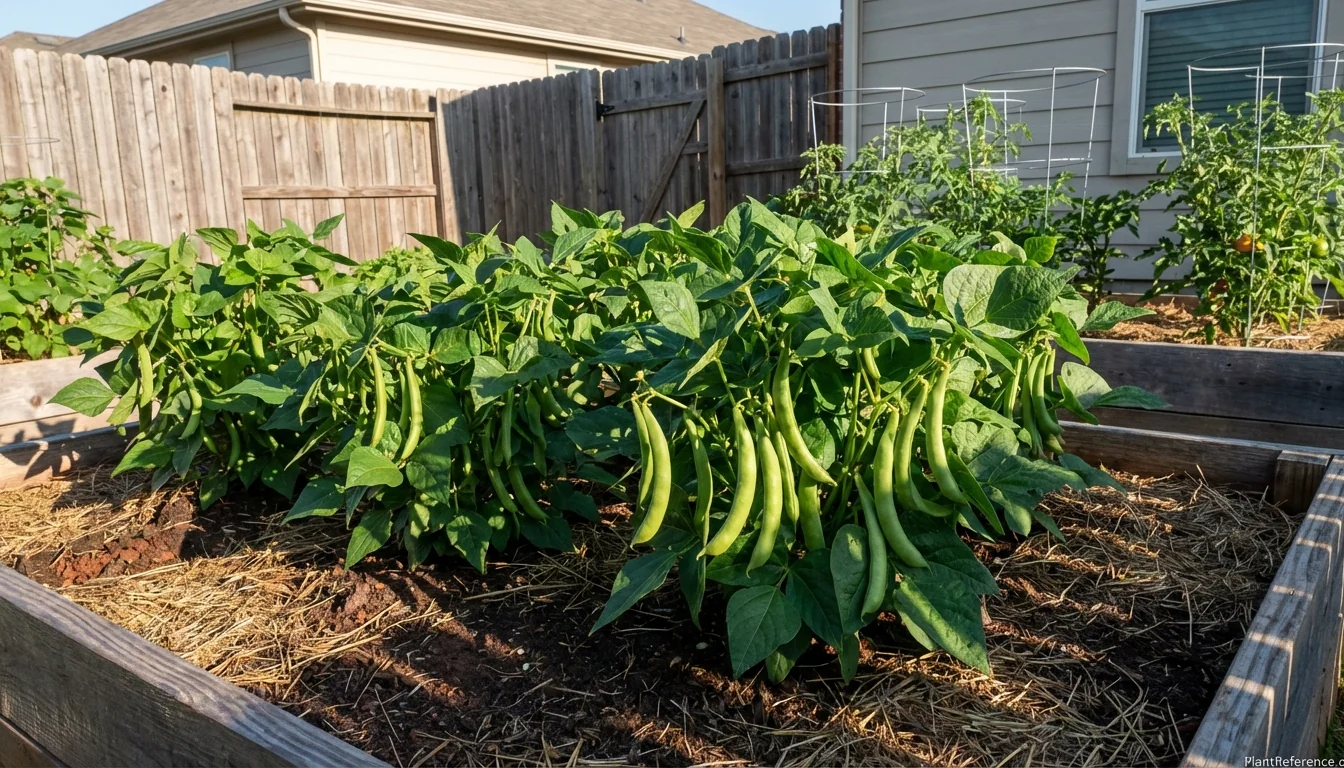
— Image © Plant Reference 2026
Growing green beans in Dallas requires working with Texas heat rather than against it. After forty years of vegetable gardening, I've learned that Dallas's Zone 8a climate offers two excellent bean seasons with a mandatory summer break when temperatures soar above 95°F (35°C).
Best Green Bean Varieties for Dallas's Climate
Dallas gardeners have a 255-day growing season from March 15 to November 25, but green beans can't handle the brutal July and August heat. Your variety selection determines success during our intense Texas summers.
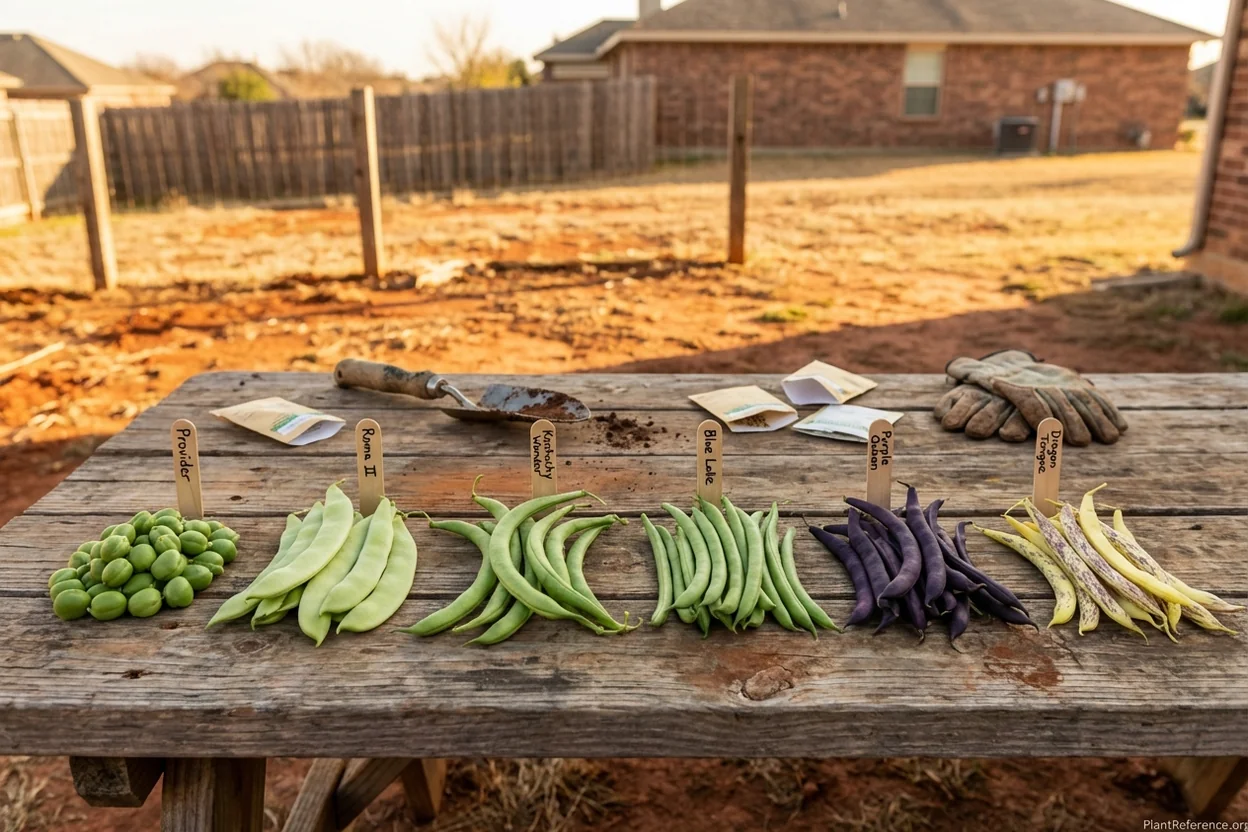
Bush vs Pole Varieties for Texas Heat
Bush beans mature faster and handle temperature stress better than pole varieties. In Dallas, quick maturity means harvest before the July heat wave kills flower production.
Best Bush Varieties for Dallas:
🌿Phaseolus vulgaris 'Provider': 50-55 days, earliest harvest
🌿Phaseolus vulgaris 'Roma II': 53-60 days, heat-tolerant Romano type
🌿Phaseolus vulgaris 'Purple Queen': 55-60 days, easy harvest visibility
Pole Varieties for Extended Seasons:
🌿Phaseolus vulgaris 'Kentucky Wonder' works well for fall planting when temperatures moderate. The 60-70 day maturity allows planting in late August for October through November harvest.
Variety | Days to Maturity | Best For | Notes for Dallas |
|---|---|---|---|
50-55 days | Quick spring harvest | Perfect for beating summer heat | |
53-60 days | Processing and fresh use | Wide pods, heat-tolerant | |
55-60 days | Easy harvesting | Purple pods visible against foliage | |
55-65 days | Premium quality | Better for fall planting | |
55-60 days | Gourmet markets | Struggles in extreme heat | |
60-70 days | Fall pole crop | Excellent cool weather producer |
Heat Tolerance Considerations
Dallas temperatures routinely exceed 95°F (35°C) from June through August. Bean flowers abort when nighttime temperatures stay above 75°F (24°C) for extended periods. This makes variety selection and timing crucial for success.
🌿Phaseolus vulgaris 'Provider' consistently produces pods even when temperatures spike to 90°F (32°C) during late May. The compact bush habit creates less transpiration stress compared to sprawling pole beans.
Specific Planting Dates for Dallas
Dallas's Zone 8a climate divides bean growing into two distinct seasons separated by summer heat that prevents proper pollination and pod set.
Spring Planting Window: March 15 - May 1
First Spring Planting: March 15-20
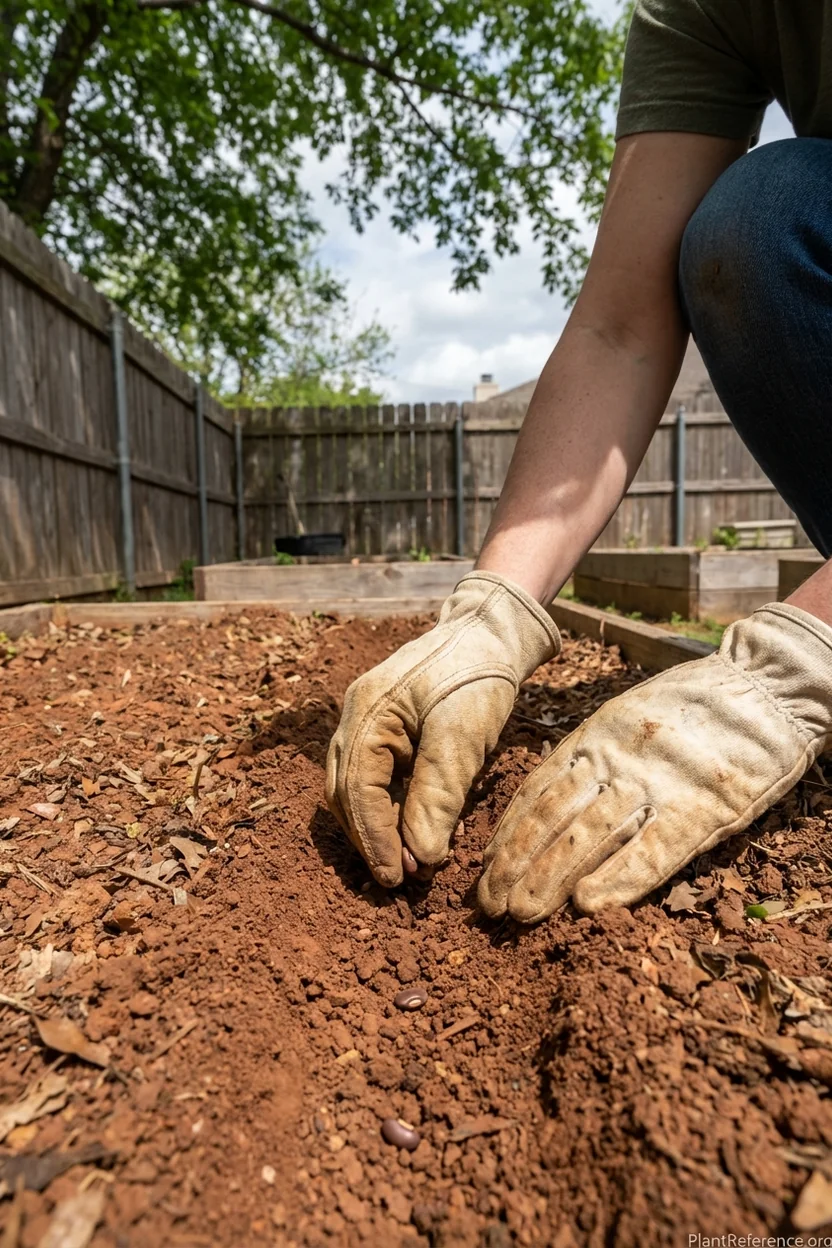
Start with 🌿Phaseolus vulgaris 'Provider' for your earliest harvest. Soil temperature should reach 60°F (15°C) consistently. Plant 1 inch (2.5 cm) deep in our heavy clay soil.
Succession Plantings:
March 30: Second Provider planting
April 15: Roma II for processing harvest
April 30: Final spring planting of Blue Lake
Why May 1 is the Cutoff:
Beans planted after May 1 face flowering during June heat. When daytime temperatures exceed 95°F (35°C), pollen becomes nonviable and flowers drop without forming pods.
Fall Planting Window: August 1 - September 15
Early Fall Planting: August 1-15
Plant 🌿Phaseolus vulgaris 'Kentucky Wonder' pole beans for extended fall harvest. The 70-day maturity puts harvest starting in mid-October when temperatures moderate.
Late Fall Succession:
August 15: Provider for quick October harvest
August 30: Roma II for November processing
September 15: Final planting for late November harvest
Calculating Your Planting Dates
For Spring Plantings: Last frost (March 15) + 7 days safety = March 22 earliest planting Add variety maturity days to determine harvest start
For Fall Plantings: First frost (November 25) - variety maturity days = latest planting date 🌿Phaseolus vulgaris 'Provider' (55 days): September 30 latest planting
Complete Growing Guide for Dallas
Dallas's challenging climate requires specific techniques for green bean success. Our red clay soil, intense summer heat, and irregular rainfall patterns demand careful management.
Soil Preparation for Texas Clay
Dallas clay soil presents unique challenges for bean cultivation. The heavy texture holds water but prevents oxygen penetration, leading to seed rot and poor root development.
Clay Soil Amendments:
Add 2-3 inches (5-8 cm) of compost annually
Work in coarse sand at 1:1 ratio for drainage
Create raised beds 4-6 inches (10-15 cm) high
Add perlite or expanded shale for aeration
Test soil pH annually. Dallas clay tends toward alkaline (7.2-7.8), while beans prefer 6.0-7.0 pH. Sulfur applications lower pH gradually over several months.
Water Management in Dallas Heat
Consistent moisture prevents flower drop during temperature stress. Dallas receives irregular rainfall, making irrigation essential during critical growth periods.
Irrigation Schedule:
Germination phase: Daily light watering for 7-10 days
Vegetative growth: 1 inch (2.5 cm) per week
Flowering/pod set: 1.5 inches (3.8 cm) per week
Never water overhead during hot afternoons
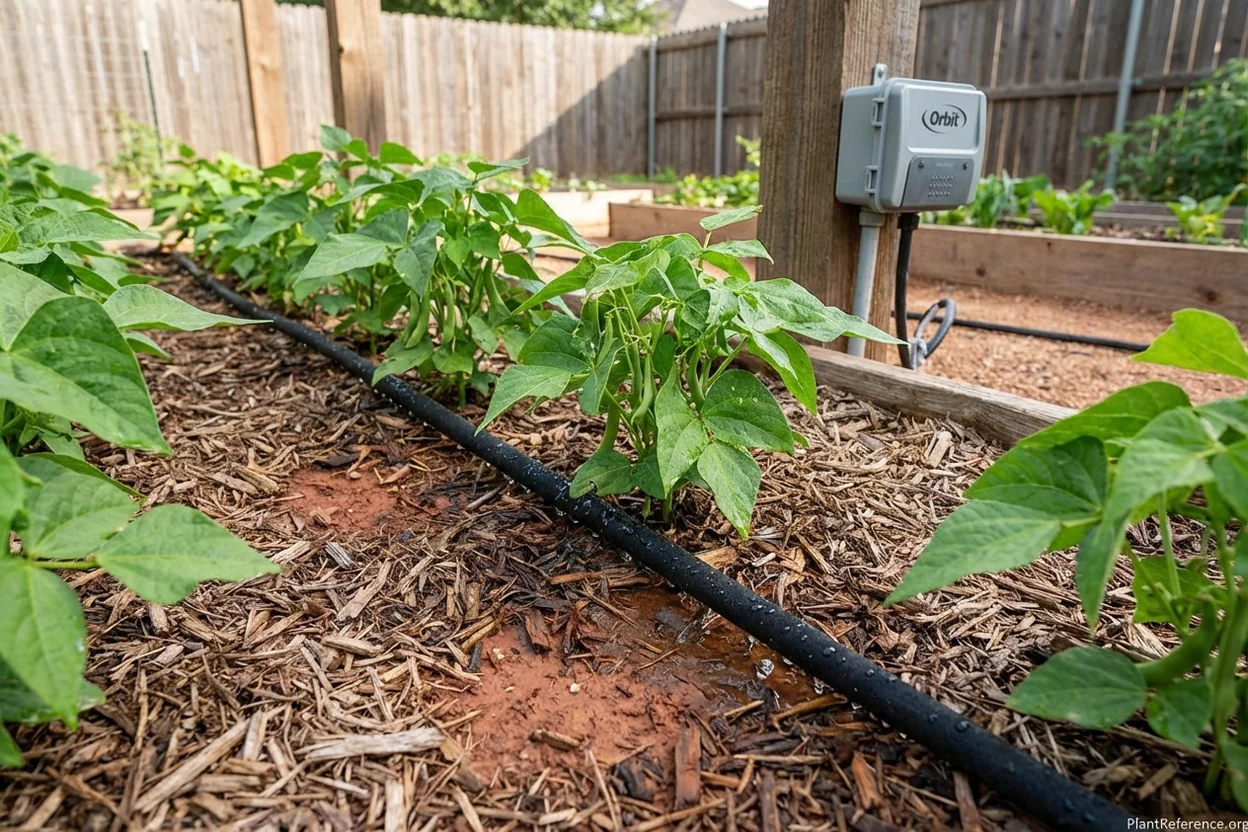
Install drip irrigation or soaker hoses to maintain soil moisture without wetting foliage. Wet leaves in Dallas humidity invite bacterial and fungal diseases.
Mulching for Heat Protection
Mulching becomes critical during Dallas summers when soil temperatures can exceed 100°F (38°C). Hot soil stresses root systems and reduces nutrient uptake.
Apply 2-3 inches (5-8 cm) of organic mulch around plants after they reach 4 inches (10 cm) height. Aged compost, shredded leaves, or grass clippings work well. Keep mulch 2 inches (5 cm) away from stems to prevent pest problems.
Fertilization Strategy
Beans fix their own nitrogen through root nodule bacteria, but Dallas clay often lacks phosphorus and potassium needed for proper nodule formation and pod development.
Pre-Plant Application: Mix 2-3 inches (5-8 cm) of compost into planting area Apply balanced organic fertilizer (5-10-10) at soil preparation
Side-Dress Applications: When flowers appear: Light application of low-nitrogen fertilizer During pod development: Potassium supplement for pod fill
Avoid high-nitrogen fertilizers that promote leaf growth over pod production. Over-fertilized plants become more susceptible to Mexican bean beetle damage.
Season Extension Techniques
Extend both spring and fall seasons using protective covers and microclimate management.
Spring Protection: Row covers protect young plants from late cold snaps Black plastic mulch warms soil for earlier planting Clear plastic tunnels capture solar heat during cool mornings
Fall Extension: Frost blankets protect plants during first light freezes Cold frames allow harvesting into December Plant against south-facing walls for thermal mass protection
Troubleshooting Dallas-Specific Problems
Dallas gardeners face unique challenges from extreme heat, clay soil drainage issues, and specific regional pests that thrive in our climate.
Heat Stress Management
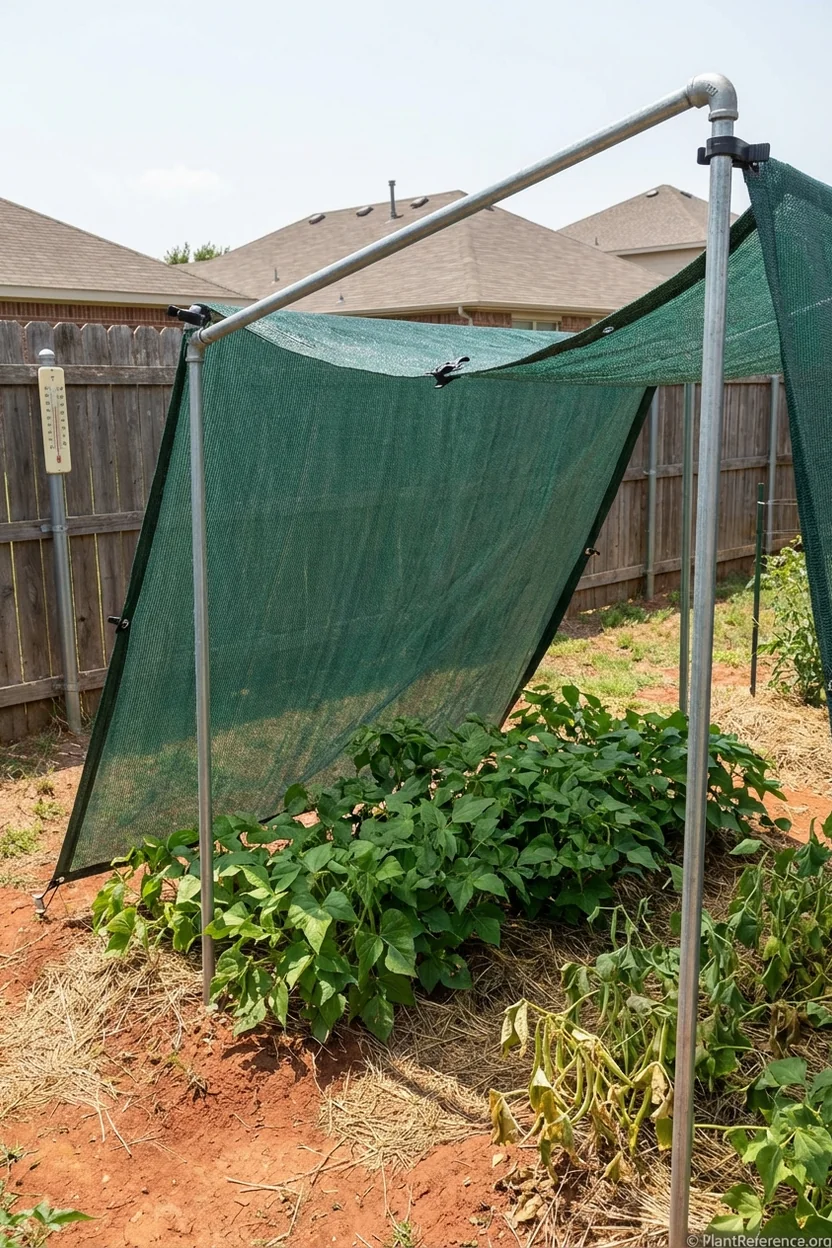
Symptoms: Flower drop, wilted appearance during hottest part of day, poor pod set Cause: Temperatures above 90°F (32°C) during flowering period Solutions: Plant early varieties before June heat, provide afternoon shade using shade cloth, maintain consistent soil moisture, harvest frequently to prevent plant shutdown
Clay Soil Drainage Problems
Symptoms: Yellowing leaves, stunted growth, seed rot before germination Cause: Poor drainage in Dallas clay soil, especially after heavy rains Solutions: Build raised beds 6-8 inches (15-20 cm) high, add expanded shale to improve drainage, plant on mounds rather than flat ground, avoid walking on wet clay soil which compacts further
Mexican Bean Beetle Pressure
This copper-colored pest with black spots particularly thrives in Dallas's hot, humid conditions. The larvae skeletonize leaves rapidly during summer heat when plants are already stressed.
Integrated Management: Row covers during egg-laying period (May-June) Hand-picking adults and yellow egg clusters from leaf undersides Beneficial insect habitat using native flowering plants Spinosad applications for severe infestations
Bacterial Blight in Humidity
Dallas's combination of heat and humidity creates ideal conditions for bacterial diseases that cause water-soaked spots on leaves and pods.
Prevention: Never water overhead during hot weather Ensure adequate spacing for air circulation Remove infected plants immediately to prevent spread Rotate bean plantings to different garden areas each year
Harvest & Storage
Proper harvest timing and techniques maximize yield while maintaining plant productivity throughout Dallas's challenging climate conditions.
Determining Harvest Readiness
Fresh Shell Beans: Harvest when pods are plump but still bright green. Seeds should be fully developed but not hard. This stage occurs 50-70 days after planting depending on variety.
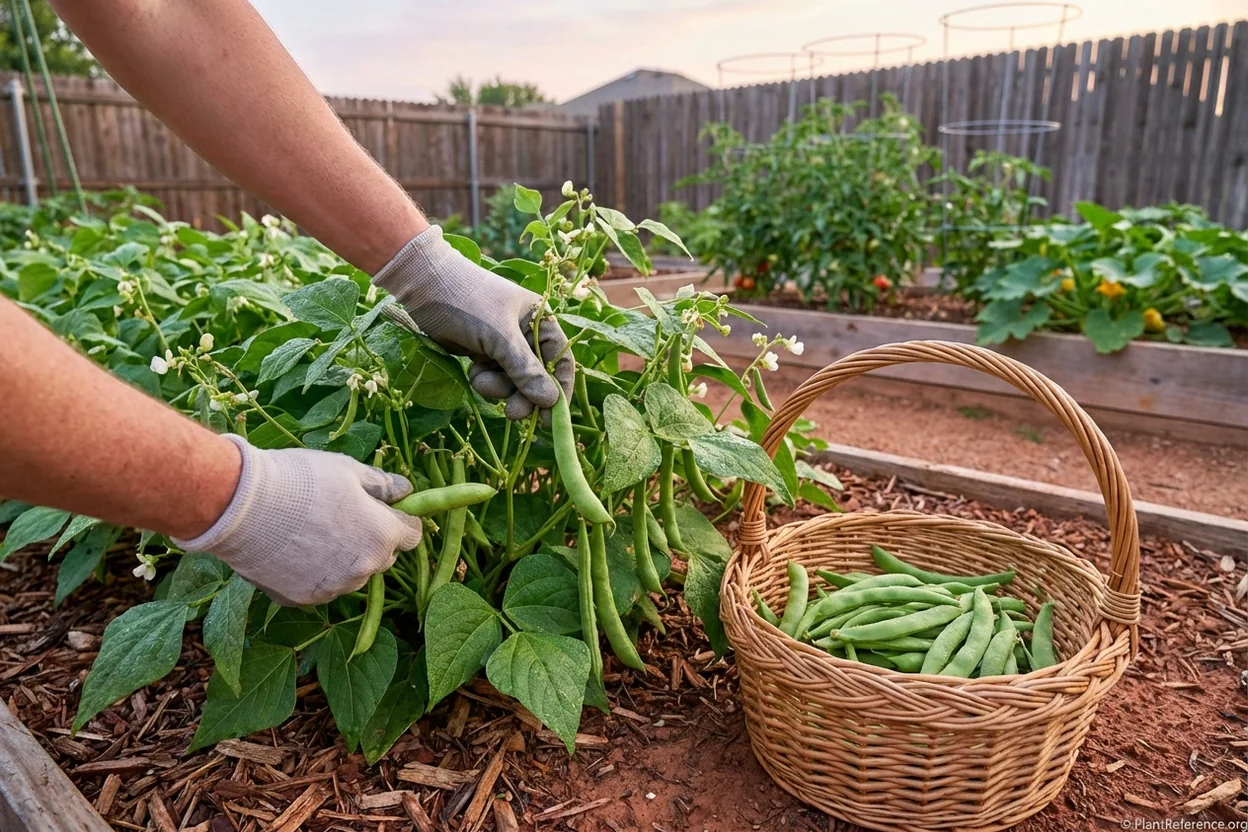
Snap Beans: Pick when pods are firm and crisp, before seeds enlarge significantly. Pods should snap cleanly when bent. Regular harvesting every 2-3 days maintains plant production.
Dry Beans: Allow pods to turn brown and dry on plants. Harvest before pods split open naturally. This extends 2-3 weeks beyond fresh eating stage.
Harvest Techniques for Maximum Yield
Use both hands when harvesting to avoid damaging plants. Hold the stem with one hand while picking pods with the other. Harvest during cooler morning or evening hours to reduce plant stress.
Daily Harvest Schedule: Morning: 7-9 AM before temperature rises Evening: 6-8 PM after day's heat subsides Never harvest wet plants to prevent disease spread
Storage Methods for Texas Heat
Dallas's heat accelerates post-harvest deterioration. Immediate cooling preserves quality and extends storage life.
Short-Term Storage (1-7 days): Refrigerate unwashed beans in perforated plastic bags Store at 40-45°F (4-7°C) with high humidity Wash just before use to prevent premature deterioration
Long-Term Preservation: Blanch for 3 minutes, cool in ice water, then freeze Can using pressure canner for safety Dehydrate using food dehydrator or oven drying Pickle young tender pods for extended shelf life
Succession Harvest Planning
Plan multiple small plantings rather than one large planting for continuous harvest throughout appropriate seasons.
Spring Succession Schedule: March 15: Provider (harvest May 10-20) April 1: Roma II (harvest May 25-June 5) April 15: Blue Lake (harvest June 8-18)
Fall Succession Schedule: August 1: Kentucky Wonder (harvest October 10-November 15) August 15: Provider (harvest October 15-25) September 1: Roma II (harvest November 1-15)
Frequently Asked Questions
Reading about plants and recognising them are different skills. These three build the second.
- Daily PlantIdentify the day’s mystery plant from a close-up photograph.
- Keyed OutWork a dichotomous key, lead by lead, to name a hidden specimen.
- Name That PlantName a specimen from botanical clues dealt hardest first.
Free to play, no account needed
Dot grew up on a small farm in rural Virginia and has maintained a vegetable garden for decades. After retiring from teaching elementary school, she became a Master Gardener volunteer and spends her time mentoring new gardeners at community garden plots in Richmond. She's especially knowledgeable about heirloom varieties, seed saving, and traditional growing methods passed down from her grandmother. Dot's no-nonsense advice comes from extensive trial and error—she's seen every tomato disease, pest problem, and weather disaster imaginable. Her biggest pet peeve is gardeners who overcomplicate simple tasks. "Plants want to grow," she often says. "Your job is to not get in their way."