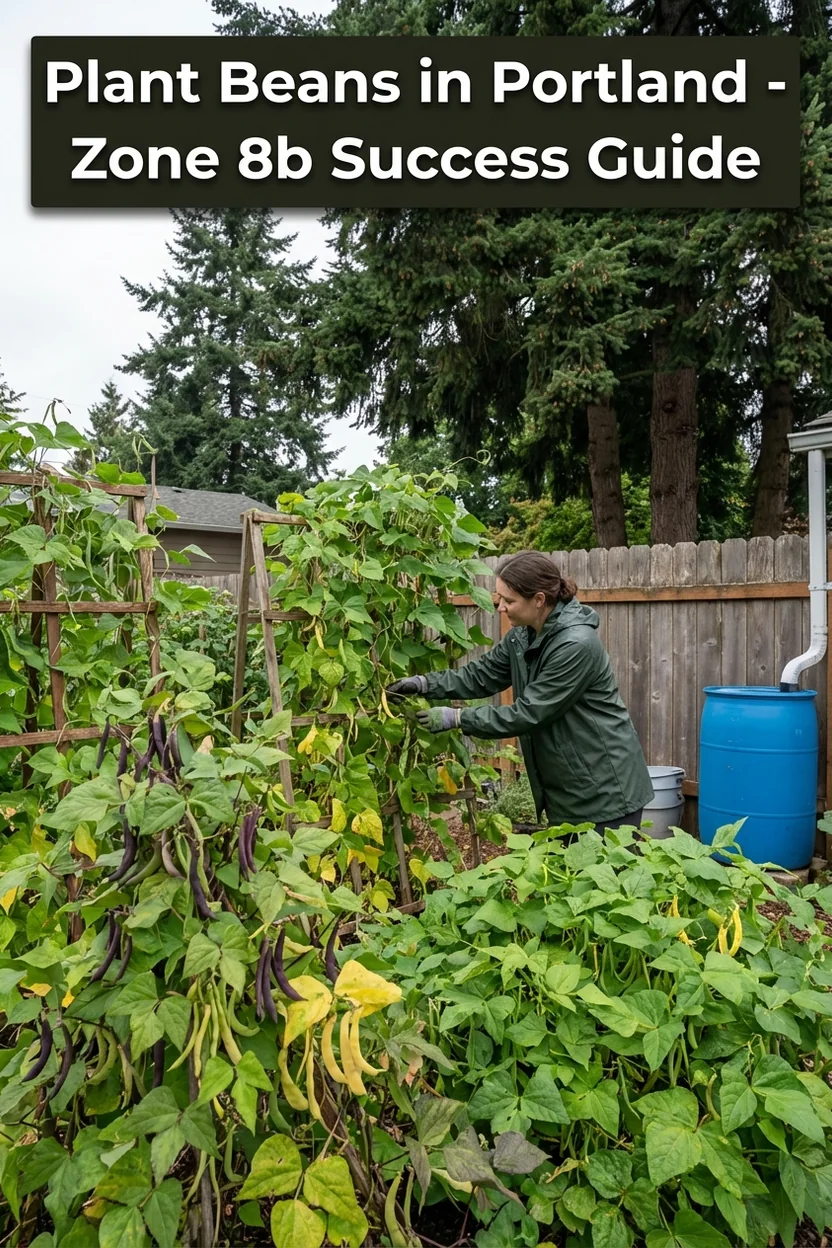
When to Plant Green Beans in Portland: Complete Guide + Best Varieties for Zone 8b
Pets & Toxicity
Recorded toxicity for plants linked in this guide. An unknown status is not a safety assessment.
No linked plant is recorded as toxicDetailsHide
Phaseolus vulgaris 'Blue Lake' — Toxicity
Non-toxic when cooked. Raw pods carry lectins (phytohemagglutinin) that cause digestive upset on raw consumption — pods are cooked before eatingView Phaseolus vulgaris 'Blue Lake' plant profilePhaseolus vulgaris 'Kentucky Wonder' — Toxicity
Non-toxicView Phaseolus vulgaris 'Kentucky Wonder' plant profilePhaseolus vulgaris 'Purple Queen' — Toxicity
Non-toxicView Phaseolus vulgaris 'Purple Queen' plant profilePhaseolus vulgaris 'Dragon Tongue' — Toxicity
Non-toxicView Phaseolus vulgaris 'Dragon Tongue' plant profile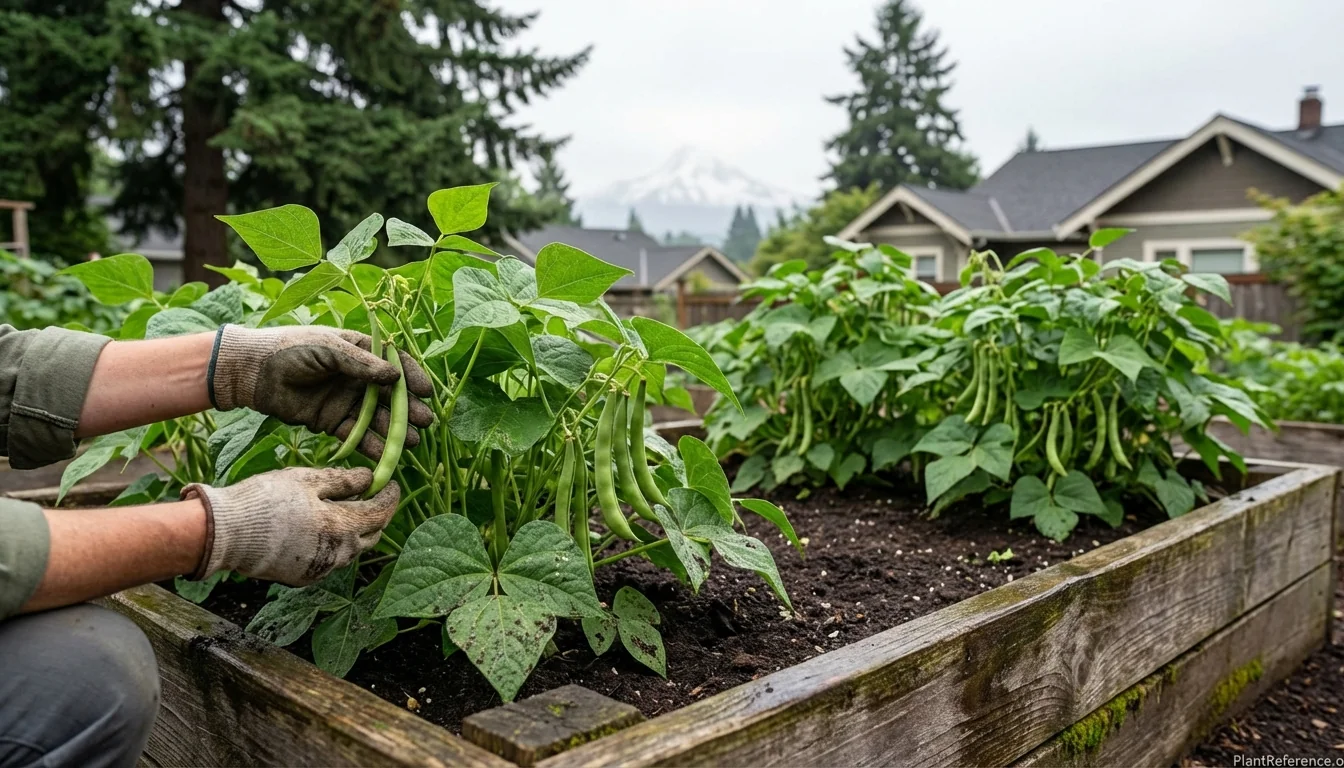
— Image © Plant Reference 2026
I've been growing green beans in the Pacific Northwest for over four decades, and I'll tell you what works in Portland's unique Zone 8b climate. With our long 235-day growing season and cool summers, Portland offers excellent conditions for both bush and pole varieties—if you time things right.
Best Green Bean Varieties for Portland's Zone 8b Climate
Portland's Zone 8b climate—with its last frost around March 19 and first frost November 9—gives us one of the longest bean growing seasons in the country. Our mild summers rarely stress bean plants the way brutal heat does elsewhere, making Portland ideal for both quick bush varieties and long-season pole types.
The key is matching varieties to Portland's specific challenges: cool springs that delay germination, moderate summer temperatures that some varieties love, and enough growing season to squeeze in multiple plantings.
Variety | Days to Maturity | Best For | Notes for Portland |
|---|---|---|---|
50-55 days | Quick spring harvest | Perfect for cool soil germination | |
53-60 days | Succession planting | Romano type thrives in maritime climate | |
55-60 days | Easy harvesting | Purple pods visible in morning fog | |
55-65 days | Processing/freezing | Oregon's premium variety | |
55-60 days | Farmer's market | Unique appearance, tender texture | |
60-70 days | Maximum yield | Takes advantage of long season |
Bush Varieties: The Portland Workhorses
🌿Phaseolus vulgaris 'Provider' is my go-to for Portland's first planting. This variety germinates reliably in soil temperatures that stall other beans—crucial when you're eager to get started in late March but soil is still cool from winter rains.
🌿Phaseolus vulgaris 'Roma II' produces those wide, flat Romano beans that Oregonians love for fresh eating and freezing. The maritime climate keeps these plants producing steadily without the stress-induced shutdowns common in hot-summer areas.
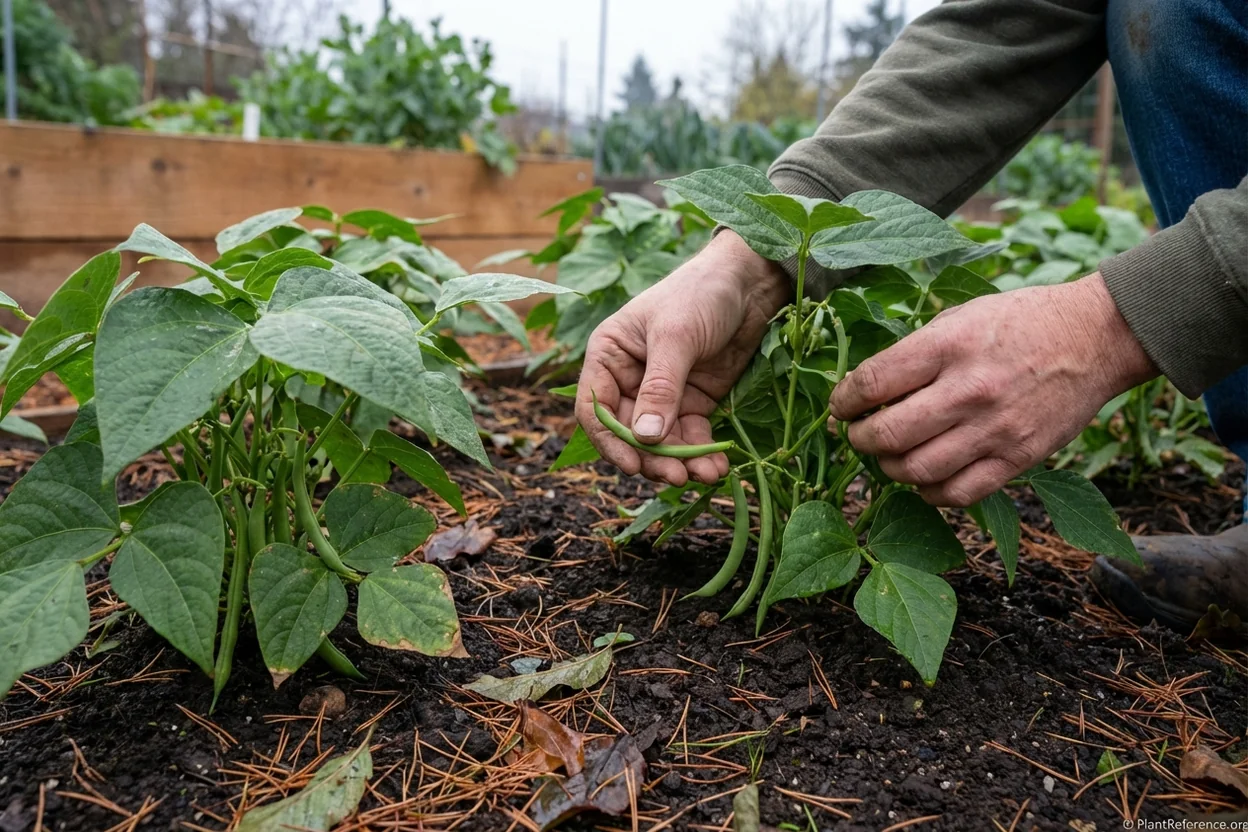
🌿Phaseolus vulgaris 'Purple Queen' offers a practical advantage beyond novelty. In Portland's frequent morning fog and drizzle, those deep purple pods are instantly visible against green foliage—no squinting or missing pods during harvest.
Premium Varieties for Portland Gardens
🌿Phaseolus vulgaris 'Blue Lake' isn't just popular here—it's practically Oregon's state bean. Developed in the Willamette Valley, this variety is perfectly adapted to our climate. The pods stay tender longer in our moderate temperatures, and the plants produce heavily without summer stress.
🌿Phaseolus vulgaris 'Dragon Tongue' commands premium prices at Portland farmers markets. Those yellow pods with purple streaking are striking, but more importantly, they're exceptionally tender. Portland's cool nights keep the pods from developing the tough fibers that form in hotter climates.
Maximizing Portland's Long Season: Pole Varieties
🌿Phaseolus vulgaris 'Kentucky Wonder' takes full advantage of Portland's 235-day growing season. While bush varieties give you quick harvests, this pole variety keeps producing from July through October—perfect for families wanting continuous fresh beans without replanting.
The 6-inch spacing required for pole beans works well in Portland gardens where space is often limited. Growing vertically on poles or trellises, you can produce more beans in less square footage than with bush varieties.
Specific Planting Dates for Portland Oregon
Portland's Zone 8b climate offers specific advantages for bean timing. Our average last frost of March 19 means you can start planting earlier than most of the country, and our first frost doesn't arrive until November 9.
Spring Planting Window: March 26 - May 15
First Planting: March 26 Wait one week after average last frost to ensure soil temperature stability. Portland's spring rains can keep soil cool even when air temperatures warm up.
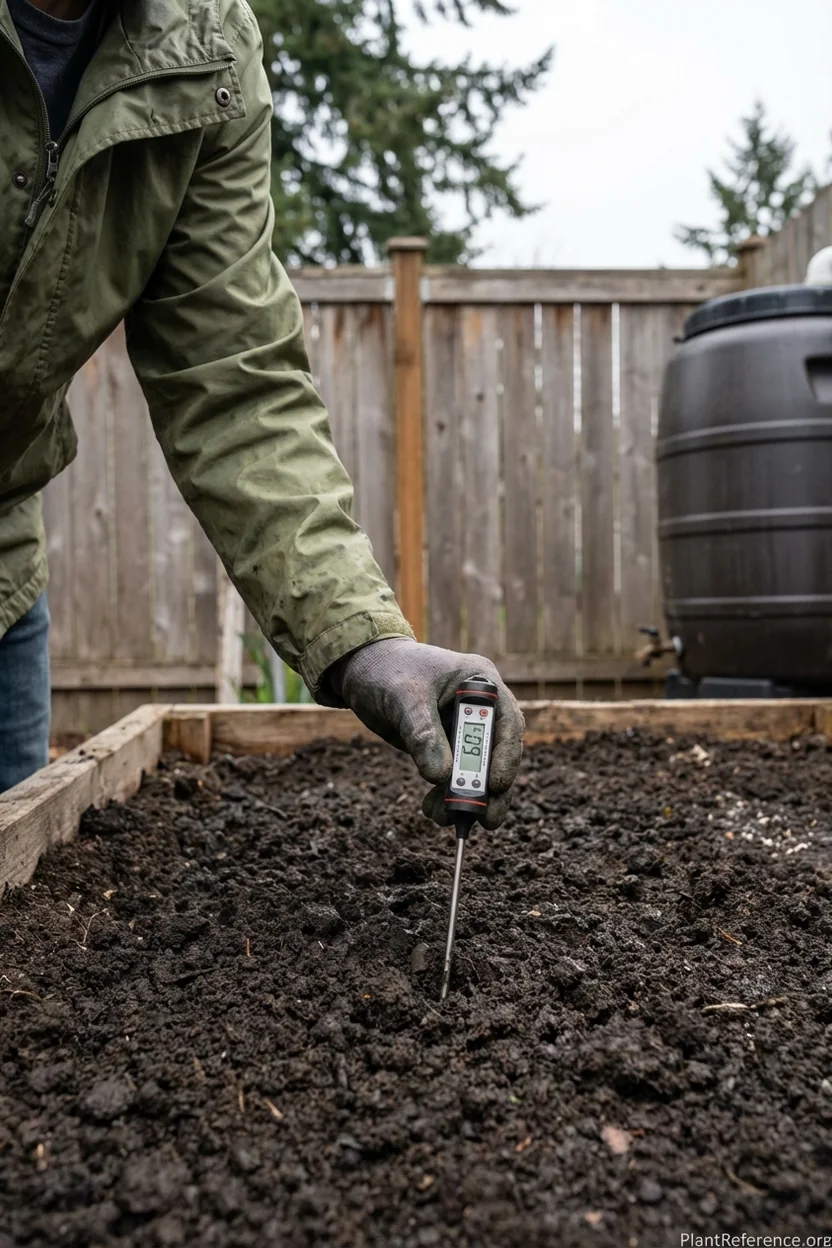
Soil temperature should reach 60°F (15°C) consistently before planting. Use a soil thermometer 2 inches (5 cm) deep at 8 AM for three consecutive days to confirm temperature stability.
Succession Plantings: Every 3 Weeks - Second planting: April 16 - Third planting: May 7 - Fourth planting: May 28
This spacing ensures continuous harvest from June through August with bush varieties.
Summer Planting for Fall Harvest: June 1 - July 31
Portland's moderate summers allow continued planting later than most climates. Our typical high temperatures of 75-80°F (24-27°C) don't stress bean plants the way 90°F+ temperatures do elsewhere.
Summer Schedule: - June 1: Plant for August harvest - June 22: Plant for September harvest - July 13: Plant for October harvest - July 31: Final planting (70 days before November 9 first frost)
Calculating Days to Maturity in Portland
Portland's cool nights and moderate days can extend maturity times by 5-10 days compared to hotter climates:
🌿Phaseolus vulgaris 'Provider': Plan 55-60 days instead of listed 50-55
🌿Phaseolus vulgaris 'Blue Lake': Plan 65-70 days instead of listed 55-65
🌿Phaseolus vulgaris 'Kentucky Wonder': Plan 75-80 days instead of listed 60-70
This extended timeline isn't a disadvantage—it means beans develop more slowly, staying tender longer and producing higher quality pods.
Season Extension Techniques
Portland's mild climate allows easy season extension:
Early Season: Use row covers or Wall O' Water for March plantings when late cold snaps threaten.
Late Season: Bean plants often survive light frosts in the 28-32°F (-2 to 0°C) range. Cover plants on predicted frost nights to extend harvest into November.
Complete Growing Guide for Portland Gardeners
Growing successful beans in Portland requires understanding our specific soil conditions, moisture patterns, and pest pressures. After four decades here, I've learned what works and what doesn't.
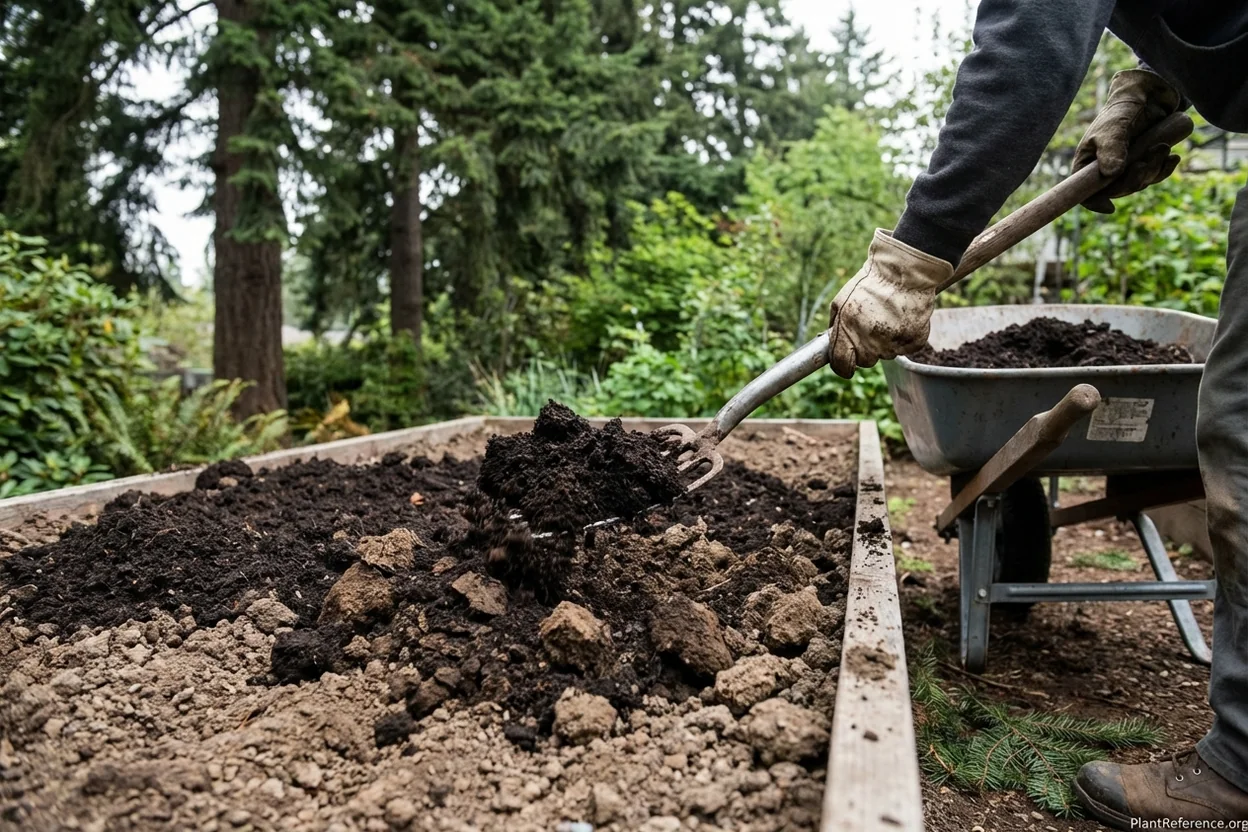
Soil Preparation for Portland Clay
Most Portland gardens have clay-based soil that holds moisture well but can become waterlogged. Beans need well-draining soil to prevent root rot.
Improving Drainage: Add 2-3 inches (5-7 cm) of compost to planting beds each year. Portland's abundant organic matter from fallen leaves makes excellent compost that gradually improves clay structure.
Avoid working clay soil when wet. Wait until a handful of soil crumbles when squeezed rather than forming a ball. Working wet clay creates concrete-like conditions that bean roots cannot penetrate.
Spacing and Planting Depth
Portland's high humidity requires proper spacing to prevent fungal diseases:
Bush Varieties: Space 4 inches (10 cm) apart in rows 18 inches (45 cm) apart. In Portland's humid conditions, this spacing provides crucial air circulation.
Pole Varieties: Space 6 inches (15 cm) apart at base of 8-foot (2.4 m) poles or trellises. The vertical growth habit improves air circulation in our moist climate.
Planting Depth: Plant seeds 1 inch (2.5 cm) deep in Portland's clay soil. Deeper planting in heavy soil can cause seeds to rot before germination.
Watering in Portland's Climate
Portland receives most rainfall October through May, but summers are typically dry. Beans need consistent moisture during flowering and pod development.
Spring: Monitor soil moisture carefully. Portland's spring rains can keep soil too wet, causing root rot. Plant in raised beds or mounded rows if drainage is poor.
Summer: Provide 1 inch (2.5 cm) of water weekly during July and August dry period. Deep, infrequent watering encourages deep root systems that access moisture during dry spells.
Fall: Reduce watering as temperatures cool and rains return. Excess moisture in fall can cause pods to split and promotes fungal diseases.
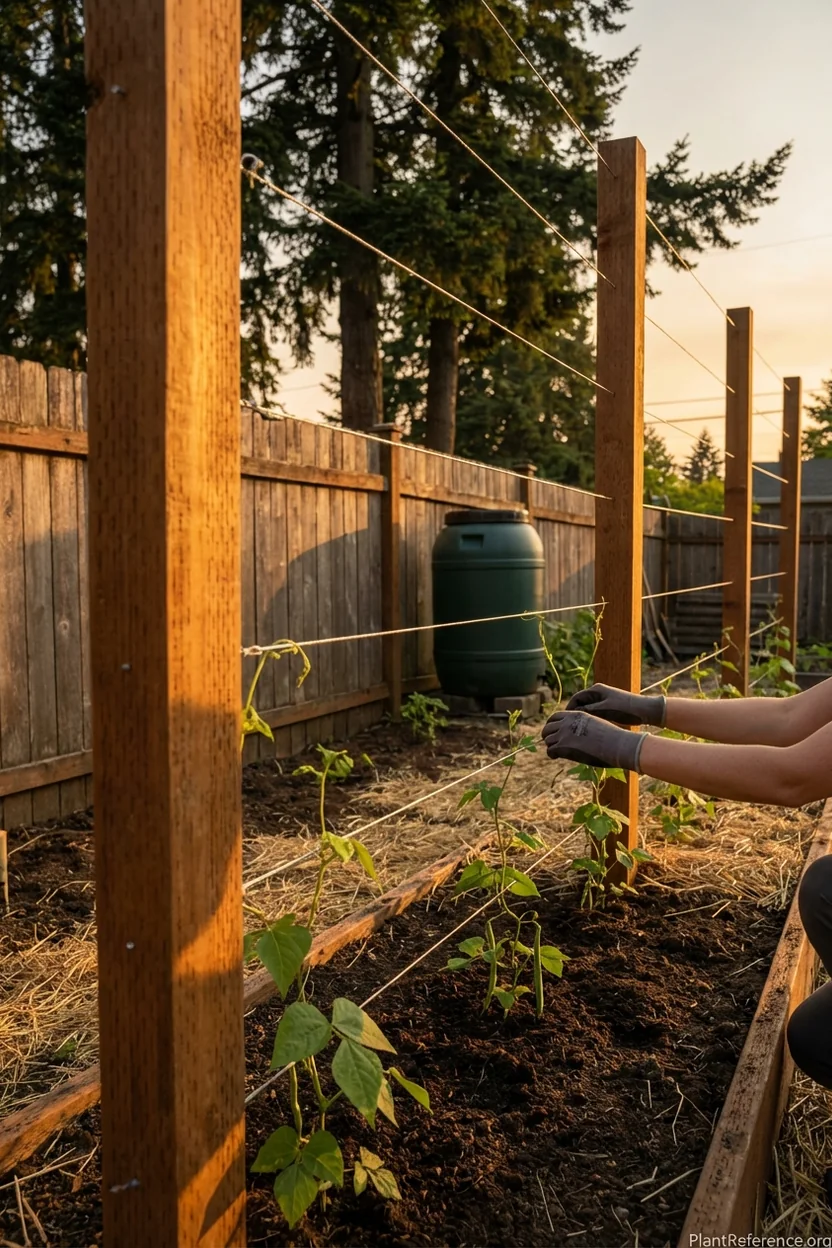
Supporting Pole Varieties
Portland's occasional windstorms require sturdy support systems for pole beans:
Materials: Use 8-foot (2.4 m) cedar posts driven 18 inches (45 cm) deep. Cedar naturally resists rot in Portland's moist climate.
Trellises: Install before planting. Bean roots are easily damaged, and trying to install supports later disrupts the root system.
Maintenance: Check supports after windstorms. Portland's winter storms can loosen posts in wet soil.
Troubleshooting Portland-Specific Bean Problems
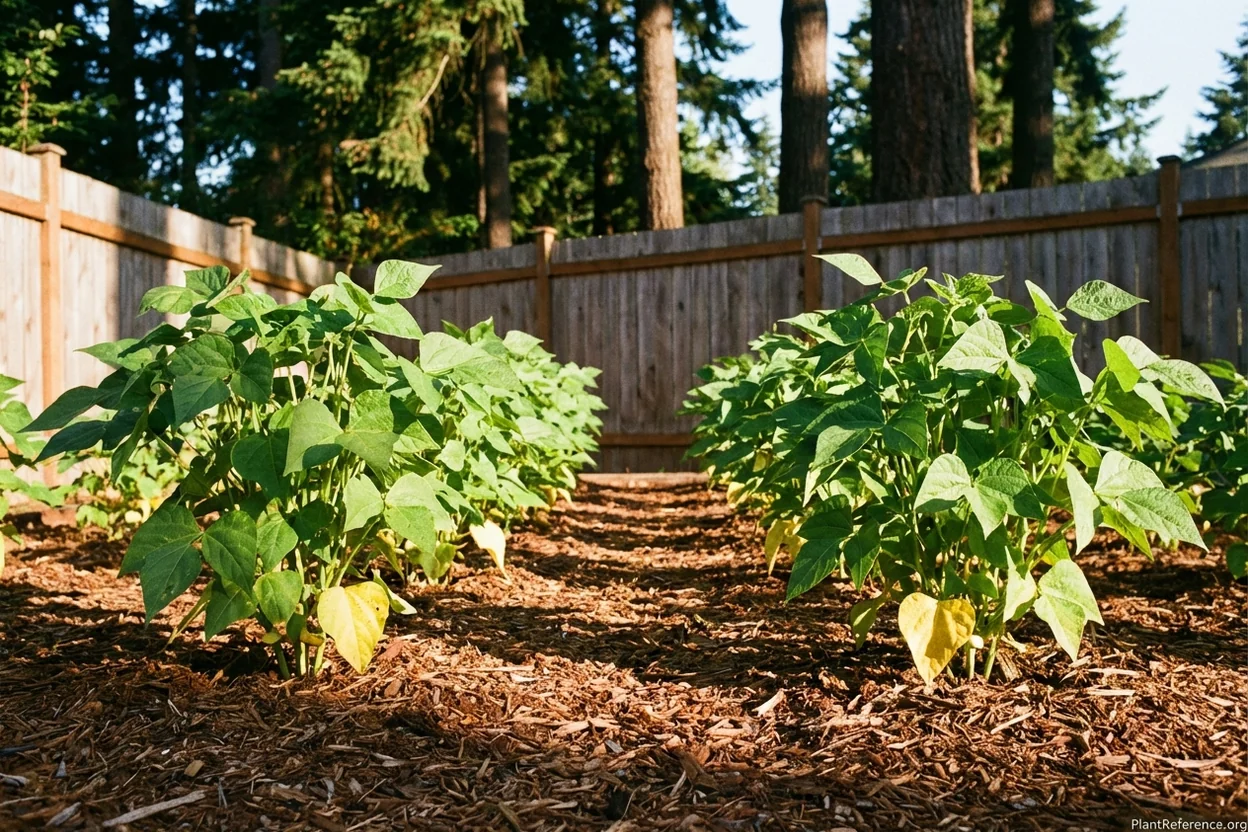
Portland's maritime climate creates specific challenges for bean growers. High humidity, cool springs, and slug pressure require targeted management strategies.
Slugs and Snails: Portland's Biggest Bean Pest
Portland's moist climate creates ideal conditions for slugs and snails, which can devastate young bean plants overnight.
Symptoms: Irregular holes in leaves, slime trails, young seedlings completely eaten
Prevention: - Use copper strips around raised beds - Apply diatomaceous earth around plants after watering - Set beer traps 15 feet (4.5 m) away from plants to draw slugs away - Hand-pick slugs in early morning when they're most active
Organic Control: Iron phosphate-based baits (Sluggo) are effective and safe around vegetables. Apply according to package directions after rain or watering.
Fungal Diseases in Humid Conditions
Portland's high humidity can promote bean diseases rarely seen in drier climates.
White Mold (Sclerotinia): Symptoms: White, cottony growth on stems and pods Prevention: Increase spacing by 2 inches (5 cm) to improve air circulation Treatment: Remove affected plants immediately; do not compost
Anthracnose: Symptoms: Dark, sunken spots on pods and leaves Prevention: Avoid overhead watering; water at soil level Treatment: Apply copper fungicide if weather remains humid
Cool Weather Germination Issues
Portland's cool spring soil can delay germination or cause poor emergence rates.
Problem: Seeds planted too early in cold, wet soil Solution: Wait for consistent soil temperature of 60°F (15°C)
Problem: Uneven germination in clay soil Solution: Cover seed furrows with potting mix instead of clay soil
Problem: Seed rot in waterlogged spring soil Solution: Plant in raised beds or mounded rows for better drainage
Poor Pod Set in Cool Weather
Portland's cool nights (below 55°F/13°C) can prevent proper pollination.
Symptoms: Flowers drop without forming pods Cause: Temperature stress during flowering period Solution: Use row covers during cool nights in late spring/early fall
Portland's moderate day temperatures are ideal for beans, but unseasonably cool nights can disrupt pod formation. Monitor weather forecasts and protect plants when overnight lows drop below 55°F (13°C).
Harvest & Storage in Pacific Northwest Climate
Portland's climate affects both harvest timing and storage success. Our moderate temperatures extend harvest periods, while high humidity requires careful post-harvest handling.
Determining Optimal Harvest Time
Portland's cool nights keep bean pods tender longer than in hot climates, extending the harvest window.
Bush Varieties: Harvest when pods snap crisply and seeds are still small. In Portland's moderate climate, pods remain tender 3-5 days longer than in hot areas.
Pole Varieties: Pick continuously every 2-3 days to encourage continued production. Portland's long, moderate growing season allows pole beans to produce for 8-10 weeks.
Fresh Storage Techniques
Portland's humidity requires careful handling to prevent spoilage:
Immediate Cooling: Harvest early morning when pods are cool and crisp. Portland's cool nights naturally reduce field heat.
Moisture Management: Dry pods thoroughly before storage. Portland's high humidity can cause rapid deterioration if beans are stored damp.
Refrigeration: Store fresh beans at 40°F (4°C) in perforated plastic bags. Properly handled beans from Portland gardens keep 7-10 days refrigerated.
Freezing for Year-Round Use
Portland's abundant bean production in moderate summers makes freezing worthwhile:
Blanching: Blanch whole pods 3 minutes in boiling water, then ice bath for 3 minutes. Portland's tender beans need less blanching time than those grown in stress conditions.
Packaging: Vacuum seal or use freezer bags with air removed. Label with variety and date—some Portland varieties like 🌿Phaseolus vulgaris 'Dragon Tongue' maintain better texture than others when frozen.
Storage Life: Properly blanched and frozen Portland beans maintain quality 8-12 months in freezer.
Frequently Asked Questions
Reading about plants and recognising them are different skills. These three build the second.
- Daily PlantIdentify the day’s mystery plant from a close-up photograph.
- Keyed OutWork a dichotomous key, lead by lead, to name a hidden specimen.
- Name That PlantName a specimen from botanical clues dealt hardest first.
Free to play, no account needed
Dot grew up on a small farm in rural Virginia and has maintained a vegetable garden for decades. After retiring from teaching elementary school, she became a Master Gardener volunteer and spends her time mentoring new gardeners at community garden plots in Richmond. She's especially knowledgeable about heirloom varieties, seed saving, and traditional growing methods passed down from her grandmother. Dot's no-nonsense advice comes from extensive trial and error—she's seen every tomato disease, pest problem, and weather disaster imaginable. Her biggest pet peeve is gardeners who overcomplicate simple tasks. "Plants want to grow," she often says. "Your job is to not get in their way."