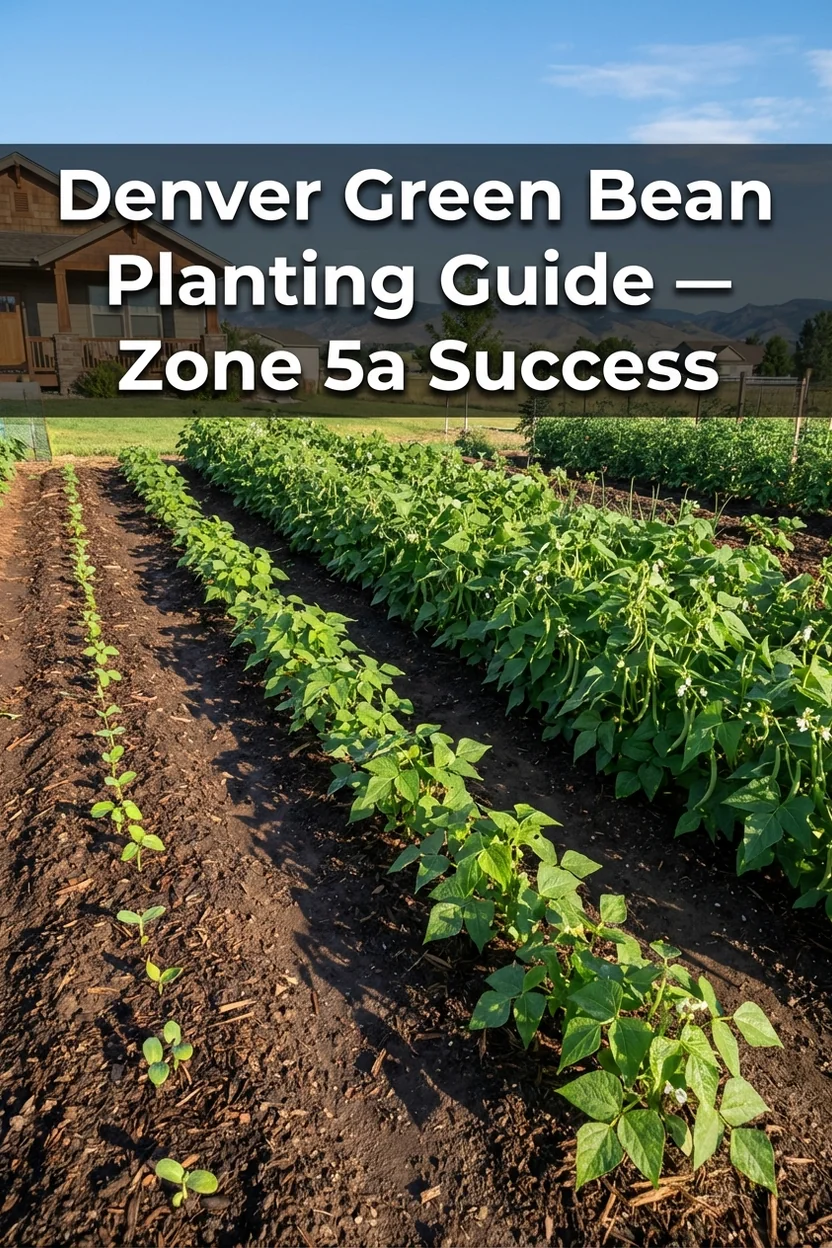
When to Plant Green Beans in Denver: Complete Guide + Best Varieties for Zone 5a
Pets & Toxicity
Recorded toxicity for plants linked in this guide. An unknown status is not a safety assessment.
No linked plant is recorded as toxicDetailsHide
Phaseolus vulgaris 'Blue Lake' — Toxicity
Non-toxic when cooked. Raw pods carry lectins (phytohemagglutinin) that cause digestive upset on raw consumption — pods are cooked before eatingView Phaseolus vulgaris 'Blue Lake' plant profilePhaseolus vulgaris 'Kentucky Wonder' — Toxicity
Non-toxicView Phaseolus vulgaris 'Kentucky Wonder' plant profilePhaseolus vulgaris 'Purple Queen' — Toxicity
Non-toxicView Phaseolus vulgaris 'Purple Queen' plant profilePhaseolus vulgaris 'Dragon Tongue' — Toxicity
Non-toxicView Phaseolus vulgaris 'Dragon Tongue' plant profile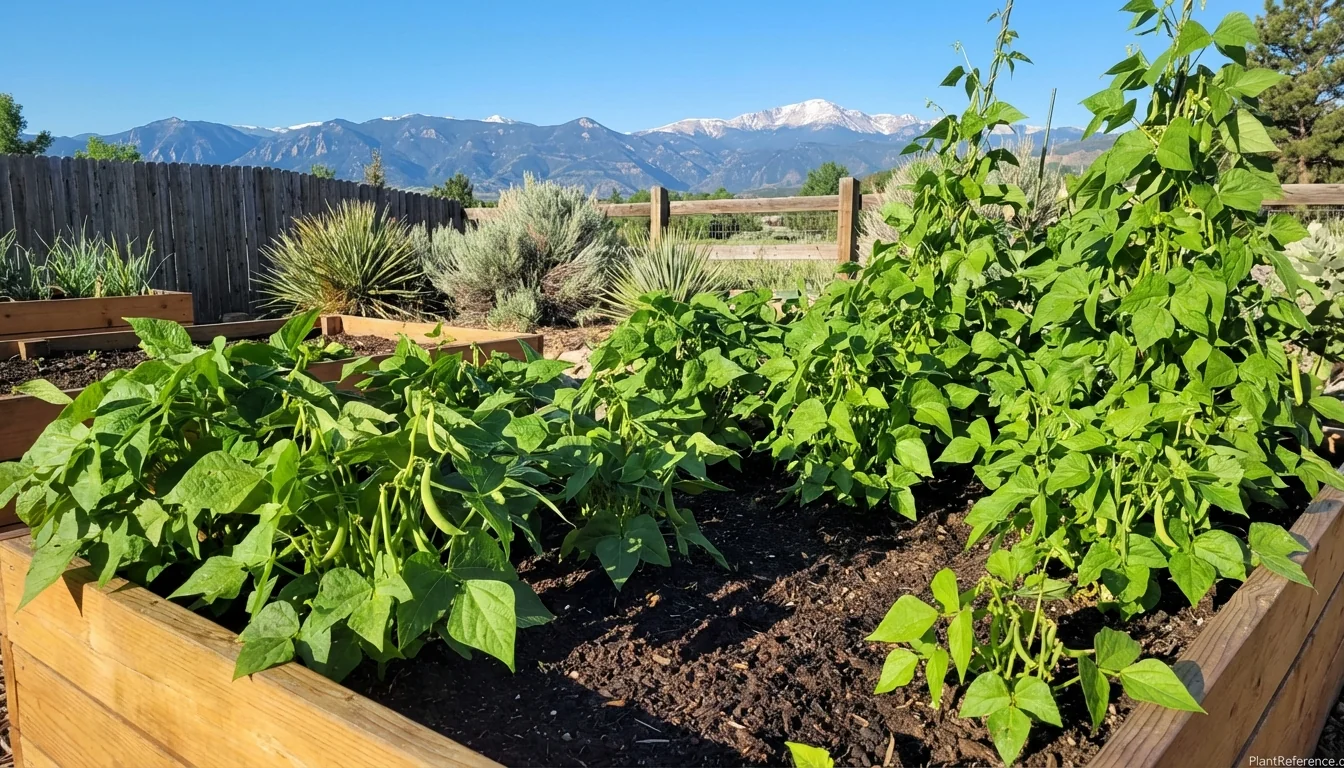
— Image © Plant Reference 2026
Denver gardeners have a fantastic opportunity to grow green beans in our Zone 5a climate. With 148 days between our last frost (May 9) and first frost (October 4), you can successfully grow multiple crops using succession planting strategies I've refined over decades of Colorado gardening.
The key to success with green beans in Denver lies in understanding our unique high-altitude growing conditions. While we have a decent growing season, our cool spring soils and potential for late frosts require careful timing and variety selection.
Best Green Bean Varieties for Denver's Zone 5a Climate
Denver's elevation at 5,280 feet creates unique growing conditions that favor certain green bean varieties. The intense UV radiation, cool nights, and rapid temperature swings mean variety selection is crucial for success.
Quick-Maturing Bush Varieties (Best for Denver)
Variety | Days to Maturity | Best For | Notes for Denver |
|---|---|---|---|
50-55 days | Quick harvest | Perfect for Zone 5a short season | |
53-60 days | Fresh eating | Heat-tolerant for Denver summers | |
55-60 days | Easy picking | Pods visible against foliage | |
55-65 days | Processing | Excellent for freezing | |
55-60 days | Specialty crop | Unique yellow pods with purple streaks | |
60-70 days | Pole variety | Requires trellis but higher yields |
Provider is my top recommendation for Denver beginners. This variety germinates reliably in cool soils and matures quickly enough for multiple plantings. I've grown Provider successfully even when planted as late as July 20 in Denver.
Roma II offers broader, flatter pods perfect for fresh eating and holds well in Denver's intense sun without becoming tough. The Romano-type beans maintain their tender texture better in our dry climate than standard snap beans.
Heat-Tolerant Options for Denver Summers
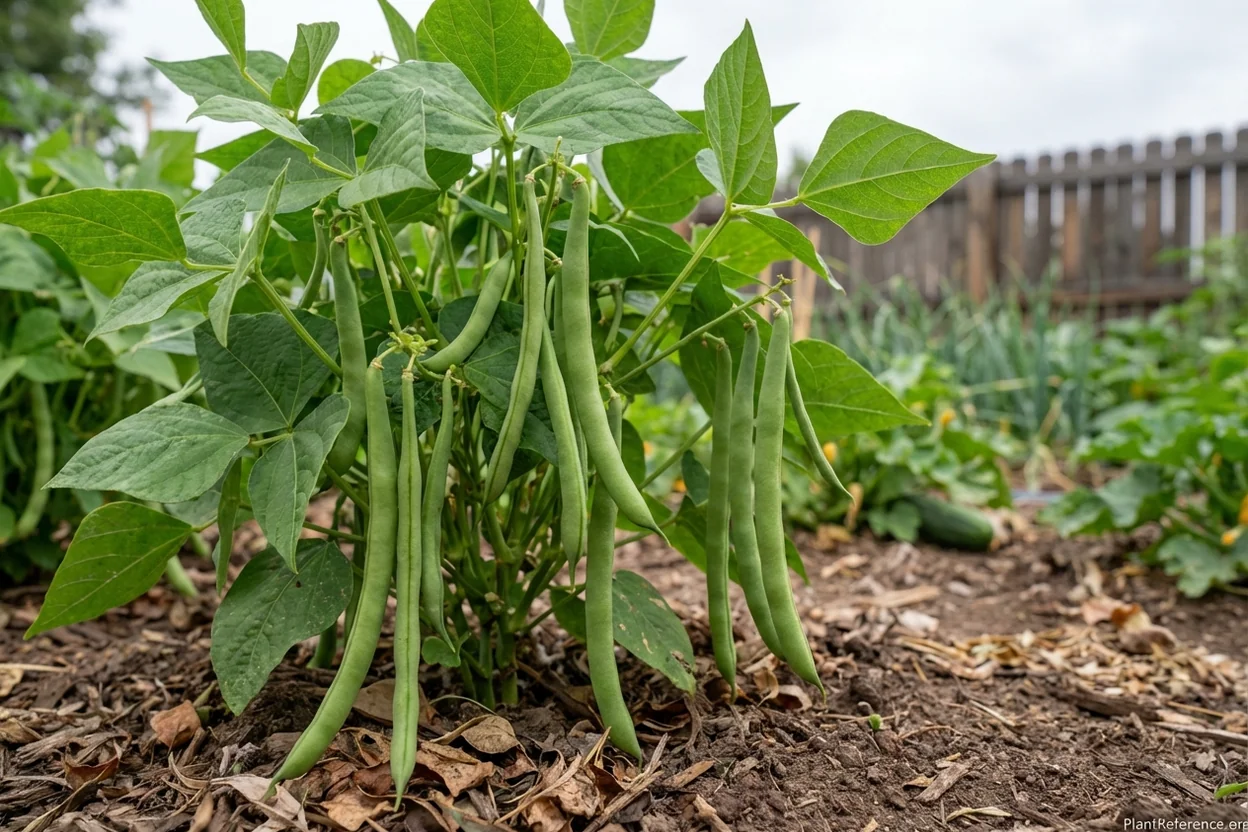
Denver's intense summer sun requires varieties that can handle heat stress. Blue Lake and Kentucky Wonder both perform well during our hot July and August periods when other varieties might struggle.
Kentucky Wonder pole beans work exceptionally well in Denver because they can climb above ground heat and take advantage of our cool nights for pod development. The vertical growth also saves space in smaller urban gardens common throughout the Denver metro area.
Specific Planting Dates for Denver
Working with Denver's May 9 last frost date, here's my proven planting schedule developed through years of Zone 5a gardening experience.
Spring Planting Timeline
May 23-30: First Planting
Soil temperature: 60°F (16°C) minimum
Varieties: Provider, Roma II
Plant 2 weeks after last frost for safety
June 15-20: Second Succession
All varieties suitable
Focus on Blue Lake for processing
Plant Dragon Tongue for summer specialty harvest
July 1-10: Third Succession
Provider only for fastest maturity
Purple Queen for easy late-season picking
Last chance for pole beans like Kentucky Wonder
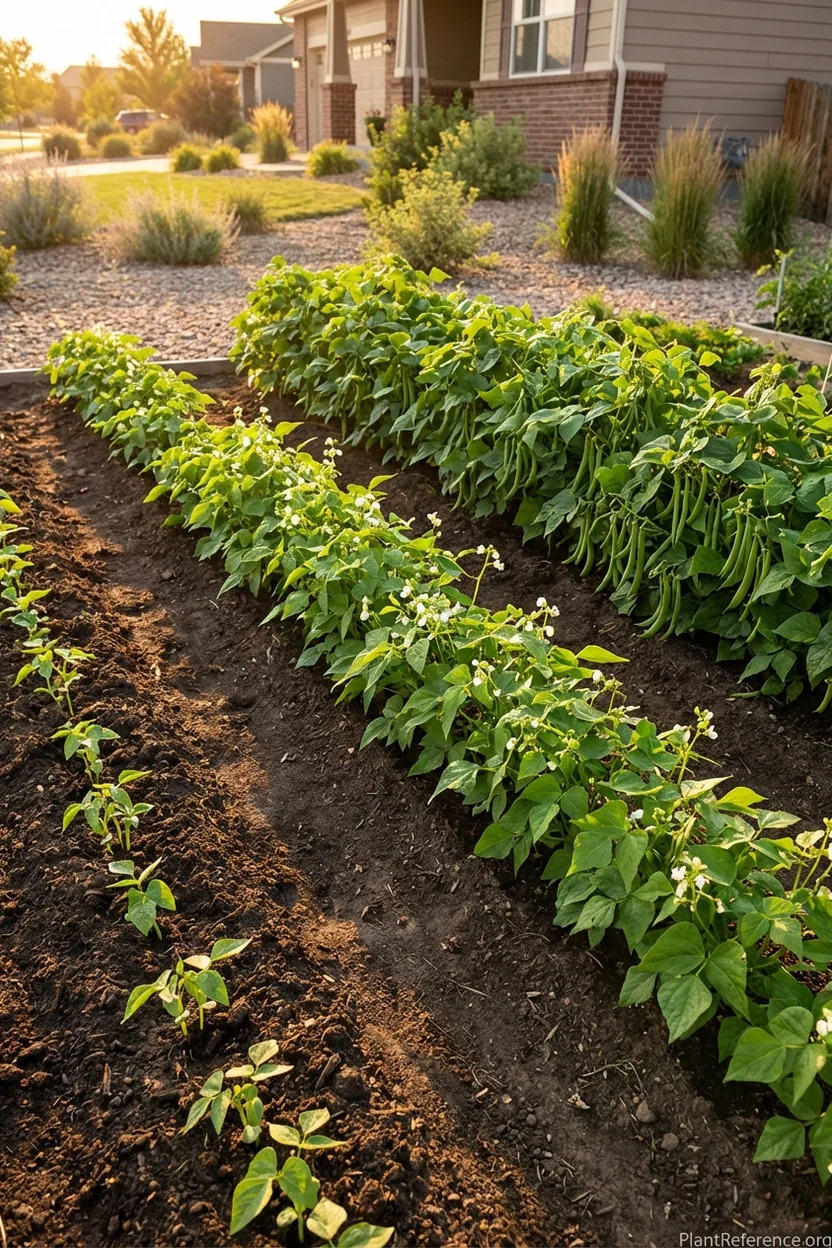
July 15-20: Final Planting
Provider only (matures by September 10-15)
Insurance against early frost
Perfect timing for fall harvest before October 4
Critical Soil Temperature Guidelines
Green beans are tender plants that won't germinate properly in cold soil. I always check soil temperature at 2-inch depth before planting:
Minimum: 60°F (16°C) for germination
Optimal: 65-70°F (18-21°C) for fast emergence
Too Cold: Below 55°F risks seed rot
In Denver, soil typically reaches 60°F around May 20-25, which is why I recommend waiting until May 23 for first plantings even though our average last frost is May 9.
Fall Growing Considerations
Unlike warmer zones, Denver's rapid autumn temperature drop makes fall bean crops challenging. Our first frost typically arrives October 4, so any beans planted after July 20 risk being caught by early cold snaps.
However, Provider planted July 15 will mature by September 10, giving you a full month of harvest before frost concerns. I've successfully grown fall Provider crops that produced until October 1 in favorable years.
Complete Growing Guide for Denver
Growing green beans successfully in Denver requires understanding our unique high-altitude environment. The combination of intense UV radiation, low humidity, and temperature fluctuations affects everything from watering to pest management.
Soil Preparation for High-Altitude Growing
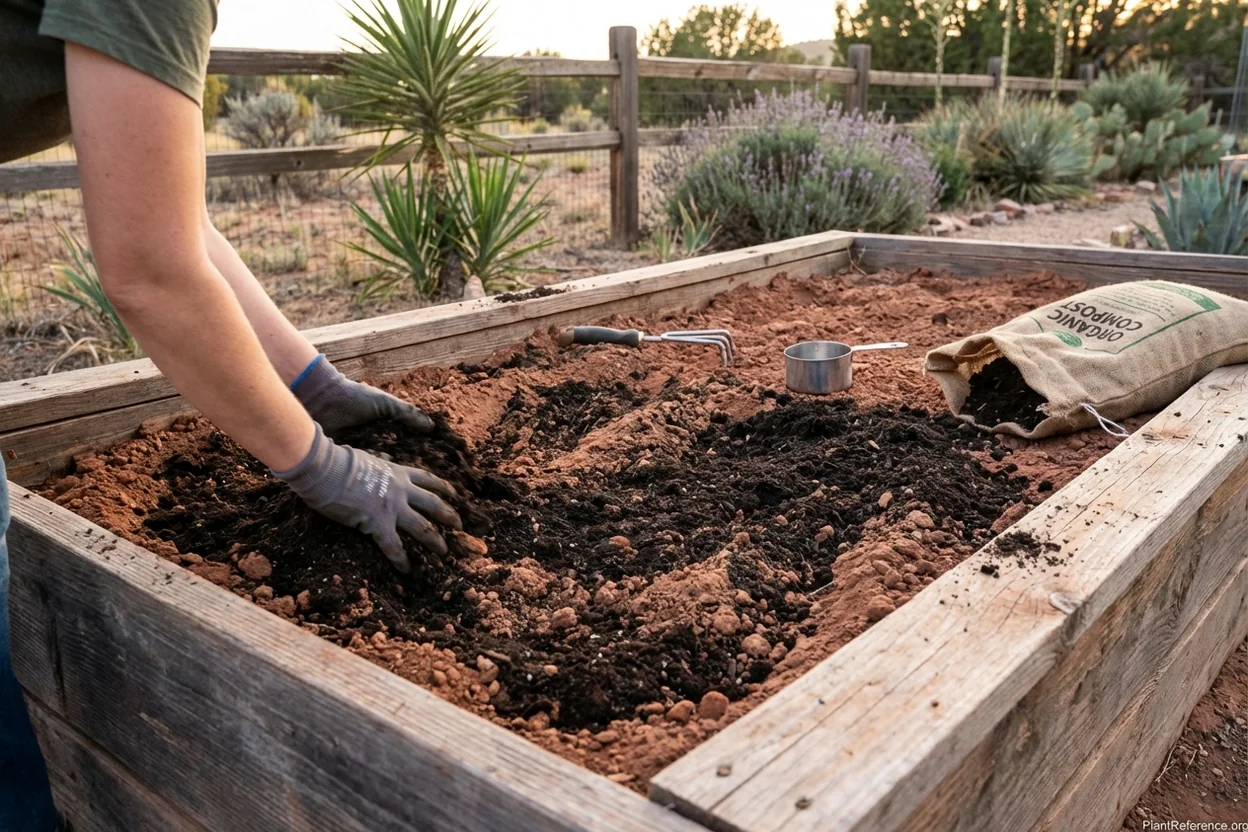
Denver's clay soil presents challenges for bean root development. Here's my proven soil preparation method:
Soil Amendment Strategy:
Add 3-4 inches of compost to break up clay
Mix in coarse sand (not fine sand) to improve drainage
Test soil pH - Denver soils often run alkaline at 7.5-8.0
Add sulfur to lower pH to 6.0-7.0 for optimal bean growth
Incorporate aged manure for slow-release nitrogen
Green beans fix their own nitrogen through root nodules, so avoid high-nitrogen fertilizers that encourage leafy growth at the expense of pod production.
Planting Technique for Denver Conditions
Direct seeding works best for beans since they don't transplant well. Here's my refined technique for Denver's challenging soil:
Step-by-Step Planting:
Create furrows 1 inch deep in prepared soil
Space seeds according to variety (4 inches for bush types, 6 inches for poles)
Cover with fine compost instead of native soil to prevent crusting
Water gently to avoid washing seeds
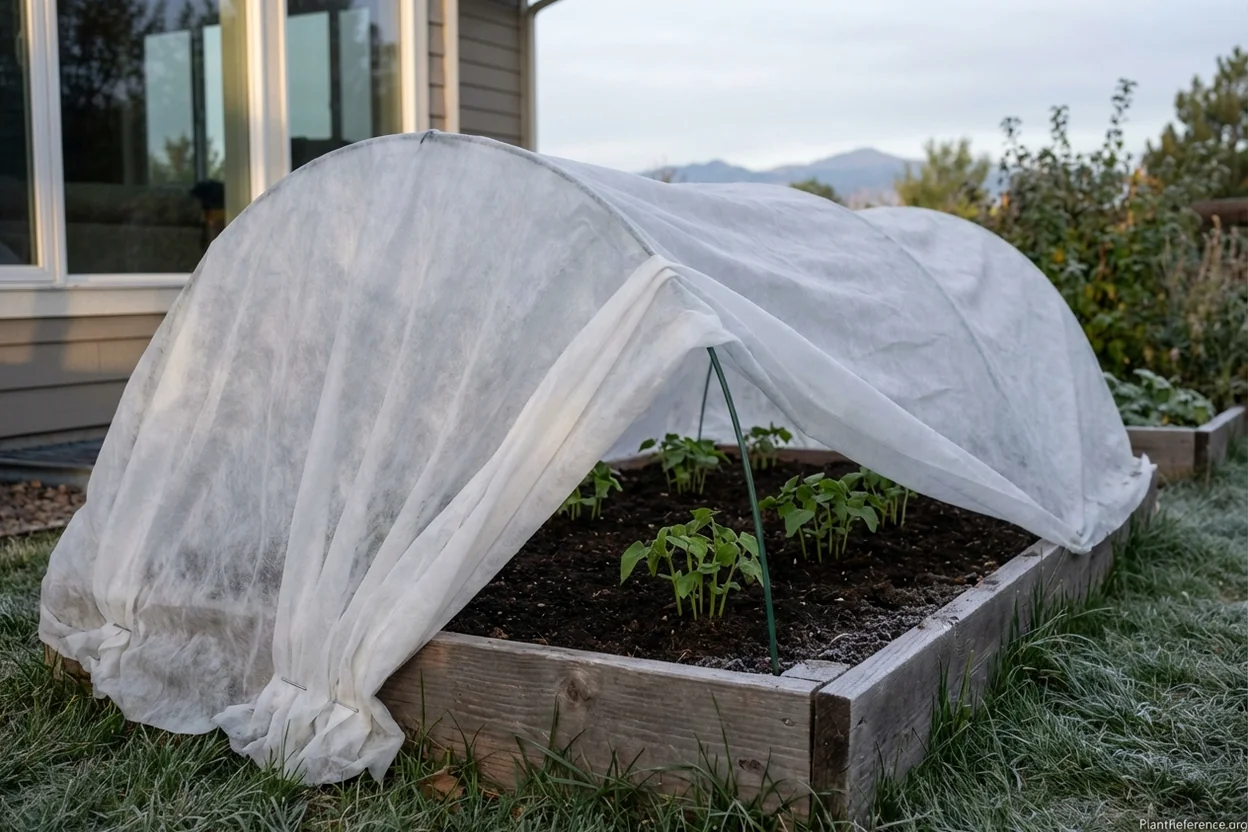
Cover with row fabric if cold nights threaten
Denver's clay soil can form a hard crust after watering that prevents bean seedlings from emerging. Using compost as seed cover eliminates this problem while providing gentle nutrient release.
Irrigation Management in Colorado's Dry Climate
Denver receives only 15 inches of annual precipitation, making consistent irrigation critical for bean success. Our low humidity also increases plant water stress.
Watering Guidelines:
Deep, infrequent watering encourages root development
Apply 1-1.5 inches per week including rainfall
Water early morning to reduce evaporation losses
Use drip irrigation or soaker hoses to minimize fungal issues
Mulch around plants to conserve soil moisture
During Denver's hot, dry July and August, daily monitoring becomes essential. Beans showing wilted leaves in morning indicate severe water stress requiring immediate attention.
Managing Denver's Intense UV Radiation
At 5,280 feet elevation, Denver receives 25% more UV radiation than sea level locations. While this accelerates plant growth, it can also stress plants unaccustomed to high-altitude conditions.
Protection Strategies:
Choose open-pollinated varieties adapted to stress
Provide afternoon shade during extreme heat (above 95°F)
Use reflective mulches to reduce ground heat
Ensure adequate soil moisture to prevent heat stress
Watch for sunscald on developing pods
Kentucky Wonder pole beans actually benefit from Denver's intense light because they can grow tall enough to maximize photosynthesis while keeping roots cool in shaded soil.
Troubleshooting Denver-Specific Problems
Denver's unique climate creates specific challenges you won't find in gardening guides written for other regions. Here are the problems I've encountered most frequently and their solutions.
Late Frost Damage
Denver's unpredictable spring weather can bring surprise frosts even into early June. I've seen frost on May 25 damage early bean plantings.
Prevention and Recovery:
Monitor weather forecasts religiously in May and early June
Keep row covers handy for emergency protection
Plant Provider in containers that can be moved if necessary
Replant damaged seedlings immediately - soil is already warm
Consider succession planting as insurance against weather disasters
Hail Damage Management
Denver's position on the Front Range makes us particularly susceptible to damaging hailstorms during summer growing season.
Hail Damage Response:
Assess damage within 24 hours
Trim damaged leaves cleanly to prevent disease entry
Side-dress with compost to encourage recovery growth
Replant severely damaged areas with Provider (fast recovery)
Install hail protection screens for valuable crops
I've seen beans recover remarkably well from hail damage if you act quickly. The key is preventing secondary infections through damaged tissue.
Mexican Bean Beetle Pressure
These copper-colored beetles with black spots are particularly problematic in Denver's warm, dry summers. They skeletonize leaves and can destroy entire crops.
Integrated Management:
Scout plants weekly starting in mid-June
Look for orange egg clusters on leaf undersides
Hand-pick adults and egg clusters in small gardens
Apply beneficial nematodes to soil for larval control
Use row covers during peak beetle activity (July-August)
Purple Queen beans offer a distinct advantage here because the purple coloration makes it easier to spot both beetles and their yellow larvae against the darker foliage.
Harvest & Storage
Timing harvest correctly maximizes both yield and quality from your Denver bean crop. Our intense sun and low humidity mean pods can go from perfect to overripe quickly.
Optimal Harvest Timing
For Fresh Eating:
Pods should snap cleanly when bent
Seeds barely visible as small bumps
Pick every 3-4 days during peak production
Harvest in early morning when pods are crisp
For Shell Beans:
Allow pods to fill completely but remain green
Seeds should be plump but not hard
Perfect stage lasts only 3-5 days
For Dry Beans:
Pods turn brown and rattle when shaken
Usually occurs in late August for Provider
Harvest before fall moisture returns
Storage in Denver's Dry Climate
Denver's low humidity actually helps with bean storage compared to more humid regions:
Fresh Storage:
Refrigerate immediately after harvest
Use within 7-10 days for best quality
Don't wash until ready to use
Freezing for Winter:
Blanch for 3 minutes in boiling water
Cool in ice bath immediately
Package in freezer bags removing all air
Frozen beans keep 8-10 months at high altitude
FAQ
When exactly should I plant green beans in Denver?
Plant green beans in Denver after May 23 when soil temperature reaches 60°F (16°C) at 2-inch depth. While our average last frost is May 9, soil temperature is more critical for bean germination success than air temperature. I check soil temperature with a thermometer each morning for three consecutive days before planting. In cool spring years, this date might push into early June, while warm springs could allow planting by May 20.
Which green bean varieties work best in Denver's Zone 5a climate?
🌿Phaseolus vulgaris 'Provider' is my top choice for Denver gardeners because it matures in just 50-55 days, allowing multiple succession plantings in our 148-day growing season. 🌿Phaseolus vulgaris 'Roma II' handles our intense summer heat well and produces broad, flat pods perfect for fresh eating. For vertical growing in small Denver gardens, 🌿Phaseolus vulgaris 'Kentucky Wonder' pole beans maximize space usage while thriving in our high-altitude conditions.
Can I do succession planting with green beans in Denver?
Absolutely - succession planting is essential for continuous harvests in Denver. Plant Provider every 2-3 weeks starting May 23 through July 15. This gives you four separate harvests: early June planting harvests in late July, mid-June planting produces in early August, July 1 planting yields in late August, and July 15 planting matures by mid-September. Each planting produces for 2-3 weeks, ensuring beans on your table from late July through early October.
How do I protect green beans from Denver's unpredictable late frosts?
Keep lightweight row covers ready throughout May and early June since Denver can experience surprise frosts even after our May 9 average last frost date. I've successfully protected beans from 28°F temperatures using floating row covers supported by wire hoops. Monitor weather forecasts religiously and cover plants when temperatures drop below 35°F. If frost damage occurs, replant immediately - the soil is already warm and new seeds will germinate quickly.
What's the latest I can plant green beans in Denver and still get a harvest?
July 15 is the absolute latest for planting Provider beans in Denver. This 50-day variety planted July 15 will mature by September 5, giving you nearly a month of harvest before our average first frost of October 4. Planting later risks losing the crop to early fall cold snaps. For insurance against weather, I often plant a final small succession on July 20 in containers that can be moved into protection if needed.
How do Denver's clay soils affect green bean growing?
Denver's clay soils can form a hard crust after watering that prevents bean seedlings from emerging. I solve this by covering planted seeds with compost instead of native soil. Clay also drains poorly, leading to root rot if overwatered. Amend beds with 3-4 inches of compost and coarse sand to improve drainage. The alkaline pH common in Denver soils (7.5-8.0) should be lowered to 6.0-7.0 using sulfur for optimal bean growth.
Do green beans need special care at Denver's 5,280-foot elevation?
Denver's elevation creates 25% more intense UV radiation than sea level, which can stress plants but also accelerates growth. Ensure consistent soil moisture since our low humidity increases water stress. Pole varieties like Kentucky Wonder actually thrive in our intense light. Watch for sunscald on developing pods during the hottest part of summer, and consider providing afternoon shade when temperatures exceed 95°F. The good news is that our cool nights help plants recover from daily heat stress.
Frequently Asked Questions
Reading about plants and recognising them are different skills. These three build the second.
- Daily PlantIdentify the day’s mystery plant from a close-up photograph.
- Keyed OutWork a dichotomous key, lead by lead, to name a hidden specimen.
- Name That PlantName a specimen from botanical clues dealt hardest first.
Free to play, no account needed
Nathan is a garden designer in Denver who focuses on water-wise plantings adapted to Colorado's Front Range climate. He grew up in Nebraska, studied environmental science in college, and fell into garden design after spending summers working at a native plant nursery in Fort Collins. Denver's climate is genuinely challenging—low humidity, intense UV, alkaline clay soil, and wild temperature swings that can go from 70°F to snow in 24 hours. Nathan designs gardens that handle all of that without supplemental irrigation once established. He writes about xeric gardening, native plant selection for the Front Range, and the practical realities of high-altitude growing.