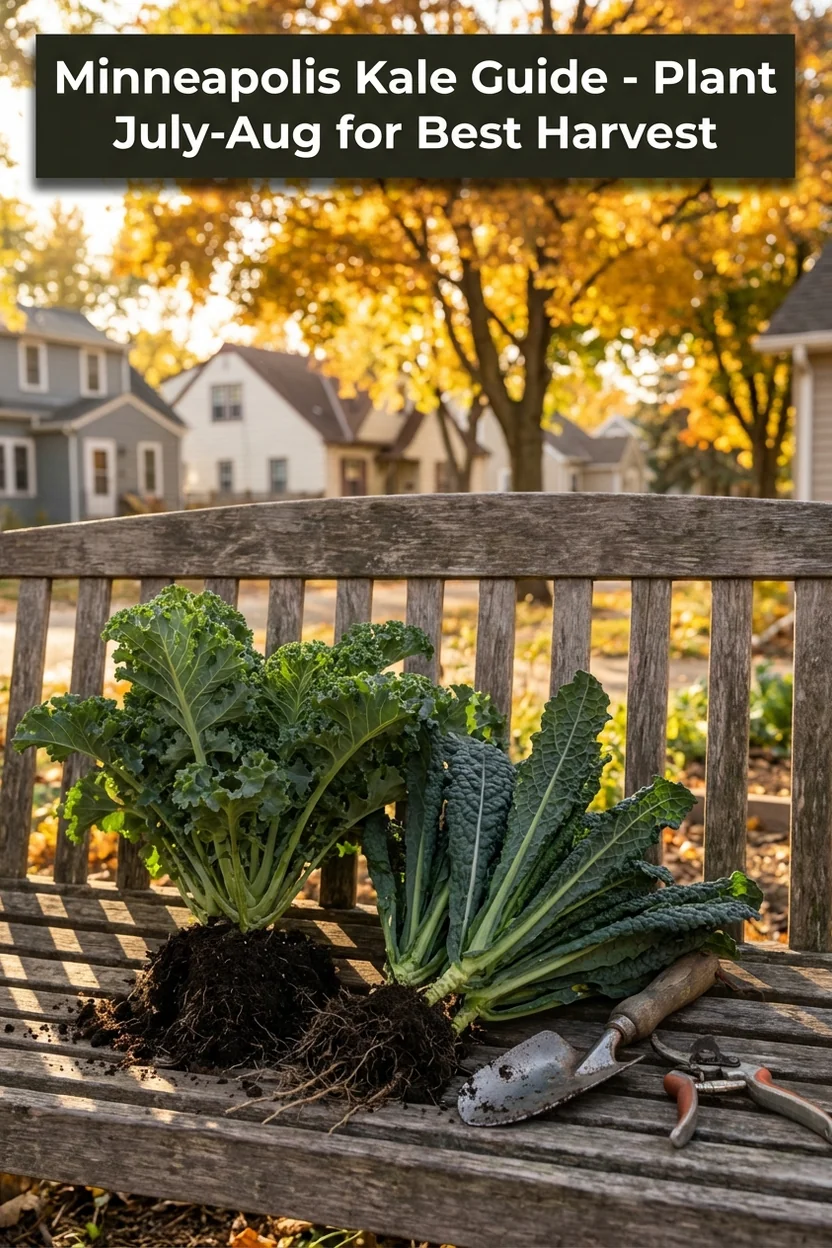
When to Plant Kale in Minneapolis: Complete Guide + Best Varieties for Zone 4a
Pets & Toxicity
Recorded toxicity for plants linked in this guide. An unknown status is not a safety assessment.
No linked plant is recorded as toxicDetailsHide
Brassica oleracea 'Red Russian' — Toxicity
Non-toxicView Brassica oleracea 'Red Russian' plant profileBrassica oleracea var. sabellica 'Vates' — Toxicity
Non-toxicView Brassica oleracea var. sabellica 'Vates' plant profile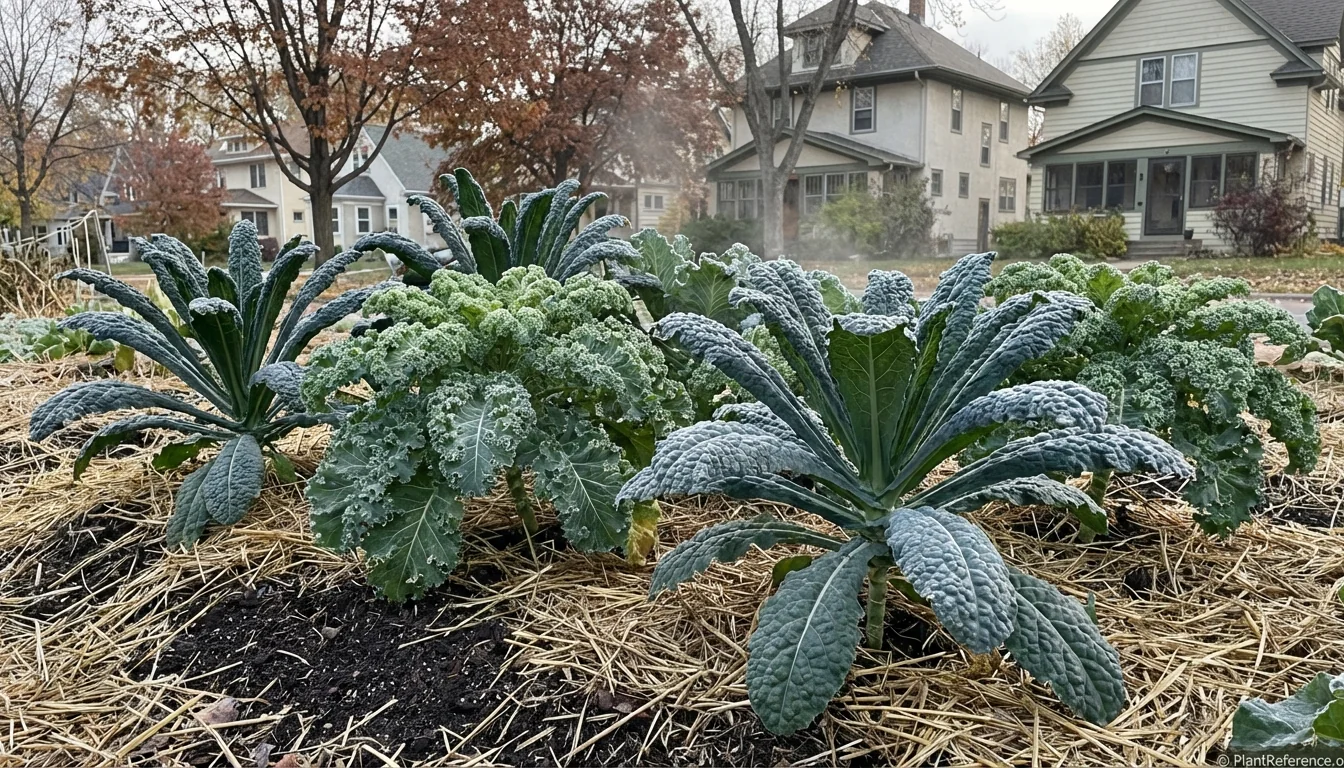
— Image © Plant Reference 2026
Growing kale in Minneapolis gives you a cold-hardy superfood that actually improves with frost exposure. The key to success lies in understanding that Minneapolis's Zone 4a climate creates ideal conditions for kale—if you time your plantings correctly.
Best Kale Varieties for Minneapolis's Zone 4a Climate
Minneapolis gardeners have distinct advantages when growing kale. Your Zone 4a climate provides the cool temperatures kale craves, and those inevitable autumn frosts actually trigger a biochemical process that converts starches to sugars, making your kale dramatically sweeter and more tender.
I've been growing kale in cold climates for forty years, and I'll tell you what works reliably in Minneapolis conditions. The secret is selecting varieties bred for extreme cold tolerance while understanding that different types serve different purposes in your garden.
Variety | Days to Maturity | Best For | Notes for Minneapolis |
|---|---|---|---|
60-75 days | Overwintering | Survives -10°F with mulch protection | |
60-75 days | Fall harvest | Sweet nutty flavor, good cold tolerance | |
50-60 days | Quick spring crop | Fast-maturing for short season | |
60-75 days | Ornamental + edible | Purple color intensifies with cold | |
55-65 days | Container growing | Compact size, wind-resistant |
Winterbor Kale dominates Minneapolis gardens for good reason. This F1 hybrid tolerates temperatures down to -10°F (-23°C) when properly mulched, making it your most reliable overwintering choice. The deeply curled leaves create insulation pockets that protect the growing crown from freeze damage. While the texture requires cooking or massaging for raw use, the flavor after frost exposure rivals any gourmet green.
Lacinato Kale (also called Tuscan or Dinosaur kale) offers the best eating quality in Minneapolis. The flat, strap-like leaves with their distinctive bumpy texture concentrate flavors beautifully in cold weather. This variety handles Minneapolis frosts down to about 15°F (-9°C) reliably, though it won't overwinter without protection like Winterbor can.
Red Russian Kale serves as your speed champion for quick spring crops. Maturing in just 50-60 days, it can be planted early April and harvested before summer heat arrives. The tender, flat leaves with purple veining make excellent salad additions when harvested young.
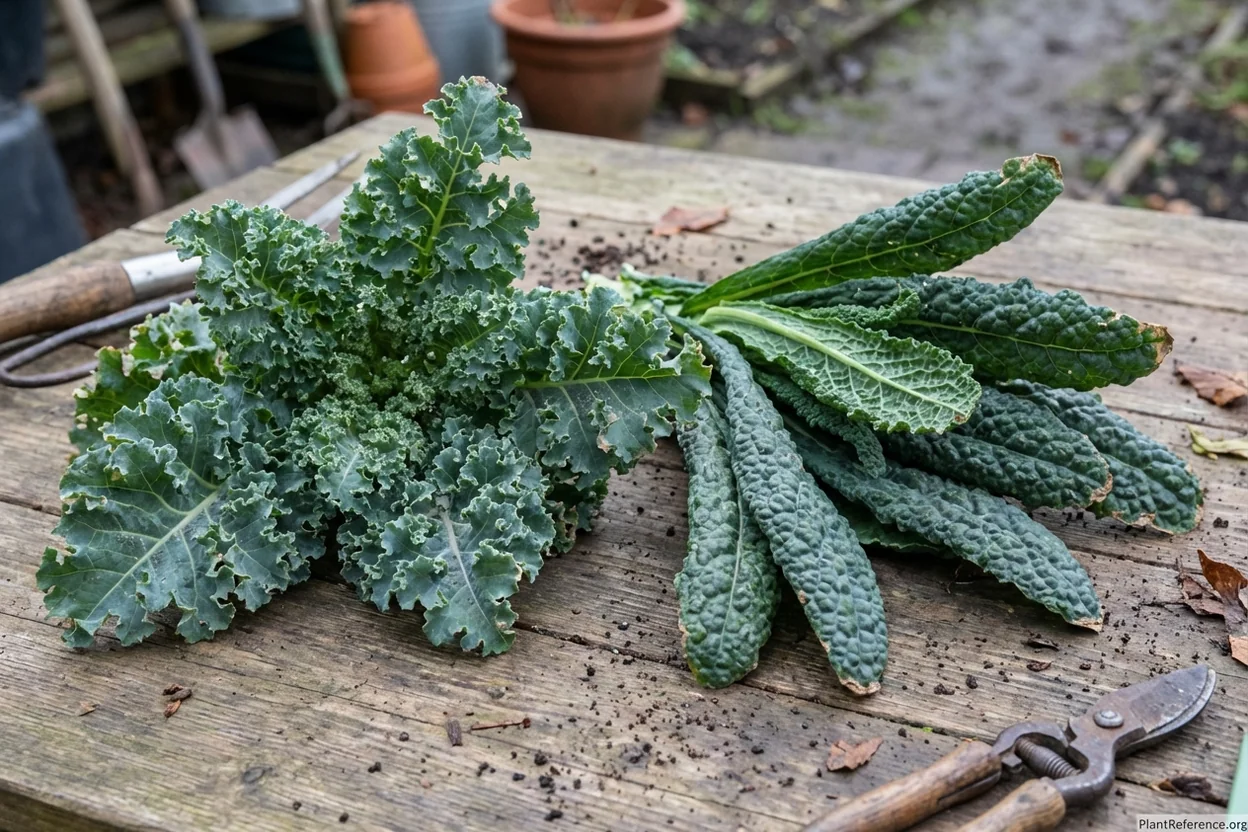
Redbor Kale functions as both food and ornament in Minneapolis landscapes. The deep purple-red foliage intensifies in color as temperatures drop, creating striking visual interest in your winter garden. The flavor sweetens considerably after frost, and the color holds even when cooked.
Vates Kale excels in Minneapolis container gardens and exposed locations. Its compact 12-16 inch height resists wind damage that can topple taller varieties during Minnesota's notorious wind storms. The blue-green curled leaves produce steadily throughout the growing season.
Specific Planting Dates for Minneapolis
Minneapolis's last frost date of May 14 and first frost date of September 29 create a 138-day growing season that's perfectly suited for kale production—when you time your plantings correctly.
Spring Planting Schedule for Minneapolis:
Start seeds indoors: March 15-30 (6-8 weeks before last frost)
Direct sow outdoors: April 1-15 (4-6 weeks before May 14 last frost)
Transplant outdoors: April 20-May 1 (2-3 weeks before last frost)
Spring plantings in Minneapolis face one major challenge: the rapid transition from cool spring to warm summer. Your goal is establishing mature plants before sustained temperatures above 80°F (27°C) arrive, typically in late June or early July.
Fall Planting Schedule for Minneapolis (RECOMMENDED):
Direct sow outdoors: July 15-August 15 (10-12 weeks before September 29 first frost)
Transplant outdoors: August 1-30 (if starting indoors)
Fall plantings produce superior results in Minneapolis because the plants mature in increasingly cool weather, avoiding summer heat stress entirely. More importantly, the autumn frosts trigger the starch-to-sugar conversion that makes kale sweet and tender.
Succession Planting Strategy:
For continuous harvest, plant new seeds every 2-3 weeks:
July 15: First fall planting
August 1: Second planting
August 15: Final planting for fall harvest
This staggered approach provides fresh, young leaves from September through November, with mature plants overwintering for early spring harvest.
Indoor Seed Starting Timeline:
If you prefer transplants over direct seeding:
Start seeds: 4-6 weeks before intended transplant date
Use: Standard potting mix in 2-3 inch pots
Temperature: 60-70°F (16-21°C) for germination
Light: Bright window or grow lights 12-14 hours daily
Transplant: When 4-6 true leaves develop
Complete Growing Guide for Minneapolis
Soil Preparation for Minneapolis Gardens:
Minneapolis's clay-heavy soils require amendment for successful kale production. Kale demands well-draining soil with pH between 6.0-7.5. Most Minneapolis soils tend toward neutral pH, which works well for brassicas.
Start by testing your soil pH using a basic test kit. If your soil tests below 6.0 (acidic), add lime in fall before planting. Acidic soils promote clubroot disease, a devastating fungal infection that kills brassica plants.
Work 2-3 inches of compost into the planting area along with a balanced organic fertilizer (5-5-5 or similar) at package rates. Kale feeds heavily on nitrogen for leaf production but also needs phosphorus for root development and potassium for cold hardiness.
Raised beds work exceptionally well in Minneapolis for kale production. They improve drainage, warm up faster in spring, and extend the growing season by preventing waterlogged roots during freeze-thaw cycles.
Planting Techniques:
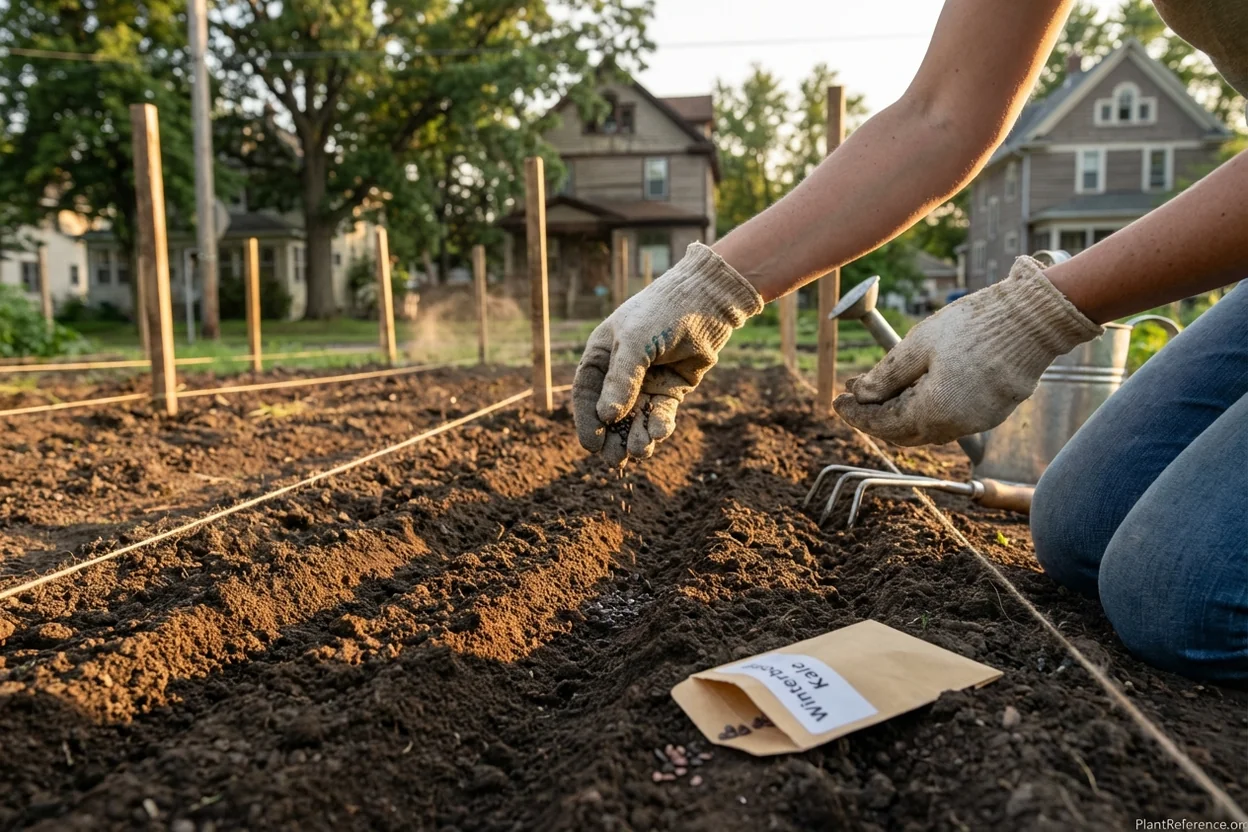
Direct seeding works best for fall crops in Minneapolis. Plant seeds 1/4 to 1/2 inch deep in rows spaced 18-24 inches apart. Space seeds 2-3 inches apart within rows, then thin to 12-18 inches between plants once they reach 3-4 inches tall.
For transplants, space plants 12-18 inches apart in all directions. Closer spacing produces smaller heads suitable for baby leaf harvest, while wider spacing allows full-size development.
Plant in blocks rather than long single rows when possible. This creates a microclimate that conserves moisture and protects plants from Minneapolis's sometimes fierce winds.
Watering Requirements:
Kale needs consistent moisture but not waterlogged conditions. Provide 1-1.5 inches of water weekly, including rainfall. Deep, infrequent watering encourages deeper root development, which improves drought tolerance and cold hardiness.
Water at soil level using soaker hoses or drip irrigation when possible. Overhead watering can promote fungal diseases, particularly in Minneapolis's humid summer conditions.
Mulch around plants with 2-3 inches of straw or shredded leaves to conserve moisture and suppress weeds. Keep mulch 2-3 inches away from plant stems to prevent pest harborage.
Fertilization Schedule:
Side-dress plants 4-6 weeks after planting with nitrogen-rich organic fertilizer like blood meal or fish emulsion. This timing coincides with rapid leaf development and helps establish plant size before winter.
For overwintering kale, apply a balanced fertilizer in early September to strengthen plants for winter survival. Avoid high-nitrogen feeding after mid-September, as this produces tender growth susceptible to freeze damage.
Cold Protection Strategies:
Minneapolis kale benefits from season extension techniques:
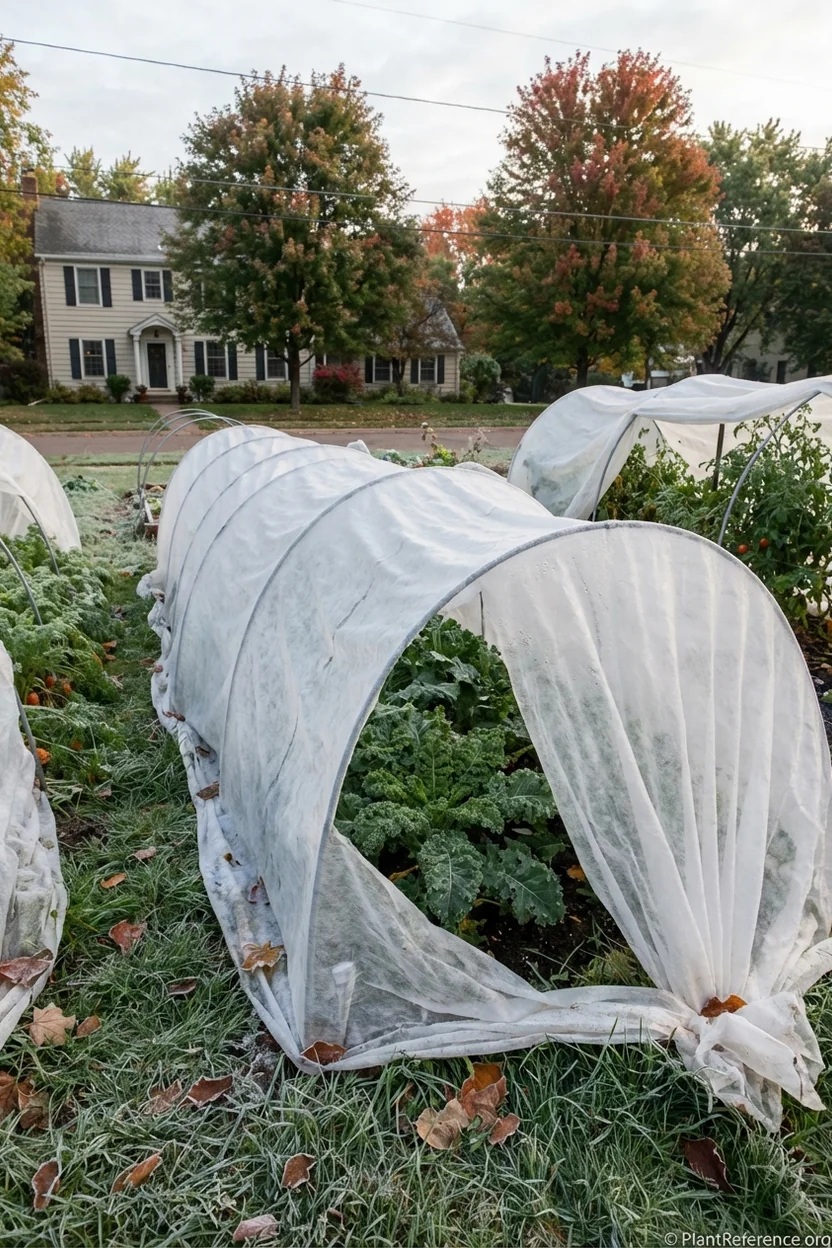
Row Covers: Use lightweight fabric covers during unexpected late spring or early fall frosts. These add 3-5°F of protection and extend harvest by 2-4 weeks.
Cold Frames: Simple cold frames can keep kale producing through December and January in Minneapolis. Position frames to capture maximum winter sunlight.
Heavy Mulching: Apply 6-8 inches of straw mulch around overwintering plants after the first hard frost. This insulates roots and crowns from freeze-thaw damage.
Snow Cover: Don't remove snow from kale plants. Snow acts as insulation, keeping plants at near-freezing temperatures even when air temperatures drop to -20°F (-29°C).
Troubleshooting Minneapolis-Specific Problems
Problem | Symptoms | Likely Cause | Quick Fix |
|---|---|---|---|
Cabbage Worms | Small holes in leaves, green droppings on foliage | Imported cabbageworm larvae | Apply Bt spray weekly July-September or use row covers April-May |
Aphids | Curled, distorted leaves; sticky residue | Cabbage aphids on leaf undersides | Strong water spray or insecticidal soap every 3-4 days |
Flea Beetles | Shot-hole damage in young leaves | Tiny jumping beetles | Row covers first 4-6 weeks or diatomaceous earth dust |
Cold Injury | Wilted, blackened stems after freeze-thaw | Rapid temperature fluctuation | Heavy mulch in fall; don't remove too early in spring |
Clubroot Disease | Swollen, distorted roots; stunted growth | Soil-borne fungal disease | Maintain pH 6.5-7.5; rotate crops every 3-4 years |
Premature Bolting | Early flowering before harvest | Cold exposure below 45°F for weeks | Use fall planting; start spring seeds indoors |
Cabbage Worms (Peak Season: June-August):
The imported cabbageworm poses the biggest pest threat to Minneapolis kale. Adult white butterflies lay eggs on leaf undersides, and the green caterpillars can devastate plants quickly.
Prevention works better than treatment. Cover spring plantings with row covers immediately after planting to exclude egg-laying butterflies. Remove covers once plants reach 6-8 inches tall.
For fall plantings, apply Bt (Bacillus thuringiensis) spray weekly from August through September when caterpillar pressure peaks. This organic bacterial spray kills caterpillars within 3-5 days of ingestion.
Aphids (Peak Season: May-June, September-October):
Cabbage aphids cluster on leaf undersides, causing curled, distorted growth. They overwinter as eggs in Minneapolis, emerging when temperatures warm in spring.
Strong water sprays dislodge aphids effectively. Use insecticidal soap spray for heavy infestations, applying every 3-4 days until populations drop.
Encourage beneficial insects by planting yarrow, dill, and other herbs nearby. Ladybugs, lacewings, and parasitic wasps provide excellent natural control.
Flea Beetles (Peak Season: April-May):
These tiny jumping beetles create shot-hole damage in young kale leaves. They're most damaging to spring plantings when plants are small and vulnerable.
Row covers provide excellent protection for the first 4-6 weeks after planting. Diatomaceous earth dusted on leaves early morning when dew is present helps control adult beetles.
Plant trap crops like radishes nearby to draw flea beetles away from kale plants.
Cold Injury (Risk Period: Late March-April, November-December):
Rapid temperature fluctuations can damage kale more than steady cold. Minneapolis's spring freeze-thaw cycles can cause root heaving and crown damage.
Mulch heavily in fall and don't remove it too early in spring. Gradual soil temperature changes prevent root damage from heaving.
Water plants well before hard freezes. Hydrated plants tolerate cold better than drought-stressed ones.
Clubroot Disease (Risk Factors: Acidic soil, poor drainage):
This soil-borne disease causes swollen, distorted roots and stunted growth. It persists in soil for years once established.
Test soil pH annually and maintain between 6.5-7.5. Apply lime if needed in fall before planting.
Rotate brassica crops to different garden areas every 3-4 years. Never plant kale, cabbage, broccoli, or radishes in the same location consecutively.
Bolting (Premature Flowering):
Spring-planted kale may bolt (flower prematurely) if exposed to cold temperatures below 45°F (7°C) for 2-3 weeks after germination.
Start seeds indoors for spring crops to avoid cold exposure. Use bolt-resistant varieties like 🌿Brassica oleracea 'Red Russian' for spring plantings.
Focus on fall plantings, which rarely bolt before winter kills them or spring warmth triggers natural flowering.
Harvest & Storage
When to Harvest:
Begin harvesting kale when leaves reach 6-8 inches long, typically 50-75 days after planting depending on variety. In Minneapolis, this means:
Spring plantings: Ready June-July
Fall plantings: Ready September-November
Harvest outer leaves first, leaving the central growing point intact. This allows continuous production for 2-4 months from each plant.
Best Harvest Time in Minneapolis:
The sweetest, most tender kale in Minneapolis comes after the first few frosts in October and November. Cold temperatures trigger sugar production that transforms bitter summer kale into sweet, mild greens.
Harvest in morning after frost has melted but before afternoon warmup. Leaves will be crisp and sweet with minimal bitterness.
Storage Methods:
Fresh kale keeps 7-10 days refrigerated in plastic bags with air holes. Don't wash before storing—moisture promotes decay.
For long-term storage:
Freezing: Blanch leaves 2-3 minutes in boiling water, shock in ice water, drain well, and freeze in bags. Frozen kale works excellently in soups and smoothies.
Dehydrating: Remove stems and dehydrate leaves at 95°F until crispy. Store in airtight containers for kale chips or powder.
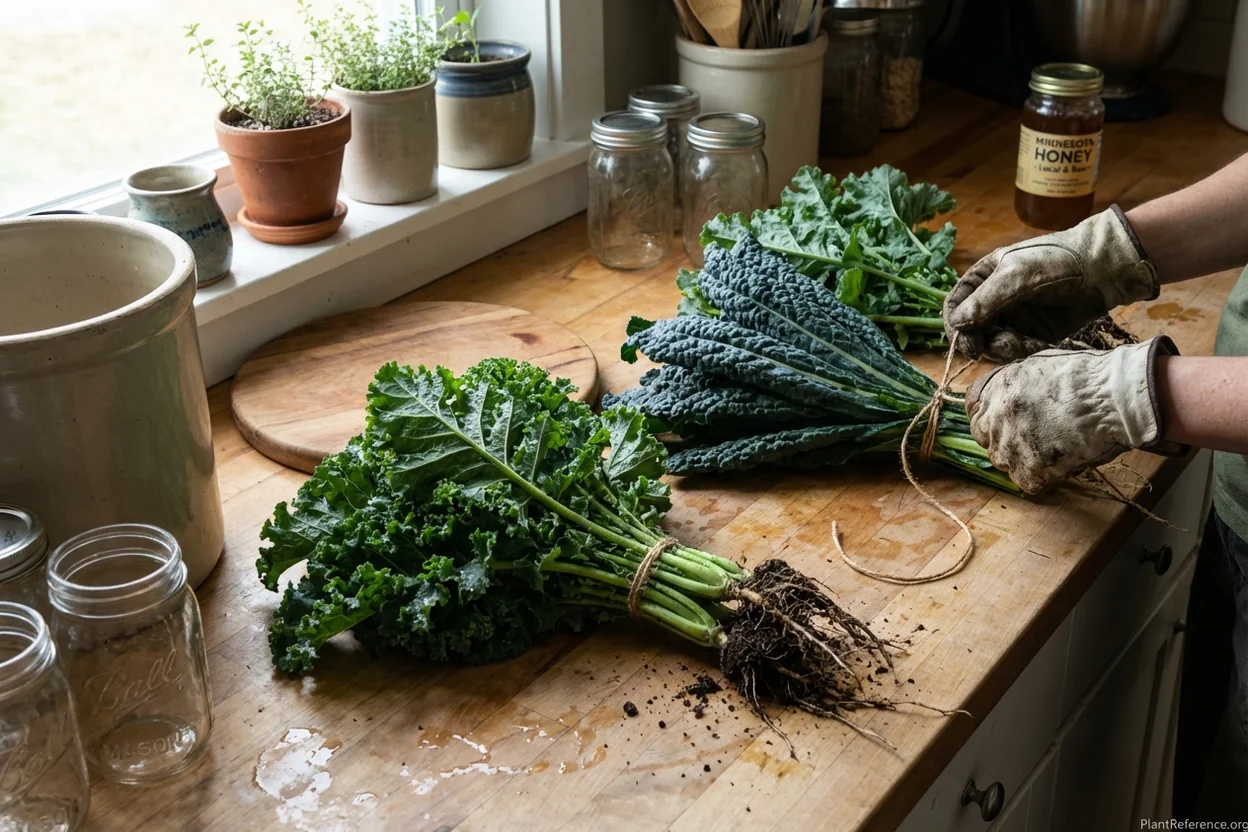
Root Cellaring: In Minneapolis, you can harvest whole plants in November, roots and all, and store in damp sand in an unheated garage or basement. Plants stay fresh 2-3 months this way.
Overwintering Harvest:
Minneapolis gardeners can harvest kale throughout winter with proper varieties and protection. 🌿Brassica oleracea 'Winterbor' survives Minneapolis winters under heavy mulch, providing fresh greens in January and February.
Harvest during warm spells above 25°F (-4°C). Frozen leaves become mushy when thawed, so only cut unfrozen portions.
Plants resume active growth in March, providing the earliest fresh greens of the season.
Frequently Asked Questions
Reading about plants and recognising them are different skills. These three build the second.
- Daily PlantIdentify the day’s mystery plant from a close-up photograph.
- Keyed OutWork a dichotomous key, lead by lead, to name a hidden specimen.
- Name That PlantName a specimen from botanical clues dealt hardest first.
Free to play, no account needed
Amanda came to gardening through an unexpected route—after developing chronic pain from rheumatoid arthritis in her late 20s, she started researching adaptive gardening techniques that would allow her to continue growing plants without aggravating her condition. Now based in Minneapolis, she writes about accessible gardening, raised bed designs for people with mobility challenges, and ergonomic tools that reduce strain. Amanda completed a certificate in sustainable urban agriculture and volunteers with a nonprofit that builds accessible community gardens. She grows vegetables, herbs, and flowers in waist-high raised beds she designed herself. Her writing focuses on practical solutions that work for real people with real limitations—whether that's arthritis, limited mobility, or just a bad back.