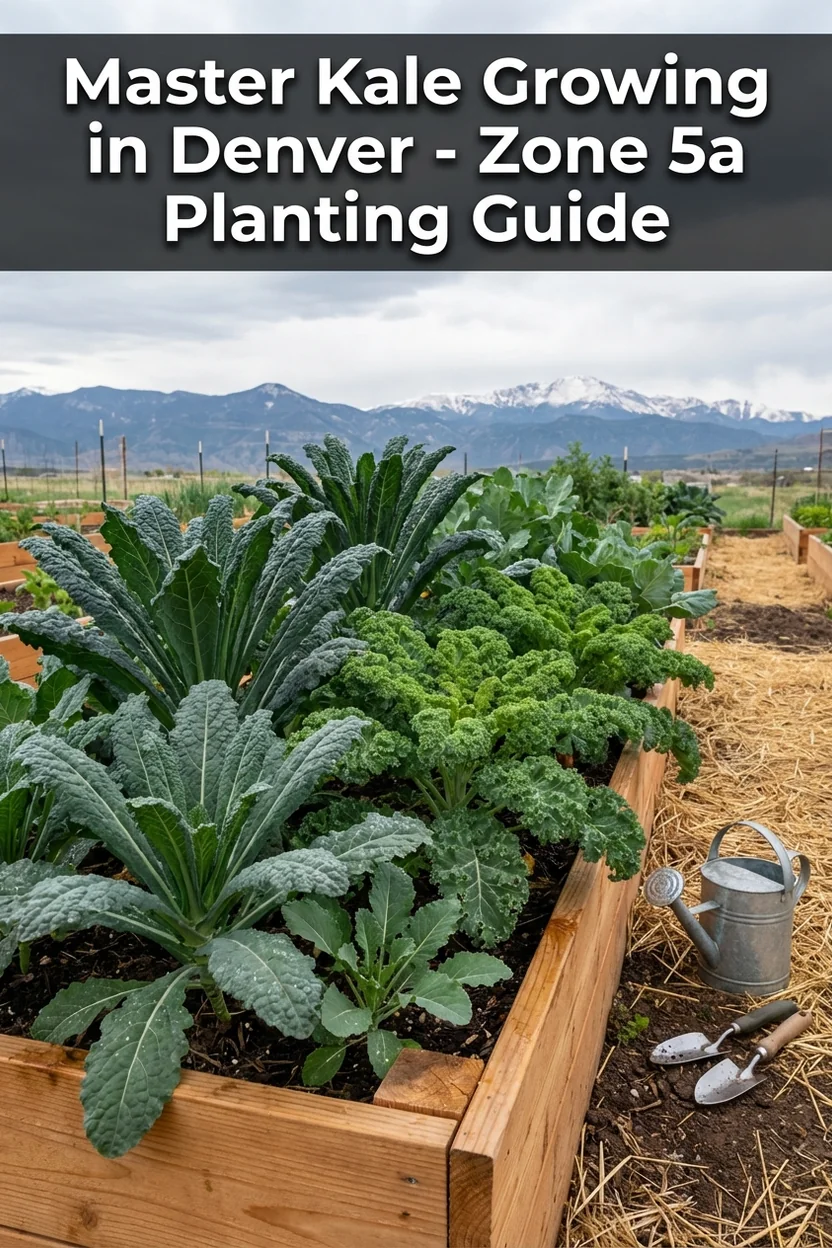
When to Plant Kale in Denver: Complete Guide + Best Varieties for Zone 5a
Pets & Toxicity
Recorded toxicity for plants linked in this guide. An unknown status is not a safety assessment.
No linked plant is recorded as toxicDetailsHide
Brassica oleracea 'Red Russian' — Toxicity
Non-toxicView Brassica oleracea 'Red Russian' plant profileBrassica oleracea var. sabellica 'Vates' — Toxicity
Non-toxicView Brassica oleracea var. sabellica 'Vates' plant profile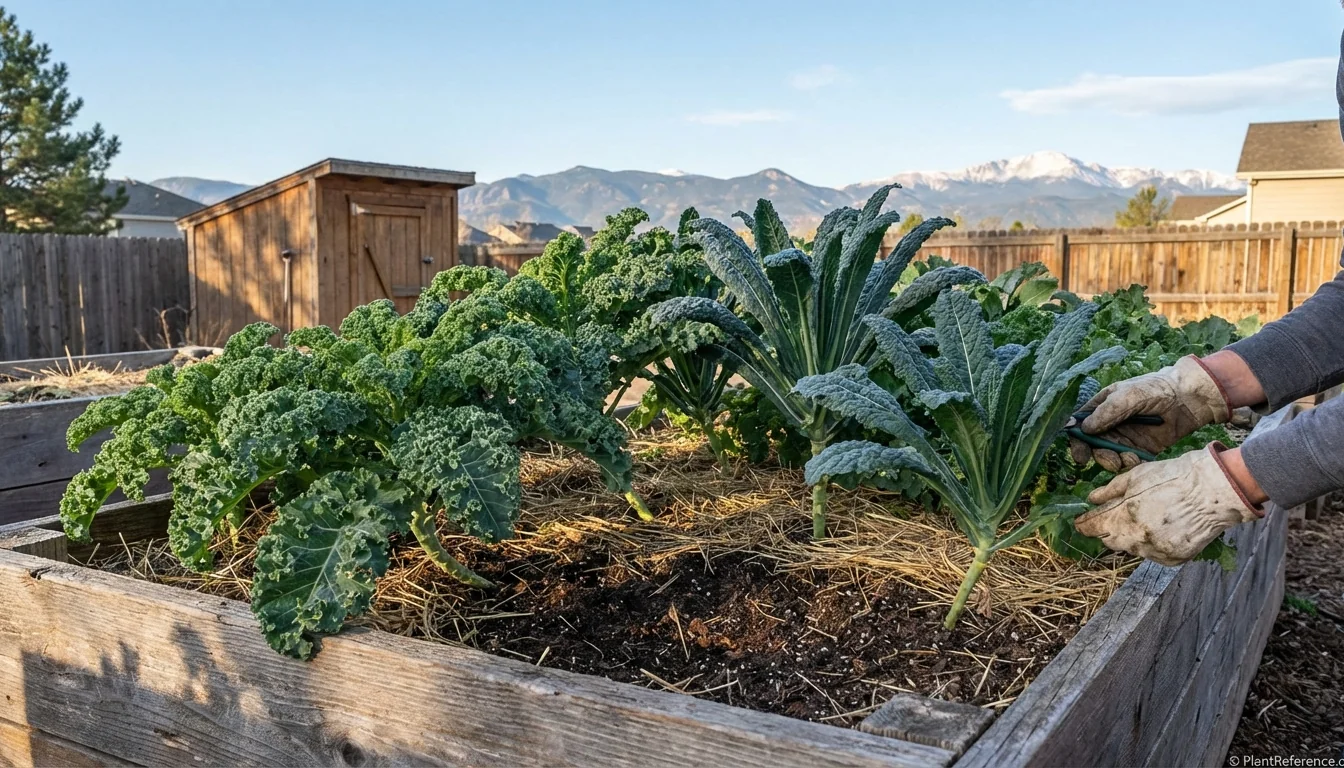
— Image © Plant Reference 2026
Growing kale in Denver means working with one of the best climates in America for this cold-hardy superfood. Denver's Zone 5a designation, 148-day growing season, and mile-high altitude create perfect conditions for producing sweet, tender kale that thrives in cool weather and gets even better after frost.
I've been gardening in high-altitude climates for forty years, and I can tell you Denver offers something most cities don't: two distinct kale seasons that both produce exceptional crops. Your spring kale will be ready before summer heat hits, and your fall kale will sweeten beautifully with those crisp October nights. The key is understanding how Denver's unique combination of intense sun, low humidity, and dramatic temperature swings affects these hardy brassicas.
The secret to success with kale in Denver is timing your plantings to take advantage of the city's natural cool periods while avoiding the heat stress that comes with Colorado's intense summer sun and dry air. Spring crops give you an early harvest before the heat, while fall crops—planted in the heart of summer—reward you with the sweetest kale you'll ever taste.
Best Kale Varieties for Denver's Zone 5a Climate
Denver's high-altitude environment demands kale varieties that can handle temperature swings, intense UV radiation, and low humidity. After decades of testing varieties in Colorado gardens, I've identified five varieties that consistently outperform others in our unique climate.
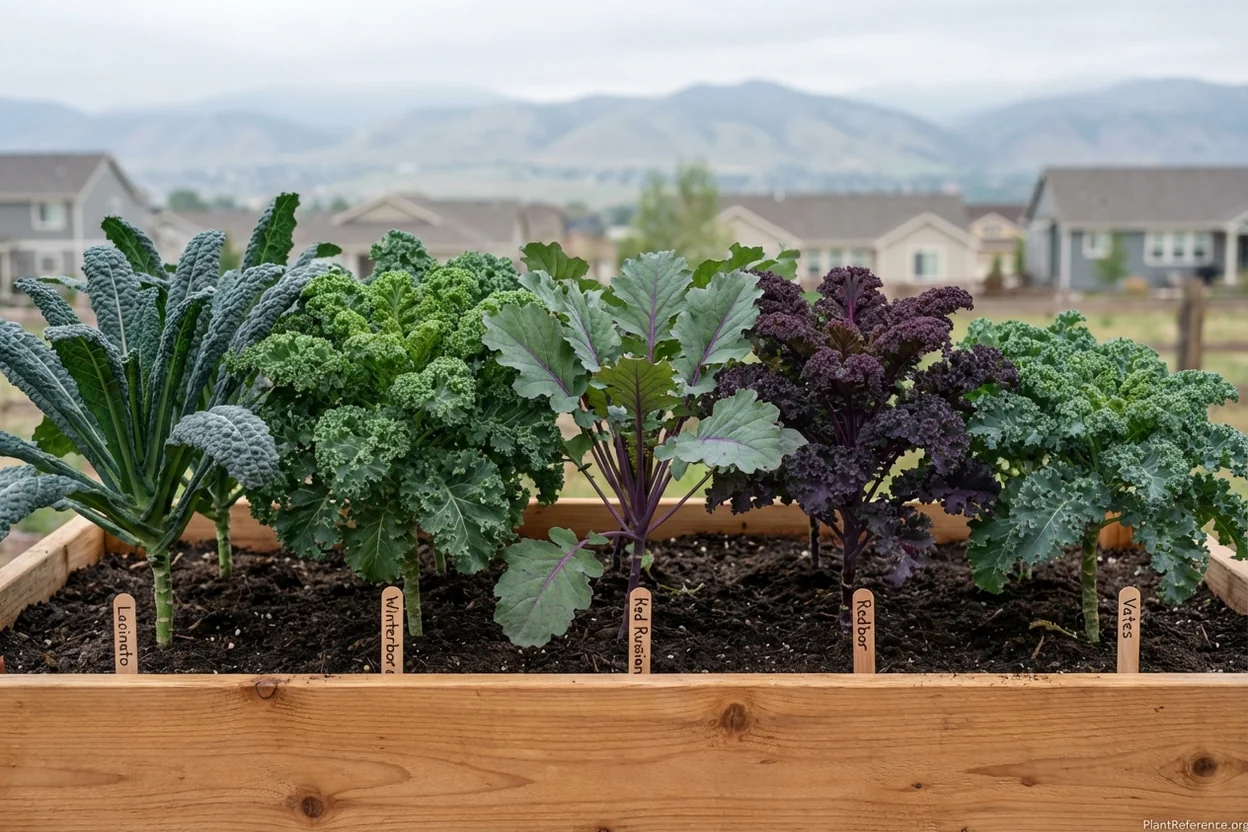
Variety | Days to Maturity | Best For | Notes for Denver |
|---|---|---|---|
60-75 days | Cold hardiness | Survives -10°F, best for overwintering | |
60-75 days | Flavor & heat tolerance | Handles Denver's intense sun better than curly types | |
50-60 days | Quick spring harvest | Fast maturing, excellent for succession planting | |
60-75 days | Cold hardiness & color | Anthocyanins provide UV protection at altitude | |
55-65 days | Wind resistance | Compact size handles Denver's gusty conditions |
Winterbor: The Mile-High Champion
🌿Brassica oleracea 'Winterbor' stands out as the ultimate choice for Denver gardeners serious about overwintering kale. This F1 hybrid handles our dramatic temperature swings better than any other variety I've grown. When February temperatures bounce from 60°F to 10°F in 24 hours—as they often do in Denver—Winterbor just keeps producing.
The deeply curled leaves create their own insulation, trapping warm air during cold snaps. I've seen Winterbor survive -15°F with nothing more than a light mulch around the base. The plant's vigorous growth habit fills out quickly in Denver's intense sunlight, reaching full size in 60-75 days.
Lacinato: The Heat-Beater
For Denver's challenging spring conditions, 🌿Brassica oleracea 'Lacinato' offers superior heat tolerance compared to curly varieties. Those flat, strap-like leaves don't trap heat the way ruffled varieties do, making it the best choice when May temperatures suddenly spike to 85°F.
The dinosaur-textured leaves hold up well in Denver's low humidity, resisting the wilting and bitterness that plague other varieties during our dry springs. Lacinato also handles the intense UV radiation at our altitude better than thin-leaved varieties.
Red Russian: The Speed Demon
When you want kale fast, 🌿Brassica oleracea 'Red Russian' delivers. Maturing in just 50-60 days, it's perfect for succession planting in Denver's relatively short growing season. The flat, oak-shaped leaves with purple veins create a beautiful contrast in the garden.
Red Russian excels as a spring crop in Denver, ready for harvest before our unpredictable late-spring weather turns hot. Its tender leaves don't require the massaging that tough curly varieties need, making it ideal for fresh salads.
Redbor: The Altitude Specialist
🌿Brassica oleracea 'Redbor' brings something unique to Denver gardens: natural UV protection. The deep purple-red color comes from anthocyanins—compounds that protect the plant from our intense high-altitude sunlight. This makes Redbor particularly well-suited to Denver's 5,280-foot elevation.
The striking color intensifies after exposure to cold, making fall-grown Redbor spectacular in November and December gardens. It overwinters as well as Winterbor while providing ornamental value during Colorado's long, brown winter months.
Vates: The Wind Warrior
Denver's notorious winds can devastate tall, leafy crops, but 🌿Brassica oleracea 'Vates' stands firm. This dwarf variety grows only 12-16 inches tall, staying below the worst of our wind currents. The compact, spreading habit creates its own windbreak while maximizing production in small spaces.
Vates works particularly well in exposed Denver gardens where chinook winds can reach 60+ mph. The finely curled leaves hold up to wind damage better than the large, flat leaves of other varieties.
Specific Planting Dates for Denver Gardeners
Denver's Zone 5a classification and May 9 average last frost date create two distinct growing windows for kale. Understanding these timing windows is crucial for maximizing both yield and flavor in our high-altitude climate.
Spring Planting Schedule
For spring kale in Denver, start seeds indoors or direct sow based on our May 9 last frost date:
Indoor Starting:March 15-25
Start seeds in trays 6-7 weeks before last frost
Transplant outdoors April 15-25
Protects against late cold snaps
Earlier harvest by 2-3 weeks
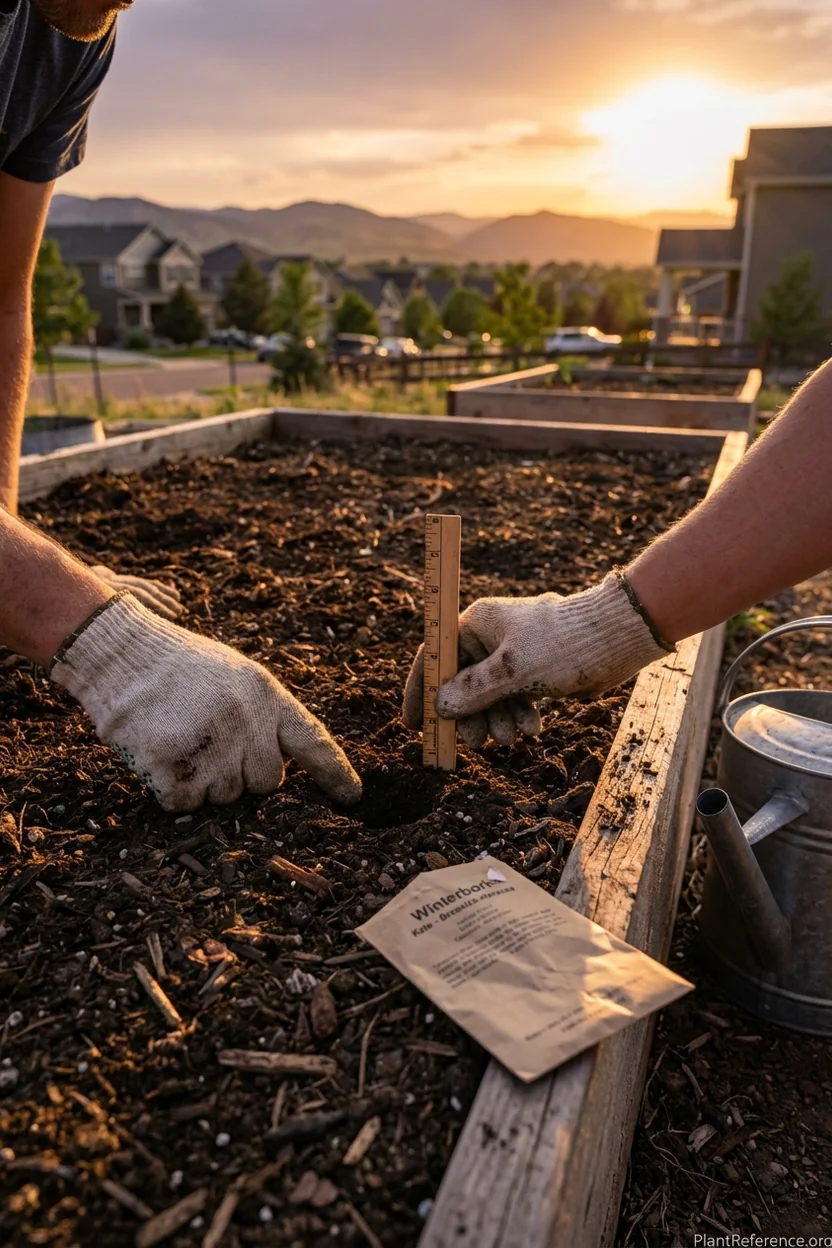
Direct Sowing:April 15-25
Soil temperature reaches consistent 45°F by mid-April
Seeds germinate reliably when daytime highs reach 60°F
Plant ½ inch deep in prepared beds
Succession plant every 2 weeks through early May
Fall Planting Schedule (Recommended)
Fall kale consistently outperforms spring crops in Denver. The key is planting early enough for plants to mature before our October 4 average first frost:
Prime Planting Window:July 15-August 1
Plants need 75-90 days to reach full size
Mature plants better survive first frost
Cool October nights trigger sweetening process
Extended harvest through winter with protection
Late Fall Option:August 15-September 1
Harvest as baby greens before hard freeze
Cover with row covers for season extension
Less reliable but possible in warm autumns
Season Extension Strategies
Denver's high altitude and intense sun create opportunities for extending the kale season beyond normal Zone 5a expectations:
Cold Frames: Extend spring harvest into June and fall harvest through February. Denver's intense winter sun heats cold frames effectively even at 20°F.
Row Covers: Floating covers add 5-10°F of protection, crucial during Denver's unpredictable spring and fall weather swings.
Thermal Mass: Water-filled containers near plants moderate temperature swings, particularly important during chinook wind events that can raise temperatures 40°F in hours.
Complete Growing Guide for Denver's High-Altitude Climate
Growing kale successfully in Denver requires understanding how our unique environmental conditions—high altitude, intense UV, low humidity, and dramatic temperature swings—affect these cool-season brassicas.
Soil Preparation for Denver's Clay
Most Denver soils are heavy clay that becomes concrete-hard when dry and waterlogged when wet. Kale needs well-draining soil that retains moisture during our dry conditions.
Clay Amendment Protocol:
Add 3-4 inches of compost annually
Mix in coarse perlite or pumice (available locally)
Raise beds 4-6 inches for drainage
Never work clay soil when wet
Denver's alkaline soil (pH 7.0-8.0) suits kale well, but test annually. If pH exceeds 8.0, add sulfur or organic matter to lower it gradually.
Water Management in the High Desert
Denver's semi-arid climate and low humidity create unique watering challenges for kale:
Deep, Infrequent Watering: Water 1-2 inches weekly in one deep application rather than daily light sprinklings. Clay soils need time to absorb water without runoff.
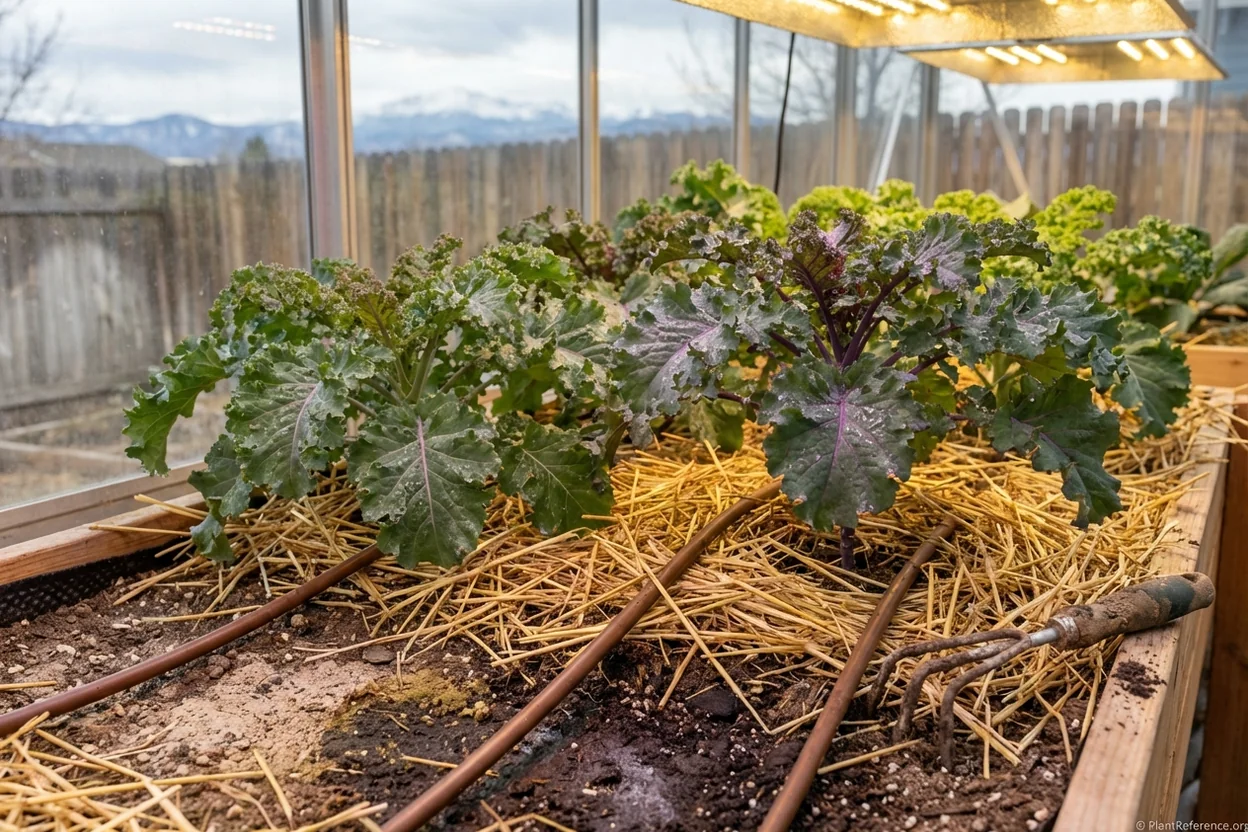
Mulching is Critical: Apply 2-3 inches of organic mulch around plants to conserve moisture and moderate soil temperature. Straw works well and doesn't blow away in our winds.
Morning Watering: Water early to minimize evaporation losses. Afternoon watering can shock plants when air temperatures exceed soil temperatures.
Fertilization for High-Altitude Growth
Denver's intense sunlight drives rapid growth, requiring consistent nutrition:
Pre-Plant: Mix 2-3 inches of compost with slow-release organic fertilizer (5-5-5) at planting time.
Side-Dressing: Apply fish emulsion or blood meal monthly during active growth periods. Denver's clay holds nutrients well once incorporated.
Micronutrients: Our alkaline soils often lack available iron and manganese. Apply chelated micronutrients if leaves show yellowing between veins.
Protection from Denver's Environmental Challenges
Wind Protection: Install windbreaks or plant kale on the east side of taller plants. Constant wind desiccates leaves and stunts growth.
Hail Defense: Keep row covers handy during hail season (April-July). Even small hail damages kale leaves significantly.
Sun Scald Prevention: In areas with afternoon reflection from buildings or fences, provide partial shade during peak summer heat.
Troubleshooting Denver-Specific Kale Problems
Denver's unique climate creates specific challenges that don't occur in other Zone 5a locations. After four decades of mountain gardening, I've learned to identify and solve these high-altitude problems quickly.
Problem | Symptoms | Likely Cause | Quick Fix |
|---|---|---|---|
Temperature Shock from Rapid Changes | Leaf curling, purple discoloration, sudden bolting | Denver's weather swings 40-50°F in 24 hours, especially during chinook events | Use row covers during unstable periods; water thoroughly before temperature drops |
Wind Desiccation Damage | Brown, crispy leaf margins; papery feel despite adequate soil moisture | Constant wind strips moisture faster than roots can replace | Increase watering frequency; apply anti-transpirant sprays; install windbreaks |
Altitude-Related Sunscald | White or yellow bleached spots on south-facing leaves; tough, bitter taste | Denver's elevation reduces atmospheric filtering, exposing plants to intense UV | Choose UV-protective varieties like Redbor; provide afternoon shade; plant for filtered morning sun |
Clay Soil Drainage Problems | Wilting during day despite wet soil; yellow lower leaves; black mushy roots | Denver clay becomes waterlogged during spring snowmelt or summer thunderstorms | Reduce watering frequency; apply coarse sand/perlite around base; transplant to raised beds |
Alkaline Soil Nutrient Lockup | Yellowing between veins while stems stay green | pH levels above 8.0 bind iron and other micronutrients in Denver's alkaline soils | Apply iron chelate; add organic matter consistently to lower pH long-term |
Early Bolting from Heat Stress | Premature flowering in spring, making leaves bitter and tough | Late spring heat waves trigger stress bolting when temps jump 40°F in 24 hours | Plant bolt-resistant Lacinato for spring crops; provide afternoon shade above 85°F |
Temperature Shock from Rapid Changes
Denver's weather can swing 40-50°F in 24 hours, especially during spring chinook events. Kale shows stress as leaf curling, purple discoloration, or sudden bolting.
Prevention: Use row covers during unstable weather periods. Water thoroughly before predicted temperature drops to moderate soil temperature changes.
Treatment: Don't harvest stressed plants for 3-5 days after temperature events. Let them recover naturally rather than forcing growth with fertilizer.
Wind Desiccation Damage
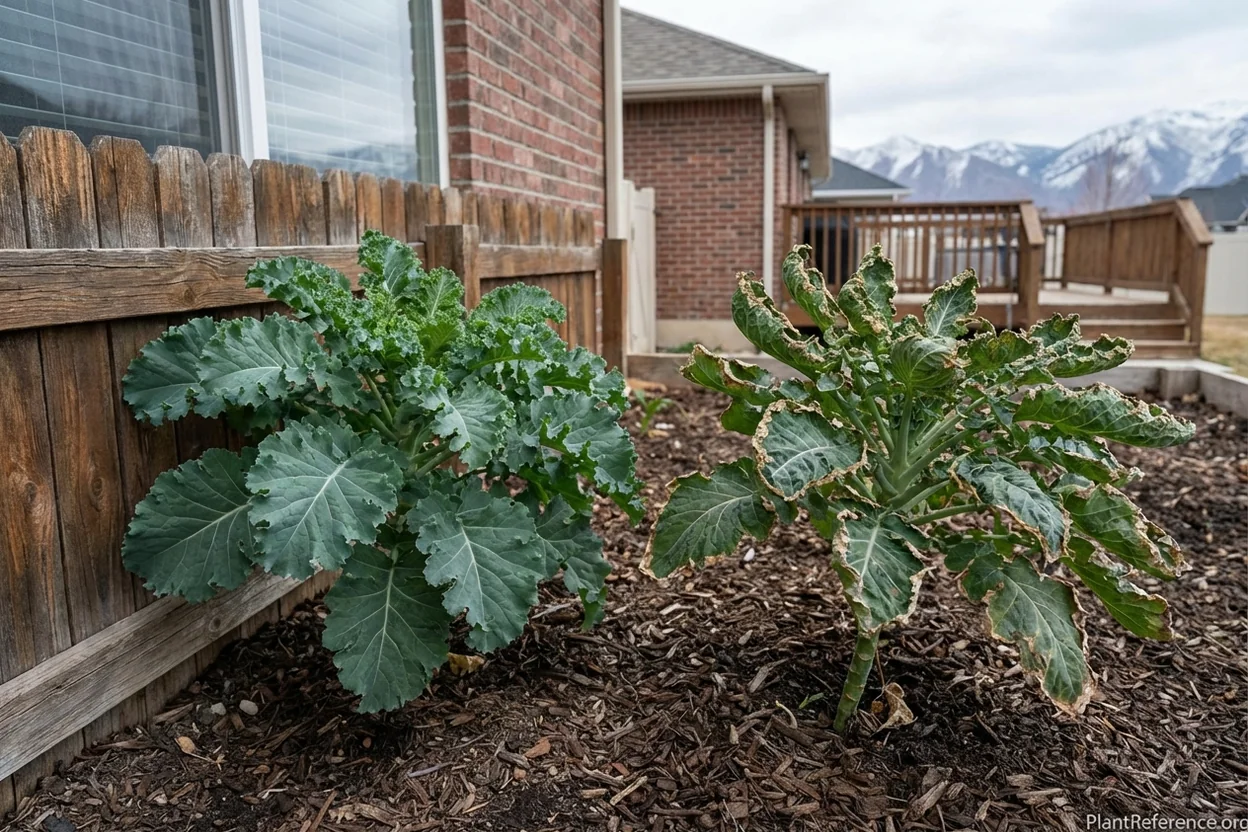
Constant wind strips moisture from kale leaves faster than roots can replace it, causing leaf edges to brown and curl.
Symptoms: Brown, crispy leaf margins starting at tips and spreading inward. Leaves feel papery despite adequate soil moisture.
Solution: Increase watering frequency during windy periods. Apply anti-transpirant sprays (available at local nurseries) to reduce moisture loss. Install temporary windbreaks using tall plants or fabric screens.
Altitude-Related Sunscald
Denver's elevation reduces atmospheric filtering, exposing plants to intense UV radiation that can bleach and burn kale leaves.
Symptoms: White or yellow bleached spots on leaves, particularly on south-facing surfaces. Leaves become tough and bitter.
Prevention: Choose varieties like Redbor with natural UV protection. Provide afternoon shade during peak summer. Plant so taller plants filter some morning sun.
Clay Soil Drainage Problems
Denver's clay becomes waterlogged during spring snowmelt or summer thunderstorms, leading to root rot in kale.
Symptoms: Plants wilt during day despite wet soil. Lower leaves turn yellow and drop. Roots appear black or mushy.
Immediate Action: Reduce watering frequency. Apply coarse sand or perlite around plant base to improve surface drainage. Consider transplanting to raised beds if problem persists.
Alkaline Soil Nutrient Lockup
pH levels above 8.0 bind iron and other micronutrients, causing kale leaves to yellow between veins while stems stay green.
Quick Fix: Apply iron chelate according to package directions. This provides immediately available iron while you work to lower soil pH long-term.
Long-term Solution: Add organic matter consistently. Compost naturally acidifies soil over time while improving clay structure.
Early Bolting from Heat Stress
Late spring heat waves (common in Denver) trigger premature flowering in kale, making leaves bitter and tough.
Prevention: Plant bolt-resistant varieties like Lacinato for spring crops. Provide afternoon shade during heat waves above 85°F.
Management: Harvest flower shoots immediately—they're edible and delay seed production. Continue harvesting lower leaves which remain tender longer.
Harvest & Storage in Colorado's Dry Climate
Denver's low humidity affects both when and how you harvest kale for maximum quality and storage life. Understanding these dry-climate considerations ensures you get the most from your crop.
Optimal Harvest Timing
Morning Harvest (6-9 AM): Leaves contain maximum moisture after cool nights. Essential in Denver's dry air where afternoon humidity can drop below 20%.
Post-Frost Sweetening: Wait 2-3 days after first frost before harvesting. Cold converts starches to sugars, dramatically improving flavor—particularly important for varieties like Winterbor that can be quite strong-flavored without cold conditioning.
Leaf Selection: Choose outer leaves 6-8 inches long. Smaller leaves lack substance; larger leaves become tough in Denver's intense sun and dry air.
Harvesting Techniques for Dry Conditions
Cut, Don't Pull: Use sharp scissors to avoid damaging stems in dry conditions where plants are more brittle.
Immediate Hydration: Plunge harvested leaves into cold water immediately to prevent wilting in dry air.
Harvest Frequency: Pick leaves every 4-5 days during peak season. Denver's intense sun toughens leaves quickly if left too long.
Storage in Low-Humidity Conditions
Denver's indoor humidity often drops below 30% in winter, requiring modified storage techniques:
High-Humidity Storage: Store kale in perforated plastic bags with damp paper towel to maintain moisture. Check daily and replace towel as needed.
Refrigerator Crisper: Use crisper drawer set to highest humidity. Denver's dry air penetrates refrigerators more than in humid climates.
Blanching for Freezing: Blanch kale 2-3 minutes in boiling water, then plunge into ice water. Denver's dry air makes unblanched greens mushy when frozen.
Value-Added Preservation
Kale Chips: Denver's dry air naturally dehydrates kale. Hang leaves in garage or basement for natural drying, or use dehydrator at 135°F for 6-8 hours.
Powder: Dehydrated kale ground fine stores well in Denver's low humidity. Add to smoothies, soups, or seasonings.
Fermentation: Kale sauerkraut or kimchi stores excellently in Denver's cool, dry winters. Low humidity reduces mold risk during fermentation.
Year-Round Growing Strategies for Denver
Denver's Zone 5a climate offers more kale-growing opportunities than most gardeners realize. With proper planning and season extension techniques, you can harvest fresh kale 8-10 months of the year.
Spring Season (March-June)
Early Spring: Start seeds indoors March 15. Transplant to cold frames or under row covers April 1-15.
Late Spring: Direct sow April 15-May 1 for main spring crop. Succession plant every 2 weeks through May 15.
Heat Avoidance: Harvest spring crops by mid-June before summer heat makes leaves bitter and tough.
Summer Strategies (July-August)
Cool Microclimates: Grow summer kale only in naturally cool areas—north sides of buildings, areas with morning sun and afternoon shade.
Fall Preparation: Start fall crops July 15-August 1. Provides harvest during Denver's excellent fall weather.
Heat-Tolerant Varieties: If attempting summer growing, use Lacinato exclusively. Curly varieties bolt immediately in Denver summer heat.
Fall/Winter Excellence (September-February)
Fall kale represents the pinnacle of Denver growing seasons:
Peak Planting: July 15-August 1 plantings mature September-October for harvest through winter.
Cold Protection: Use row covers when temperatures drop below 20°F. Denver's sunny winter days heat covered plants effectively.
Winter Harvest: Continue harvesting through January and February during mild spells. Frozen leaves thaw perfectly on sunny days.
Overwintering Varieties: Winterbor and Redbor consistently survive Denver winters with minimal protection.
Season Extension Infrastructure
Cold Frames: Build south-facing cold frames for winter harvest. Denver's winter sun provides excellent passive heating even at -10°F.
Row Covers: Invest in heavyweight row covers (1.5 oz fabric). Denver's temperature swings require more insulation than standard covers provide.
Thermal Mass: Place water-filled containers near plants. Moderates Denver's dramatic day-night temperature swings.
Denver's kale-growing season extends far beyond what most Zone 5a gardeners expect. The combination of intense winter sun, relatively mild temperatures, and low humidity creates unique opportunities for nearly year-round production with basic season extension techniques.
The key to success lies in timing your plantings to work with Denver's natural cool periods while protecting plants during our extreme weather events. Start with fall plantings—they'll give you the sweetest kale and the most reliable harvest while you learn to read our unique mountain weather patterns.
Frequently Asked Questions
Reading about plants and recognising them are different skills. These three build the second.
- Daily PlantIdentify the day’s mystery plant from a close-up photograph.
- Keyed OutWork a dichotomous key, lead by lead, to name a hidden specimen.
- Name That PlantName a specimen from botanical clues dealt hardest first.
Free to play, no account needed
Nathan is a garden designer in Denver who focuses on water-wise plantings adapted to Colorado's Front Range climate. He grew up in Nebraska, studied environmental science in college, and fell into garden design after spending summers working at a native plant nursery in Fort Collins. Denver's climate is genuinely challenging—low humidity, intense UV, alkaline clay soil, and wild temperature swings that can go from 70°F to snow in 24 hours. Nathan designs gardens that handle all of that without supplemental irrigation once established. He writes about xeric gardening, native plant selection for the Front Range, and the practical realities of high-altitude growing.