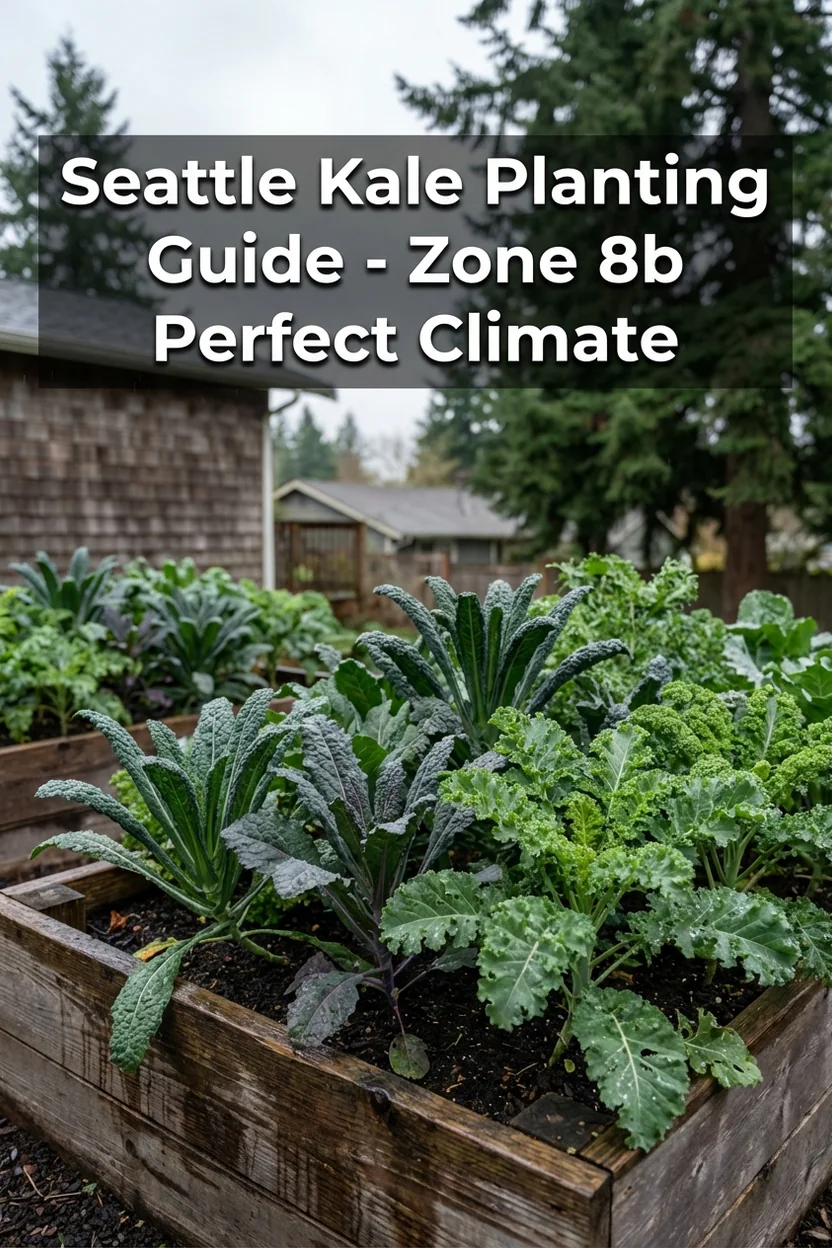
When to Plant Kale in Seattle: Complete Guide + Best Varieties for Zone 8b
Pets & Toxicity
Recorded toxicity for plants linked in this guide. An unknown status is not a safety assessment.
No linked plant is recorded as toxicDetailsHide
Brassica oleracea 'Red Russian' — Toxicity
Non-toxicView Brassica oleracea 'Red Russian' plant profileBrassica oleracea var. sabellica 'Vates' — Toxicity
Non-toxicView Brassica oleracea var. sabellica 'Vates' plant profile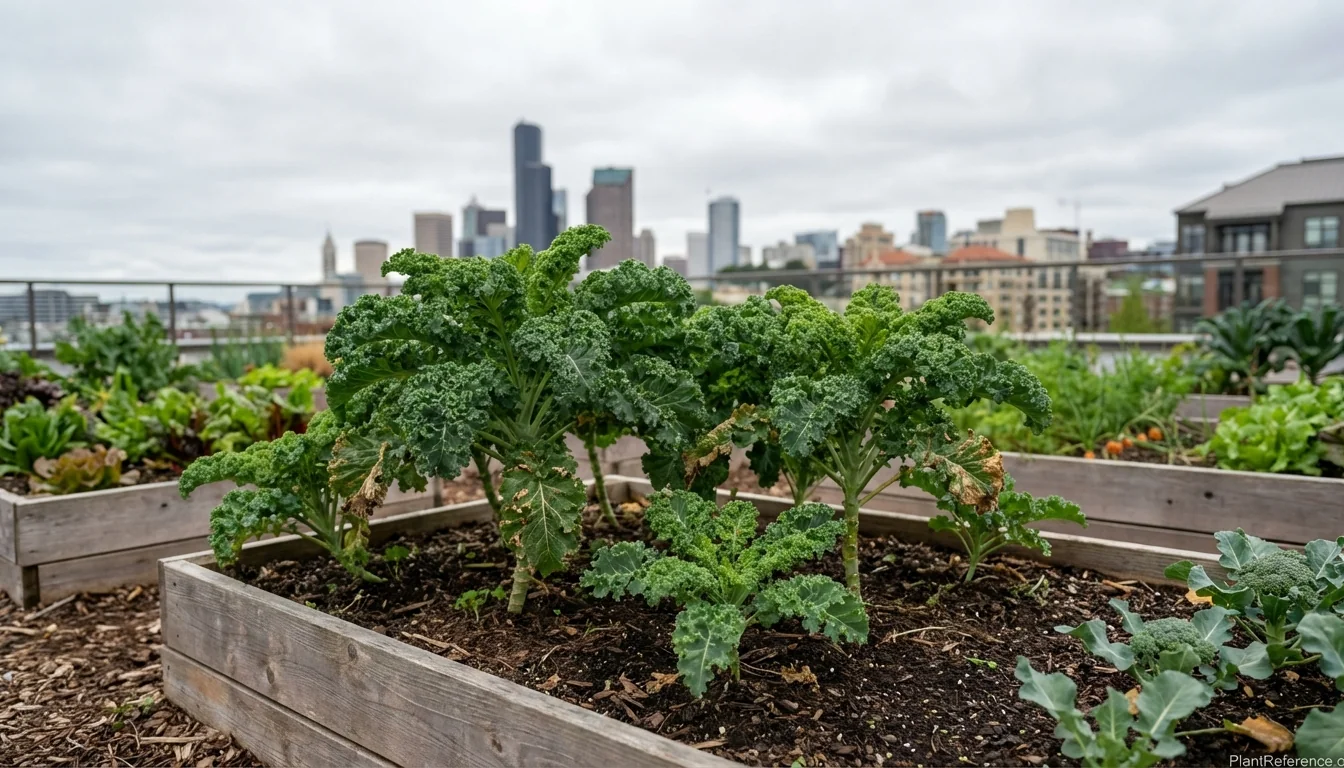
— Image © Plant Reference 2026
Seattle gardeners have won the kale lottery. Your Zone 8b Pacific Northwest climate is absolutely perfect for growing this cold-hardy green year-round, and I'm not exaggerating. After forty years of vegetable gardening, I can tell you that Seattle's cool, moist conditions create the ideal environment for kale to thrive without the heat stress that plagues gardeners in most other regions.
Best Kale Varieties for Seattle's Climate
Seattle's unique climate—with its mild, wet winters and relatively cool summers—allows you to grow varieties that would struggle in harsher climates. The key is matching varieties to your planting schedule and intended harvest period.
Variety | Days to Maturity | Best For | Notes for Seattle |
|---|---|---|---|
60-75 days | Year-round growing | Excellent overwintering, tender leaves | |
60-75 days | Winter harvest | Sweetest after frost, extremely cold hardy | |
50-60 days | Quick spring crops | Fast-growing, best for salads | |
60-75 days | Ornamental winter | Beautiful purple color intensifies in cold | |
55-65 days | Containers/small spaces | Compact growth, slow to bolt |
🌿Brassica oleracea 'Lacinato' (LEH-sin-ee-AH-toh), also called Tuscan or Dinosaur kale, is my top recommendation for Seattle. This Italian heirloom has flat, blue-green leaves with a distinctive bubbly texture. It's incredibly well-suited to your climate because it handles both the cool, wet winters and the mild summers without bolting. The leaves are tender enough for raw salads yet robust enough to survive December rains.
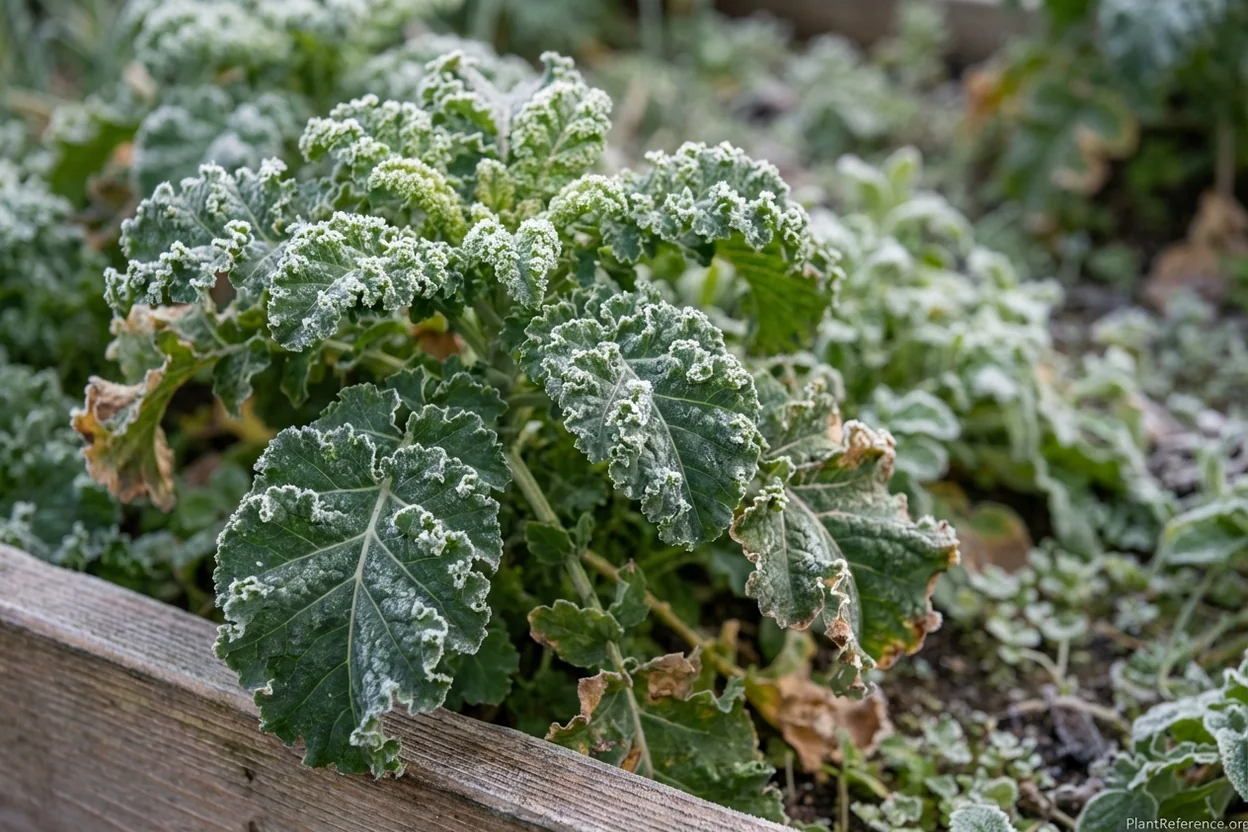
🌿Brassica oleracea 'Winterbor' lives up to its name in Seattle. This F1 hybrid is bred specifically for cold tolerance, and your mild Zone 8b winters are perfect for it. The deeply curled leaves catch and hold morning dew, but the plant structure prevents rot issues common in other climates. After your first frost in November, the leaves become incredibly sweet as the plant converts starches to sugars for cold protection.
🌿Brassica oleracea 'Red Russian' (also called 🌿Brassica napus 'Red Russian' by some sources) is perfect for Seattle's spring planting window. The flat, oak-leaf-shaped leaves with purple veins mature quickly, making it ideal for March plantings when you want fresh greens early in the season. It's also the most tender variety, perfect for the Pacific Northwest's farm-to-table culture.
Climate Advantages for Seattle Growers
Seattle's Zone 8b climate offers several unique advantages for kale growing that most gardeners can only dream of. Your average winter low of 20-25°F (-6 to -4°C) is perfect for kale, which can survive temperatures down to 10°F (-12°C) with minimal protection. More importantly, your summers rarely exceed 80°F (27°C), eliminating the heat stress and rapid bolting that plague gardeners in warmer regions.
The consistent moisture from Seattle's famous drizzle means you'll rarely deal with the drought stress that makes kale leaves tough and bitter in other climates. However, you'll need to manage the flip side—ensuring good drainage to prevent root rot during the wettest months.
Specific Planting Dates for Seattle
With Seattle's March 14 last frost date and November 14 first frost date, you have a 245-day growing season that allows for multiple planting strategies. But here's the secret most gardeners don't realize: in Seattle, you can essentially grow kale year-round with the right timing.
Spring Planting Window
Direct Sow: February 15 - April 15 Transplant: March 1 - May 1
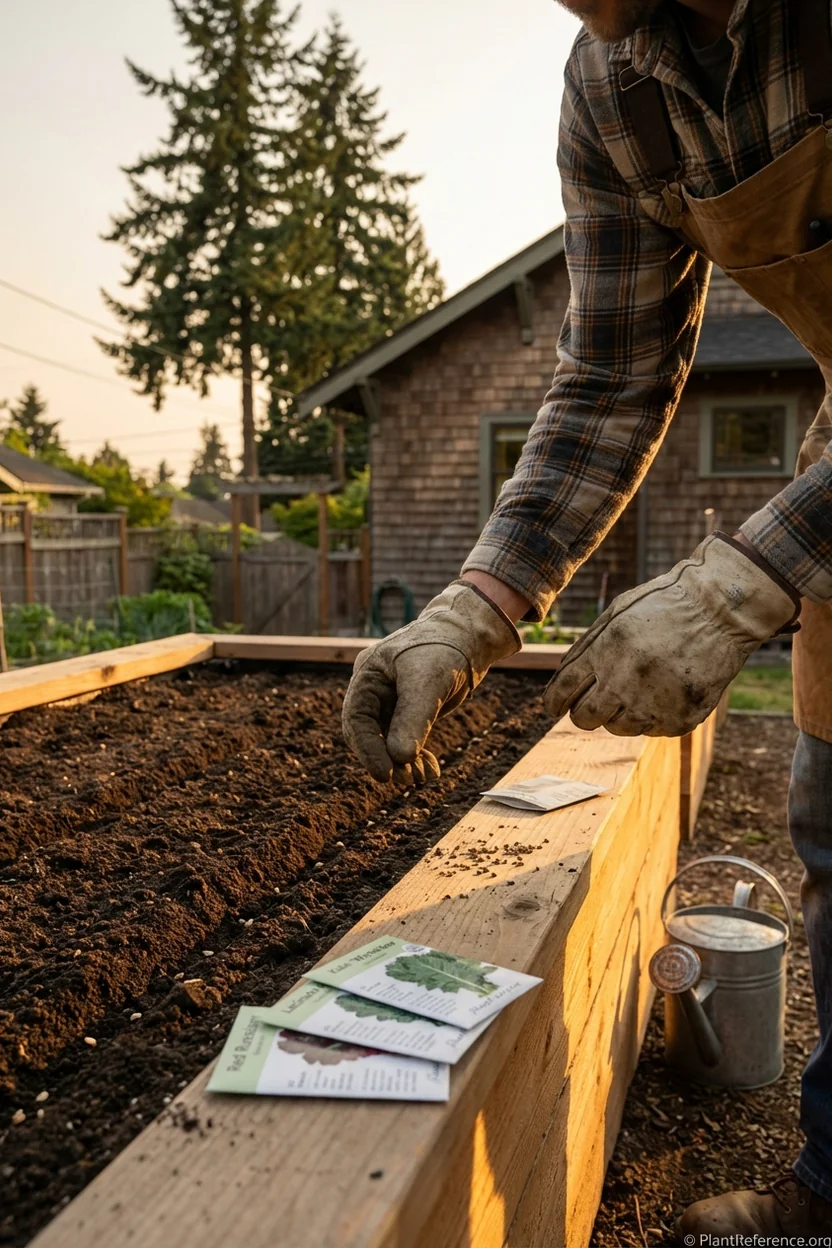
Start your spring kale 4-6 weeks before the last frost. In Seattle, this means you can direct sow as early as February 15, taking advantage of your mild late winter. For transplants, start seeds indoors around January 15 for March transplanting.
Spring plantings work exceptionally well in Seattle because your cool, moist springs provide ideal growing conditions. Unlike gardeners in hot climates who race against summer heat, you can take your time and let plants develop slowly for maximum tenderness.
Best Spring Varieties: - 🌿Brassica oleracea 'Red Russian' for quick salad greens - 🌿Brassica oleracea 'Lacinato' for sustained harvest through summer
Summer Planting (Seattle's Secret Advantage)
Direct Sow: June 1 - August 15
Here's where Seattle truly shines. Most gardeners can't plant kale in summer because of heat stress, but your mild Pacific Northwest summers make this possible. Summer plantings mature during the perfect fall weather, producing the highest-quality kale you'll ever taste.
Plant 🌿Brassica oleracea 'Winterbor' and 🌿Brassica oleracea 'Redbor' in July and August for fall and winter harvests. These plants will be mature when the first frost hits in November, triggering the sugar conversion that makes frost-kissed kale so incredibly sweet.
Fall/Winter Growing
Direct Sow: August 15 - September 30 Last Transplant: October 15
This is the crown jewel of Seattle kale growing. Plants started in late summer will provide fresh greens throughout the winter. Your mild Zone 8b winters mean these plants will slow their growth but continue producing harvestable leaves right through to spring.
Calculate your fall planting dates by working backward from November 14 (first frost). For mature plants at first frost, plant 🌿Brassica oleracea 'Lacinato' by August 15, 🌿Brassica oleracea 'Winterbor' by August 30.
Year-Round Succession Strategy
Plant new kale every 3-4 weeks from February through September for continuous harvest. This takes advantage of Seattle's extended growing season and ensures you always have tender young leaves available. Start with cold-hardy varieties in early plantings, switch to heat-tolerant types for summer, then return to cold-hardy varieties for fall.
Complete Growing Guide for Seattle
Growing exceptional kale in Seattle requires understanding how to work with your unique climate conditions—the abundant moisture, mild temperatures, and long growing seasons.
Soil Preparation for Pacific Northwest Conditions
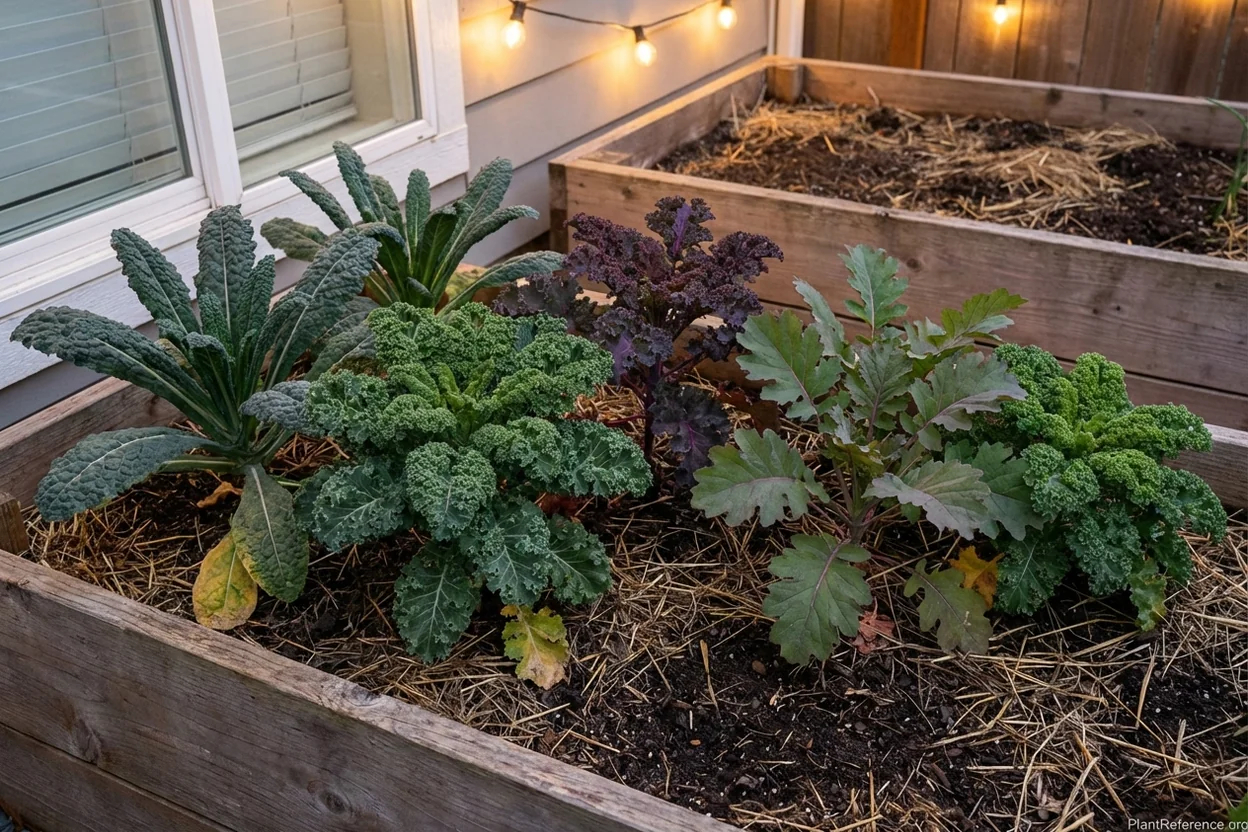
Seattle's heavy rainfall means drainage is crucial. If you're gardening in the region's typical clay soil, raised beds are essential. Build beds 8-12 inches (20-30 cm) high using cedar or other rot-resistant wood. Fill with a mix of one-third native soil, one-third compost, and one-third coarse sand or perlite for drainage.
The ideal soil pH for kale is 6.0-7.0, but Seattle's naturally acidic soil (often pH 5.5 or lower) needs amendment. Test your soil and add lime as needed to reach pH 6.5, which also helps prevent clubroot disease common in acidic conditions.
Work in 2-3 inches (5-8 cm) of compost before planting. Seattle's mild climate means organic matter breaks down slowly, providing steady nutrition throughout the long growing season. Avoid fresh manure, which can harbor pathogens in the wet climate.
Planting Techniques for Seattle Success
Direct Seeding works beautifully in Seattle's mild climate. Plant seeds ½ inch (1.3 cm) deep in rows 18 inches (45 cm) apart. The consistent moisture means germination rates are typically excellent—often 85-90% compared to 60-70% in drier climates.
Thin seedlings to 12-18 inches (30-45 cm) apart when they reach 3-4 inches (8-10 cm) tall. Don't waste the thinnings—these baby greens are perfect for salads and are often more tender than anything you can buy.
Transplant method gives you more control over spacing and timing. Start seeds indoors 4-6 weeks before transplanting. Harden off transplants by setting them outside during the day for a week before planting. Seattle's mild climate makes hardening off easier than in harsh-weather regions.
Watering Management in Wet Climate
This might surprise you, but proper watering is still crucial in Seattle, despite the abundant rainfall. The key is managing moisture rather than just adding it.
During the wet season (November-March), focus on drainage rather than irrigation. Ensure beds drain properly and avoid overwatering container plants. Kale needs consistent moisture but not waterlogged soil.
During the drier summer months (July-September), provide 1-1.5 inches (2.5-4 cm) of water per week. Morning watering is ideal as it allows leaves to dry before the cool evening hours, reducing disease risk.
Mulch around plants with 2-3 inches (5-8 cm) of straw or shredded leaves. This helps regulate soil moisture—absorbing excess during wet periods and conserving moisture during dry spells.
Fertilization Schedule for Extended Growing
Seattle's long growing season requires a different fertilization approach than shorter-season climates. Apply a balanced organic fertilizer (5-5-5 NPK) at planting time, working it into the top 4-6 inches (10-15 cm) of soil.
Side-dress with high-nitrogen fertilizer (fish emulsion or blood meal) 4 weeks after planting and again 8 weeks later for spring plantings. Fall plantings benefit from a single side-dressing 6 weeks after planting—avoid late-season nitrogen that can reduce cold hardiness.
The wet Pacific Northwest climate leaches nutrients faster than dry regions. Monthly applications of liquid kelp meal during the growing season provide trace elements and help plants handle stress.
Troubleshooting Seattle-Specific Problems
While Seattle's climate is ideal for kale, the region presents unique challenges that gardeners in other climates rarely face. Understanding these issues and their solutions will keep your kale thriving year-round.
Managing Excessive Moisture
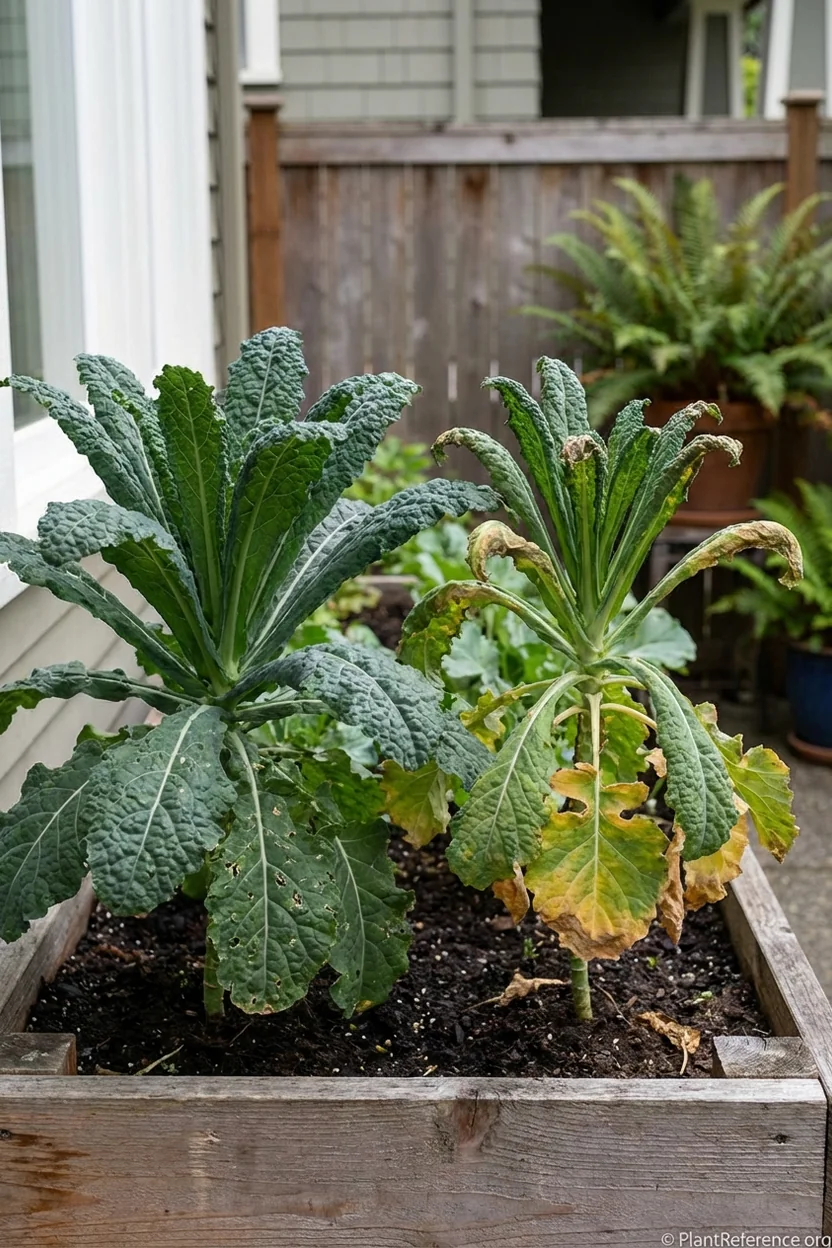
Root Rot becomes a serious concern during Seattle's wettest months (December-February). Symptoms include yellowing lower leaves, stunted growth, and plants that wilt despite moist soil. Prevention is key: ensure excellent drainage through raised beds, avoid overwatering containers, and plant in well-draining soil amendments.
Fungal Diseases thrive in Seattle's cool, moist conditions. Downy mildew appears as yellow patches on leaf tops with fuzzy growth on undersides. Black rot creates V-shaped yellow lesions starting from leaf edges. Space plants properly for air circulation, water at soil level rather than overhead, and remove affected leaves immediately.
Pest Pressure in Mild Climate
Slugs and Snails are the bane of Pacific Northwest gardeners, and they love tender kale leaves. These pests are active year-round in Seattle's mild climate, unlike regions with killing frosts. Hand-picking in evening hours is effective but time-consuming. Create barriers with copper tape around raised beds, or use iron phosphate-based slug baits (safer for pets and wildlife than metaldehyde baits).
Cabbage Root Maggot is particularly problematic in Seattle due to the extended growing season allowing multiple generations. Adult flies lay eggs at the base of plants in spring and fall. Use row covers during peak flight periods (April-May and September-October), or place cardboard collars around plant stems to prevent egg-laying.
Aphids multiply quickly in Seattle's mild conditions. Cabbage aphids are gray-green and cluster in leaf crevices, while green peach aphids are more mobile. Encourage beneficial insects like ladybugs and lacewings. Spray off heavy infestations with strong water jets, or use insecticidal soap for persistent problems.
Season Extension Techniques
Even in mild Seattle, you can extend harvests with simple protection methods. Row covers or cold frames can keep kale producing through the coldest weeks of January and February. In Zone 8b, this protection can mean the difference between dormant plants and actively growing ones.
Hoop tunnels covered with 6-mil plastic create a microclimate 5-10°F (3-6°C) warmer than outside temperatures. This allows harvest throughout winter and extends the productive season into early summer for spring-planted kale.
Dealing with Bolting in Extended Season
While Seattle's cool summers reduce bolting risk, extended daylight hours during summer can trigger flowering in some varieties. 🌿Brassica oleracea 'Red Russian' is most susceptible, while 🌿Brassica oleracea 'Lacinato' and 🌿Brassica oleracea 'Winterbor' are more resistant.
If plants do bolt, harvest the flower shoots (called "kale raab") as a delicacy—they're tender and mildly flavored. Cut back bolted plants to 6 inches (15 cm) and they often regrow for a second harvest, especially during fall cooling.
Harvest & Storage
Seattle's extended growing season allows for harvest strategies impossible in shorter-season climates. Understanding when and how to harvest maximizes both yield and quality throughout the year.
Optimal Harvest Timing
Young leaves (4-6 inches/10-15 cm) are most tender and perfect for raw salads. Harvest these continuously from 30-40 days after planting, taking outer leaves first while allowing the center to continue producing.
Mature leaves (8-12 inches/20-30 cm) develop better flavor and are ideal for cooking. In Seattle, the best mature leaves come from fall plantings harvested after the November 14 frost date. The cold converts plant starches to sugars, creating incredibly sweet, tender leaves.
Post-frost harvest is when Seattle kale reaches its peak quality. The first frost triggers biochemical changes that reduce bitterness and increase sweetness. Leaves harvested in December and January often taste like an entirely different vegetable compared to summer-harvested kale.
Harvest in the morning after dew evaporates but before afternoon warming. Cut leaves with sharp scissors or a knife, leaving at least 5-6 center leaves for continued growth. Never harvest more than one-third of the plant at once.
Storage Methods for Extended Season
Refrigerator storage works well for Seattle's continuously harvested kale. Wash leaves in cold water, dry thoroughly, and store in perforated plastic bags in the refrigerator crisper. Properly stored kale keeps 5-7 days, longer than store-bought due to freshness at harvest.
Freezing preserves Seattle's premium fall-harvested kale for year-round use. Blanch leaves for 2 minutes in boiling water, plunge into ice water, drain thoroughly, and freeze in portion-sized bags. The texture changes, making frozen kale ideal for soups, stews, and smoothies.
Dehydrating creates kale chips from excess harvest. Seattle's abundance makes this preservation method particularly valuable. Dehydrate at 125°F (52°C) for 4-6 hours until crispy. Store in airtight containers for up to 6 months.
Continuous Harvest Strategy
With Seattle's mild climate, implement a "cut and come again" approach for maximum yield. Harvest outer leaves weekly once plants reach maturity, allowing 4-5 center leaves to continue growth. This method can provide fresh kale from a single planting for 3-4 months.
Succession plant every 3-4 weeks to ensure continuous harvest of tender young leaves. This is especially effective with quick-maturing 🌿Brassica oleracea 'Red Russian' planted every month from March through August.
Frequently Asked Questions
Reading about plants and recognising them are different skills. These three build the second.
- Daily PlantIdentify the day’s mystery plant from a close-up photograph.
- Keyed OutWork a dichotomous key, lead by lead, to name a hidden specimen.
- Name That PlantName a specimen from botanical clues dealt hardest first.
Free to play, no account needed
Mike's been designing residential landscapes in the Seattle area, with a particular focus on Pacific Northwest natives and sustainable practices. He's a Washington State Master Gardener and worked in construction before landscaping, which gives him a practical edge when it comes to building raised beds and hardscaping projects. He runs a small side business propagating and selling unusual perennials at farmers markets on weekends. His property serves as a testing ground for low-maintenance, wildlife-friendly garden designs. Mike's philosophy: if it requires weekly maintenance, it's not sustainable.