When to Plant Kale in Phoenix: Complete Guide + Best Varieties for Zone 9b
Pets & Toxicity
Recorded toxicity for plants linked in this guide. An unknown status is not a safety assessment.
No linked plant is recorded as toxicDetailsHide
Brassica oleracea 'Red Russian' — Toxicity
Non-toxicView Brassica oleracea 'Red Russian' plant profileBrassica oleracea var. sabellica 'Vates' — Toxicity
Non-toxicView Brassica oleracea var. sabellica 'Vates' plant profile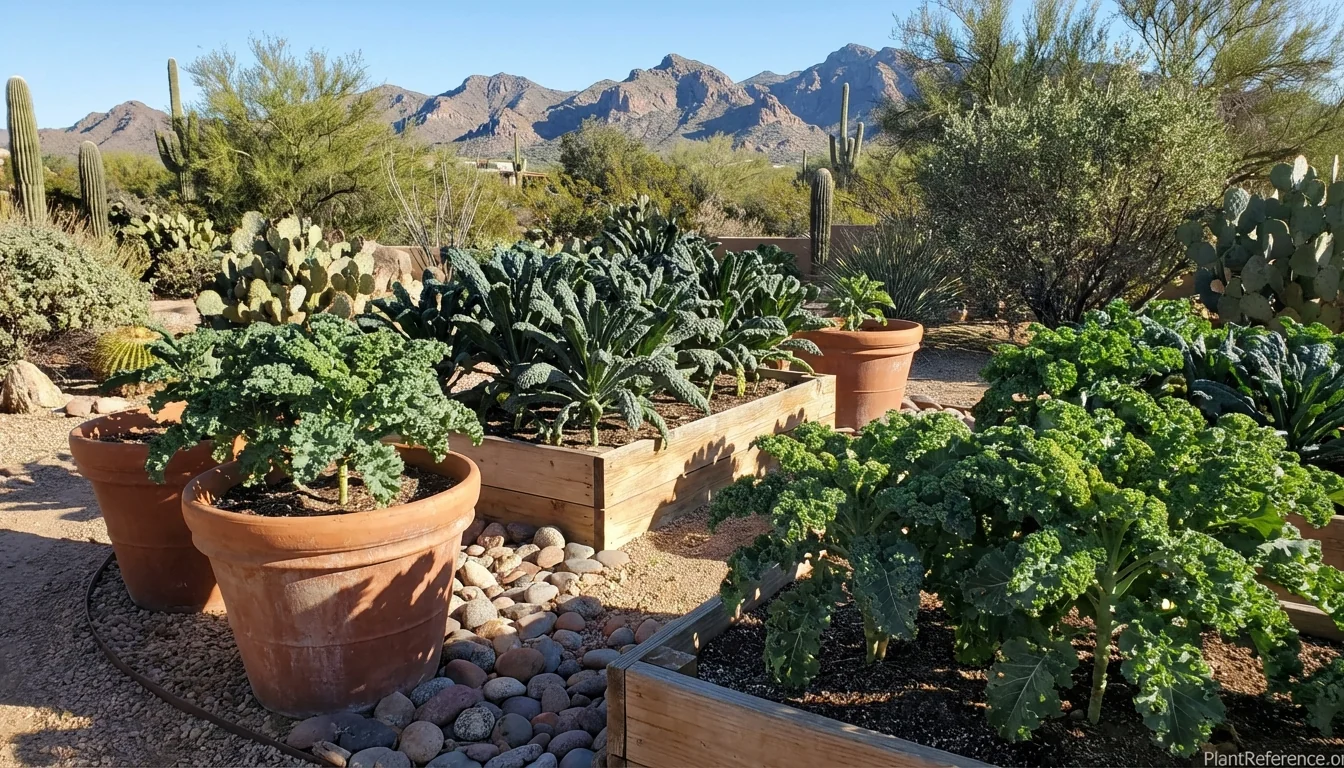
— Image © Plant Reference 2026
Phoenix's desert climate creates unique opportunities for kale growing—if you understand when to plant kale in Phoenix. The key is embracing the mild winter temperatures that make Phoenix Zone 9b ideal for cool-season crops while completely avoiding the brutal summer heat.
I've been helping desert gardeners for over thirty years, and kale is one of the most rewarding winter crops you can grow in Phoenix. The secret is working with the desert's natural rhythm—those beautiful 70°F winter days are perfect kale weather, while summer temperatures that soar past 110°F will kill any kale plant in hours.
Phoenix's 289-day growing season from February 14 to November 30 might sound long, but for kale, you'll use only the coolest months. The good news? Those winter months provide absolutely perfect kale-growing conditions with bright sun, low humidity, and temperatures that keep plants sweet and tender.
Best Kale Varieties for Phoenix's Desert Climate
Not all kale varieties handle desert conditions equally. After testing dozens of varieties in Phoenix gardens, these five perform consistently in Zone 9b's unique challenges.
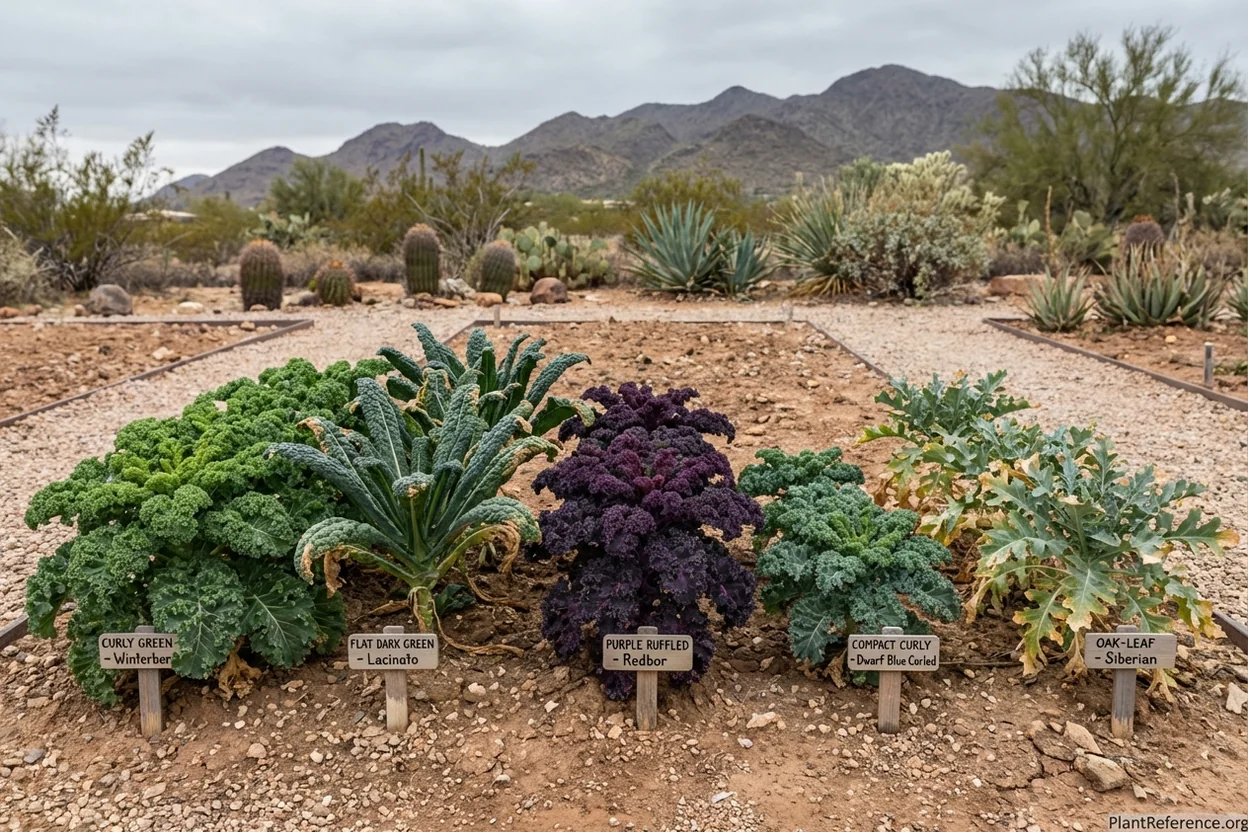
Variety | Days to Maturity | Best For | Notes for Phoenix |
|---|---|---|---|
50-60 days | Quick harvest | Most bolt-resistant, handles brief warm spells | |
60-75 days | Heat tolerance | Superior summer-edge performance, sweet flavor | |
55-65 days | Container growing | Compact size perfect for Phoenix patios | |
60-75 days | Winter harvest | Cold hardy for desert "winter" conditions | |
60-75 days | Ornamental value | Beautiful purple color, very cold hardy |
🌿Brassica oleracea 'Red Russian' (red-RUH-shen)
This variety tops my Phoenix recommendations for good reason. The flat, oak-shaped leaves with purple veins handle temperature fluctuations better than any other kale I've grown here. When those surprise 85°F February days hit, Red Russian keeps producing while curly varieties start showing stress.
The tender leaves are perfect for raw salads, and the 50-day maturity means you can plant as late as January and still harvest before spring heat arrives. I've seen gardeners successfully grow this variety even into April in partially shaded locations.
🌿Brassica oleracea 'Lacinato'
Lacinato's thick, strap-like leaves evolved in Mediterranean climates similar to Phoenix winters. The dark blue-green foliage withstands strong desert sun better than delicate varieties, and the flavor remains sweet even when day temperatures climb toward 80°F.
This variety produces consistently through winter and often survives into May if given afternoon shade. The leaves have that perfect chewy texture that makes them ideal for sautéing or adding to winter soups.
🌿Brassica oleracea 'Vates'
For container gardeners on Phoenix patios and balconies, Vates can't be beat. This dwarf variety grows only 12-16 inches tall, making it perfect for pots that need to be moved to follow shade during hot spells.
The compact growth also means faster maturity and more efficient water use—crucial in desert conditions where every drop counts. I recommend Vates for beginning Phoenix gardeners because it's nearly foolproof.
Specific Planting Dates for Phoenix
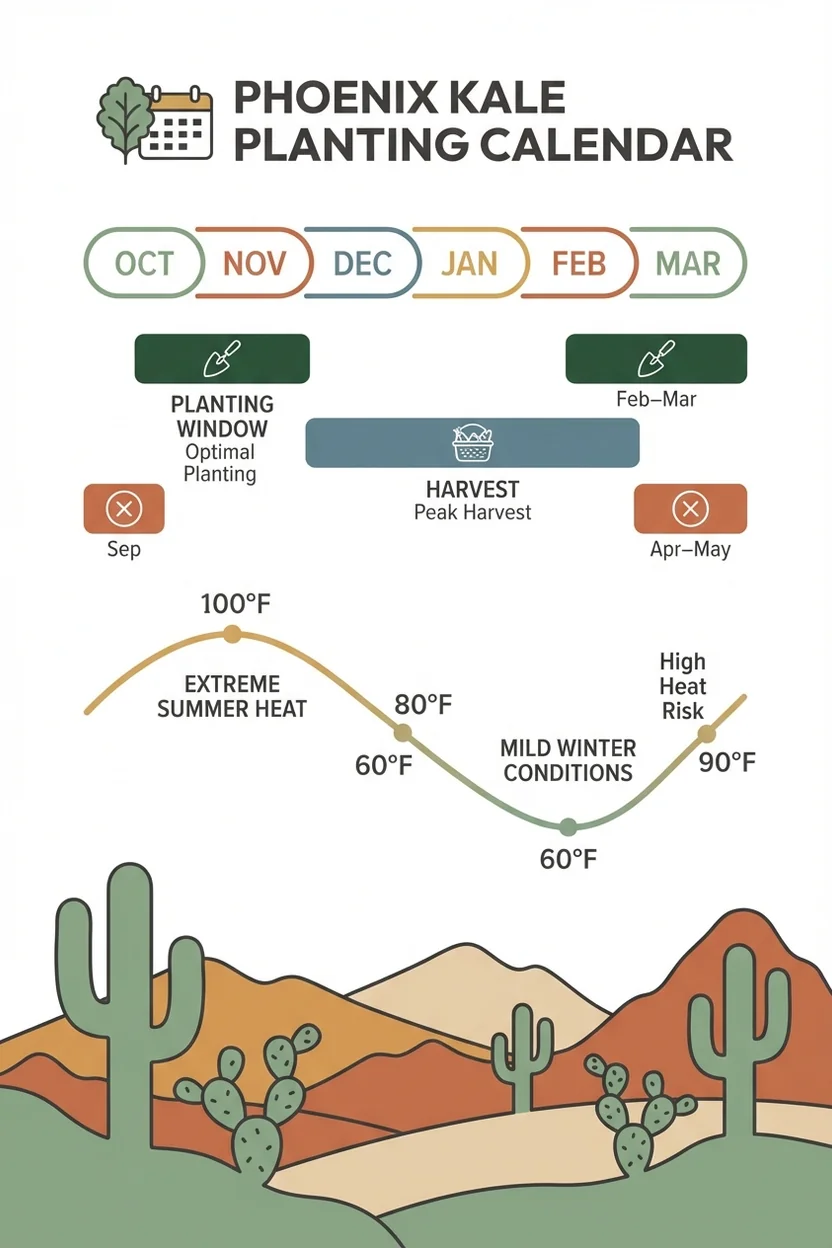
Phoenix's planting calendar revolves around avoiding summer heat rather than avoiding frost. With last frost averaging February 14 and first frost November 30, your kale growing window focuses on the coolest months.
Fall Planting (Primary Season)
Direct Sow: October 15-30 Plant seeds when daytime temperatures consistently stay below 85°F. October in Phoenix usually delivers perfect kale weather with days in the 70s-80s and nights in the 50s-60s.
Calculate backward from your desired harvest. For Thanksgiving kale, plant October 1st. For Christmas harvest, plant mid-October. For New Year's harvest, plant early November.
Transplant Option: October 1-15 Start seeds indoors in early September when it's still too hot to direct sow. Transplant 4-6 week old seedlings when October temperatures moderate. This method gives you larger plants faster but requires more water during establishment.
Winter Planting (Extended Season)
Direct Sow: December 1 - January 15 Take advantage of Phoenix's mild winters with a second planting. December and January offer ideal kale conditions with daytime temperatures in the 60s-70s and cool nights that keep plants sweet.
Winter plantings mature in March and April, giving you fresh kale through spring before summer heat arrives. Plant varieties with 50-60 day maturity for best timing.
Spring Transition (Final Window)
Last Planting: February 1 Only attempt spring planting with fast-maturing varieties like 🌿Brassica oleracea 'Red Russian'. Plant no later than February 1st to harvest before May heat. Even then, provide afternoon shade and be prepared to harvest early if temperatures spike.
I don't recommend spring planting for beginning gardeners—fall and winter plantings are much more reliable in Phoenix.
Complete Growing Guide for Phoenix
Desert gardening requires adapting traditional techniques to extreme conditions. Here's how to grow kale successfully in Phoenix's Zone 9b climate.
Soil Preparation for Desert Conditions
Phoenix's caliche-hard desert soil and alkaline pH create specific challenges for kale. Most desert soils test 7.5-8.5 pH, while kale prefers 6.0-7.0.
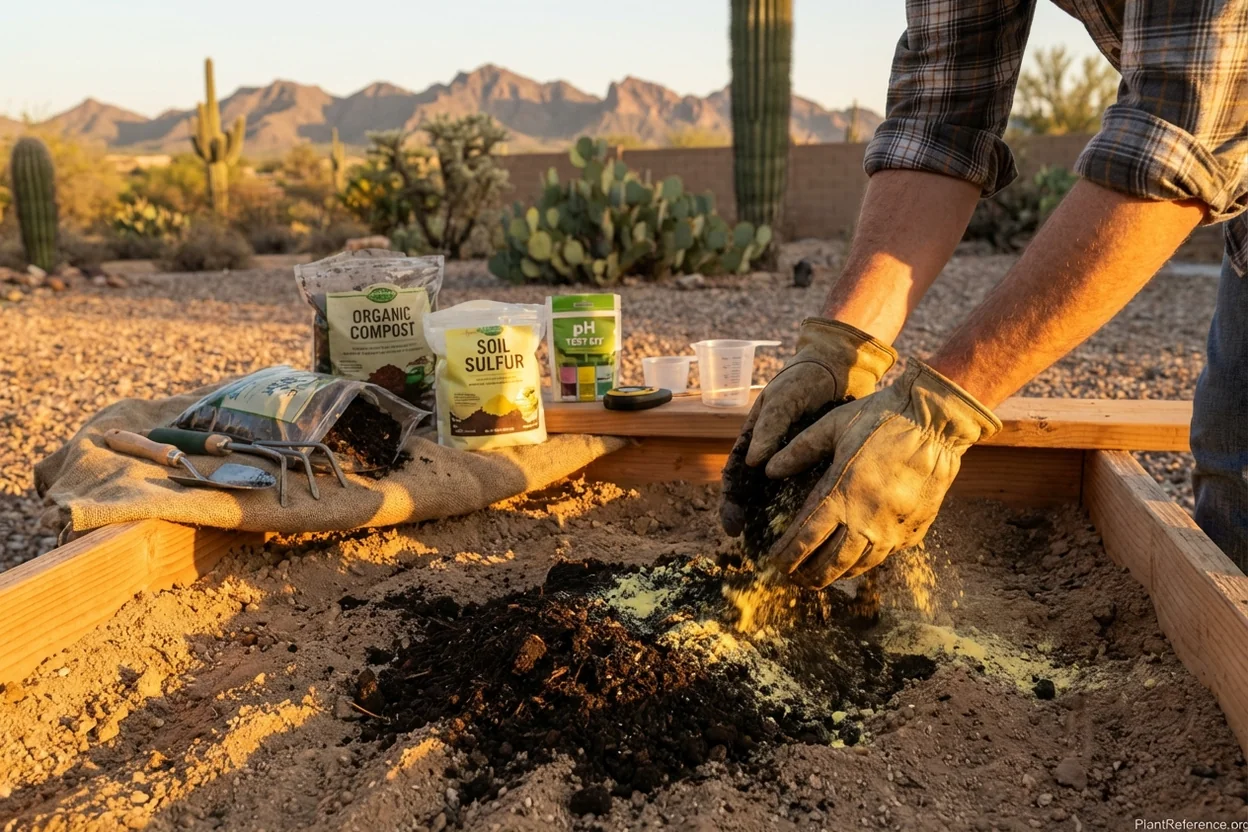
Lowering Soil pH: Add sulfur at 1 pound per 100 square feet to lower pH by one point. Work sulfur into soil 4-6 weeks before planting—it takes time to acidify. Alternatively, use acidifying organic matter like pine needle compost or peat moss.
Improving Drainage: Phoenix clay hardpan and caliche prevent proper drainage. Raised beds are essential—build them 8-12 inches high with quality potting mix. Never plant kale directly in native desert soil.
Adding Organic Matter: Work 2-3 inches of compost into planting beds. Desert soil lacks organic matter, and kale needs rich, moisture-retentive soil. Compost also helps buffer pH and provides slow-release nutrients.
Water Management in Desert Climate
Efficient watering is critical in Phoenix where summer water restrictions and high costs make conservation essential.
Drip Irrigation Setup: Install drip lines before planting. Drip irrigation delivers water directly to root zones without waste and prevents leaf diseases common with overhead watering. Plan for 1 inch of water weekly during cool months.
Mulching Strategy: Apply 2-3 inches of organic mulch around plants but keep mulch 2 inches from stems. In Phoenix heat, mulch against stems can harbor pests and create excessive moisture. Use shredded leaves, grass clippings, or bark chips.
Watering Schedule: Water deeply twice weekly during establishment, then once weekly once plants mature. Water early morning to minimize evaporation. In January and February, reduce frequency as growth slows but maintain consistent moisture.
Temperature Protection
Even winter-grown kale needs protection from Phoenix's temperature extremes.
Frost Protection: Though rare, Phoenix can experience light frost in December and January. Cover plants with row covers or old sheets when temperatures drop below 35°F. Remove covers during day to prevent overheating.
Heat Protection: Plant in locations receiving morning sun and afternoon shade. As spring temperatures climb toward 85°F in March and April, provide shade cloth (30-50% shade) to extend harvest season.
Fertilization for Desert Conditions
Desert soils are typically low in nitrogen and organic matter but high in phosphorus and potassium. Adjust fertilization accordingly.
Pre-Planting: Mix balanced organic fertilizer (10-10-10) into soil at planting time. Use 2 tablespoons per square foot of planting area.
Side-Dressing: Apply liquid fish emulsion every 3-4 weeks during active growth. Phoenix's extended growing season means plants need consistent nutrition from October through April.
Micronutrients: Desert soils often lack iron and manganese. Watch for yellowing between leaf veins (chlorosis) and apply chelated iron if needed.
Troubleshooting Phoenix-Specific Problems
Desert conditions create unique challenges that don't exist in other climates. Here's how to handle common Phoenix kale problems.
Heat Bolting
Symptoms: Kale plants suddenly send up flower stalks, leaves become bitter and tough, growth stops.
Cause: Temperatures above 85°F for consecutive days trigger flowering response.
Solution: Harvest immediately and remove plants. Prevention is key—plant earlier in fall or provide shade cloth when temperatures climb.
Sunscald
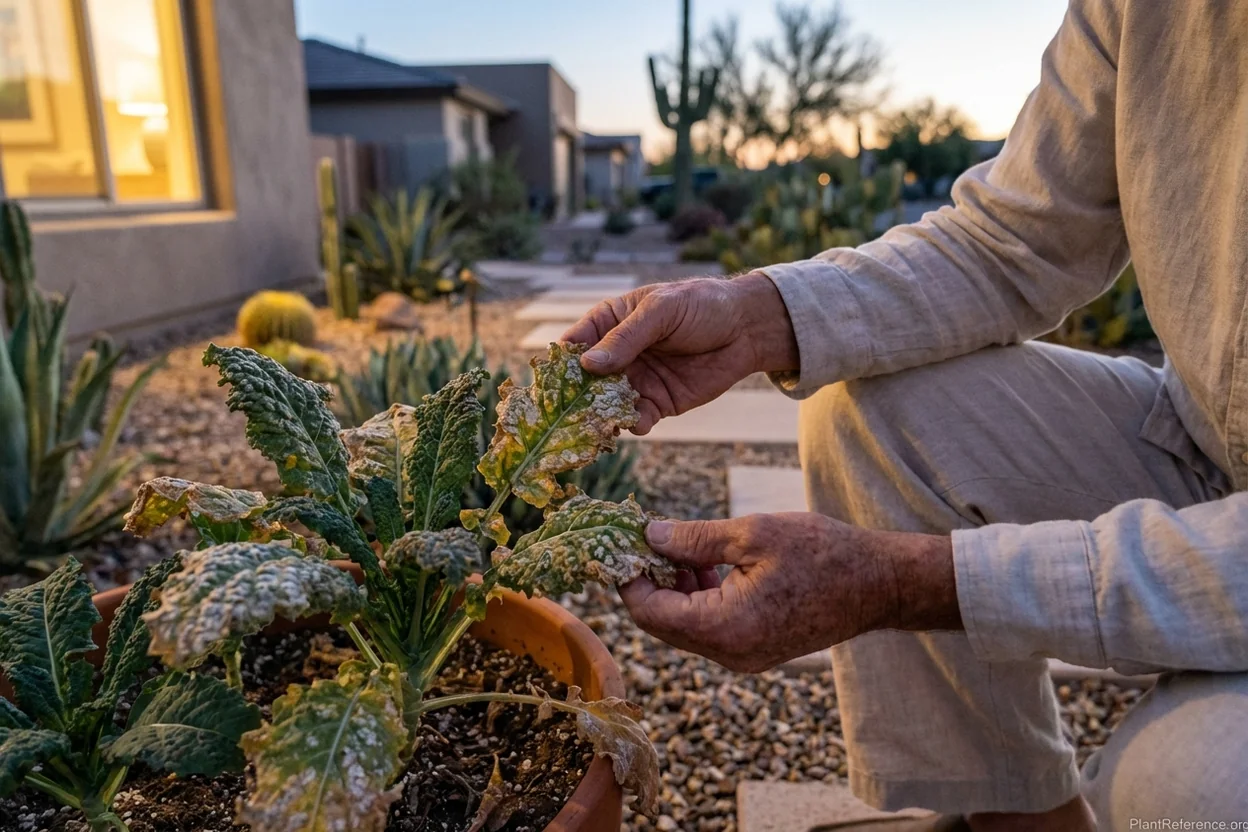
Symptoms: White or brown patches on leaves, especially on varieties with thin leaves like 🌿Brassica oleracea 'Red Russian'.
Cause: Intense desert sun combined with inadequate soil moisture.
Solution: Provide afternoon shade and maintain consistent soil moisture. Choose thick-leaved varieties like 🌿Brassica oleracea 'Lacinato' for full-sun locations.
Salt Buildup
Symptoms: White crusty deposits on soil surface, leaf margins turning brown, stunted growth.
Cause: Phoenix tap water contains high mineral content, and low rainfall doesn't flush salts from soil.
Solution: Apply deep watering monthly to leach salts below root zone. Use rainwater when possible or install reverse osmosis system for sensitive plants.
Aphid Explosions
Symptoms: Clusters of small green or gray insects on leaf undersides, leaves curling upward.
Cause: Warm winter days and lack of natural predators create ideal aphid conditions.
Solution: Spray plants with strong water stream every few days. Release beneficial insects like ladybugs. Apply insecticidal soap for severe infestations.
Desert Wind Damage
Symptoms: Leaves shredded or plants toppling over, especially in spring when winds intensify.
Cause: Phoenix experiences strong winds, especially March through May.
Solution: Install windbreaks using shade cloth or plant taller desert plants on windward side. Stake tall varieties like 🌿Brassica oleracea 'Winterbor'.
Harvest & Storage
Phoenix's extended cool season means longer harvest periods than most climates. Maximize your production with proper harvesting and storage techniques.
Harvesting Timeline
Begin harvesting when leaves reach 4-6 inches long, typically 6-8 weeks after planting. In Phoenix's mild winter conditions, plants continue producing for 3-4 months if harvested correctly.
Cut-and-Come-Again Method: Harvest outer leaves first, leaving central growing point intact. Cut stems cleanly with sharp knife or scissors. Never harvest more than one-third of the plant at once.
Succession Harvesting: Plant new seeds every 3-4 weeks from October through January for continuous harvest. This ensures fresh, tender leaves throughout the entire cool season.
Storage in Desert Climate
Phoenix's low humidity affects storage requirements. Fresh kale loses moisture rapidly in desert air.
Refrigerator Storage: Wrap harvested leaves in damp paper towels, then store in perforated plastic bags in refrigerator. Properly stored kale lasts 5-7 days in Phoenix's dry climate.
Freezing for Summer: Blanch leaves in boiling water for 2 minutes, plunge in ice water, drain, and freeze. Frozen kale provides nutrition through Phoenix's summer months when fresh growing is impossible.
Frequently Asked Questions
Reading about plants and recognising them are different skills. These three build the second.
- Daily PlantIdentify the day’s mystery plant from a close-up photograph.
- Keyed OutWork a dichotomous key, lead by lead, to name a hidden specimen.
- Name That PlantName a specimen from botanical clues dealt hardest first.
Free to play, no account needed
Alejandro is a landscape designer in Phoenix who focuses on low-water, desert-adapted plantings. He grew up in Tucson surrounded by Sonoran Desert plants and got frustrated watching neighbors install water-hungry lawns in a city that gets eight inches of rain a year. After earning his landscape architecture degree, he started designing residential gardens using native and desert-adapted species. Alejandro's approach is practical—he works with the climate rather than against it, using microclimates, shade structures, and efficient irrigation to create gardens that look good without draining the aquifer. He's a regular speaker at local xeriscaping workshops.