Planting Guides

When to Plant Kale in San Diego: Complete Guide + Best Varieties for Zone 10b

San Diego, California
USDA Zone 10b
Last Frost: Feb 1
Last updated: October 30, 2025
Plant kale in San Diego from February through November for nearly year-round harvest in perfect Zone 10b climate with 322 frost-free days.
EEmma Chen
October 30, 2025
Share:
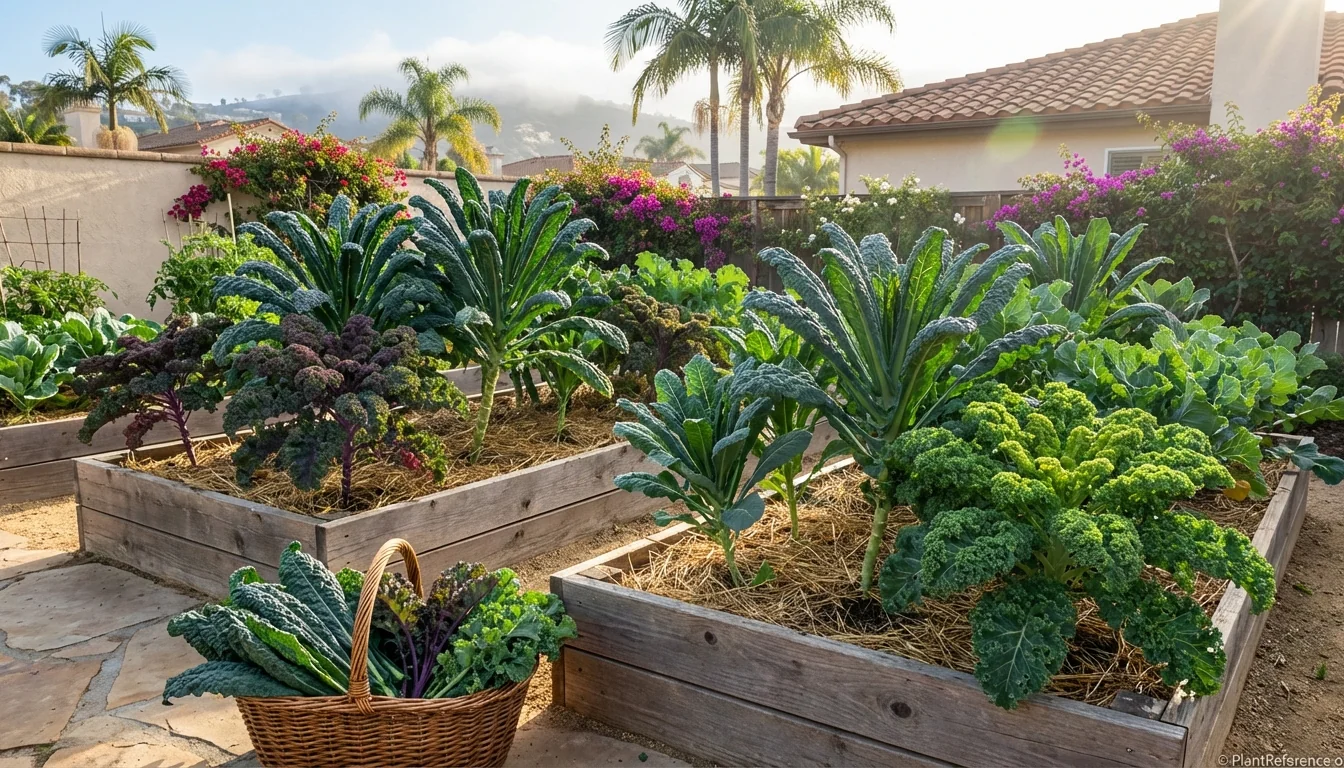
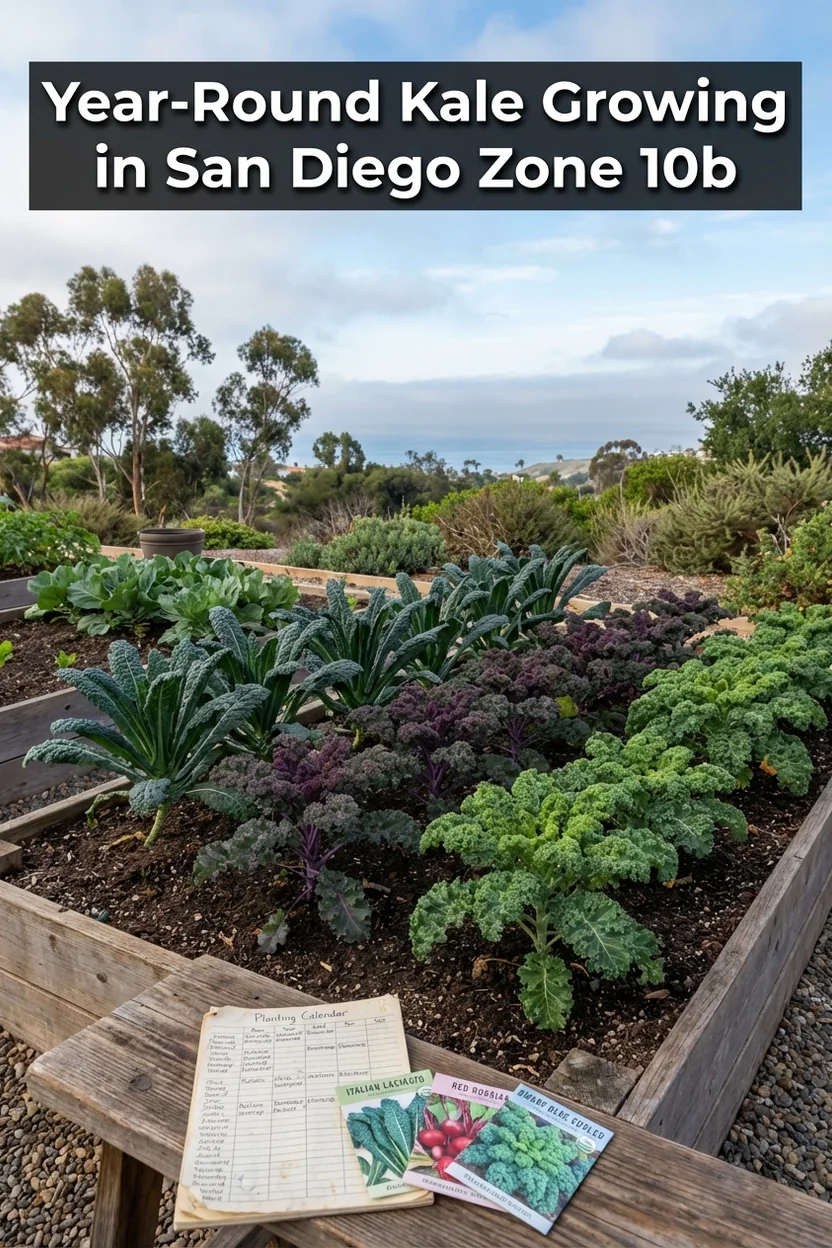
Thriving kale garden in San Diego showing year-round growing potential in Zone 10b climate

Image © PlantReference.org 2026
Quick Answer
Plant kale in San Diego from February through November, with fall plantings (September-November) producing the sweetest harvest. Your Zone 10b climate allows continuous growing with succession planting every 3-4 weeks.
TL;DR
San Diego's Zone 10b climate offers nearly year-round kale growing with planting windows from February through November. The coastal marine influence keeps temperatures ideal for this cool-season crop, allowing continuous harvest with proper succession planting. Fall planting (September-November) produces the sweetest, most tender kale during the mild winter months.
Frequently Asked Questions

When is the best time to plant kale in San Diego?

The best time to plant kale in San Diego is September through November for fall planting, which produces the sweetest, most tender leaves during the mild winter months. You can also plant February through April for spring harvest. San Diego's Zone 10b climate allows nearly year-round growing with proper variety selection and succession planting every 3-4 weeks.

Can you grow kale year-round in San Diego?

Yes, you can grow kale nearly year-round in San Diego thanks to the Zone 10b coastal climate. Brassica oleracea 'Lacinato' handles summer heat best for warm-season growing, while all varieties thrive during the cool season from October through May. Use succession planting every 3-4 weeks and provide afternoon shade during summer months for continuous harvest.

Which kale varieties grow best in San Diego's climate?

Brassica oleracea 'Lacinato' performs best year-round in San Diego, especially during summer when its heat tolerance shines. Brassica oleracea 'Red Russian' produces the sweetest leaves during cool seasons (September-May). Brassica oleracea 'Winterbor' and Brassica oleracea 'Redbor' excel during winter months, while Brassica oleracea 'Vates' stays compact and slow to bolt in San Diego's mild climate.

How often should I water kale in San Diego?

Water kale deeply 2-3 times per week, providing 1-1.5 inches total weekly in San Diego's dry climate. Use drip irrigation or soaker hoses to keep leaves dry and reduce disease pressure. Water early morning so plants dry before the marine layer arrives in evening. Sandy San Diego soils drain quickly, so consistent moisture and organic mulch are essential for healthy growth.

What are the most common kale pests in San Diego?

Cabbage worms (green caterpillars from white butterflies) and aphids are the most common kale pests in San Diego. Cabbage white butterflies fly year-round in the mild climate, while aphids overwinter and explode in spring. Use lightweight row covers on young plants and apply Bacillus thuringiensis (Bt) spray weekly for caterpillar control. Blast aphids off with water and encourage beneficial insects.

Why does my kale bolt quickly in San Diego?

Kale bolts (flowers prematurely) in San Diego when exposed to sustained temperatures above 80°F (27°C) or inconsistent watering. Even though San Diego has a mild climate, inland areas and hot spells can trigger bolting. Choose heat-tolerant Brassica oleracea 'Lacinato' for summer growing, provide afternoon shade, and maintain consistent soil moisture. Fall plantings rarely bolt and produce the best flavor.

How long does it take kale to mature in San Diego?

Kale matures in 50-75 days in San Diego, depending on variety and season. Brassica oleracea 'Red Russian' is fastest at 50-60 days, while Brassica oleracea 'Winterbor' takes 65-75 days. Cool-season plantings (fall/winter/spring) grow faster than summer plantings. You can begin harvesting outer leaves when plants reach 8-10 inches tall, typically 30-40 days after planting for baby leaf harvest.
NEW PLANT DAILY

Think you know your plants?

Test your botanical knowledge with a new plant identification challenge every day. Build your streak, learn fascinating plant facts, and become a plant identification expert!

Build your streak
One chance per day
Learn as you play

Free account required • Takes less than 30 seconds

Written By
E

Emma Chen

Emma runs a small succulent propagation business from her home in San Diego, shipping starter plants and cuttings across the country. She fell into succulents after college when she realized they were the only plants that survived her travel schedule—she was working as a travel nurse at the time. San Diego's mild, dry climate is ideal for outdoor succulent gardens, and Emma's front yard is a living catalog of over 200 varieties. She completed a certificate program in ornamental horticulture and writes about succulent care, propagation techniques, and drought-tolerant garden design. Her writing is calm and reassuring—she knows people feel bad about killing plants, and she wants them to stop worrying so much.
Related Plants

Other Articles You May Enjoy