When to Plant Kale in Raleigh: Complete Guide + Best Varieties for Zone 7b
Pets & Toxicity
Recorded toxicity for plants linked in this guide. An unknown status is not a safety assessment.
No linked plant is recorded as toxicDetailsHide
Brassica oleracea 'Red Russian' — Toxicity
Non-toxicView Brassica oleracea 'Red Russian' plant profileBrassica oleracea var. sabellica 'Vates' — Toxicity
Non-toxicView Brassica oleracea var. sabellica 'Vates' plant profile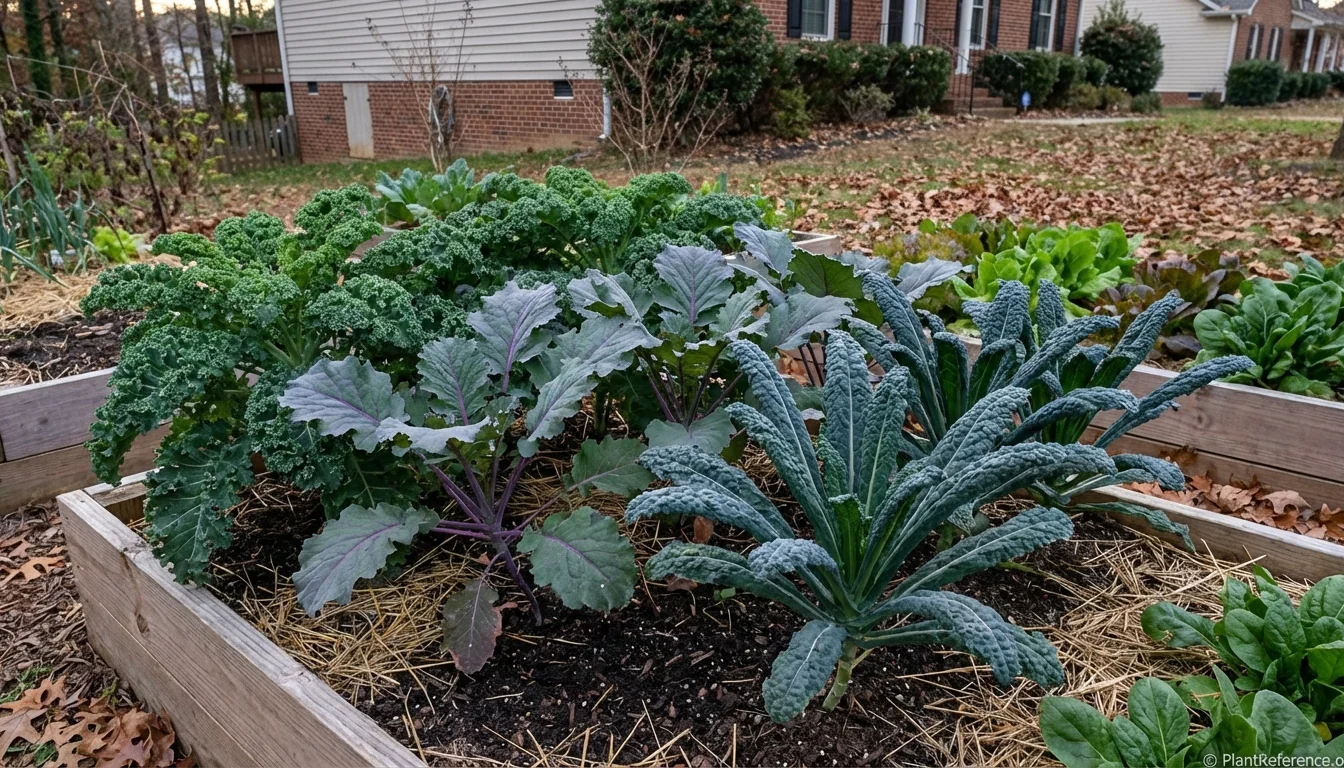
— Image © Plant Reference 2026
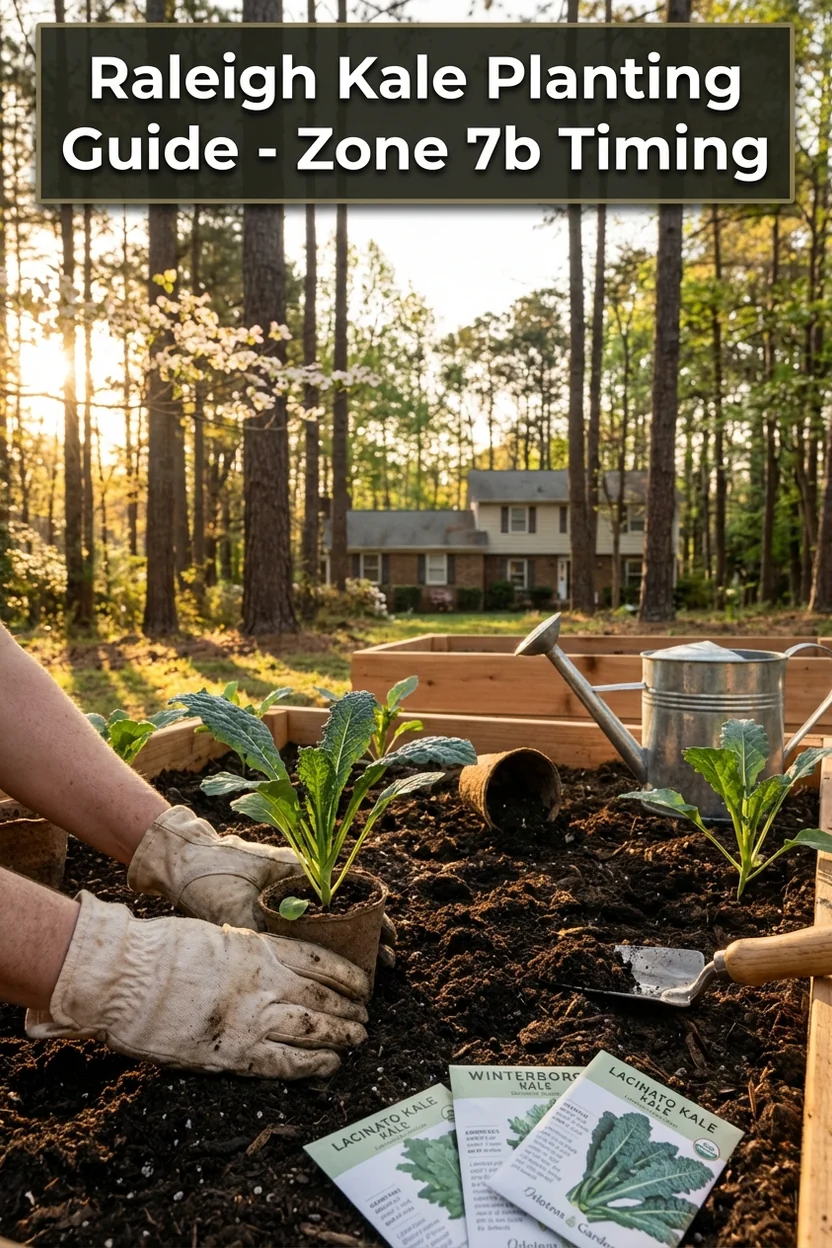
Raleigh gardeners hit the jackpot with kale—your Zone 7b climate offers one of the best growing environments for this cold-loving superfood. With your frost-free window from April 4 to November 4, you can grow two distinct crops that provide fresh harvest nearly year-round.
I've been growing kale for forty years, and I'll tell you what works in North Carolina: time your plantings so mature kale faces cool weather, not summer heat. Your 214-day growing season gives you flexibility most gardeners only dream about, but success comes from understanding when to plant each crop.
Best Kale Varieties for Raleigh's Zone 7b Climate
Raleigh's climate suits all major kale varieties, but some perform better than others in your specific conditions. Here's what I recommend after decades of North Carolina gardening:
Variety | Days to Maturity | Best For Raleigh | Notes for Zone 7b |
|---|---|---|---|
60-75 days | Year-round growing | Overwinters reliably, excellent heat tolerance | |
60-75 days | Fall/winter harvest | Extremely cold hardy, sweetest after frost | |
50-60 days | Quick spring crop | Fast-maturing, tender leaves perfect for salads | |
60-75 days | Ornamental fall crop | Beautiful purple color intensifies in cool weather | |
55-65 days | Container growing | Compact size, slow to bolt in spring heat |
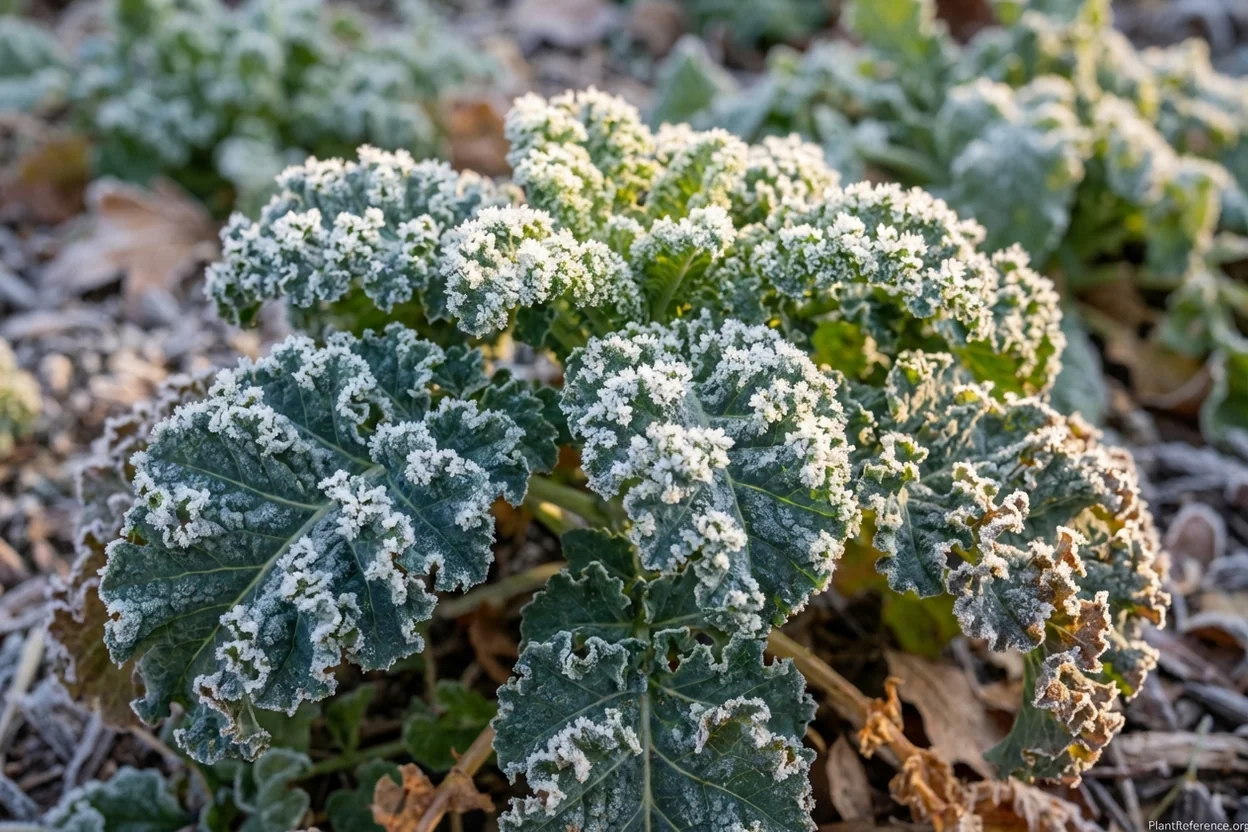
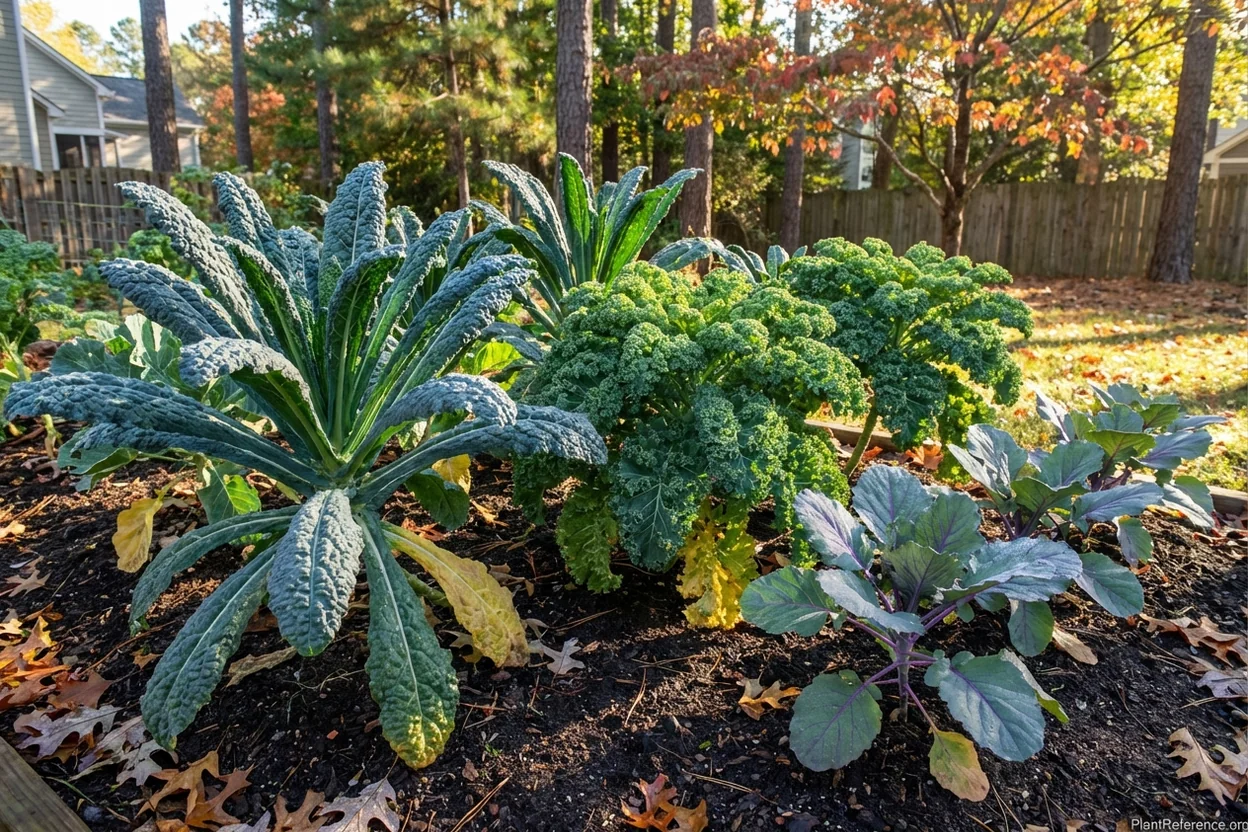
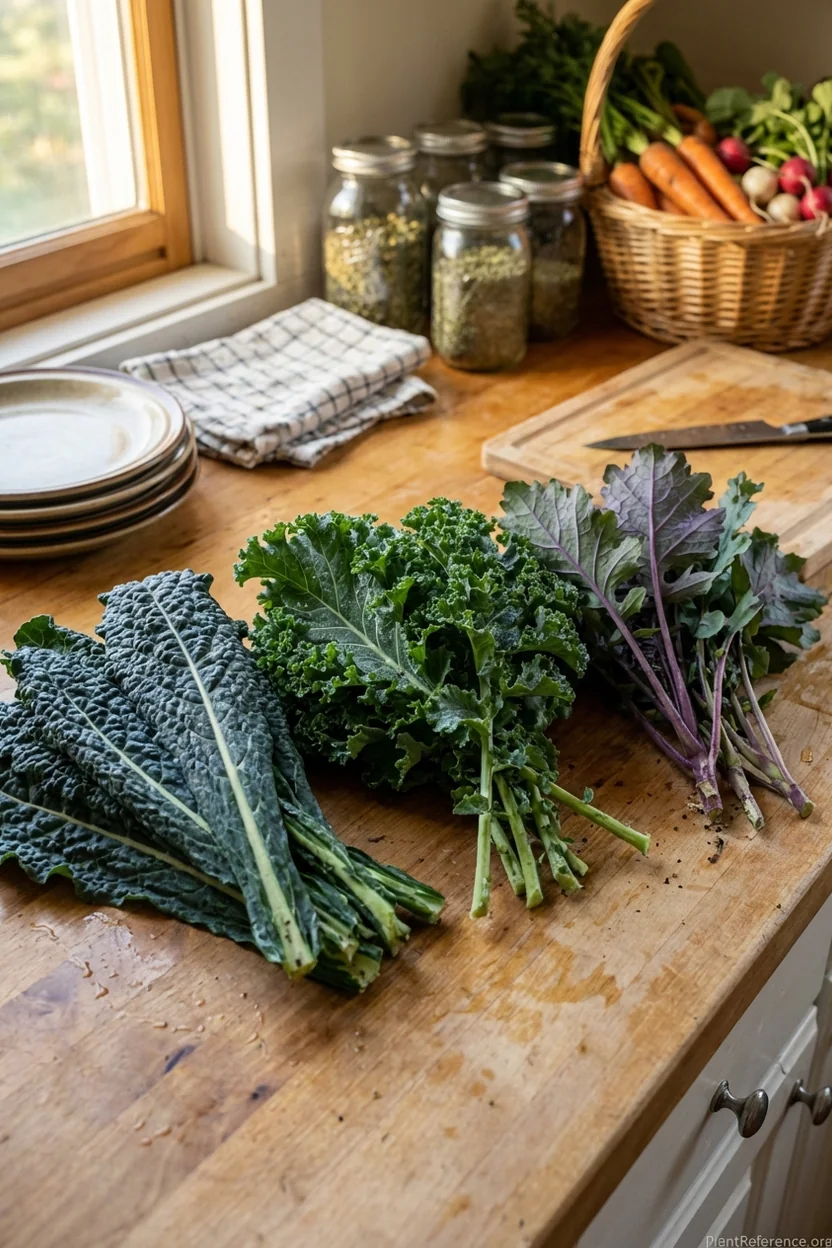
🌿Brassica oleracea 'Winterbor' stands as my top recommendation for Raleigh fall crops. This curly variety handles our occasional winter ice storms without damage and produces sweet, tender leaves from October through March. The deep ruffles capture and hold frost, which actually improves the flavor—something you won't get with summer plantings.
🌿Brassica oleracea 'Lacinato' provides the most versatility in Raleigh. Also called Dinosaur or Tuscan kale, this variety handles both your spring heat waves and winter cold snaps better than any other. The flat, strap-like leaves make harvesting easier and wash cleaner than curly types.
For spring crops, 🌿Brassica oleracea 'Red Russian' matures fastest at just 50-60 days. Plant this variety in February and you'll harvest tender baby leaves by April, well before summer heat triggers bolting. The purple-veined leaves add color to early season salads.
Climate Advantages in Zone 7b
Your Zone 7b location gives you specific advantages over both northern and southern kale growers:
Longer harvest windows: Unlike Zone 6 gardeners who lose plants to deep freezes, your mild winters allow continuous harvest from November through March with minimal protection.
Reliable frost sweetening: Your consistent November frosts trigger the starch-to-sugar conversion that makes fall kale taste like candy. This biological process requires temperatures between 28-32°F (-2 to 0°C) for several nights—conditions Raleigh delivers perfectly.
Extended spring season: Your April 4 last frost date allows February plantings that mature before intense summer heat, giving you a substantial spring harvest window.
Specific Planting Dates for Raleigh
Timing determines success with kale in Raleigh. Here are the exact dates that work in Zone 7b:
Spring Crop Timeline
Indoor seed starting: January 15-25 - Start seeds indoors 6-8 weeks before transplanting - Use a basic seed starting mix, keep soil at 65-70°F (18-21°C) - Seeds germinate in 7-10 days
Transplant outdoors: February 15-March 15 - Transplant when seedlings have 3-4 true leaves - Soil temperature should reach 40°F (4°C) consistently - Use row covers if nighttime temps drop below 25°F (-4°C)
Direct sowing: February 20-March 20 - Soil must be workable, not frozen or waterlogged - Plant seeds ½ inch (1.3 cm) deep, 12 inches (30 cm) apart - Cover with row fabric if hard freeze threatens
Harvest begins: April 15-May 1 - Start harvesting outer leaves when plants reach 8-10 inches (20-25 cm) - Stop harvesting when daytime temperatures exceed 80°F (27°C) consistently
Fall Crop Timeline (Superior Choice)
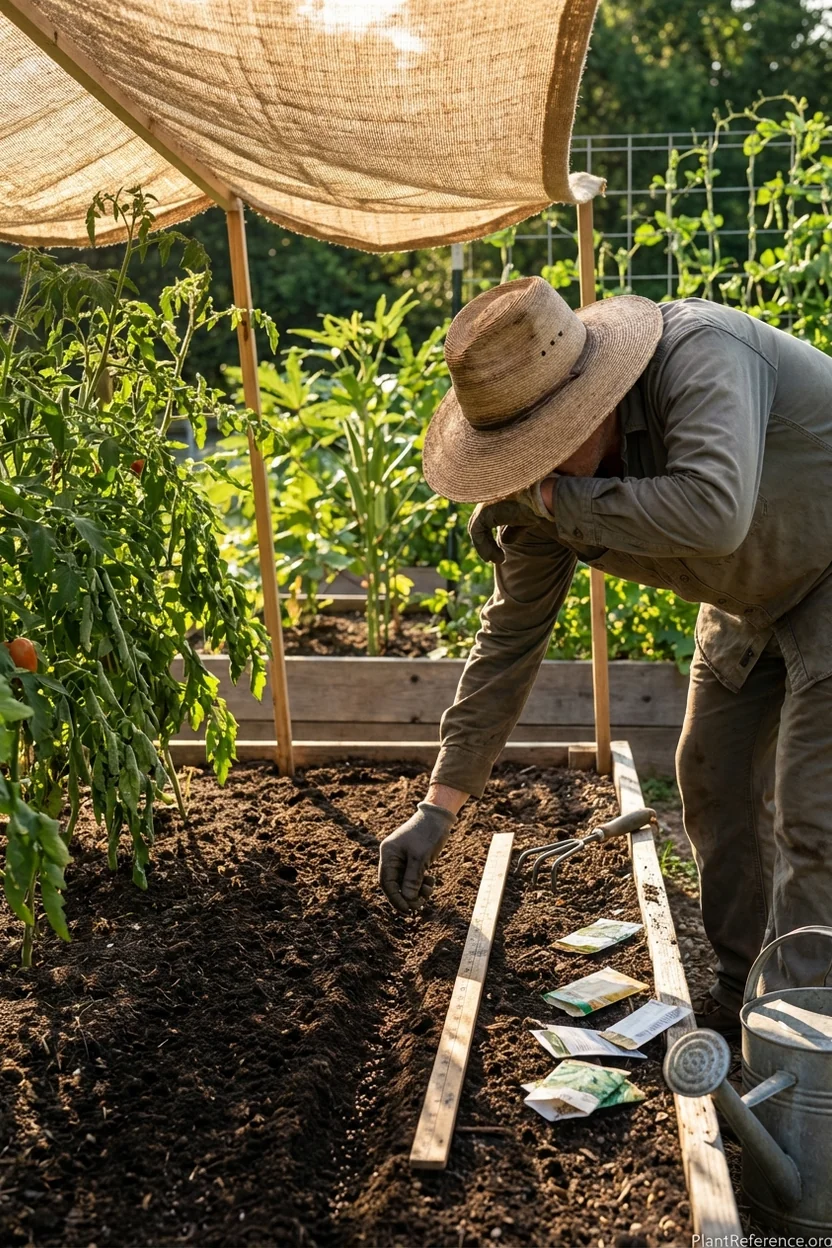
Direct sowing: July 20-August 20 - This timing ensures mature plants before first frost November 4 - Plant during Raleigh's hottest weather for cool-season harvest - Provide afternoon shade and consistent watering
Germination support: Use shade cloth and extra water - Seeds struggle in 90°F (32°C) soil temperatures - Pre-cool soil with mulch or temporary shade - Water daily until emergence (5-7 days in hot weather)
Harvest begins: September 15-October 1 - Plants reach maturity as temperatures cool - Peak harvest quality occurs after first frost - Continue harvesting through winter until March
Winter Overwintering Strategy
Raleigh's Zone 7b climate allows reliable kale overwintering with basic protection:
November preparation: Apply 4-inch (10 cm) straw mulch around plants before first hard freeze. This insulates roots and prevents freeze-thaw damage to crowns.
December-January care: Harvest continues during warm spells between 35-50°F (2-10°C). Plants enter semi-dormancy but don't die back completely.
February growth resumption: As soil warms and daylight increases, overwintered plants produce fresh spring growth. This "spring kale" often tastes better than new plantings.
Complete Growing Guide for Raleigh
Success with kale in your climate requires managing specific challenges that arise during different seasons.
Soil Preparation for Zone 7b
Raleigh's clay-heavy piedmont soil needs amendment for optimal kale production. I've learned this through trial and error over decades:
pH adjustment: Test your soil pH—most Raleigh soils run acidic (5.5-6.0). Kale prefers 6.0-7.0 pH for best nutrient uptake and disease resistance. Apply lime in fall for spring adjustment.
Drainage improvement: Heavy clay holds too much water in winter and spring. Work in 2-3 inches (5-8 cm) of compost or aged manure annually. Raised beds work well for spring crops in poorly draining sites.
Fertility program: Kale feeds heavily on nitrogen for leaf production. Apply balanced organic fertilizer (10-10-10) at planting, then side-dress with blood meal or fish emulsion monthly during active growth.
Seasonal Growing Challenges
Spring challenges in Raleigh: Your unpredictable spring weather creates specific problems. Late freezes can damage young plants, while sudden warm spells trigger premature bolting. Keep row covers handy for protection and expect variable results compared to fall crops.
Summer planting difficulties: Establishing fall crops during July-August heat tests even experienced gardeners. Seeds won't germinate in 90°F (32°C) soil, and young seedlings wilt despite watering. Use temporary shade structures and consider starting seeds indoors during extreme heat waves.
Fall/winter advantages: This is when Raleigh kale truly shines. Cooling September temperatures eliminate bolting risk, pest pressure drops dramatically, and plants develop superior texture and flavor. October through February provides your best harvest window.
Irrigation Management
Raleigh's variable rainfall requires flexible watering strategies:
Spring watering: March-May can alternate between soggy and dry. Avoid overwatering in clay soil but don't let plants dry completely during warm spells.
Summer establishment: Fall plantings need daily water until established, then deep weekly watering. Drip irrigation works better than overhead sprinklers in hot weather.
Winter watering: Overwintered plants rarely need supplemental water. Raleigh's winter precipitation usually provides adequate moisture.
Troubleshooting Raleigh-Specific Kale Problems
Forty years of North Carolina gardening has taught me to expect certain problems at predictable times. Here's how to handle them:
Spring Bolting Issues
Problem: Kale flowers and turns bitter in late April/early May Cause: Warm spell after cold period triggers reproductive response Solution: Harvest heavily when temperatures hit 75°F (24°C) consistently. Plant bolt-resistant varieties like 🌿Brassica oleracea 'Red Russian' for spring crops.
Summer Heat Stress
Problem: Seeds won't germinate or seedlings wilt despite watering Cause: Soil temperatures above 85°F (29°C) prevent germination Solution: Pre-cool soil with mulch, use shade cloth, or start seeds indoors during heat waves. Plant in late afternoon when soil is coolest.
Cabbage Worm Pressure
Problem: Large holes in leaves from green caterpillars Cause: Imported cabbageworm moths lay eggs on kale leaves Solution: Use row covers immediately after planting, spray Bt (Bacillus thuringiensis) weekly during active season. Peak pressure occurs April-June and September-October in Raleigh.
Aphid Infestations
Problem: Curled leaves with clusters of small green insects Cause: Cabbage aphids, especially problematic during mild winters Solution: Strong water spray dislodges aphids, beneficial insects provide long-term control. Avoid high-nitrogen fertilizers that promote succulent growth attractive to aphids.
Winter Damage
Problem: Leaf edges turn brown after ice storms Cause: Desiccation from freezing winds combined with ice weight Solution: Apply mulch before cold weather, provide wind protection with burlap screens. Damage is usually cosmetic—plants recover quickly.
Clay Soil Challenges
Problem: Yellowing plants in spring despite adequate fertilizer Cause: Poor drainage in heavy clay holds too much water Solution: Build raised beds 6-8 inches (15-20 cm) high, add organic matter annually. Plant on mounds in flat gardens to improve drainage.
Harvest & Storage
Proper harvesting extends your kale season and improves plant productivity. Here's what works in Raleigh's climate:
Optimal Harvest Timing
Spring kale: Begin harvesting when plants reach 8-10 inches (20-25 cm) tall, typically 6-8 weeks after transplanting. Take outer leaves first, leaving the growing point intact for continued production.
Fall kale: Wait for first light frost before major harvest. This typically occurs in early November in Raleigh. The sugar conversion after frost makes kale 2-3 times sweeter than summer-grown leaves.
Harvesting Technique
Cut individual leaves with clean scissors rather than tearing. Take no more than one-third of the plant at once to maintain vigor. Harvest in the morning when leaves are crisp and full of moisture.
Storage Methods
Fresh storage: Kale keeps 5-7 days in the refrigerator when stored in perforated plastic bags. Don't wash until ready to use.
Freezing: Blanch leaves for 2 minutes in boiling water, then plunge into ice water. Drain thoroughly and freeze in portions. Frozen kale works perfectly for soups and smoothies.
Dehydrating: Young, tender leaves dehydrate well for kale chips. Use low temperatures (95-105°F/35-41°C) to preserve nutrients.
Frequently Asked Questions
Reading about plants and recognising them are different skills. These three build the second.
- Daily PlantIdentify the day’s mystery plant from a close-up photograph.
- Keyed OutWork a dichotomous key, lead by lead, to name a hidden specimen.
- Name That PlantName a specimen from botanical clues dealt hardest first.
Free to play, no account needed
Rachel is a garden writer and photographer based in Raleigh who covers the Piedmont region of North Carolina. She has a journalism background and got into gardening after buying her first house and realizing she had no idea what any of the plants in her yard were. That curiosity led to a Master Gardener certification and eventually a garden writing career. Rachel is especially interested in native plants of the Southeast, seasonal color, and the challenge of gardening in red clay soil. Her photography background means she pays attention to how gardens look through the seasons—she thinks about visual composition as much as plant health. She writes clearly and directly, without the breathless enthusiasm that makes a lot of garden writing hard to trust.