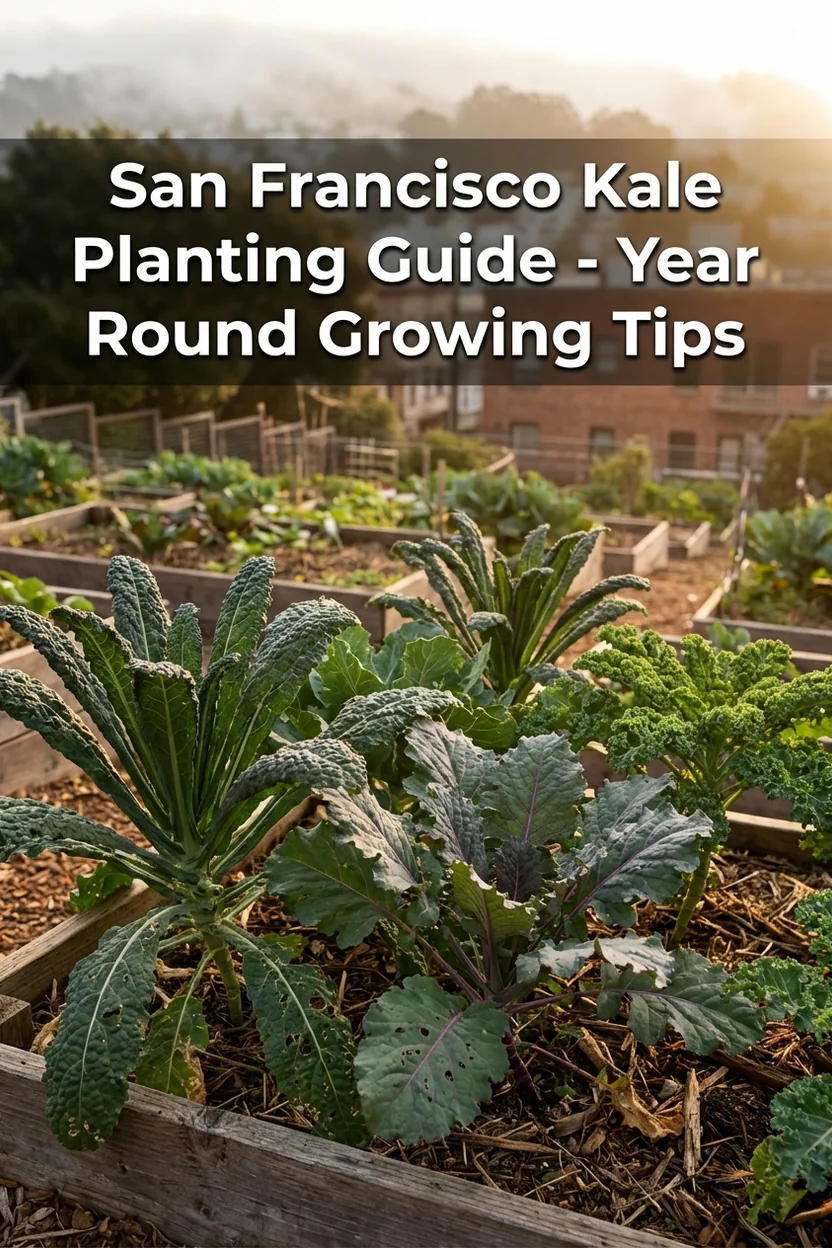
When to Plant Kale in San Francisco: Complete Guide + Best Varieties for Zone 10a
Pets & Toxicity
Recorded toxicity for plants linked in this guide. An unknown status is not a safety assessment.
No linked plant is recorded as toxicDetailsHide
Brassica oleracea 'Red Russian' — Toxicity
Non-toxicView Brassica oleracea 'Red Russian' plant profileBrassica oleracea var. sabellica 'Vates' — Toxicity
Non-toxicView Brassica oleracea var. sabellica 'Vates' plant profile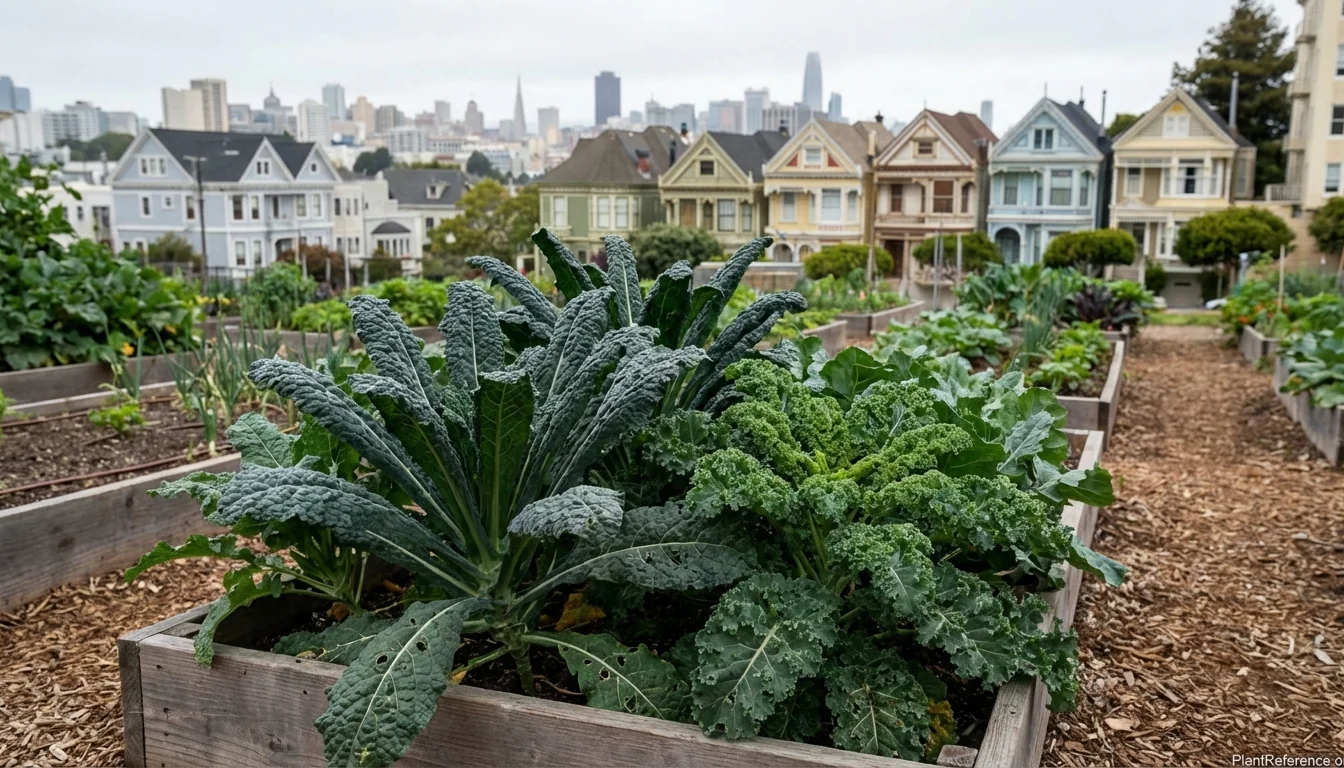
— Image © Plant Reference 2026
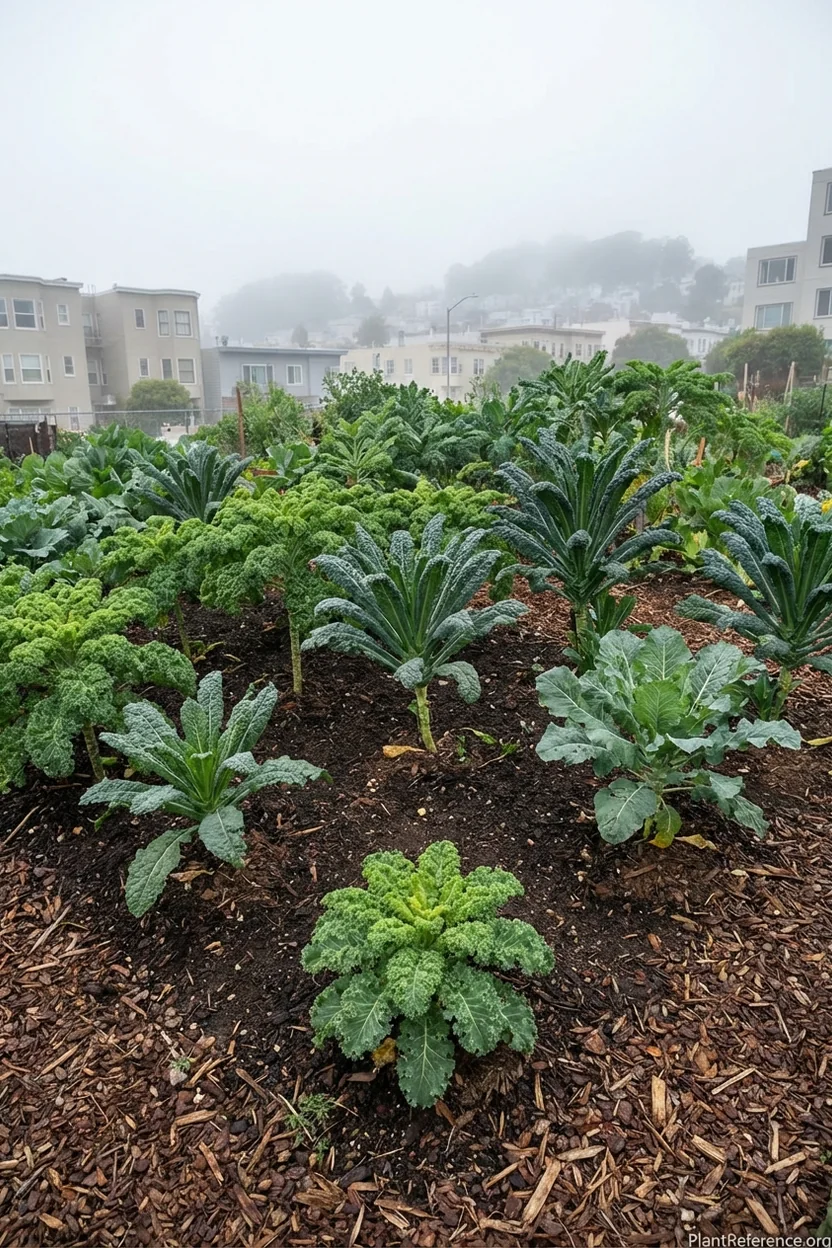
Living in San Francisco, you've hit the jackpot for growing kale. Our unique Zone 10a coastal climate—with its cool, foggy summers and mild winters—creates nearly perfect conditions for this cold-loving brassica. Unlike gardeners in Phoenix or Miami who struggle with heat, or those in Minnesota fighting short seasons, San Francisco offers you something special: the ability to grow kale almost year-round.
I've been growing vegetables for forty years, and I can tell you that kale in San Francisco is about as foolproof as gardening gets. The secret lies in our natural air conditioning system—that marine layer fog that keeps summer temperatures reasonable while providing just enough winter chill to improve flavor without killing plants.
The key to success here isn't fighting the weather; it's understanding how our unique microclimate affects when and what to plant. Whether you're gardening in the foggy Sunset District, the windier Richmond, or the warmer Mission, this guide will help you maximize your kale harvest in the City by the Bay.
Best Kale Varieties for San Francisco's Climate
San Francisco's consistent mild temperatures and natural humidity create ideal conditions for virtually every kale variety. However, some perform exceptionally well in our specific coastal microclimate.
Variety | Days to Maturity | Best For | Notes for San Francisco |
|---|---|---|---|
60-75 days | Year-round growing | Thrives in fog, excellent winter harvest | |
50-60 days | Quick succession crops | Fast growth, perfect for small spaces | |
60-75 days | Cool season harvest | Outstanding winter performance | |
60-75 days | Ornamental gardens | Beautiful purple color, fog-tolerant | |
55-65 days | Container growing | Compact size, wind-resistant |
Top Performer: Lacinato (Dinosaur Kale)
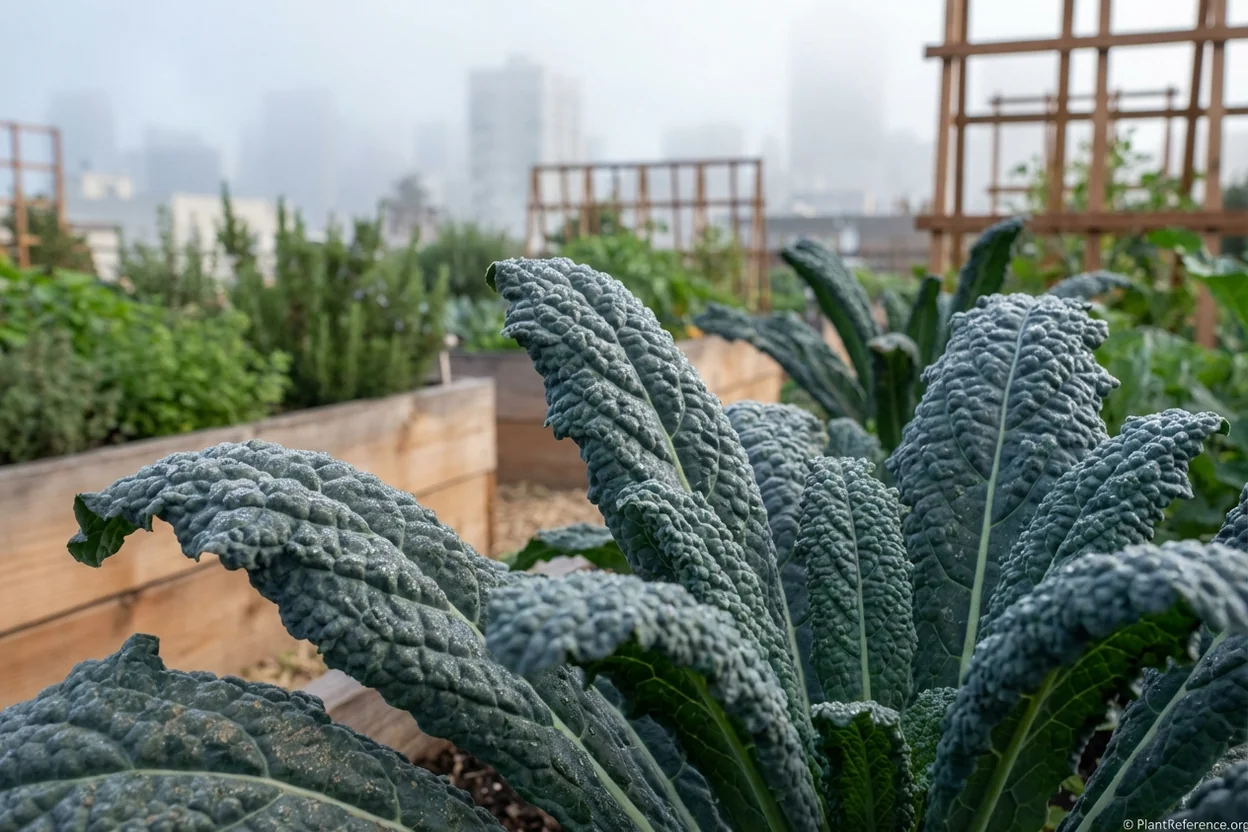
🌿Brassica oleracea 'Lacinato' is my top recommendation for San Francisco gardens. This Italian heirloom variety loves our cool, humid conditions and produces those distinctive dark, bumpy leaves that have made it a farmers market favorite. The plants handle our occasional winter dips beautifully and actually improve in flavor during our coolest months.
Quick Harvest Champion: Red Russian
For succession planting and quick harvests, 🌿Brassica oleracea 'Red Russian' is unbeatable in San Francisco. Its flat, oak-shaped leaves mature in just 50-60 days, and the purple-veined foliage adds beautiful color to your garden. This variety particularly excels during our mild winter months when the purple coloring intensifies.
Cold Season Star: Winterbor
While San Francisco doesn't experience true winter like other zones, 🌿Brassica oleracea 'Winterbor' still shines during our coolest months from December through February. The deeply curled leaves trap moisture from our marine layer, and this variety develops exceptional sweetness during our brief cold snaps.
Specific Planting Dates for San Francisco
San Francisco's extended growing season offers multiple planting opportunities, but timing still matters for optimal harvest quality and avoiding the few challenging periods we do face.
Primary Fall Planting (Best Season)
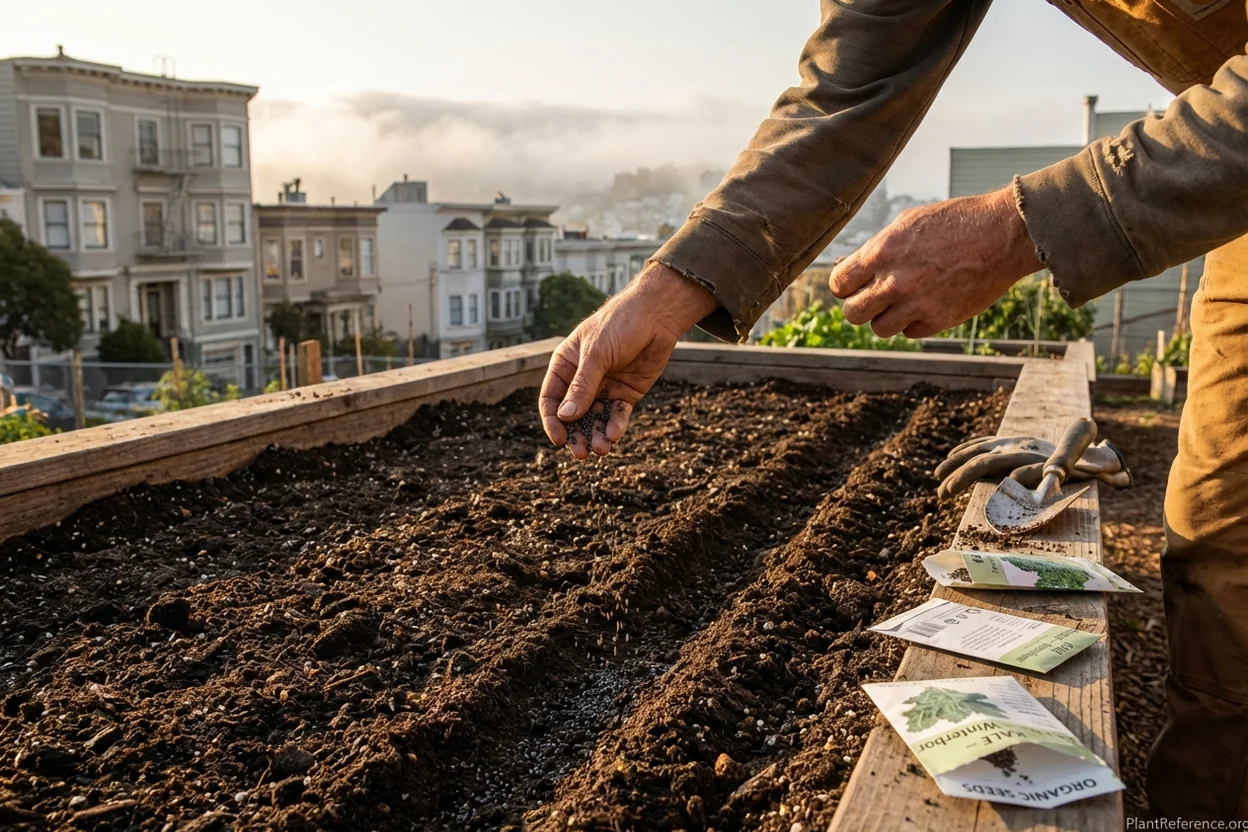
Direct Sow Dates: September 15 - November 15
This is your premium planting window. Seeds planted in mid-September will mature in November, just as our weather settles into its ideal cool, moist pattern. Plants established during this period often continue producing through the following spring.
Why Fall Planting Excels in San Francisco:
Cooler temperatures reduce stress and improve leaf quality
Natural fog provides consistent moisture during germination
Fewer pest issues compared to spring planting
Plants mature during our "winter sweetening" period
Extended harvest window through spring
Secondary Spring Planting
Direct Sow Dates: March 1 - May 15
Spring planting works well in San Francisco because our summers rarely get hot enough to cause immediate bolting. However, you'll get better results planting by early May to establish plants before our driest summer months.
Year-Round Success Strategy
Unlike most other cities, San Francisco gardeners can potentially grow kale continuously with succession planting:
Succession Schedule: - September planting: Harvest November-April - January planting: Harvest March-July - March planting: Harvest May-September - June planting: Harvest August-December
Soil Temperature Guidelines
San Francisco's soil temperatures remain remarkably stable:
Fall planting: Soil temps 55-65°F (13-18°C) - ideal for germination
Winter: Rarely drops below 45°F (7°C) - plants continue slow growth
Spring: Gradual warming 50-70°F (10-21°C) - excellent growing conditions
Summer: Peaks around 65-75°F (18-24°C) - still suitable for kale
Complete Growing Guide for San Francisco
Growing kale successfully in San Francisco requires understanding our unique microclimates and working with our natural advantages while managing a few specific challenges.
Soil Preparation for San Francisco Gardens
San Francisco's native soil varies dramatically by neighborhood, from sandy soils near the ocean to heavy clay in some inland areas. Most urban gardens benefit from significant soil improvement.
Soil pH Requirements: Kale prefers slightly alkaline soil with a pH of 6.0-7.5. Many San Francisco soils tend toward neutral, which works perfectly for brassicas. Test your soil every few years, as urban soils can be unpredictable.
Essential Amendments:
Add 2-4 inches (5-10 cm) of compost annually to improve drainage and fertility
Work in aged manure or worm castings before planting
Add organic matter to heavy clay soils common in some SF neighborhoods
Sandy soils near the beach need extra organic matter for water retention
Understanding San Francisco's Microclimates
Your neighborhood's microclimate significantly affects your kale growing success:
Foggy Areas (Sunset, Richmond, Outer Mission): These areas stay cool and moist most of the year—absolutely ideal for kale. Plants grow slower but develop superior flavor and texture. You can grow kale almost year-round in these zones.
Warmer Areas (Mission, Potrero Hill, SOMA): These areas get more sun and heat. Plant kale for fall and winter harvest, and provide afternoon shade during summer months.
Windy Areas (Much of Western San Francisco): Strong coastal winds can damage tall kale varieties. Choose compact varieties like 🌿Brassica oleracea 'Vates' or provide windbreaks using row covers or companion plantings.
Planting Techniques for San Francisco
Direct Seeding (Recommended): Sow seeds ¼ inch (0.6 cm) deep in rows 12 inches (30 cm) apart. In San Francisco's mild climate, direct seeding typically succeeds better than transplanting because it avoids transplant shock.
Spacing: Thin seedlings to 8-12 inches (20-30 cm) apart. In San Francisco's fertile, moist conditions, plants often grow larger than expected, so err on the side of more space.
Watering in San Francisco's Climate
San Francisco's natural fog provides significant moisture, but supplemental watering remains important:
Fog Season (June-September): Natural humidity often reduces watering needs. Check soil moisture regularly—many gardeners overwater during foggy periods.
Dry Season (October-May): Despite being our "wet" season officially, many neighborhoods need consistent supplemental water, especially areas that don't receive much fog.
Watering Guidelines:
Water deeply but infrequently—typically every 3-5 days depending on location
Morning watering allows plants to dry before evening fog rolls in
Avoid overhead watering if possible to prevent fungal issues in humid conditions
Fertilizing in San Francisco
San Francisco's year-round growing season means plants need consistent nutrition:
Base Feeding: Apply balanced organic fertilizer (5-5-5 or 10-10-10) at planting time.
Ongoing Nutrition: Side-dress with nitrogen-rich organic matter every 6-8 weeks. Fish emulsion works particularly well in San Francisco's cool, moist conditions.
Winter Feeding: Even during our mild winters, reduce feeding frequency to once every 8-10 weeks as growth slows.
Troubleshooting San Francisco-Specific Problems
While San Francisco offers excellent kale growing conditions, our unique climate creates some specific challenges you'll need to manage.
Aphid Management in Humid Conditions
San Francisco's consistent humidity can encourage aphid populations, particularly during spring growth spurts.
Prevention:
Plant companion herbs like oregano and thyme that naturally repel aphids
Encourage beneficial insects with diverse plantings
Avoid over-fertilizing with nitrogen, which creates succulent growth that attracts aphids
Treatment:
Strong water spray early morning (allows plants to dry before fog)
Neem oil applications during dry periods
Release ladybugs in spring when aphid pressure peaks
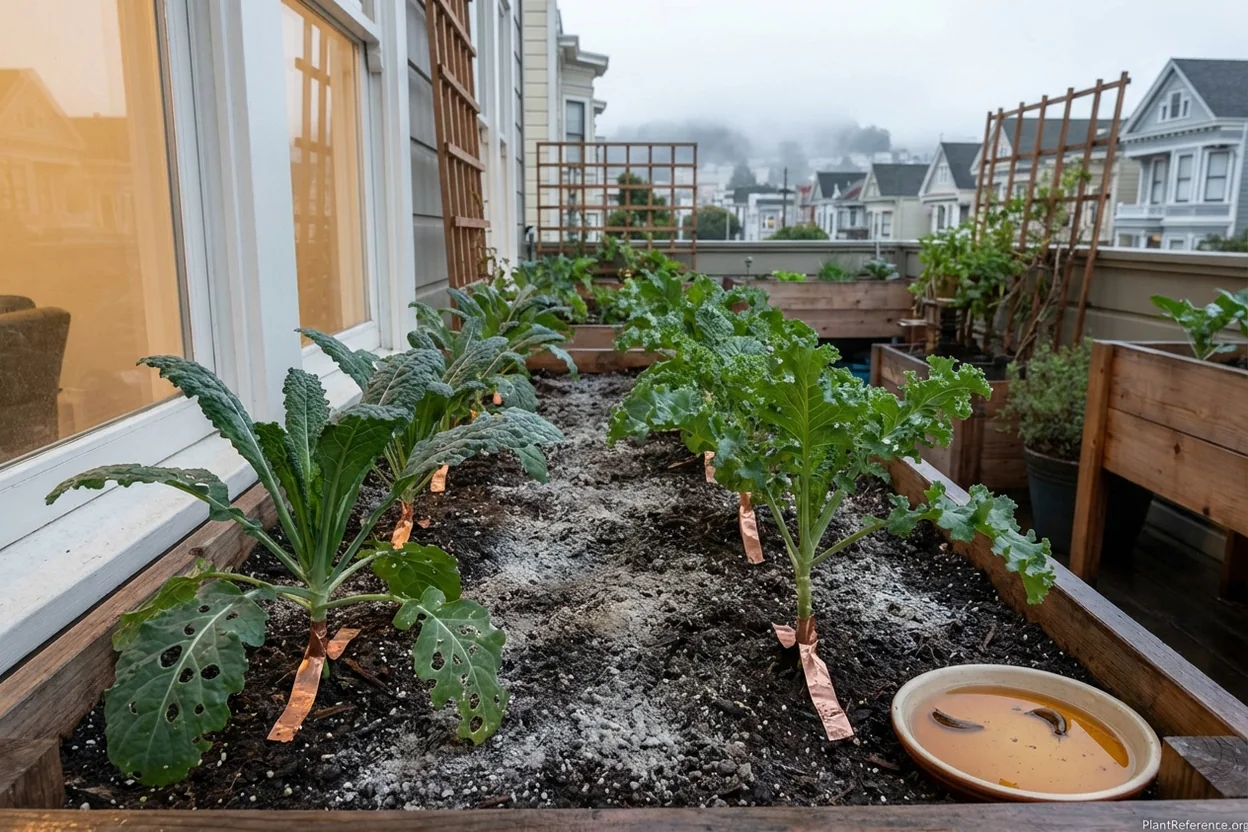
Slug and Snail Control
Our moist climate is paradise for these mollusks, which can devastate young kale plants overnight.
Organic Control Methods:
Apply diatomaceous earth around plants during dry spells
Set up beer traps or copper barriers
Hand-pick during early morning or evening hours
Reduce garden moisture by improving drainage and air circulation
Managing Fungal Issues in High Humidity
Constant moisture from fog can occasionally lead to fungal problems, particularly downy mildew.
Prevention Strategies:
Improve air circulation with proper plant spacing
Avoid overhead watering when possible
Choose resistant varieties like
🌿Brassica oleracea 'Lacinato' - Remove affected leaves immediately
Early Treatment:
Apply organic copper fungicides during dry weather windows
Increase spacing between plants to improve airflow
Consider relocating plants to sunnier, drier garden areas
Dealing with Slow Growth in Deep Fog Areas
Gardens in the persistent fog belt may experience slower growth rates, particularly during summer months.
Solutions: - Choose fast-maturing varieties like 🌿Brassica oleracea 'Red Russian' - Provide supplemental feeding to compensate for slower photosynthesis - Plant in the sunniest available location - Use reflective mulches to increase light exposure
Harvest & Storage
San Francisco's extended growing season allows for flexible harvesting strategies that maximize both yield and quality.
Harvesting Timeline
Baby Kale (25-30 days): Perfect for salads and smoothies. Begin harvesting when leaves reach 3-4 inches (8-10 cm) long.
Mature Leaves (60-75 days): Harvest outer leaves first, allowing center to continue producing. Individual leaves should be 6-8 inches (15-20 cm) long for best texture and flavor.
Peak Flavor Periods in San Francisco
Unlike harsher climates where frost improves flavor dramatically, San Francisco kale develops sweetness gradually during our cooler months:
Best Flavor: December through March when temperatures consistently stay between 45-60°F (7-15°C)
Good Flavor: October-November and April-May during mild weather
Adequate Flavor: Summer months, though leaves may be slightly more bitter than winter harvest
Storage Methods
Fresh Storage: Kale keeps 7-10 days in the refrigerator. San Francisco's cool climate means garden-fresh kale often lasts longer than store-bought.
Freezing: Blanch leaves in boiling water for 2-3 minutes, then freeze in portions. Perfect for smoothies and soups.
Dehydrating: San Francisco's humid climate makes air-drying difficult. Use a dehydrator for kale chips or preservation.
→ Excalibur 9-Tray Dehydrator ($179-199) - Perfect for making kale chips in San Francisco's humid climate
Professional-grade dehydrator handles San Francisco's humid climate challenges perfectly. Nine large trays provide ample space for preserving kale harvests. Adjustable temperature control (95-165°F) allows proper dehydration without destroying nutrients. Horizontal airflow ensures even drying despite high ambient humidity. Built-in timer prevents over-drying. Excellent for making kale chips, preserving excess harvest, or preparing smoothie ingredients. BPA-free trays dishwasher safe for easy cleanup. Twenty-six hour timer accommodates longer drying times needed in moisture-rich environments.
Product link unavailable
Frequently Asked Questions
Reading about plants and recognising them are different skills. These three build the second.
- Daily PlantIdentify the day’s mystery plant from a close-up photograph.
- Keyed OutWork a dichotomous key, lead by lead, to name a hidden specimen.
- Name That PlantName a specimen from botanical clues dealt hardest first.
Free to play, no account needed
David is a software engineer who got into gardening after buying a fixer-upper in the Sunset District with a neglected backyard. San Francisco's microclimates fascinated him—he quickly learned that what grows three blocks away might not work in his fog belt yard. David now maintains a productive vegetable garden despite the marine layer, growing cool-season crops almost year-round and experimenting with season extension techniques. He volunteers at a local community garden and writes about urban food growing, microclimate gardening, and the particular challenges of Bay Area conditions. His approach is methodical—he keeps detailed notes and isn't afraid to share what didn't work.