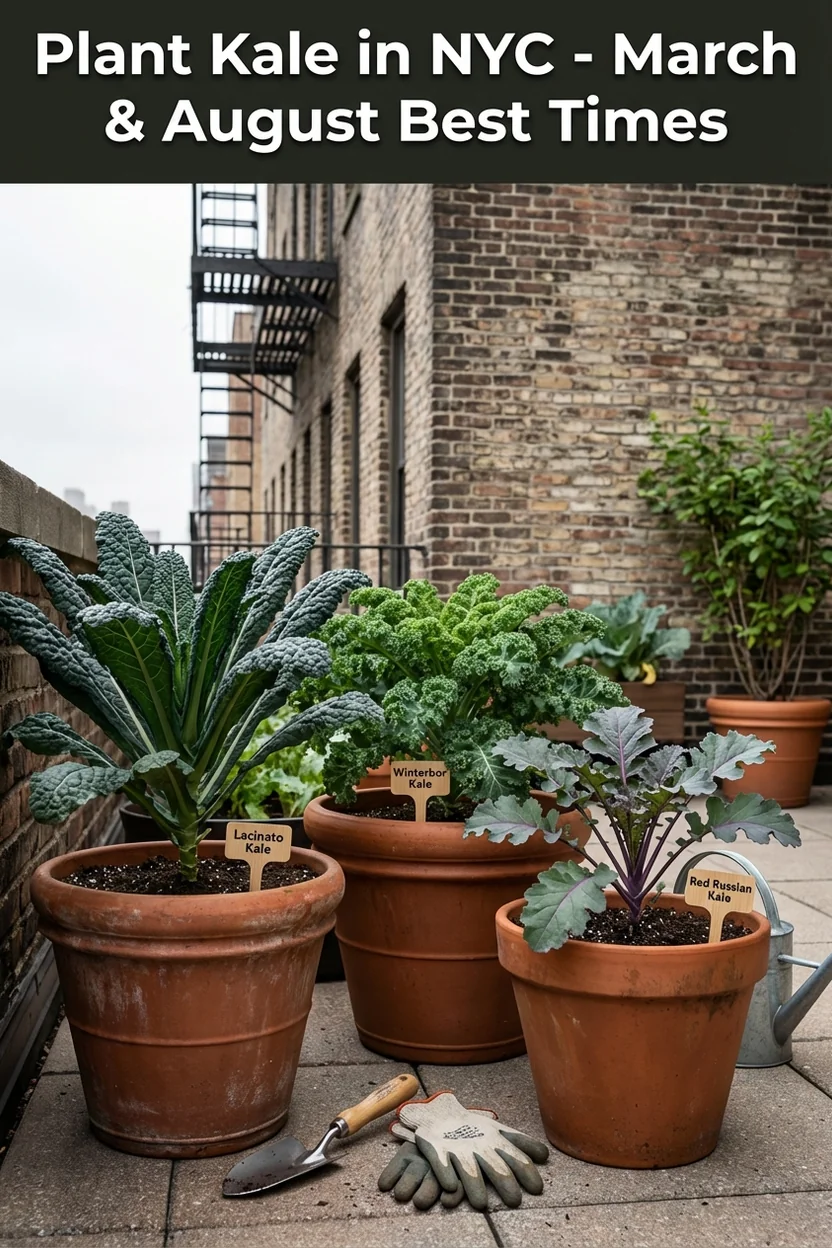
When to Plant Kale in New York: Complete Guide + Best Varieties for Zone 7a
Pets & Toxicity
Recorded toxicity for plants linked in this guide. An unknown status is not a safety assessment.
No linked plant is recorded as toxicDetailsHide
Brassica oleracea 'Red Russian' — Toxicity
Non-toxicView Brassica oleracea 'Red Russian' plant profileBrassica oleracea var. sabellica 'Vates' — Toxicity
Non-toxicView Brassica oleracea var. sabellica 'Vates' plant profile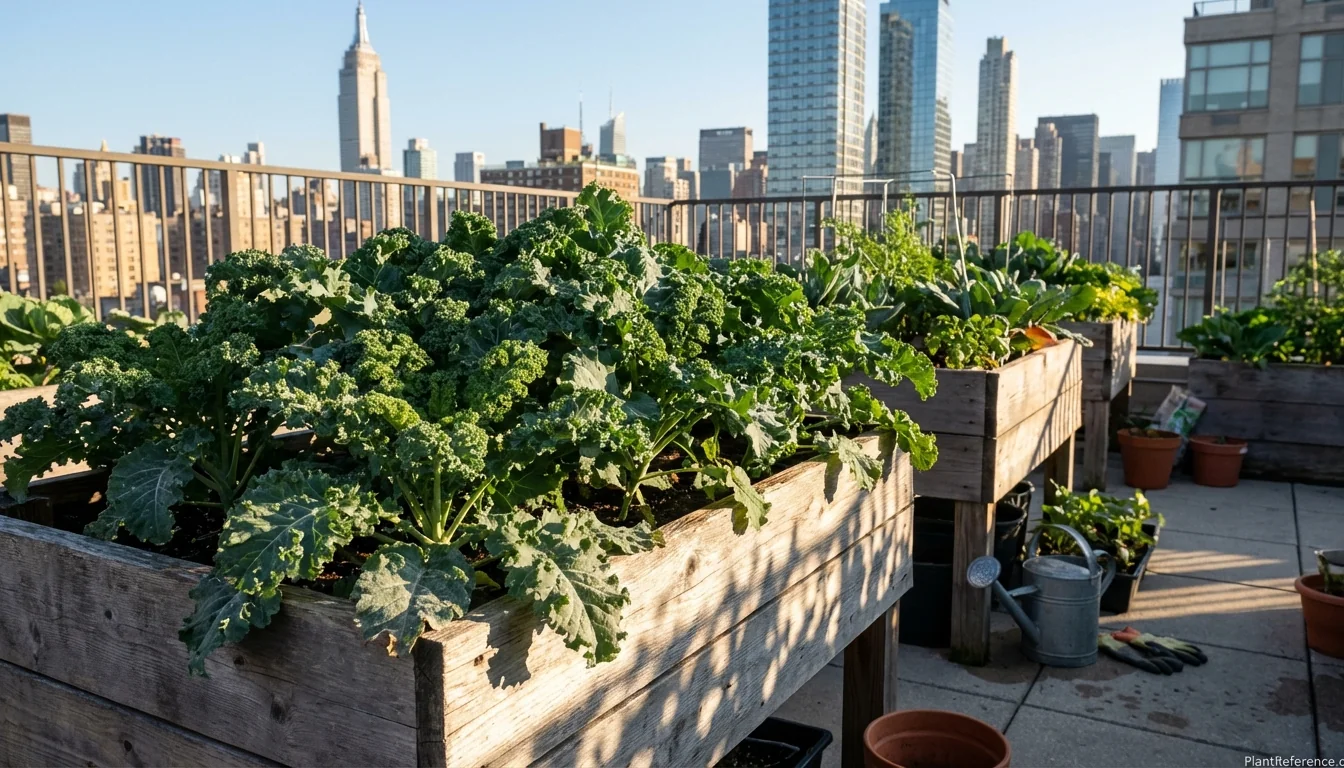
— Image © Plant Reference 2026
Growing kale in New York City might seem challenging with limited space and urban conditions, but Zone 7a's climate is actually ideal for this cold-hardy superfood. I've been helping New York gardeners grow kale for over thirty years, and I'll tell you what works: timing is everything, and fall beats spring every time.
Best Kale Varieties for New York's Climate
New York's Zone 7a climate with 200 growing season days from April 14 to October 31 provides excellent conditions for kale production. The key to success is choosing varieties that match your growing goals and space constraints.
Top Varieties for Zone 7a Success
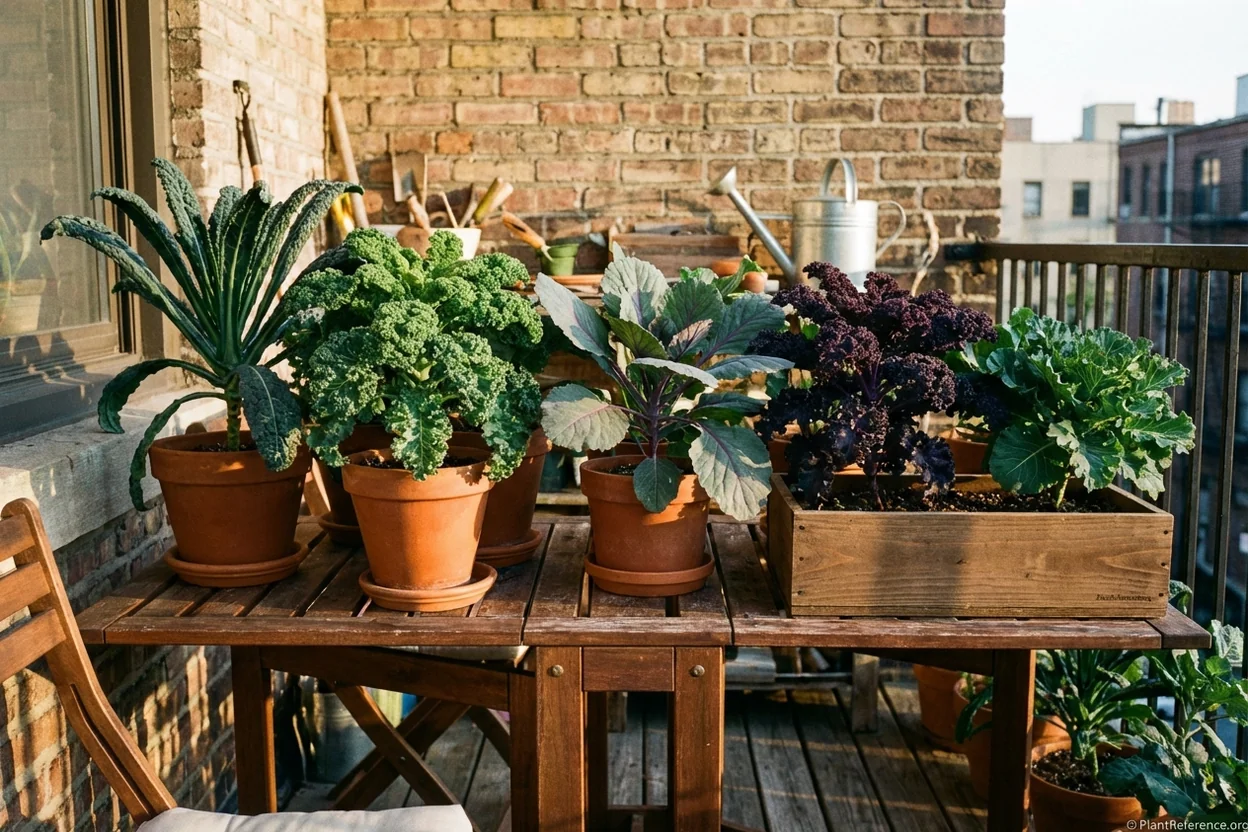
🌿Brassica oleracea 'Lacinato' remains my top recommendation for New York gardeners. This Tuscan variety handles both spring and fall seasons beautifully, producing tender, dark blue-green leaves that resist bolting better than curly types during volatile spring weather. The flat, savoyed leaves are easier to clean than heavily ruffled varieties—important when growing in dusty urban environments.
🌿Brassica oleracea 'Winterbor' earns its name through exceptional cold hardiness. This F1 hybrid produces deeply curled, blue-green leaves that can survive New York winters with minimal protection. While the leaves require massaging or cooking when harvested young, they develop incredible sweetness after frost exposure—making them perfect for fall planting.
🌿Brassica oleracea 'Red Russian' offers the fastest harvest at 50-60 days, making it ideal for succession planting in small urban spaces. The flat, oak-leaf shaped foliage with purple veins grows quickly and tenderly, perfect for salad mixes. However, it's more prone to bolting in spring heat than other varieties.
🌿Brassica oleracea 'Redbor' provides both food and ornamental value on balconies and rooftops. The stunning purple foliage intensifies in cold weather, and the flavor is surprisingly sweet and mild. It matches Winterbor for cold hardiness while offering superior pest resistance.
🌿Brassica oleracea 'Vates' works perfectly for container growing with its compact 12-16 inch height. This dwarf variety won't shade neighboring plants and produces consistent harvests without the wind susceptibility of taller varieties—crucial for exposed rooftop gardens.
Variety | Days to Maturity | Best For | Notes for New York |
|---|---|---|---|
60-75 days | Year-round growing | Best heat tolerance for spring planting | |
60-75 days | Fall/winter harvest | Survives Zone 7a winters unprotected | |
50-60 days | Quick succession crops | Fast harvest for small space gardens | |
60-75 days | Ornamental food gardens | Purple color intensifies in NYC winters | |
55-65 days | Container growing | Compact size perfect for balcony gardens |
Specific Planting Dates for New York
New York's last frost date of April 14 and first frost date of October 31 create two distinct planting windows. After decades of growing kale here, I've learned that timing these plantings correctly makes the difference between success and disappointment.
Spring Planting Schedule (March 15 - April 1)
Start your spring kale 6 weeks before the last frost date. In New York, this means planting between March 15-April 1 for harvest beginning in early May. Spring-planted kale must mature before sustained temperatures above 80°F (27°C) trigger bolting, typically occurring by late June.
Direct seeding: March 15-25 works best for hardy varieties like Winterbor and Vates. Plant seeds ½ inch deep in rows 18 inches apart, later thinning seedlings to 12 inches apart. Cover with row covers if temperatures drop below 25°F (-4°C).
Transplant method: Start seeds indoors February 1-15, transplant March 15-April 1. This method gives better germination control but requires hardening off seedlings gradually over 7-10 days before planting outside.
Fall Planting Schedule (August 1-15) - THE SUPERIOR CHOICE
Fall planting consistently produces better kale than spring efforts. Calculate your planting date by counting backward 10-12 weeks from the first frost date. With New York's first frost around October 31, plant between August 1-15 for mature plants that benefit from fall's cooling temperatures.
Why fall beats spring: Cooler weather reduces pest pressure, frost improves flavor through natural sugar concentration, and mature plants can survive winter for continued harvest through February.
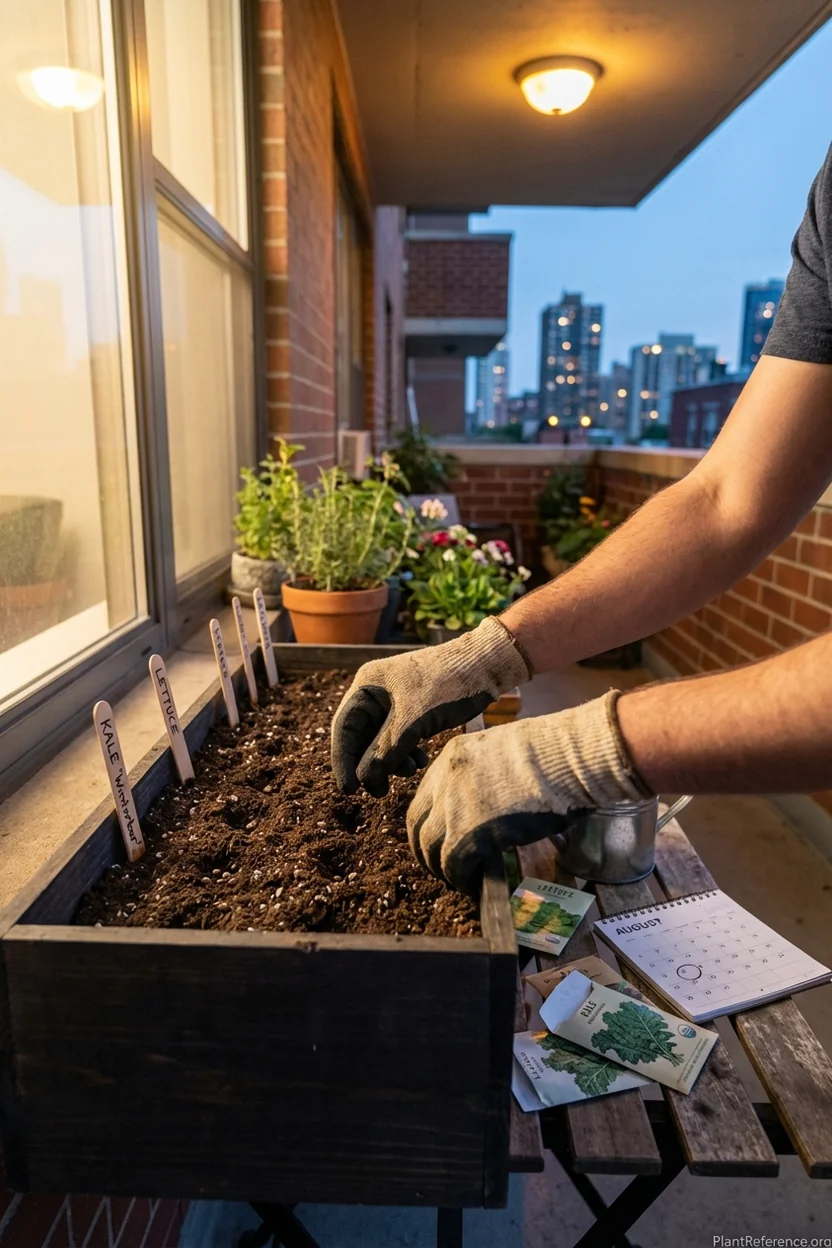
Direct seeding: August 1-10 provides optimal timing. Seeds germinate quickly in warm soil, and plants establish before shorter days slow growth. Plant in the same manner as spring, but provide afternoon shade during the hottest August days.
Succession Planting Strategy
Maximize your harvest with staggered plantings every 2-3 weeks:
Spring succession: Plant Red Russian every 2 weeks from March 15-April 15 for continuous harvest May through July.
Fall succession: Plant every 3 weeks from August 1-September 15. Later plantings provide baby greens through winter, while earlier plantings produce full-sized heads for cooking.
Complete Growing Guide for New York
Soil Requirements for Urban Gardens
Kale thrives in well-draining soil with pH 6.0-7.0, essential for preventing clubroot disease common in urban environments. Most New York City soil tends toward alkaline due to concrete dust and urban pollution, which actually benefits kale production.
Container growing: Use a high-quality potting mix amended with compost. Containers must drain well—waterlogged soil kills kale faster than any pest. I recommend containers at least 12 inches deep and 18 inches wide for single plants.
Raised beds: Build beds 8-12 inches deep filled with equal parts quality topsoil, compost, and aged manure. This provides the rich, moisture-retentive yet well-draining conditions kale demands.
Fertilization Protocol
Kale feeds heavily, particularly nitrogen for leaf development. However, over-fertilization creates weak, pest-attracting growth.
Initial preparation: Mix 2-3 inches of compost into planting area 2 weeks before seeding. This provides slow-release nutrients and improves soil structure.
Growing season: Side-dress plants with balanced organic fertilizer (5-5-5) when plants reach 6 inches tall, typically 3-4 weeks after planting. Apply fish emulsion or compost tea every 3 weeks during active growth.
Fall feeding: Feed fall-planted kale through October to build reserves before winter dormancy. Stop fertilizing after November 1 to promote cold hardiness.
Watering Guidelines
Consistent moisture produces tender, fast-growing leaves while preventing stress-induced bitterness. However, overwatering causes more problems than underwatering in urban containers.
Deep, infrequent watering: Provide 1-1.5 inches per week, including rainfall. Water deeply 2-3 times weekly rather than daily light watering that encourages shallow roots.
Container considerations: Check soil moisture 2 inches down—if dry, water thoroughly until water drains from bottom holes. Urban containers dry faster due to wind exposure and heat reflection from buildings.
Winter watering: Reduce watering frequency for overwintered plants but don't let soil completely dry. Water during warm winter days when soil isn't frozen.
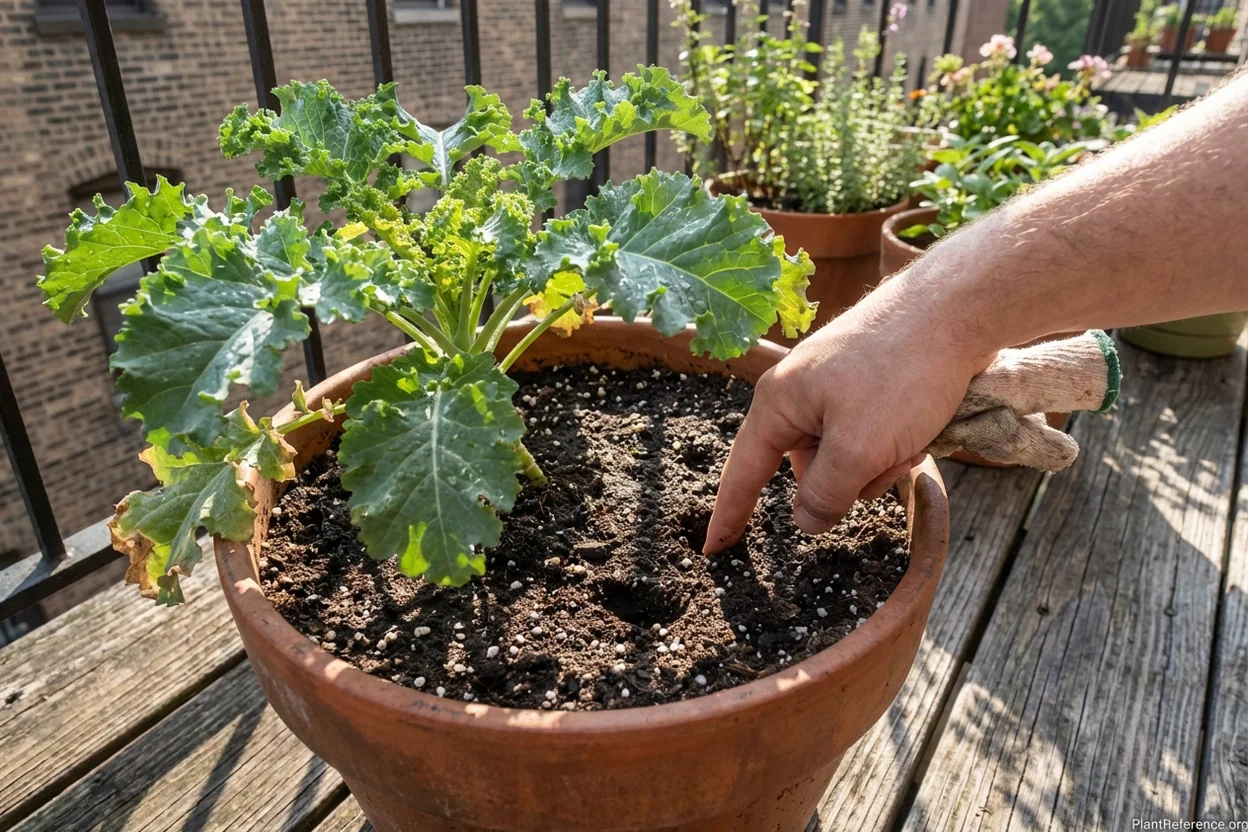
Light and Location Requirements
Kale grows best in full sun but tolerates partial shade better than most vegetables—crucial for urban gardens with building shadows.
Full sun locations: South-facing balconies, rooftops, and fire escapes provide ideal 6-8 hours direct sunlight. These locations produce the fastest growth and highest yields.
Partial shade tolerance: East or west-facing locations with 4-6 hours direct sun work well, particularly for fall crops. Lacinato and Red Russian handle lower light better than Winterbor or Redbor.
Urban microclimates: Be aware that concrete surfaces and building reflections can increase temperatures by 5-10°F. Provide afternoon shade during summer months to prevent heat stress.
Season Extension Techniques
New York's Zone 7a climate allows significant season extension with simple protection methods.
Spring protection: Row covers or milk jugs protect young seedlings from late spring frosts. Remove covers once temperatures consistently stay above 32°F (0°C).
Fall/winter protection: Mature kale plants survive most New York winters unprotected, but a simple hoop tunnel with 6-mil plastic can extend harvest through March. Ventilate on warm days to prevent fungal issues.
Cold frames: A south-facing cold frame allows fresh kale harvest all winter. Vent when interior temperature exceeds 50°F (10°C) to prevent plants from cooking in winter sun.
Troubleshooting New York-Specific Problems
Urban kale growing presents unique challenges that rural gardeners rarely encounter. Here's how to handle the most common issues I see in New York gardens.
Heat Stress and Bolting
New York's urban heat island effect can push temperatures 5-10°F higher than surrounding areas, causing premature bolting in spring-planted kale.
Prevention: Choose heat-tolerant varieties like Lacinato for spring planting. Provide afternoon shade during heat waves using shade cloth or companion planting with taller vegetables.
Early detection: Watch for central stalks beginning to elongate and small yellow flower buds forming. This indicates imminent bolting—harvest all usable leaves immediately.
Recovery: Once kale bolts, the leaves become bitter and tough. Pull the plant and replant with fresh seedlings if space allows.
Pest Management in Urban Environments
Cabbage worms arrive on white butterflies that navigate urban canyons surprisingly well. These green caterpillars create large holes in leaves and contaminate harvests with their droppings.
Control strategy: Install row covers immediately after planting to exclude egg-laying adults. For established infestations, apply Bt (Bacillus thuringiensis) spray weekly in the evening when caterpillars are most active.
Aphids cluster on leaf undersides, causing leaves to curl and yellow. Urban air pollution seems to stress plants, making them more susceptible to aphid attacks.
Management: Spray plants with strong water from a hose weekly to dislodge aphids. For severe infestations, use insecticidal soap spray, ensuring coverage of leaf undersides where aphids hide.
Flea beetles create tiny holes that give leaves a "shot-hole" appearance. These tiny black beetles jump like fleas when disturbed and can devastate young seedlings.
Prevention: Row covers during the vulnerable seedling stage (first 4-6 weeks) prevent most damage. Remove covers once plants reach 8-10 inches tall and can tolerate some feeding damage.
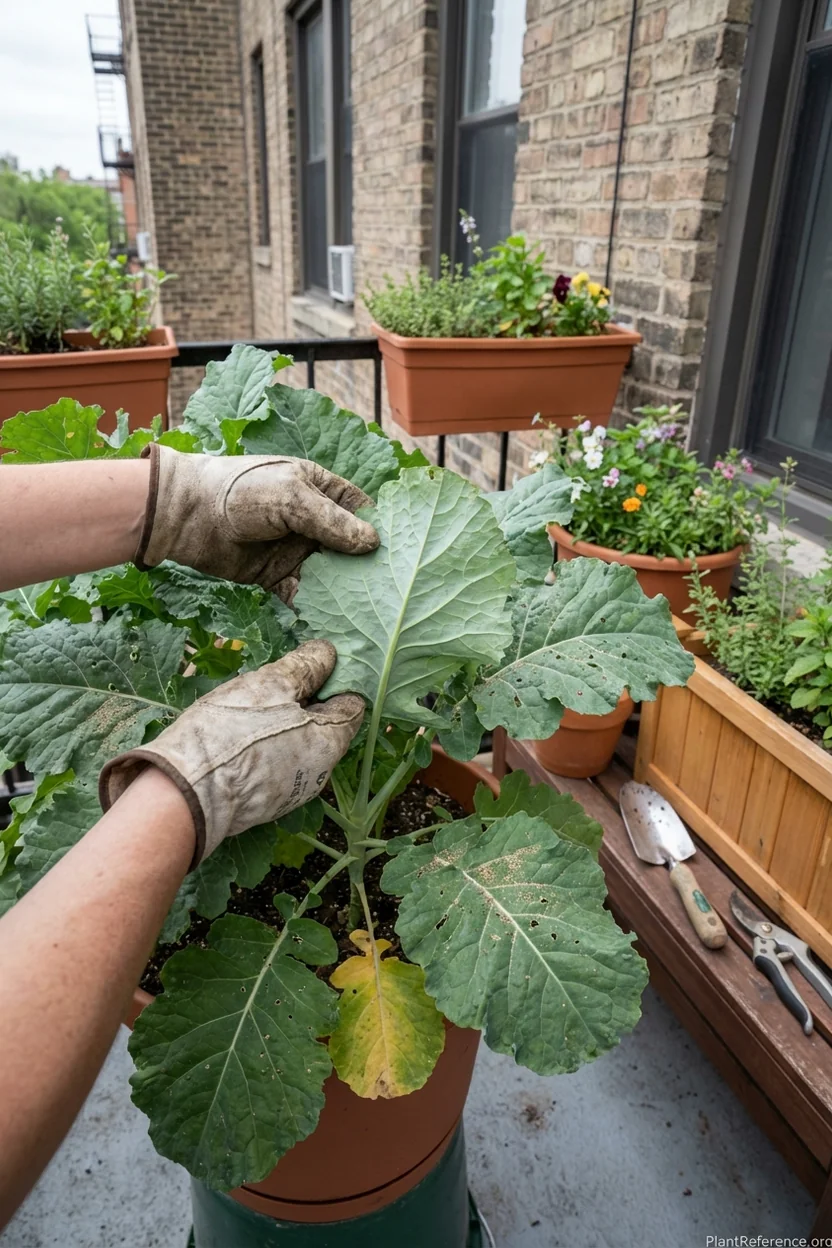
Wind Damage on Rooftops
Exposed rooftop gardens face constant wind that can shred large kale leaves and dry out containers quickly.
Plant selection: Choose compact varieties like Vates or shorter-growing Red Russian over tall Lacinato for windy locations.
Physical protection: Install windbreaks using lattice panels, clear acrylic sheets, or even temporary barriers during windy periods.
Staking: Tall varieties may require bamboo stakes and soft ties to prevent stem breakage during storms.
Container Challenges
Container-grown kale faces unique stresses including rapid moisture fluctuation, temperature extremes, and nutrient depletion.
Size requirements: Use containers at least 5 gallons for single plants, 15 gallons for multiple plants. Larger containers buffer temperature and moisture swings.
Drainage issues: Ensure containers have multiple drainage holes and never let saucers hold standing water for more than an hour after watering.
Fertilizer burn: Container plants are more susceptible to fertilizer burn from concentrated salts. Always water thoroughly after fertilizing and use half-strength liquid fertilizers more frequently rather than full-strength applications.
Harvest & Storage
Proper harvesting techniques ensure continuous production while maintaining plant health for extended harvests.
Harvesting Methods
Cut-and-come-again: Harvest outer leaves when they reach 4-8 inches long, leaving the central growing point intact. This method provides harvest for 3-4 months from a single planting.
Whole plant harvest: Cut the entire plant at soil level when it reaches full size. This works well for fall crops destined for preservation or when you need large quantities at once.
Timing considerations: Harvest in early morning when leaves have maximum moisture content and haven't been stressed by daily heat. Avoid harvesting wet leaves, which deteriorate quickly in storage.
Post-Frost Harvests
Fall-planted kale develops incredible sweetness after exposure to temperatures below 32°F (0°C). The plant converts stored starches to sugars as a natural antifreeze mechanism, creating the sweetest, most tender kale you'll ever taste.
Best harvest timing: Wait for at least three consecutive nights below freezing before major harvests. The difference in flavor is dramatic—bitter summer kale transforms into sweet, almost fruity leaves.
Winter harvests: Continue harvesting through winter during mild periods when soil isn't frozen solid. Leaves harvested from snow-covered plants often taste the sweetest.
Storage Methods
Fresh storage: Freshly harvested kale keeps 5-7 days in the refrigerator when wrapped in damp paper towels and stored in plastic bags. Remove any damaged or yellowing leaves before storage.
Freezing: Blanch whole leaves in boiling water for 2 minutes, then plunge into ice water. Drain thoroughly and freeze in portion-sized bags. Frozen kale works excellently in soups and smoothies.
Dehydration: Make kale chips by dehydrating young, tender leaves at 115°F (46°C) for 4-6 hours until crispy. Store in airtight containers for 2-3 months.
Fermentation: Lacto-ferment kale leaves like sauerkraut for a probiotic-rich preservation method that maintains nutritional value for months.
Frequently Asked Questions
Reading about plants and recognising them are different skills. These three build the second.
- Daily PlantIdentify the day’s mystery plant from a close-up photograph.
- Keyed OutWork a dichotomous key, lead by lead, to name a hidden specimen.
- Name That PlantName a specimen from botanical clues dealt hardest first.
Free to play, no account needed
Frank retired from the city parks department after 28 years, the last fifteen as a grounds supervisor overseeing park plantings and maintenance crews. He now spends his time volunteering at a local historic garden, maintaining his own half-acre property in the Roxborough neighborhood, and writing about landscape maintenance, seasonal timing, and the practical side of keeping plants healthy through Mid-Atlantic winters and humid summers. Frank knows what works at scale and what's a waste of time—he's planted thousands of trees and shrubs and watched plenty of them fail. His advice tends toward what's proven and durable rather than what's trendy.