Image 1 of 3
1 / 3
Plant Reference
Brassica, Genus, oleracea, Species, 'Copenhagen Market', Cultivar,
- Genus & species
- Cultivar
Copenhagen market cabbage
Parent species from coastal western and southern Europe; 'Copenhagen Market' is a Danish heirloom from the early 1900s
Overview
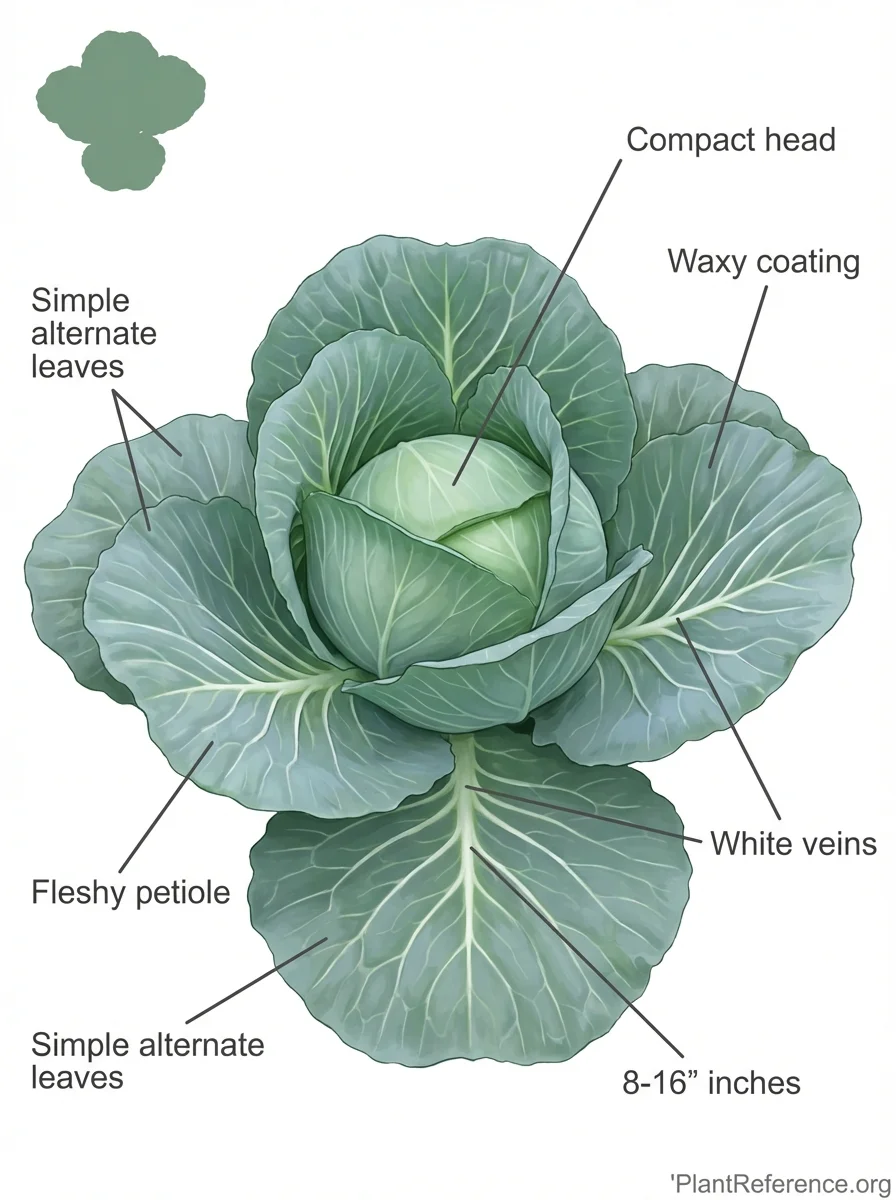
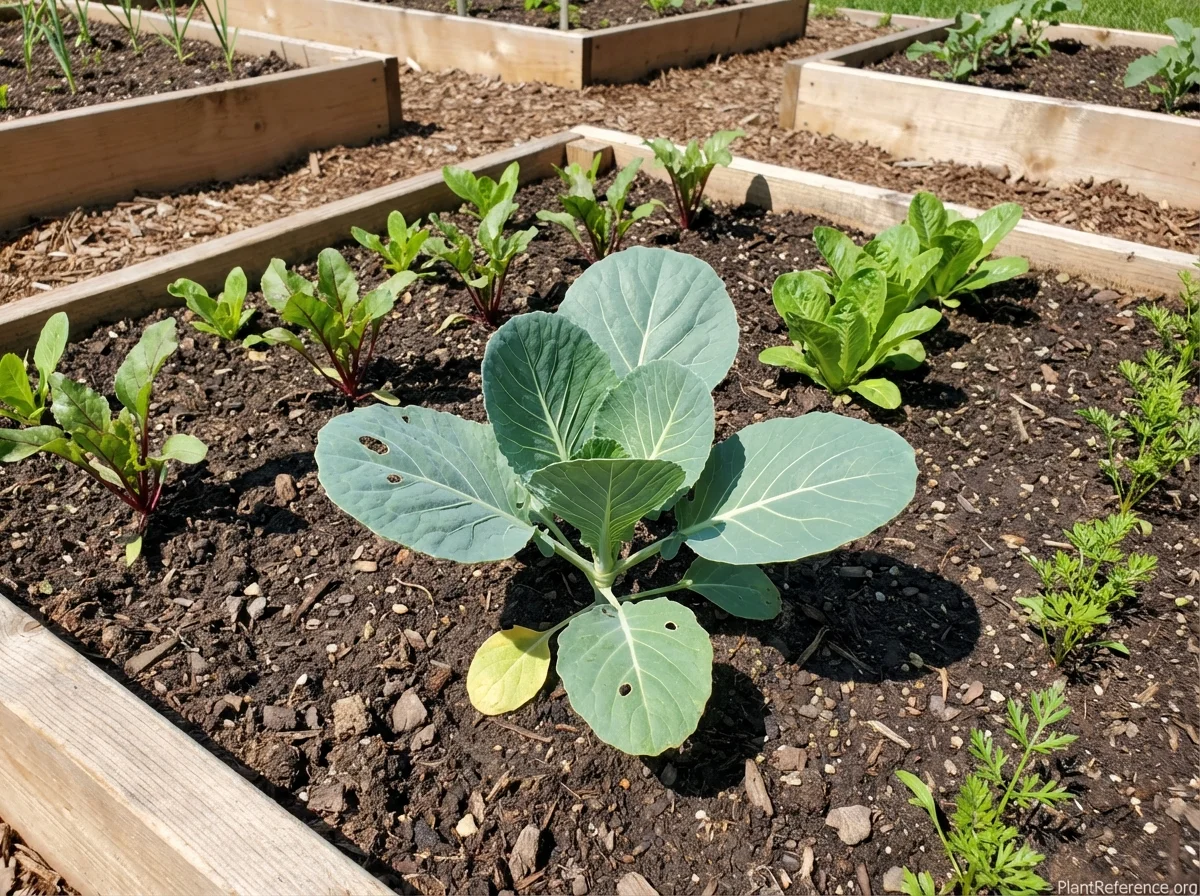
Brassica oleracea 'Copenhagen Market' is Copenhagen Market cabbage, an annual vegetable reaching 12–15 inches (30–38 cm) tall and 18–24 inches (45–60 cm) wide with an upright compact habit — a central round head surrounded by wrapper leaves. The cultivar is a Danish heirloom dating to the early 1900s that produces round dense solid heads 6–8 inches (15–20 cm) in diameter weighing 3–4 pounds (1.4–1.8 kg) with blue-green wrapper leaves and a pale green interior. The head is short-cored with tender smooth-textured interior leaves. Maturity is 65–75 days from transplant. The cultivar is a cool-season crop with moderate growth rate. Heads hold in the field through light frost, and flavor improves after a light freeze. The round early cabbage is widely adapted across temperate climates and is a reference cultivar for home-garden cabbage production. Family Brassicaceae.
Native Range
The parent species Brassica oleracea (cabbage group) is descended from wild cabbage native to coastal western and southern Europe. 'Copenhagen Market' is a Danish heirloom from the early 1900s.Suggested Uses
Grown in vegetable gardens and containers of 5 gallons (19 L) or larger for culinary use in coleslaw, sauerkraut, cooked dishes, and salads. The round 3–4 pound dense heads and the smooth-textured interior suit both fresh eating and short fermentation. The cultivar's shorter storage life (2–4 weeks refrigerated) separates it from long-term storage cabbages, so the harvest is used fresh rather than stored for winter. Head splitting occurs if watering is irregular. Cool-season crop — not suitable for summer-heat production in warm regions.How to Identify
Appearance
Size & Dimensions
Height1' - 1'3"
Width/Spread1'6" - 2'
Bloom Information
Grown as an annual for head production; the plant does not bloom at harvest stage. Four-petaled yellow flowers on stalks 3–4 feet (0.9–1.2 m) tall appear only if the crop is overwintered or vernalized (bolting), which splits the head and ends usable production. Harvest occurs when heads are firm and solid.
Detailed Descriptions
Flower Description
Yellow; four-petaled; only if boltingFoliage Description
Blue-green wrapper leaves surrounding pale green interior; round dense headGrowing Conditions
Sun Requirements
Requires 6-8 hours of direct sunlight daily
• Full Sun: 6+ hours of direct sunlight
• Partial Shade: 3-6 hours of direct sunlight
• Full Shade: Less than 3 hours of direct sunlight
Care & Maintenance
Care Guide
Seed is started indoors 6–8 weeks before the last frost date. Transplants are hardened off and planted out at 18–24 inch (45–60 cm) spacing in rich moist well-drained soil at pH 6.0–7.5. Consistent moisture through head formation reduces splitting — irregular watering after a dry period causes heads to crack. The cabbage group is a heavy feeder; side-dressing with nitrogen-rich fertilizer at 4 weeks after transplant supports head formation. Harvest occurs when heads are firm and solid, 65–75 days from transplant. Heads hold through light frost, which improves flavor.Pruning
Pruning is not applicable. The entire head is harvested by cutting at the base of the stalk. Lower leaves and the stump are left in place to produce small secondary heads over the next few weeks in favorable conditions.Container Growing
Suitable for container growing
Minimum container size: 5 gallons
Toxicity
Non-toxicPlanting Guide
Botanical Flashcard