Image 1 of 3
1 / 3
Plant Reference
Brassica, Genus, oleracea, Species, 'Early Jersey Wakefield', Cultivar,
- Genus & species
- Cultivar
Early Jersey Wakefield cabbage
Coastal Europe (B. oleracea; Early Jersey Wakefield American heirloom 1840s NJ from English Wakefield; conical pointed; earliest cabbage; split-resistant)
Overview
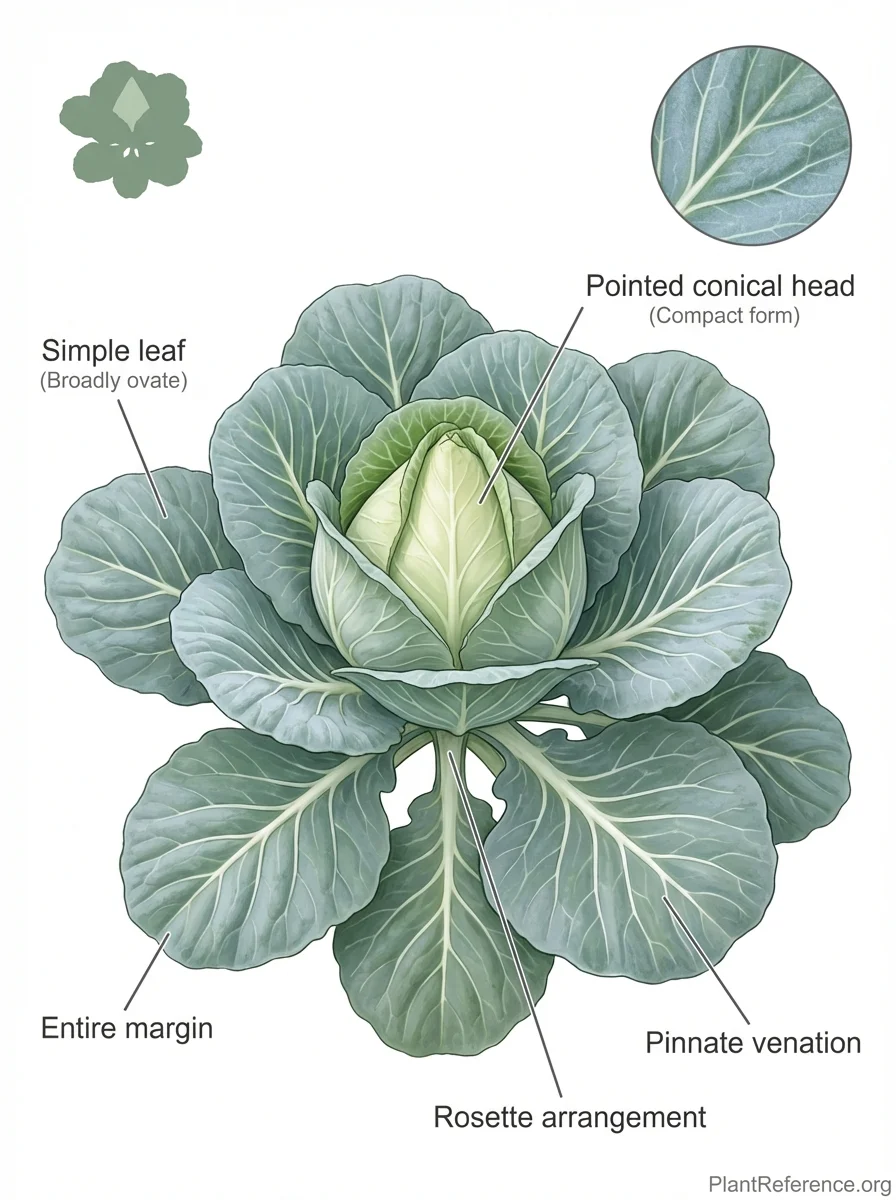
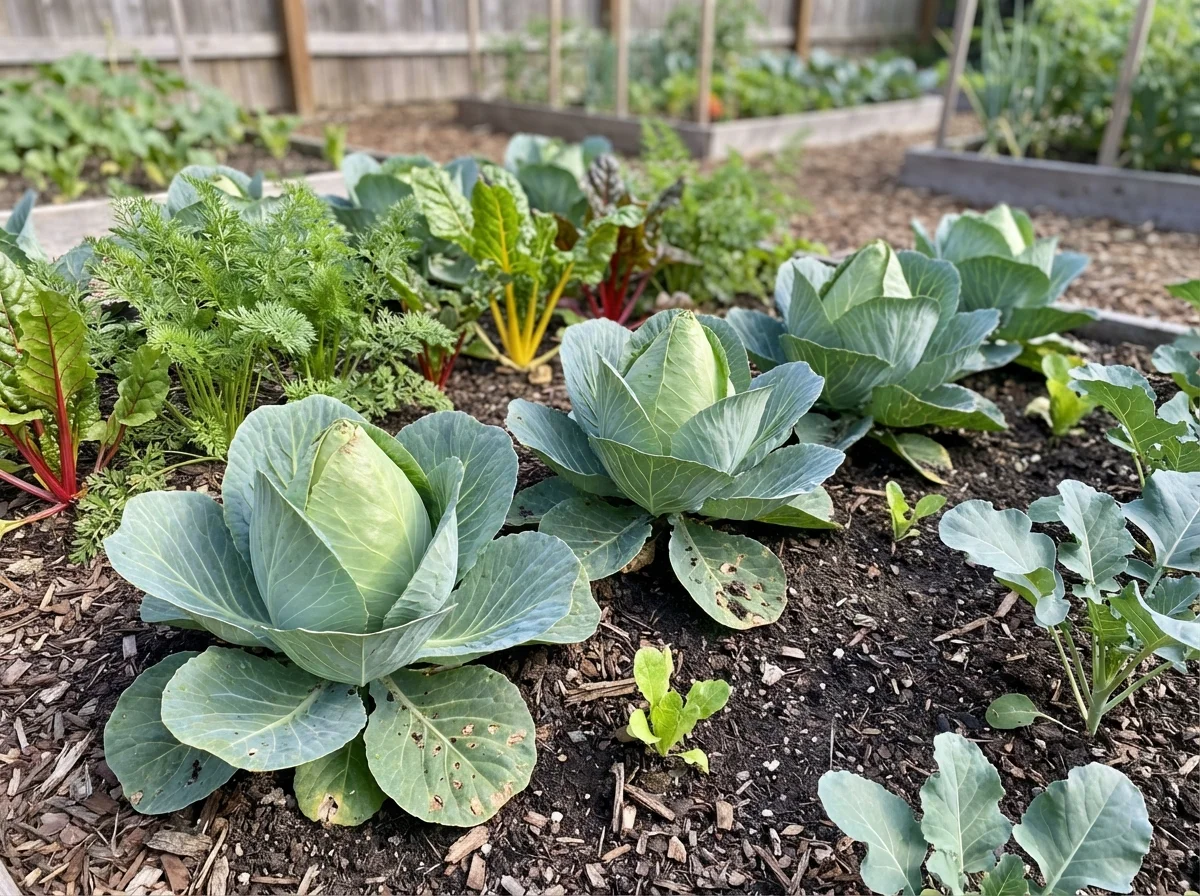
Brassica oleracea 'Early Jersey Wakefield' is an annual vegetable reaching 12-15 inches (30-38 cm) tall with a spread of 18-20 inches (45-50 cm) and an upright, compact habit with a central pointed head. An American heirloom cabbage introduced in the 1840s—one of the oldest American cabbage cultivars, developed from Wakefield types brought from England to New Jersey. It produces small to medium, conical (pointed), dense heads 2-3 pounds (0.9-1.4 kg) with blue-green wrapper leaves and a tender, sweet, pale green interior. Days to maturity 60-70 from transplant—among the earliest cabbages. Growth rate is moderate to fast. The conical shape allows closer planting than round cabbages. Resistant to head splitting.
Native Range
Brassica oleracea (cabbage group) descended from wild cabbage native to coastal Europe. 'Early Jersey Wakefield' was developed in New Jersey in the 1840s from English Wakefield types.Suggested Uses
Grown in vegetable gardens for culinary use—coleslaw, cooking, salads. Earliest cabbage 60-70 days. Conical pointed 2-3 lb heads. Tender sweet interior. Close planting possible. Split-resistant. American heirloom 1840s New Jersey. Short storage. Not suitable for sauerkraut (heads too small/tender) or long-term storage.How to Identify
Appearance
Size & Dimensions
Height1' - 1'3"
Width/Spread1'6" - 1'8"
Bloom Information
Yellow four-petaled flowers on stalks if not harvested. Harvest when head is firm and pointed. Resistant to splitting.
Detailed Descriptions
Flower Description
Yellow; four-petaled; bolting onlyFoliage Description
Blue-green wrapper leaves; pale green sweet interior; conical pointed headGrowing Conditions
Sun Requirements
Requires 6-8 hours of direct sunlight daily
• Full Sun: 6+ hours of direct sunlight
• Partial Shade: 3-6 hours of direct sunlight
• Full Shade: Less than 3 hours of direct sunlight
Care & Maintenance
Care Guide
Start seed indoors 6-8 weeks before last frost. Transplant into rich, moist soil (pH 6.0-7.5). Consistent moisture. Heavy feeder. Days to maturity 60-70 from transplant—among earliest. The pointed shape allows 15-18 inch (38-45 cm) spacing—closer than round types. Harvest when heads are firm. Resistant to splitting.Pruning
No pruning needed. Harvest entire head. Leave stump for possible small secondary heads.Container Growing
Suitable for container growing
Minimum container size: 5 gallons
Toxicity
Non-toxicPlanting Guide
Botanical Flashcard