Image 1 of 3
1 / 3
Plant Reference
Brassica, Genus, oleracea, Species, 'Purple of Sicily', Cultivar,
- Genus & species
- Cultivar
Purple of Sicily cauliflower
Coastal Europe (B. oleracea botrytis; Purple of Sicily Sicilian heirloom; vivid purple anthocyanin curd; easier than white types; turns green cooked)
Overview
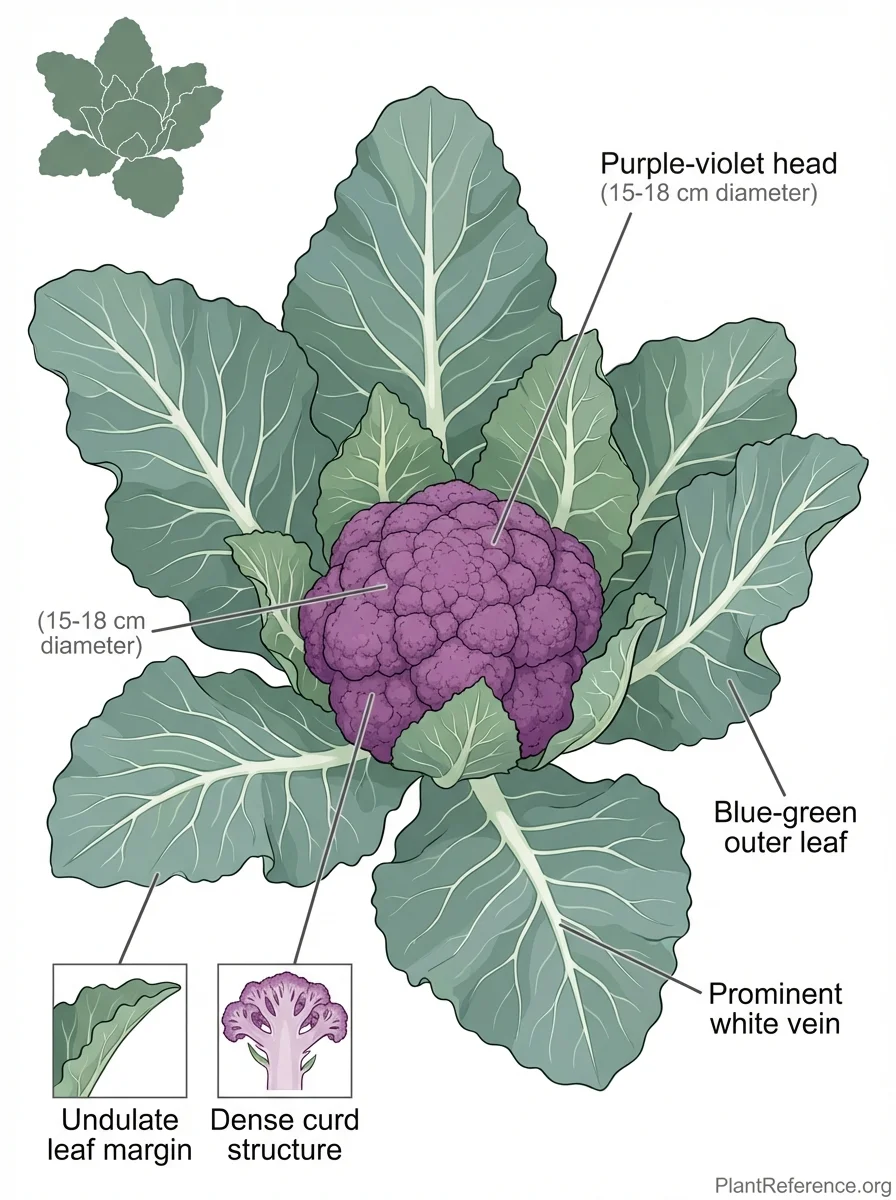
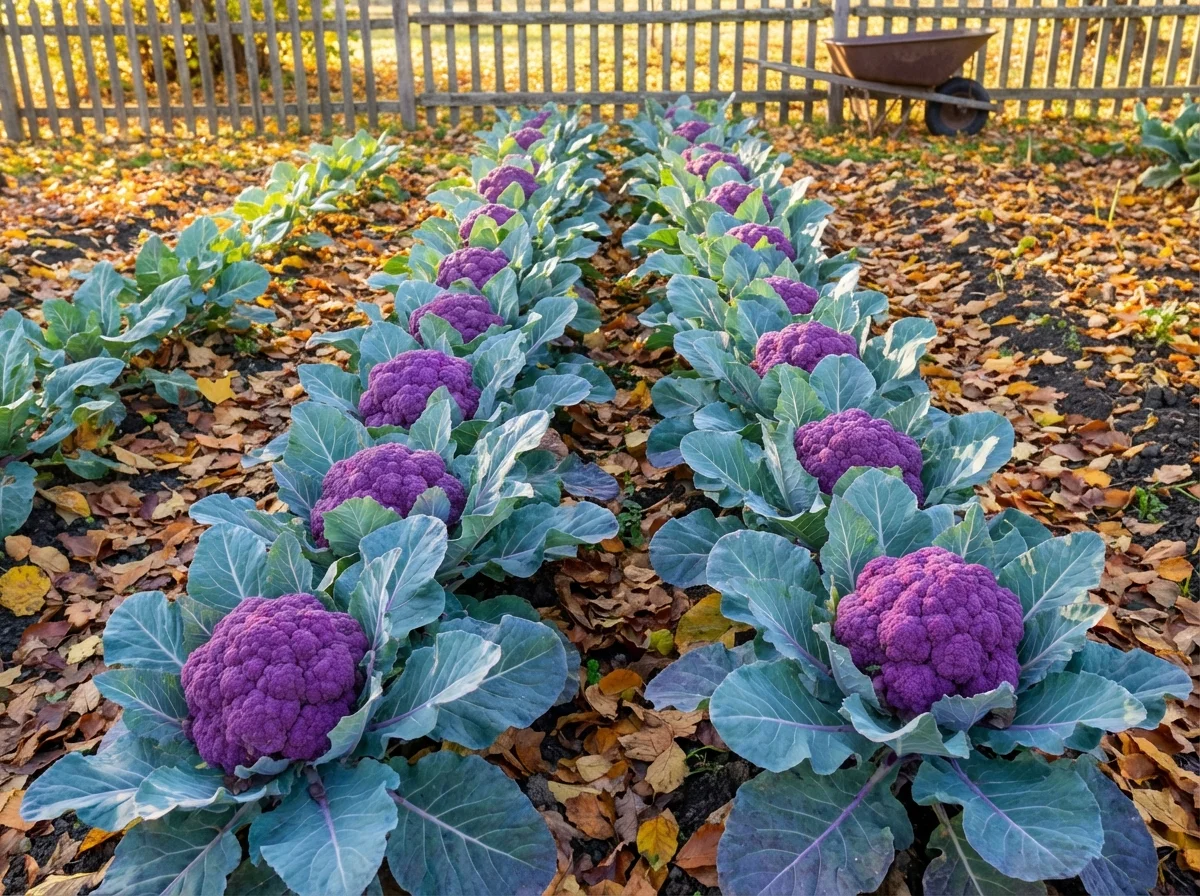
Brassica oleracea 'Purple of Sicily' is an annual vegetable reaching 18-24 inches (45-60 cm) tall with a spread of 18-24 inches (45-60 cm) and an upright habit with a rosette of wrapper leaves surrounding a central curd. An Italian heirloom cauliflower from Sicily, it produces dense curds 6-8 inches (15-20 cm) in diameter in vivid purple—the color comes from anthocyanin pigments. Large, blue-green wrapper leaves partially surround the purple curd. Days to maturity 70-85 from transplant. Growth rate is moderate. The purple color turns green when cooked—serve raw or lightly blanched to retain the purple. More cold-tolerant and easier to grow than white cauliflower types. Does not require blanching—the purple is the desired color.
Native Range
Brassica oleracea (botrytis group—cauliflower) descended from wild cabbage native to coastal Europe. 'Purple of Sicily' is a Sicilian heirloom.Suggested Uses
Grown in vegetable gardens for culinary use—raw (retains purple), crudités, light blanching, roasting. Vivid purple curd from anthocyanins. Sicilian heirloom. No blanching needed. Easier than white cauliflower. 70-85 days. Purple turns green when cooked. Not suitable where purple color retention through cooking is required.How to Identify
Appearance
Size & Dimensions
Height1'6" - 2'
Width/Spread1'6" - 2'
Bloom Information
Yellow four-petaled flowers if curd not harvested. Harvest when curd is dense and firm. Easier to grow than white cauliflower—more forgiving of temperature fluctuations.
Detailed Descriptions
Flower Description
Yellow; four-petaled; bolting onlyFoliage Description
Blue-green wrapper leaves; vivid purple anthocyanin curd 6-8 inchesGrowing Conditions
Sun Requirements
Requires 6-8 hours of direct sunlight daily
• Full Sun: 6+ hours of direct sunlight
• Partial Shade: 3-6 hours of direct sunlight
• Full Shade: Less than 3 hours of direct sunlight
Water & Climate
Water Needs
Frost Tolerance
Care & Maintenance
Care Guide
Start seed indoors 6-8 weeks before last frost. Transplant into rich, moist soil (pH 6.0-7.0). Consistent moisture. Cool temperatures for curd formation but more tolerant of fluctuations than white types. Days to maturity 70-85 from transplant. No blanching needed. Harvest when curd is 6-8 inches and firm. Purple color turns green with cooking—serve raw or blanch briefly.Pruning
No pruning needed. Harvest entire head by cutting stem below curd.Container Growing
Suitable for container growing
Minimum container size: 5 gallons
Toxicity
Non-toxicPlanting Guide
Botanical Flashcard