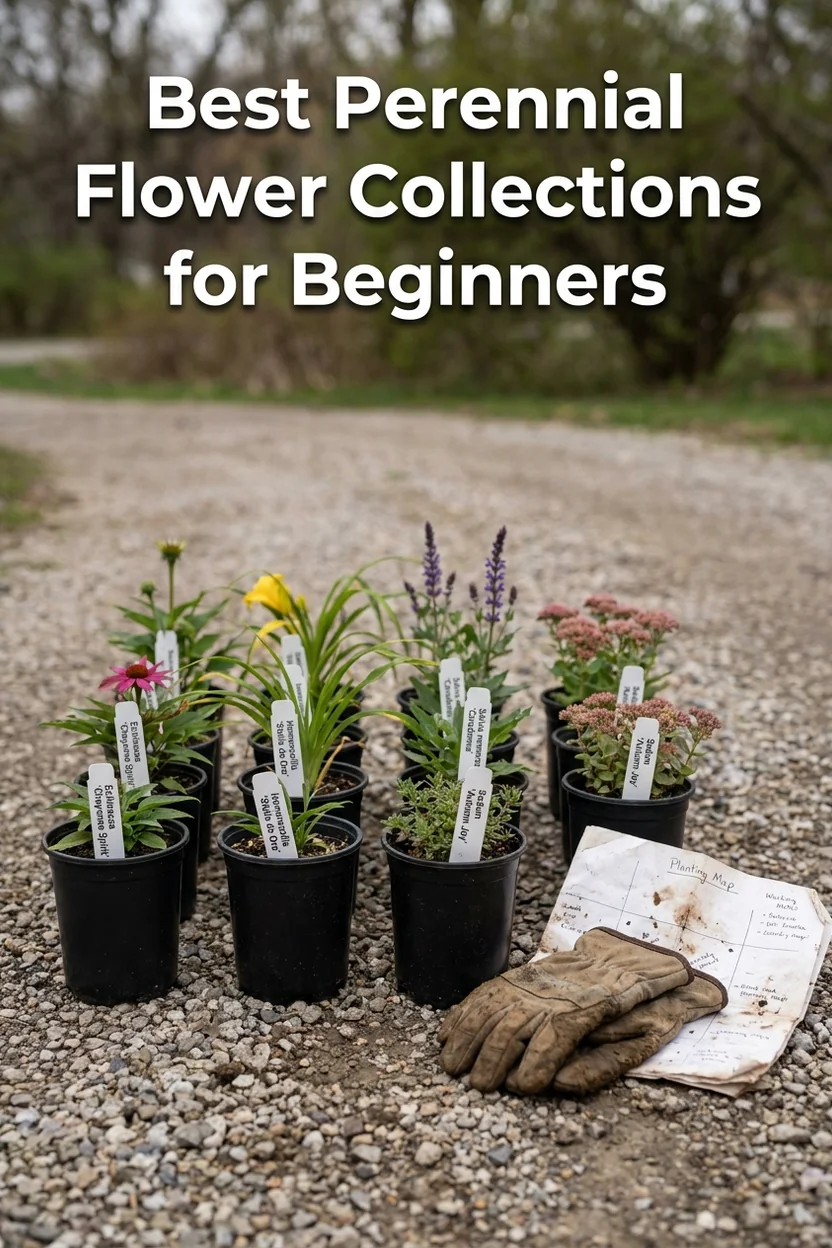
Best Perennial Flower Collections for Beginners
Pets & Toxicity
Recorded toxicity for plants linked in this guide. An unknown status is not a safety assessment.
Toxic to pets: Stella de Oro daylily, blue mouse ears hosta, butterfly weed and 2 moreDetailsHide
Hemerocallis × 'Stella de Oro' — Toxicity Warning
Toxic to petsView Hemerocallis × 'Stella de Oro' plant profileAsclepias tuberosa — Toxicity Warning
Toxic to pets and humans (cardiac glycosides — cardenolides — at moderate concentration; less toxic than other milkweed species but still toxic if ingested in quantity)View Asclepias tuberosa plant profilePerovskia atriplicifolia 'Little Spire' — Toxicity
Non-toxicView Perovskia atriplicifolia 'Little Spire' plant profilePaeonia lactiflora 'Sarah Bernhardt' — Toxicity Warning
Toxic to pets and humansView Paeonia lactiflora 'Sarah Bernhardt' plant profile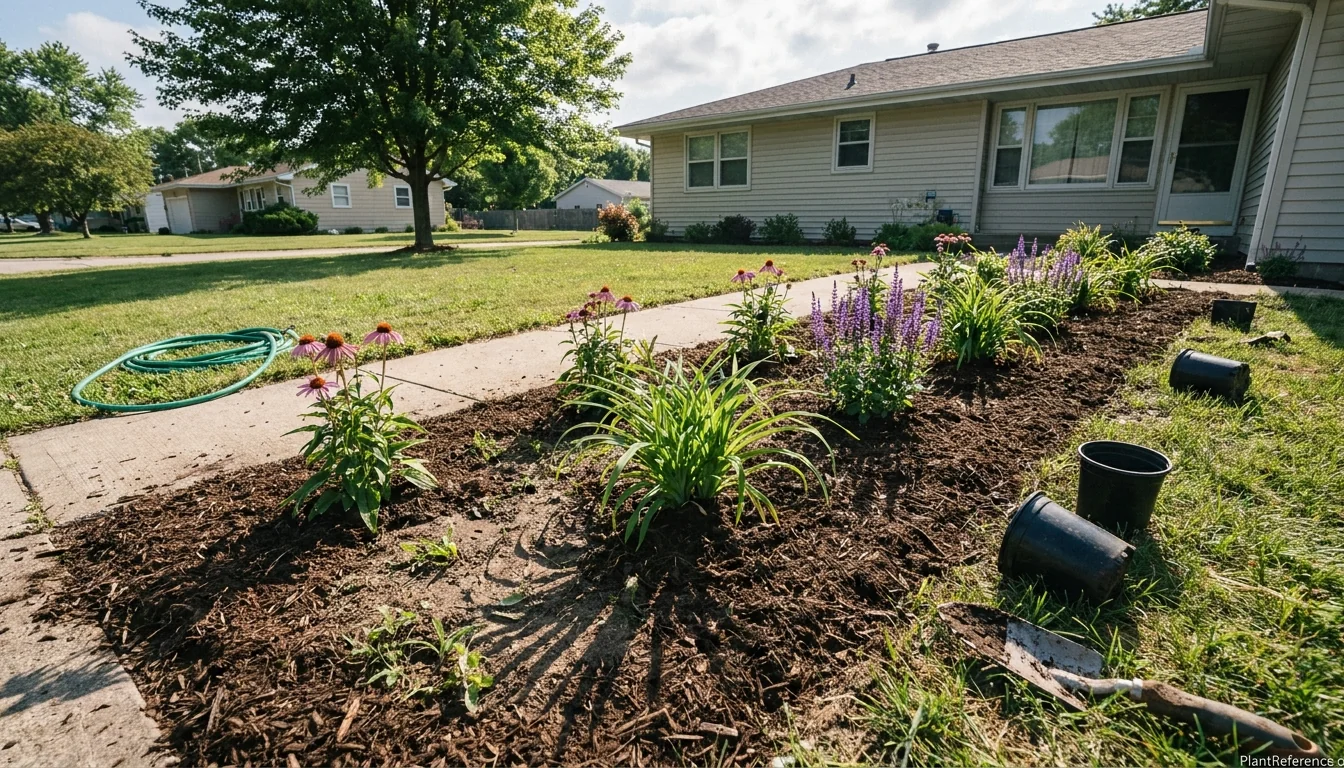
— Image © PlantReference.org 2026
I sell individual perennials for a living, so it may surprise you that I regularly point beginners toward pre-planned collections instead. The reason is simple: the mistakes I see most often aren't care mistakes. They're buying mistakes — a shade plant in a west-facing bed, four things that all bloom the same two weeks in June, nine plants crammed into a space that holds five. The best perennial flower collections for beginners solve those problems before the box ships.
What a Perennial Collection Actually Is
A perennial collection — sometimes sold as a "pre-planned garden" or "garden kit" — is a bundle of plants selected to work together, and a well-chosen one does three jobs at once.
Check that every plant shares compatible cultural requirements, so you're not trying to keep a lavender and an astilbe happy in the same three feet of dirt. Staggered bloom times can give you flowers from late spring through early fall instead of one glorious fortnight followed by four months of green.
And — the part beginners undervalue — a pre-planned garden tells you where to put things. Check for a numbered map showing spacing and placement; not all collections include one. That map is worth more than any single plant in the box. Plan a Perennial Garden That Blooms Spring to Fall
Collections often ship bare-root or in small pots. Small plants look like a poor deal on arrival. They aren't necessarily — they can establish well, but don't always catch up with gallon-size stock by the second summer, and prices vary.
The 6 Best Perennial Collections for Beginners
Prices checked October 6, 2026; shipping and tax extra. US delivery restrictions apply. Illustrations are not exact kit contents.
Best Overall: American Meadows Summer Long Blooms Pre-Planned Garden
Twenty-eight plants, $245.99, covering about 98 square feet (9.1 m²), with a planting map. Rated Zones 5-8 for full sun and well-drained soil, this larger mixed garden includes 🌿Echinacea purpurea 'Magnus' (ek-in-AY-shuh pur-PUR-ee-uh), 🌿Hemerocallis 'Stella de Oro', Nepeta x faassenii 'Walker's Low' and Sedum 'Autumn Joy' — four useful plants for full sun. Daylilies are extremely toxic to cats; avoid cat-accessible beds.
What matters is the labeling. Keep every plant’s cultivar name, not just "purple coneflower." That matters two years later when you want three more of the one you loved. Best Low-Maintenance Perennials for Beginners: 10 Picks
Best for Shade: Perennial Farm Marketplace Shade Garden Collection
Twelve plants, $334.99, for part shade and moist, well-drained soil. This one pairs astilbe, geranium, fern and heuchera. Other shade choices, not kit contents, include Hosta 'Halcyon' and 🌿Hosta 'Blue Mouse Ears' for structural foliage with 🌿Astilbe chinensis 'Visions' and Heuchera 'Palace Purple' for color that carries past June.
The one warning: shade plants can suffer slug damage. Delivery excludes AK, AZ, CA, CO, ID, MT, NV, OR, UT, WA and HI. How to Get Rid of Slugs on Hostas: What Works Best Perennials for Shade: 12 Species That Thrive
Best for Pollinators: American Meadows Pollinator Meadow Native Plant Collection
Five plants, $49.98, rated Zones 4-8, including common milkweed, Joe Pye weed and vervain. Other pollinator choices, not kit contents, include 🌿Echinacea purpurea 'Magnus', 🌿Rudbeckia fulgida 'Goldsturm', 🌿Monarda didyma 'Jacob Cline' and 🌿Asclepias tuberosa. Read the zone map and regional native ranges rather than assuming the photo represents what you'll receive.
This is a collection for people whose real goal is butterflies rather than a designed border. It looks looser and more meadow-like than the others; allow room for spreading milkweed. Keep Joe Pye weed and vervain moister, aster and milkweed well drained. Milkweed is toxic if eaten; wear gloves and keep sap out of eyes. Best Perennials for Pollinators: Bees & Butterflies
Best for Dry, Hot Sites: High Country Gardens Soft Colors Inferno Strip Pre-Planned Garden
Eighteen plants, $186.99, covering 30 square feet (2.8 m²), rated Zones 5-8, with a map. The mix includes 🌿Salvia nemorosa 'Caradonna' alongside catmint, penstemon and other dry-site plants. Alternatives, not kit contents, include 🌿Perovskia atriplicifolia 'Little Spire' and Achillea 'Moonshine'. These plants expect full sun, lean soil and sharp drainage. If you have a hot strip along a driveway or south-facing wall, this is your collection if the hardiness range fits.
Do not amend the soil heavily for this one. Persistently wet soil harms 🌿Perovskia atriplicifolia 'Little Spire'; shade can make it flop.
Best Compact Daylily Option: Breck's Dwarf Reblooming Daylily Collection
Nine roots, $49.99 for the fall option, rated Zones 3-9: 'Stella de Oro', 'Little Business' and 'Purple de Oro'. Breck's ships bare-root. For a mixed border, separate choices include 🌿Paeonia lactiflora 'Sarah Bernhardt', 🌿Hemerocallis 'Stella de Oro', 🌿Iris germanica and a 🌿Phlox paniculata cultivar. Daylilies are extremely toxic to cats: avoid planting them where cats can reach them, and seek immediate veterinary care after any exposure.
Bare-root peonies come with a catch worth knowing: plant the eyes 1.5-2 inches (4-5 cm) below the soil surface and no deeper. Too deep is one reason a peony grows beautiful leaves and never blooms. How to Grow Peonies: Planting, Staking & 50-Year Blooms
Best Budget Entry: American Meadows Fall Flowering Pollinator Pit Stop Collection
Three plants, $29.99, rated Zones 4-8: pink obedient plant, Fireworks goldenrod and aromatic aster. Full sun and average, well-drained soil suit this late-season group. Allow mature spacing and control obedient plant’s spread. It's the lowest total price here.
Buy this one if your budget is tight and you're willing to do your own arranging. Perennial Combinations That Look Good Together
Collection | Plants | Price | Coverage | Light | Best For |
|---|---|---|---|---|---|
American Meadows Summer Long Blooms | 28 | $245.99 | 98 sq ft (9.1 m²) | Full sun | First-time buyers who want it to look designed |
Perennial Farm Shade Garden | 12 | $334.99 | Use mature widths | Part shade | Moist, well-drained shade beds |
American Meadows Pollinator Meadow | 5 | $49.98 | Allow spreading room | Full sun | Butterflies and bees over formal design |
High Country Soft Colors Inferno Strip | 18 | $186.99 | 30 sq ft (2.8 m²) | Full sun | Driveway strips, hot walls, lean soil |
Breck's Dwarf Reblooming Daylilies | 9 roots | $49.99 | 18-24 in (45-60 cm) spacing | Full sun | Small yards and narrow beds |
American Meadows Fall Flowering Pollinator Pit Stop | 3 | $29.99 | Use mature widths | Full sun | Budget late-season flowers |
How to Choose the Right Collection for Your Yard
Beginners tend to shop by picture. Shop by site instead, in this order.
Light first. Track direct sun in the bed throughout a sunny growing-season day. Six or more hours of direct sun is full sun; roughly three to six is part shade; under three is shade. Buying a sun collection for a part-shade bed is the most expensive mistake in this category, and no amount of fertilizer fixes it.
Zone second. If your zone sits at the very edge of a collection's hardiness range, check winter exposure carefully. In Kansas City I treat anything rated only to Zone 6 as a gamble, not a purchase. Check your address on the current USDA map, too.
Drainage third. Dig a hole 12 inches (30 cm) wide and deep, fill it with water, then refill the next day and measure the drop. Less than 1 inch (2.5 cm) per hour indicates slow drainage. Dry-site perennials — particularly Sedum 'Autumn Joy', 🌿Salvia nemorosa 'Caradonna' and 🌿Perovskia atriplicifolia 'Little Spire' — are at risk in persistently wet soil.
Size last. Measure the bed, then buy for the plants’ mature spacing. A first-year bed that looks slightly sparse can fill out over several seasons. A bed planted to look full immediately may become a wrestling match later. How to Divide Perennials: A Species-by-Species Guide
What to Do the Day Your Collection Arrives
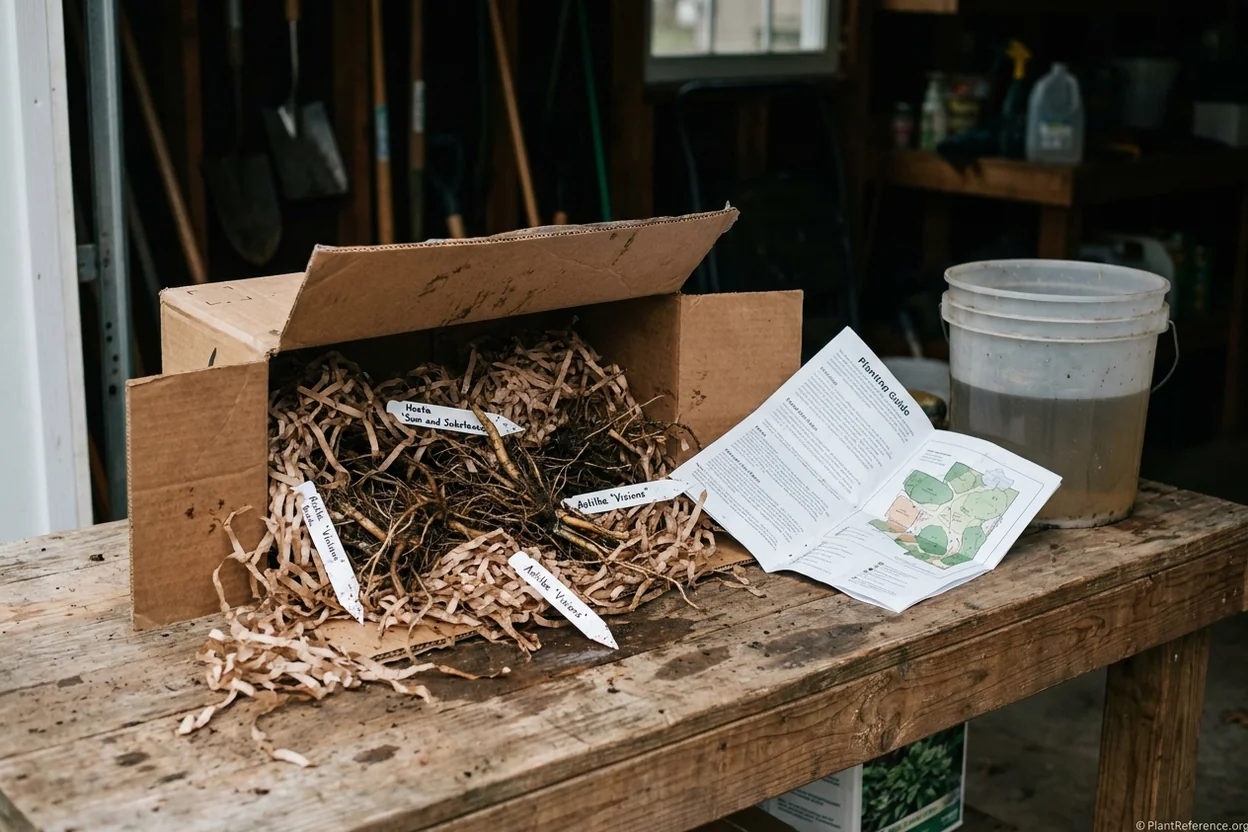
Bare-root shipments are alive and impatient. Open the box the day it lands.
Unwrap everything and check for mold, mush or dry, brittle roots — report damaged stock promptly and check the seller’s replacement policy
Soak bare roots in a bucket of room-temperature water for 1-2 hours, unless the supplier directs otherwise
If you can't plant promptly, keep dormant bare roots cool but unfrozen, in damp rather than soggy packing material
Lay every plant out on the soil surface in its mapped position, or at its recommended spacing, before you dig a single hole
Plant potted plants at the same depth the crown sat originally; follow species-specific instructions for bare roots
Water in deeply, then mulch 2 inches (5 cm) deep while keeping mulch off the crowns; check mulch recommendations for xeric plants
Then water deeply as needed after checking root-ball and soil moisture throughout the first season. After establishment most drought-tolerant plants want less water, but moisture-loving plants still need regular checks.
Skip routine fertilizer at planting — pushing top growth with excess nitrogen can get you floppy plants. Compost and later feeding depend on soil tests and plant needs. How to Prepare Perennial Gardens for Winter by Species
Collections to Skip
Two categories waste beginners' money reliably.
Unnamed "mixed perennial" bulk bags. Big-box stores and marketplace sites sell "assorted perennial roots," sometimes generically labeled. You cannot plan a bed around plants you can't identify.
Collections sold by color scheme only. A "Sunset Border" promising orange and gold tells you nothing about whether those plants share light and water needs. Color is the last thing to sort out, not the first.
Single-genus collections aren't a scam but often disappoint as a whole border. A daylily sampler is fine for someone who already loves daylilies, but bloom lasts several weeks, with rebloom depending on cultivar and climate. Buy it for a specific job. How to Grow Daylilies: The Complete Guide to Division
If deer are a factor where you live, check the plant list before ordering — Hosta 'Halcyon' and 🌿Hemerocallis 'Stella de Oro' are vulnerable to deer browsing. Hostas are also toxic to pets if eaten. Deer-Resistant Perennials: A Zone-by-Zone Planting Guide
Buy one collection, plant it properly, and give it three summers. That's the whole method. Every customer who has come back to tell me their perennial bed finally looks like the catalogue photo did exactly that — and most of them then bought a second collection for the other side of the walk. When to Cut Back Perennials in Fall (And What to Leave)
Frequently Asked Questions
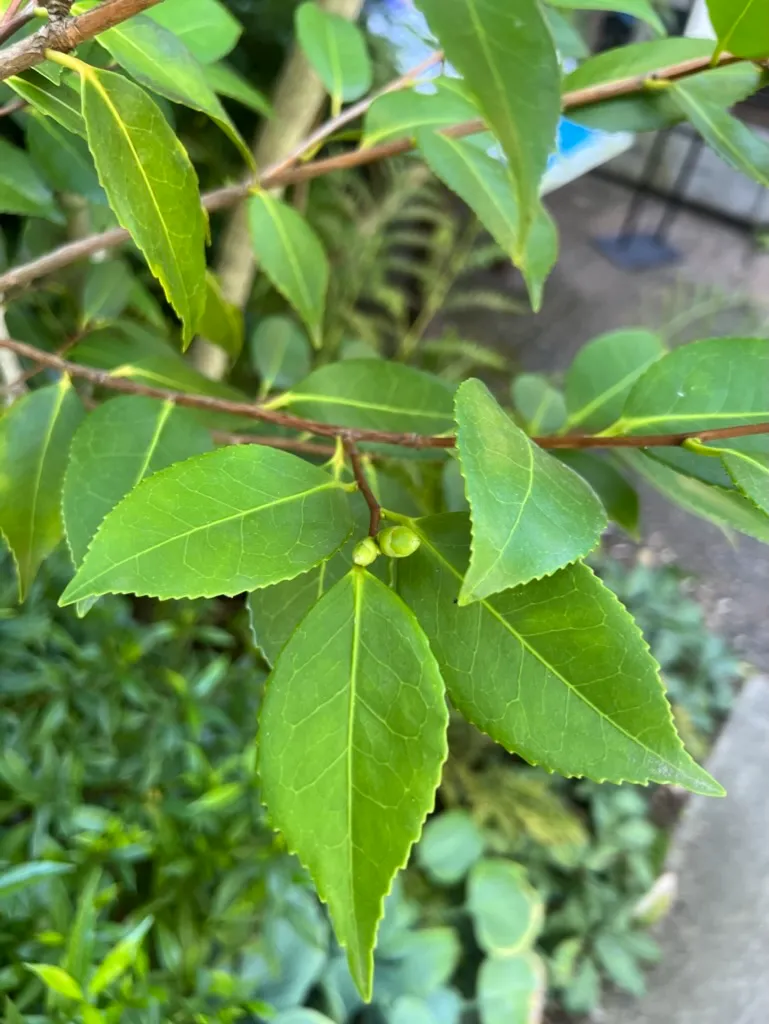
Reading about plants and recognising them are different skills. These three build the second.
- Daily PlantIdentify the day’s mystery plant from a close-up photograph.
- Keyed OutWork a dichotomous key, lead by lead, to name a hidden specimen.
- Name That PlantName a specimen from botanical clues dealt hardest first.
Free to play, no account needed
Tagged with
Bill is a third-generation nurseryman who runs a small family garden center on the outskirts of Kansas City. His grandfather started the business in the 1960s, and Bill took over after working as an ag teacher for a decade. He knows the plants that work in the Kansas City area better than anyone—he's grown most of them himself and watched customers succeed or fail with the rest. Bill specializes in trees and shrubs for the Midwest, perennial borders that handle the region's hot summers and cold winters, and helping customers make sensible choices rather than impulse buys. He writes the way he talks to customers: patient, knowledgeable, and honest about what's worth the money and what isn't.