Perovskia, Genus, atriplicifolia, Species, 'Little Spire', Cultivar,
- Genus & species
- Cultivar
little spire Russian sage
Central Asia parentage (compact cultivar; stiffer stems resist flopping)
Overview
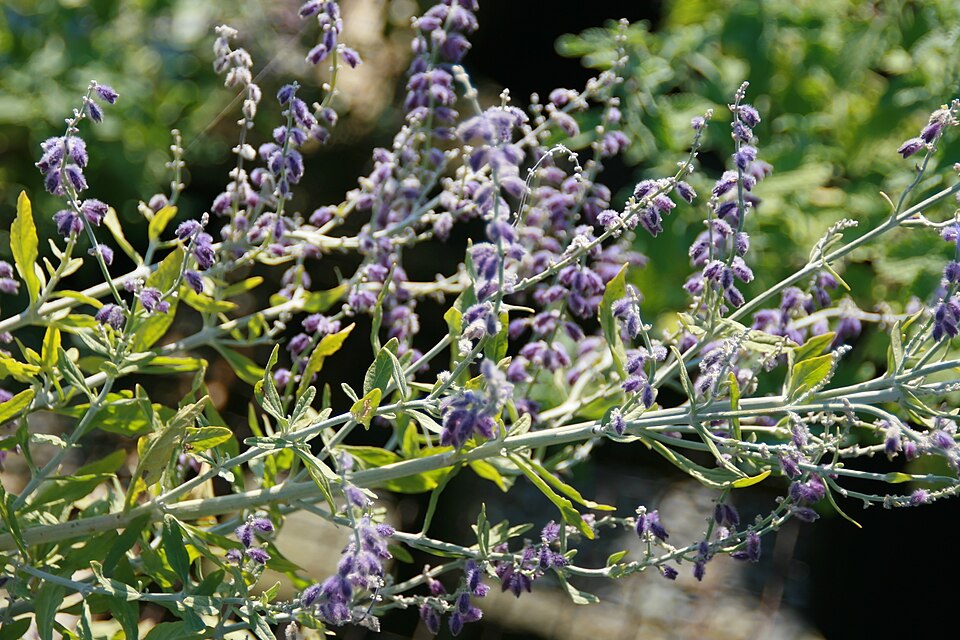
Perovskia atriplicifolia 'Little Spire' is a deciduous, compact, subshrubby perennial reaching 2-3 feet (0.6-0.9 m) tall with a spread of 2-3 feet (0.6-0.9 m) and a more upright, stiffer-stemmed habit than the species. This cultivar retains the silvery-white stems, aromatic finely dissected gray-green foliage, and airy lavender-blue panicles of the species in a compact form that resists flopping. The opposite leaves are 1-1.5 inches (2.5-4 cm) long, deeply lobed, sage-scented. Panicles of small tubular lavender-blue flowers appear from July to September. Growth rate is moderate. Hardy to zone 4. The compact, upright habit makes this the most garden-manageable form of Russian sage—less likely to flop or require staking than the species.
Native Range
Perovskia atriplicifolia is native to central Asia. 'Little Spire' is a compact cultivar selected for shorter, stiffer stems.Suggested Uses
Planted in borders, small gardens, or containers at 2-3 foot (0.6-0.9 m) spacing. The most compact Russian sage—suited to smaller spaces where the species is too large or floppy. Same lavender-blue haze in a tighter form. Full sun and lean soil essential. Not suitable for shade, wet soils, or fertile conditions.How to Identify
Appearance
Size & Dimensions
Height2' - 3'
Width/Spread2' - 3'
Bloom Information
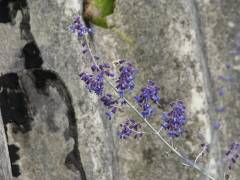
Airy panicles of small tubular lavender-blue flowers, July-September. Same bloom character as the species in a more compact form. Bloom duration is 6-8 weeks.
Detailed Descriptions
Flower Description
Lavender-blue; small tubular; airy panicles; Jul-SepFoliage Description
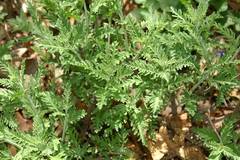
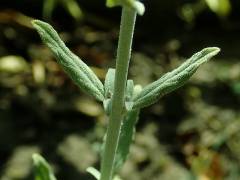
Gray-green; finely dissected 1-1.5 inches; aromatic sage-scented; silvery-white stemsGrowing Conditions
Sun Requirements
Requires 6-12 hours of direct sunlight daily
• Full Sun: 6+ hours of direct sunlight
• Partial Shade: 3-6 hours of direct sunlight
• Full Shade: Less than 3 hours of direct sunlight
Care & Maintenance
Care Guide
Plant in full sun in well-drained, lean soil (pH 6.5-8.0). Hardy to zone 4. Same cultural requirements as the species but less prone to flopping. Full sun and lean soil essential. Cut back to 6-8 inches in early spring.Pruning
Cut back all stems to 6-8 inches (15-20 cm) in March-April when new buds are visible. Blooms on new wood. Leave stems for winter structure.Pruning Schedule
Prune: March–April
early spring
Container Growing
Suitable for container growing
Minimum container size: 5 gallons