Image 1 of 5
1 / 5
© peganum from Henfield, England, some rights reserved (CC-BY-SA) · Wikimedia Commons
Perovskia, Genus, 'Filigran', Cultivar,
- Genus
- Cultivar
Filigran Russian sage
Central Asian species parentage (Perovskia atriplicifolia); cultivar selected in Germany for very finely dissected thread-like foliage
Overview
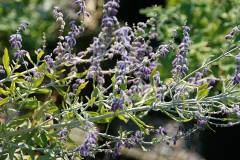
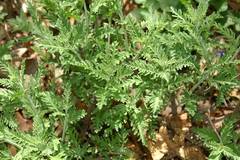
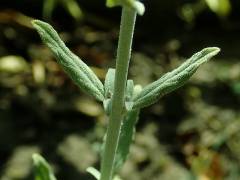
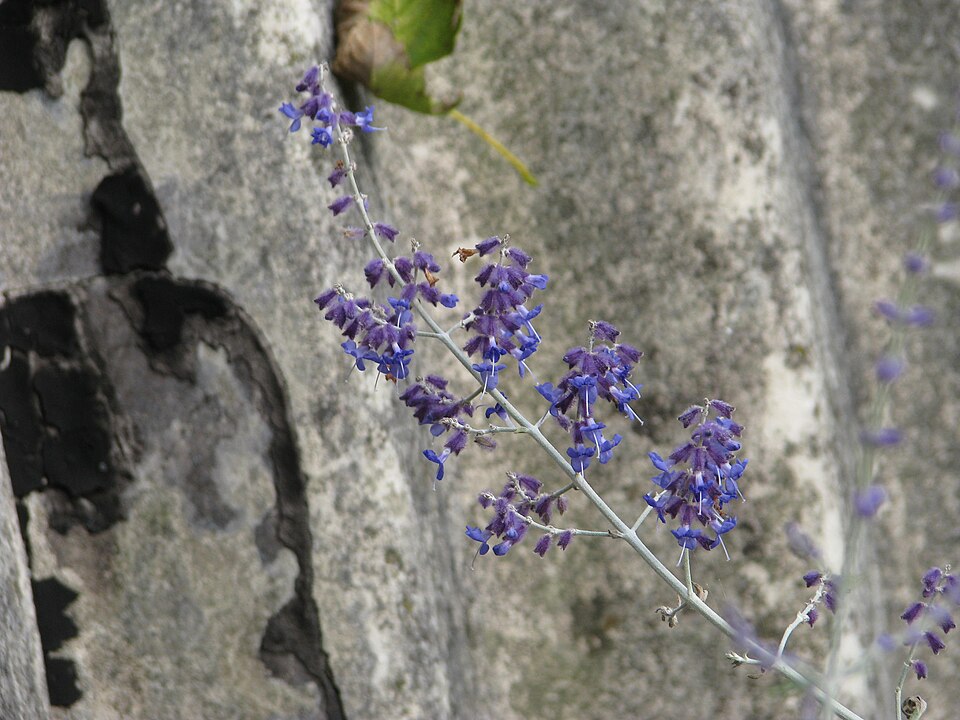
Perovskia 'Filigran' is a deciduous subshrubby perennial reaching 3–4 feet (0.9–1.2 m) tall with a spread of 2–3 feet (0.6–0.9 m) and an upright narrowly vase-shaped habit with silvery-white square stems. This cultivar carries the most finely dissected foliage among commonly cultivated Russian sage selections—leaves run cut into thread-like segments that create a delicate lace-like textural effect finer than the straight species or 'Little Spire'. Opposite leaves run 1.5–2.5 inches (4–6 cm) long, deeply bipinnatisect in outline, and gray-green to silvery in color. Airy panicles of small tubular lavender-blue flowers open from July through September. Growth rate runs moderate to fast. Hardy to zone 4. The thread-like leaf dissection creates a softer more textural visual effect than other Russian sage cultivars, which positions 'Filigran' as the textural variant within the Perovskia group. The cultivar was selected in Germany during the late 20th century for the extreme leaf dissection that defines its visual character.
Native Range
Perovskia as a genus is native to central Asia, and the species parent of 'Filigran' runs Perovskia atriplicifolia, which grows on dry rocky slopes and open steppes across Afghanistan, Pakistan, Tibet, and western China. 'Filigran' is a cultivar selected in Germany during the late 20th century for the extreme leaf dissection that separates the cultivar from the straight species and from other Russian sage selections in commercial cultivation.Suggested Uses
Planted in perennial borders or gravel gardens at 2–3 foot (0.6–0.9 m) spacing in zone-4-and-warmer gardens. The finest leaf texture among Russian sage cultivars in commercial trade creates a softer more lace-like visual effect than the straight species or 'Little Spire', which fits 'Filigran' to positions where textural refinement carries design value. Bloom character and cultural requirements run identical to the straight species. Full sun and lean soil are both essential. Flopping occurs in rich or moist conditions, which makes rich moist fertile garden positions poor fits for the cultivar.How to Identify
Appearance
Size & Dimensions
Height3' - 4'
Width/Spread2' - 3'
Bloom Information
Airy panicles of small tubular lavender-blue flowers open from July through September. Bloom character runs identical to the straight species. Fresh bloom duration runs 6–8 weeks.
Detailed Descriptions
Flower Description
Lavender-blue; small tubular; airy panicles; July-SeptemberFoliage Description
Gray-green to silvery; very finely dissected bipinnatisect thread-like segments 1.5-2.5 inches; aromatic; silvery-white square stemsGrowing Conditions
Sun Requirements
Requires 6-12 hours of direct sunlight daily
• Full Sun: 6+ hours of direct sunlight
• Partial Shade: 3-6 hours of direct sunlight
• Full Shade: Less than 3 hours of direct sunlight
Care & Maintenance
Care Guide
Full sun in well-drained lean soil (pH 6.5–8.0) matches the cultivar's cultivation needs. Hardy to zone 4 (−30°F / −34°C). Full sun and lean soil are both essential because rich fertile soil or moist conditions cause the upright stems to flop. Drought tolerance runs extreme after establishment. Cutback runs to 6–12 inches above ground level in early spring as new growth emerges from the woody base.Pruning
All stems are cut back to 6–12 inches (15–30 cm) in March through April when new growing buds are visible. The cultivar blooms on new wood, so hard spring cutback does not compromise the bloom window. Silvery stems hold winter structural interest and are left standing until spring.Pruning Schedule
Prune: March–April
early spring