Perovskia, Genus, atriplicifolia, Species, 'Lacey Blue', Cultivar,
- Genus & species
- Cultivar
Lacey Blue Russian sage
Garden selection; species native to central Asia
Overview
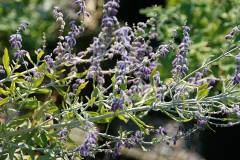
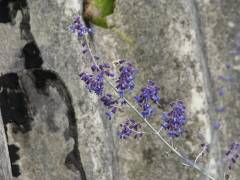
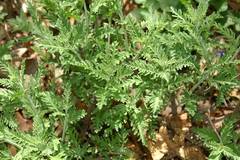
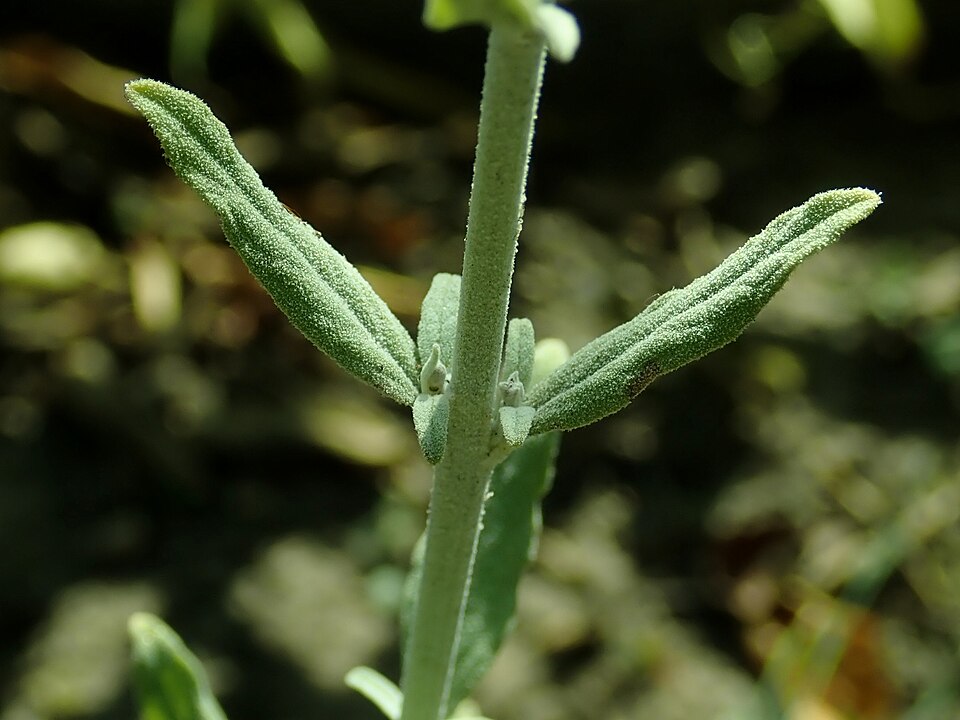
Perovskia atriplicifolia 'Lacey Blue' (also marketed as 'Lisslitt') is the most compact Russian sage widely available, growing just 18–24 inches (45–60 cm) tall and 20–28 inches (50–70 cm) wide — roughly half the height of the standard species. The compact stature places this at the front of borders and in containers where taller Russian sage would overwhelm. Lavender-blue tiny tubular flowers in airy panicles on white stems create the characteristic blue haze from July through October. Silver-gray finely dissected aromatic foliage. The very short, stocky stems are the sturdiest of any Russian sage cultivar — flopping is virtually eliminated. The trade-off for the compact size is that the airy, hazy quality that makes Russian sage atmospheric is less pronounced at this smaller scale — the blue haze is more contained than expansive. Lean, well-drained, alkaline soil in full sun. Cut to 4–6 inches (10–15 cm) in early spring. Deer avoid the aromatic foliage.
Native Range
The species Perovskia atriplicifolia is native to central Asia. 'Lacey Blue' is a garden selection for extremely compact habit.Suggested Uses
Used at the front of borders, in small gardens, along walkways, and in containers of 5 gallons (19 liters) or more. The most compact Russian sage for spaces where standard selections are too tall. The blue haze effect at a manageable scale.How to Identify
Appearance
Size & Dimensions
Height1'6" - 2'
Width/Spread1'8" - 2'4"
Bloom Information
Detailed Descriptions
Flower Description
Lavender-blue, tiny tubular, in airy panicles on white stemsFoliage Description
Silver-gray, finely dissected, aromaticGrowing Conditions
Sun Requirements
Requires 6-12 hours of direct sunlight daily
• Full Sun: 6+ hours of direct sunlight
• Partial Shade: 3-6 hours of direct sunlight
• Full Shade: Less than 3 hours of direct sunlight
Care & Maintenance
Care Guide
Plant in full sun. Lean, sharply drained soil. Do not fertilize. Water sparingly. Leave standing through winter. Cut to 4–6 inches (10–15 cm) in late March–April.Pruning
Cut all stems to 4–6 inches (10–15 cm) in late March–April before new growth.Pruning Schedule
Prune: March–April
early spring
Container Growing
Suitable for container growing
Minimum container size: 5 gallons