Echinacea, Genus, purpurea, Species, 'Magnus', Cultivar,
- Genus & species
- Cultivar
magnus purple coneflower
E. purpurea native to eastern/central North America; selected in Sweden
Overview
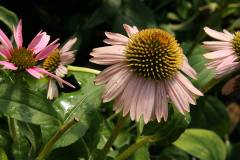
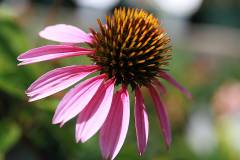
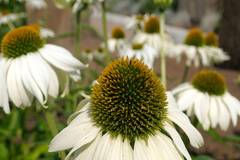
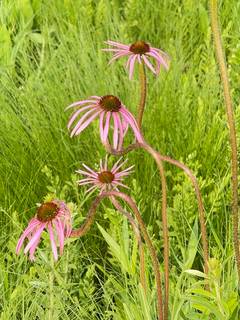
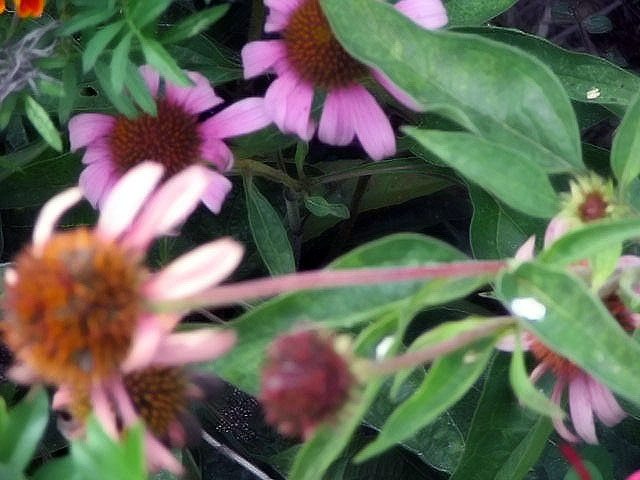
Echinacea purpurea 'Magnus' is an upright, clumping, herbaceous perennial reaching 36–48 inches (90–120 cm) tall with a spread of 18–24 inches (45–60 cm). This Swedish-bred cultivar was the 1998 Perennial Plant of the Year (Perennial Plant Association). 'Magnus' was selected for its large, single, daisy-like flower heads 4–5 inches (10–13 cm) across with rosy-pink to magenta-pink ray florets held horizontally rather than drooping—creating a fuller, flatter flower profile than the species type. The large, prominent, dark copper-orange central cone is spiny and raised. Flowers are borne on strong, upright stems from July through September. The basal foliage is dark green, coarsely textured, ovate to lance-shaped, with rough, sandpapery surfaces. Growth rate is moderate. Clonally propagated (tissue culture), producing more uniform plants than seed-grown cultivars like 'Bravado.' Hardy to zone 3. The tallest of the four echinaceas in this collection.
Native Range
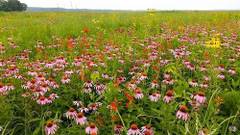
Echinacea purpurea is native to eastern and central North America, in prairies, open woodlands, thickets, and meadows. 'Magnus' was selected in Sweden by Magnus Nilsson.Suggested Uses
Planted in borders, prairie gardens, meadow plantings, and cutting gardens at 18–24 inch (45–60 cm) spacing. The flat ray angle and tall stems make this suited to mid- to back-of-border positions. Functions in native plant gardens and pollinator plantings. The horizontal rays make this more suitable for cut flowers than drooping-rayed cultivars. The dark cones attract goldfinches in winter. Pair with grasses, Rudbeckia, Perovskia, and Solidago. Not suitable for full shade, waterlogged soils, or front-of-border positions where taller stems would be out of scale.How to Identify
Appearance
Size & Dimensions
Height3' - 4'
Width/Spread1'6" - 2'
Bloom Information
Detailed Descriptions
Flower Description
Rosy-pink to magenta-pink, horizontal rays; dark copper-orange coneFoliage Description
Dark green, coarsely textured, rough sandpapery surfaceGrowing Conditions
Sun Requirements
Requires 6-10 hours of direct sunlight daily
• Full Sun: 6+ hours of direct sunlight
• Partial Shade: 3-6 hours of direct sunlight
• Full Shade: Less than 3 hours of direct sunlight
Care & Maintenance
Care Guide
Plant in full sun in well-drained soil. Tolerates heat, drought, humidity, and clay soils once established. Full sun produces the sturdiest stems—in partial shade the tall stems may lean toward light. Hardy to zone 3. Division every 3–4 years maintains vigor. Japanese beetles and aster yellows can occasionally affect plants. May need staking in rich, moist soils where stems grow taller and weaker.Pruning
Deadhead spent flowers to extend bloom, or leave cones standing through winter for bird seed and architectural interest. Cut back all stems to the ground in late winter.Pruning Schedule
Prune: February
winter
Container Growing
Suitable for container growing
Minimum container size: 5 gallons