Echinacea, Genus, ×, Hybrid, 'Cheyenne Spirit', Cultivar,
- Genus
- Hybrid
- Cultivar
cheyenne spirit coneflower
Garden hybrid; interspecific cross involving multiple {Echinacea} species
Overview
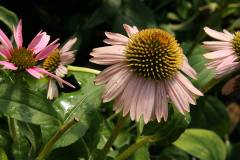
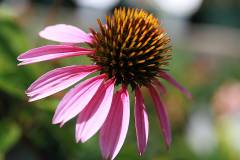
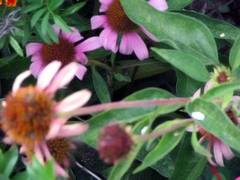
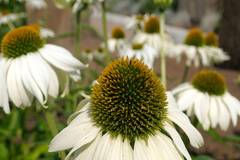
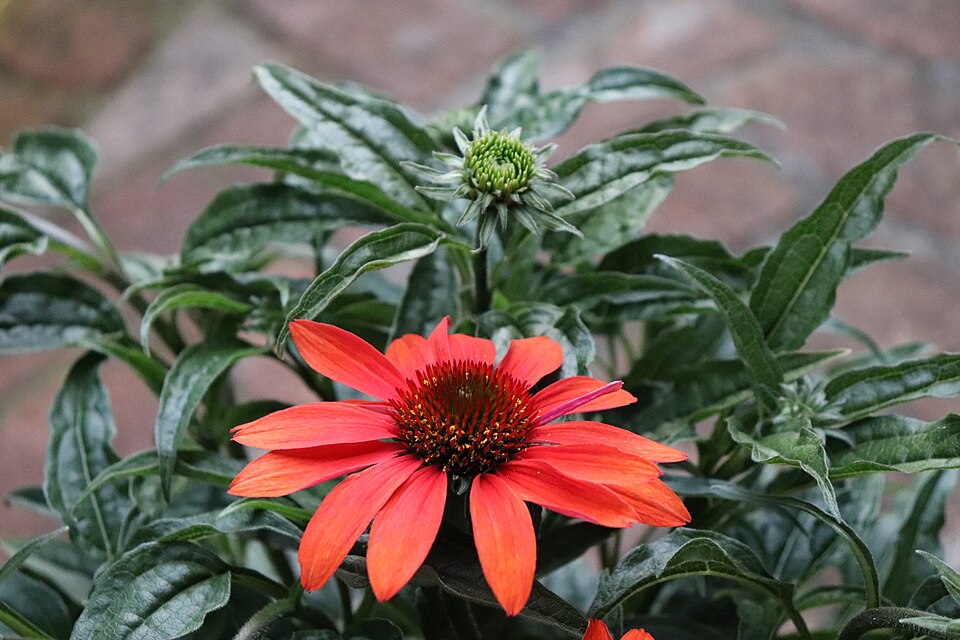
Echinacea × 'Cheyenne Spirit' is an interspecific hybrid coneflower that grows 18–30 inches (45–75 cm) tall and 12–18 inches (30–45 cm) wide. The primary feature is the mixed-color display: each plant from seed produces a single color, and the full range includes red, orange, yellow, cream, pink, purple, white, and bicolor combinations. A planting from seed displays the entire spectrum simultaneously, creating a rainbow coneflower effect. The cultivar received the 2013 All-America Selections Perennial Award and the 2013 Fleuroselect Gold Medal, recognizing consistent color range, compact habit, and first-year flowering from seed. Individual flowers are 3–4 inches (8–10 cm) across with broad, overlapping ray florets around a dark bronze cone. The compact 18–30 inch (45–75 cm) stature is shorter and sturdier than many hybrid coneflowers, reducing the need for staking. The interspecific parentage — involving E. purpurea, E. paradoxa, and potentially other species — contributes the expanded color range not achievable from any single species. As with many interspecific hybrid coneflowers, individual plants may be shorter-lived (2–4 years) than species-type E. purpurea; in lean, well-drained soil, persistence is longer. Deer avoid the foliage.
Native Range
Echinacea × 'Cheyenne Spirit' is an interspecific garden hybrid involving multiple North American Echinacea species.Suggested Uses
Used in mixed perennial borders, pollinator gardens, and mass plantings where the rainbow color range creates a multi-hued display from a single cultivar. Container culture in pots of 5 gallons (19 liters) or more. The first-year bloom and mixed colors suit annual-style bedding use. Plant in groups of 7–12 for the full color spectrum.How to Identify
Appearance
Size & Dimensions
Height1'6" - 2'6"
Width/Spread1' - 1'6"
Colors
Bloom Information
Detailed Descriptions
Flower Description
Mixed — red, orange, yellow, cream, pink, purple, white, and bicolorsFoliage Description
Dark green, ovate to lance-shaped, rough-texturedGrowing Conditions
Sun Requirements
Requires 6-10 hours of direct sunlight daily
• Full Sun: 6+ hours of direct sunlight
• Partial Shade: 3-6 hours of direct sunlight
• Full Shade: Less than 3 hours of direct sunlight
Care & Maintenance
Care Guide
Plant in full sun with at least 6 hours of direct light. Average, well-drained soil. Do not fertilize in rich soil — lean conditions produce sturdier plants. Water during establishment. Deadhead for extended bloom. Accept that individual plants may be shorter-lived (2–4 years) than species-type coneflowers. Cut all stems to ground level in late winter.Pruning
Deadhead spent flowers for continuous reblooming. Cut all stems to ground level in late February–March. Leave some cones for winter bird forage if desired.Pruning Schedule
Prune: March & November
fallearly spring
Container Growing
Suitable for container growing
Minimum container size: 5 gallons