Echinacea, Genus, purpurea, Species, 'Ruby Star', Cultivar,
- Genus & species
- Cultivar
ruby star coneflower
Garden selection; species {Echinacea purpurea} is native to eastern and central North America
Overview
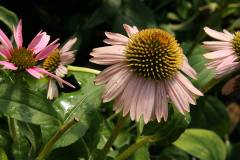
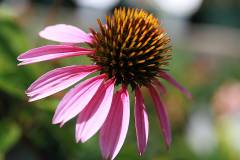
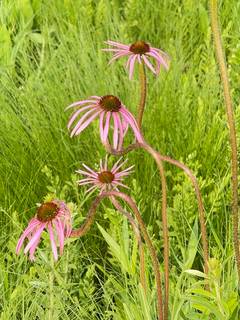
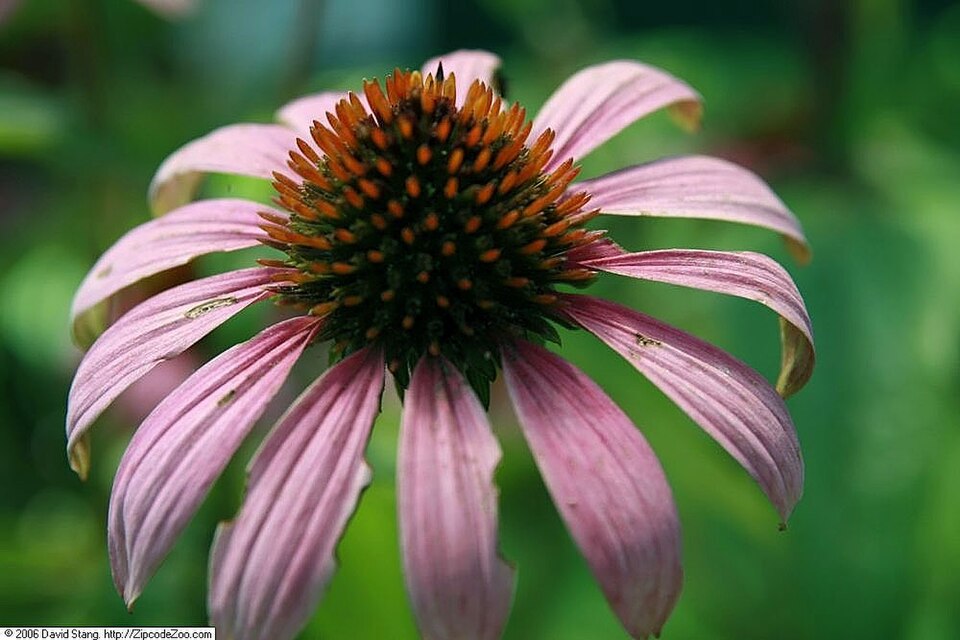
Echinacea purpurea 'Ruby Star' (original German name 'Rubinstern') is a coneflower selection that grows 30–42 inches (75–105 cm) tall and 18–24 inches (45–60 cm) wide. Deep carmine-rose to ruby-red broad ray florets hold nearly horizontal rather than drooping, creating a flatter, more open flower face than the species type. The rays resist the downward droop that develops on many E. purpurea cultivars as the flower ages, maintaining the horizontal display through the life of each bloom. The carmine-rose color is deeper and more red-toned than the standard species pink, making this one of the darkest-colored species-type (non-hybrid) E. purpurea selections. A dark bronze-orange central cone contrasts with the deep rays. The cultivar was selected in Germany (Ernst Pagels nursery) and introduced under the German name 'Rubinstern'. Branching stems with rough-textured dark green foliage produce the standard E. purpurea growth habit. The bloom period from July through September spans approximately 8 weeks. Because this is a species selection rather than an interspecific hybrid, 'Ruby Star' has the full longevity and reliability of straight E. purpurea — typically 5–10 years in well-drained soil, longer than many hybrid coneflowers that decline after 2–3 years. Deer avoid the foliage.
Native Range
The species Echinacea purpurea is native to eastern and central North America. 'Ruby Star' ('Rubinstern') was selected by Ernst Pagels in Germany.Suggested Uses
Used in perennial borders, prairie plantings, and pollinator gardens. The deeper color and horizontal rays create a bolder display than the standard species. The species-type longevity (5–10 years) makes this more reliable long-term than hybrid coneflowers. Container culture in pots of 5 gallons (19 liters) or more.How to Identify
Appearance
Size & Dimensions
Height2'6" - 3'6"
Width/Spread1'6" - 2'
Colors
Bloom Information
Detailed Descriptions
Flower Description
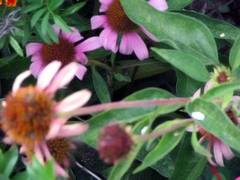
Deep carmine-rose to ruby-red ray florets with a dark bronze-orange coneFoliage Description
Dark green, ovate, rough-textured, coarsely toothedGrowing Conditions
Sun Requirements
Requires 6-10 hours of direct sunlight daily
• Full Sun: 6+ hours of direct sunlight
• Partial Shade: 3-6 hours of direct sunlight
• Full Shade: Less than 3 hours of direct sunlight
Care & Maintenance
Care Guide
Plant in full sun with at least 6 hours of direct light. Average, well-drained soil. Do not fertilize in rich soil. Water during establishment. Deadhead for extended bloom or leave cones for birds. Cut all stems to ground level in late winter.Pruning
Deadhead or leave cones as desired. Cut all stems to ground level in late February–March.Pruning Schedule
Prune: March & November
fallearly spring
Container Growing
Suitable for container growing
Minimum container size: 5 gallons