Image 1 of 26
1 / 26
Plant Reference
Echinacea, Genus, hybrids, Species,
- Genus & species
coneflower
Hybrids of garden origin; parent species native to central and eastern North America (Saskatchewan to Texas, east to the Atlantic coast)
Overview
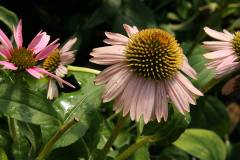
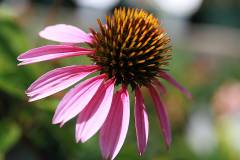
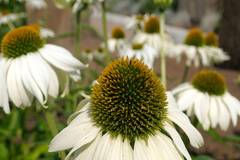
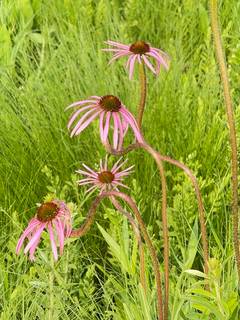
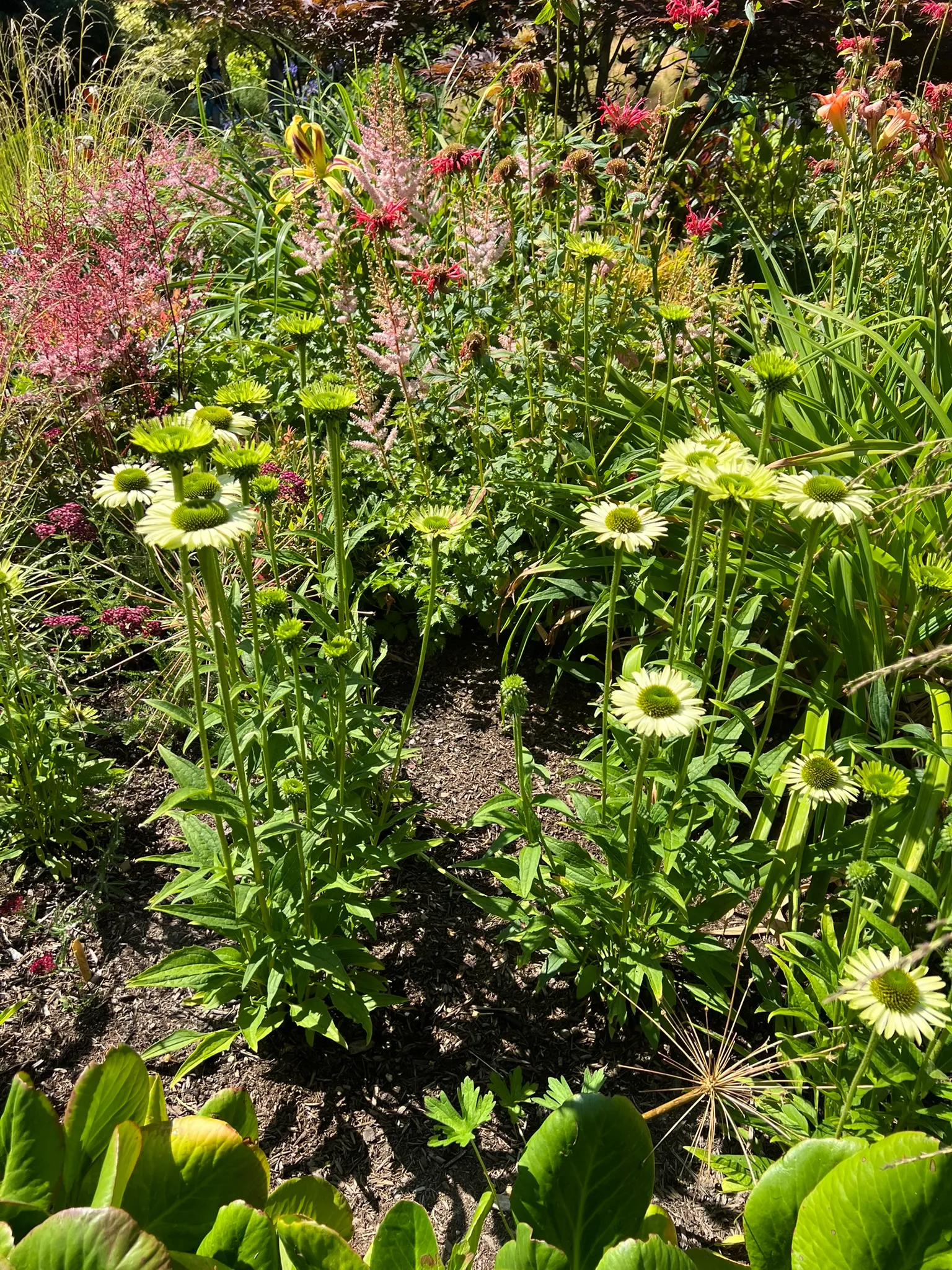
Echinacea Hybrids are a group of herbaceous perennials in the aster family (Asteraceae) derived from interspecific crosses involving Echinacea purpurea, E. paradoxa, E. tennesseensis, and other native North American species. Modern hybrid coneflowers have expanded the color range beyond the pink-purple of the type species to include orange, yellow, red, white, bicolors, and complex intermediate shades. Plants form clumps of erect stems 18–36 inches (45–90 cm) tall with coarse lance-shaped leaves, carrying flower heads 3–5 inches (8–13 cm) across with reflexed or horizontal ray florets surrounding a raised domed disc — the cone — in orange-brown to dark brown. Some hybrid series carry double or semi-double flower forms. Bloom extends from June through September with deadheading. The hybrids retain the drought tolerance, pollinator value, and general toughness of the wild species, though several modern hybrid selections show shorter functional lifespans (2–4 years) than the long-lived type species (E. purpurea often persists 8–12 years under the same conditions). Persistent seed cones remain visually present through winter and carry seed for goldfinches and other seed-eating birds.
Native Range
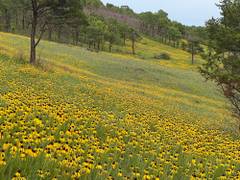
Echinacea hybrid cultivars are of garden origin; the parent species are native to prairies, open woodlands, and rocky slopes of central and eastern North America, from Saskatchewan south to Texas and east to the Atlantic coast. Most hybridization work has used Echinacea purpurea (native to the eastern and central United States) and Echinacea paradoxa (native to the Missouri and Arkansas Ozarks).Suggested Uses
Planted in perennial borders, native plantings, and pollinator gardens at 18–24 inch (45–60 cm) spacing in USDA zones 3–9. The hybrids tolerate hot dry sites and lean soils, so positions unsuited to moisture-loving perennials match their cultural range. Combinations with ornamental grasses (Schizachyrium scoparium, Sporobolus heterolepis) and late-season native perennials (Solidago rigida, Liatris spicata) support multi-season prairie-style plantings. Persistent seed cones carry winter structure when stems are left standing. Cut flowers last 7–10 days in water.How to Identify
Appearance
Size & Dimensions
Height1'6" - 3'
Width/Spread1'6" - 2'
Bloom Information
Blooms June through September in USDA zones 3–9, with peak flowering typically in July and August. Deadheading extends bloom; leaving a portion of cones standing feeds seed-eating birds and supports self-renewal. In zones 8–9, bloom begins in May or June and may slow during peak summer heat before returning in September and October.
Detailed Descriptions
Flower Description
Orange, yellow, red, pink, white, or bicolor; surrounding a raised spiny domed cone in orange-brown to dark brown; flower heads 3–5 inches (8–13 cm) acrossFoliage Description
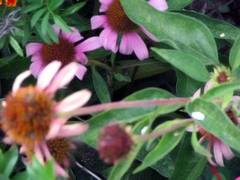
Medium green; lance-shaped; coarse-textured with rough surfaces and prominent veinsGrowing Conditions
Sun Requirements
Requires 6-8 hours of direct sunlight daily
• Full Sun: 6+ hours of direct sunlight
• Partial Shade: 3-6 hours of direct sunlight
• Full Shade: Less than 3 hours of direct sunlight
Care & Maintenance
Care Guide
Plant in full sun in well-drained soil of average to low fertility; the hybrids tolerate sandy, rocky, loam, and clay substrates. Rich or consistently wet soils promote crown rot and shorten plant lifespan, so lean conditions are preferable to improved beds. Water during the first establishment season; plants become drought-tolerant afterward. Divide clumps every 3–4 years in early spring when flowering thins or the clump becomes congested. Hybrid selections typically persist 2–4 years before vigor declines and the clump should be replaced or propagated by division; this shorter lifespan contrasts with the 8–12 year persistence of E. purpurea under the same conditions. Deadheading extends bloom; leaving some cones through winter supplies seed for finches and allows self-renewal.Pruning
Deadhead spent flower heads by cutting back to a lateral bud or leaf to prolong the blooming period. Leave a portion of cones standing through fall and winter — goldfinches and other seed-eating birds visit persistent seed cones into midwinter. Cut all stems to ground level in late fall or early spring. Divide in early spring every 3–4 years by lifting the clump and separating the crowns.Pruning Schedule
Prune: March & August–September
early springsummer
Container Growing
Suitable for container growing
Minimum container size: 3 gallons