Echinacea, Genus, purpurea, Species, 'White Swan', Cultivar,
- Genus & species
- Cultivar
white swan coneflower
Eastern and central North America (prairies, open woodlands, meadows)
Overview
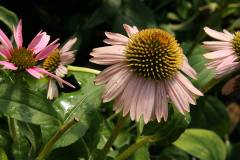
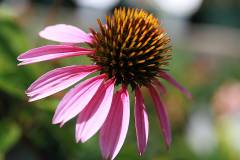
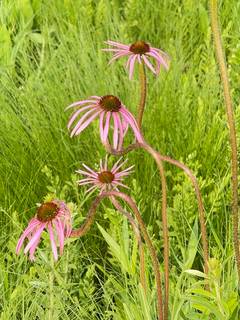
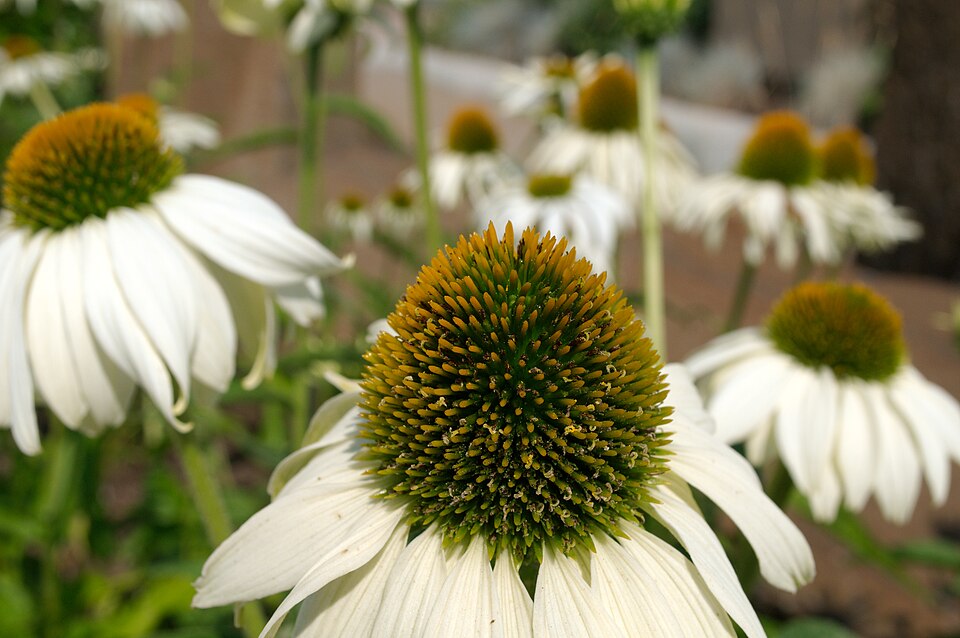
Echinacea purpurea 'White Swan' is an upright, clumping, herbaceous perennial reaching 24–36 inches (60–90 cm) tall with a spread of 18–24 inches (45–60 cm). This is the standard white-flowered selection of E. purpurea, producing single, daisy-like flower heads 3–4 inches (8–10 cm) across with white ray florets that droop slightly from a prominent, dark copper-orange to bronze central cone. The white rays may develop a slight greenish or pinkish tint as they age. Flowers are borne on sturdy, branching stems from July through September. The basal foliage is dark green, coarsely textured, with the characteristic rough, sandpapery surface. Growth rate is moderate. Seed-grown, so some variation in flower color purity and ray angle occurs—occasional plants may show pale pink rather than pure white. Hardy to zone 3.
Native Range
Echinacea purpurea is native to eastern and central North America, in prairies, open woodlands, thickets, and meadows. White-flowered forms occur naturally in wild populations.Suggested Uses
Planted in borders, moon gardens, cottage gardens, and meadow plantings at 18–24 inch (45–60 cm) spacing. The white flowers brighten shaded edges and evening gardens. Combines with pink echinaceas, grasses, and blue-flowered perennials. Functions in native plant gardens and pollinator plantings. The dark cones attract goldfinches in winter. Not suitable for full shade or waterlogged soils. Seed-grown variation may produce occasional off-white or pale pink individuals.How to Identify
Appearance
Size & Dimensions
Height2' - 3'
Width/Spread1'6" - 2'
Bloom Information
Detailed Descriptions
Flower Description
White drooping rays; dark copper-orange to bronze coneFoliage Description
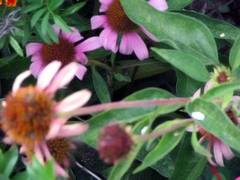
Dark green, coarsely textured, rough sandpapery surfaceGrowing Conditions
Sun Requirements
Requires 6-10 hours of direct sunlight daily
• Full Sun: 6+ hours of direct sunlight
• Partial Shade: 3-6 hours of direct sunlight
• Full Shade: Less than 3 hours of direct sunlight
Care & Maintenance
Care Guide
Plant in full sun in well-drained soil. Tolerates heat, drought, humidity, and clay soils once established. Hardy to zone 3. Seed-grown—expect some color variation. Division every 3–4 years maintains vigor. Japanese beetles and aster yellows can occasionally affect plants.Pruning
Deadhead spent flowers to extend bloom, or leave cones standing through winter for bird seed. Cut back all stems to the ground in late winter.Pruning Schedule
Prune: February
winter
Container Growing
Suitable for container growing
Minimum container size: 3 gallons