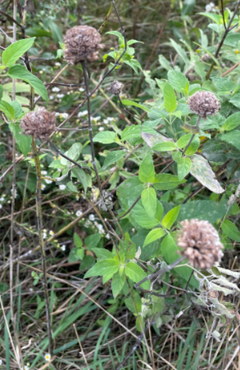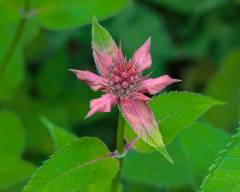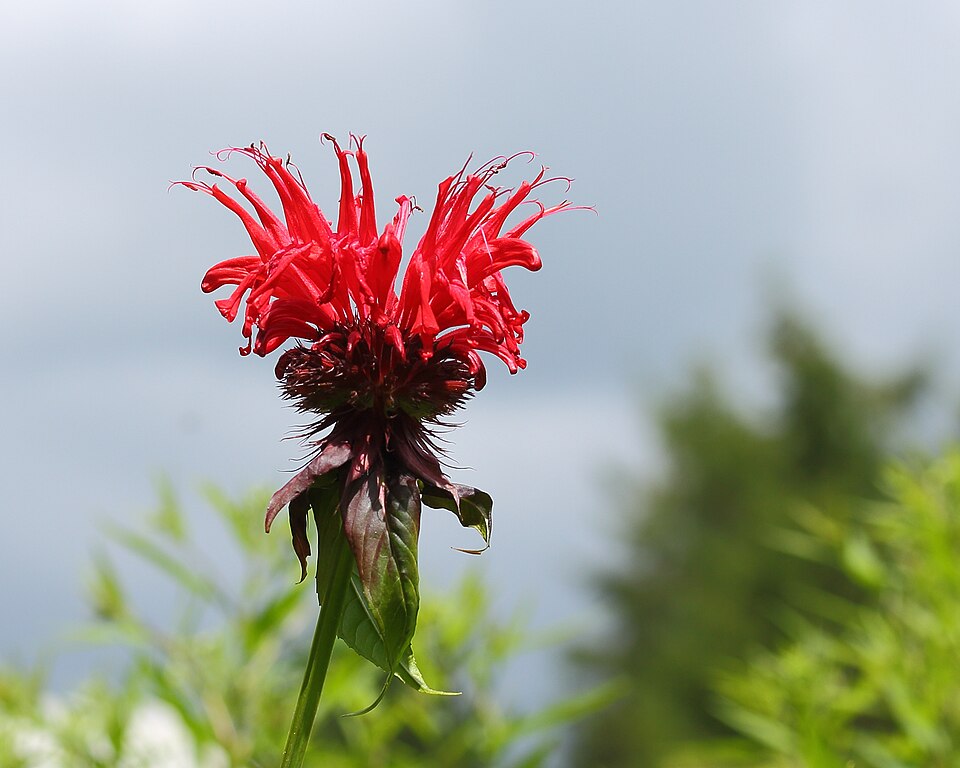
Monarda, Genus, didyma, Species, 'Jacob Cline', Cultivar,
- Genus & species
- Cultivar
jacob cline bee balm
Garden selection; species {Monarda didyma} is native to eastern North America — from Maine south to Georgia
Overview
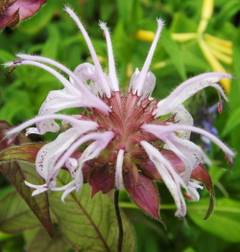
Monarda didyma 'Jacob Cline' is a deep red bee balm with strong mildew resistance among red-flowered cultivars, growing 36–48 inches (90–120 cm) tall and spreading 24–36 inches (60–90 cm) by stolons. Deep scarlet-red flowers in large shaggy whorl-like heads 3–4 inches (8–10 cm) across bloom from July through August. 'Jacob Cline' was selected in the mountains of North Carolina for the deepest red colour and stronger mildew resistance than other red-flowered cultivars — though no M. didyma cultivar is fully immune to powdery mildew, this selection holds up better than most through humid summers. The species is a leading hummingbird perennial in eastern North America — the red tubular flowers are shaped for hummingbird bills. The common name 'bee balm' references the bee-attracting properties, and the species was historically used to make Oswego tea. The species name 'didyma' means 'in pairs', describing the opposite leaf arrangement. Spreads by stolons — can be aggressive; division every 2–3 years controls the colony. Thinning stems for air circulation further reduces mildew risk. Strongly aromatic foliage. Deer avoid the foliage.
Native Range
The species Monarda didyma is native to eastern North America — from Maine south to Georgia. 'Jacob Cline' was selected in North Carolina.Suggested Uses
Used in borders, native plant gardens, hummingbird gardens, and cottage gardens. A leading hummingbird perennial in eastern North America. The deep red colour with stronger mildew resistance among red cultivars. Herbal tea (Oswego tea). Control spread with division every 2–3 years.How to Identify
Appearance
Size & Dimensions
Height3' - 4'
Width/Spread2' - 3'
Bloom Information
Flowering in July and August, approximately 5 weeks. Deep scarlet-red shaggy heads.
Detailed Descriptions
Flower Description
Deep scarlet-red, in large shaggy whorl-like headsFoliage Description
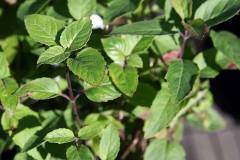
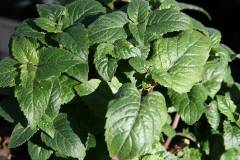
Dark green, aromatic, lance-shaped, oppositeGrowing Conditions
Sun Requirements
Requires 5-10 hours of direct sunlight daily
• Full Sun: 6+ hours of direct sunlight
• Partial Shade: 3-6 hours of direct sunlight
• Full Shade: Less than 3 hours of direct sunlight
Care & Maintenance
Care Guide
Plant in full sun (more sun = less mildew). Moist soil. Thin stems for air circulation. Divide every 2–3 years to control spread. Holds up better than most red bee balms through humid summers. Herbal tea plant.Pruning
Deadhead spent heads. Thin stems for air circulation. Cut to ground after frost or in early spring. Divide stoloniferous clumps every 2–3 years.Pruning Schedule
Prune: March & September
fallearly spring