Monarda, Genus, spp., Multiple species,
- Genus
- Multiple species
bee balm mix
Overview
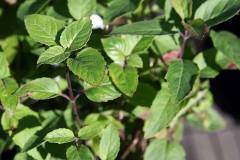
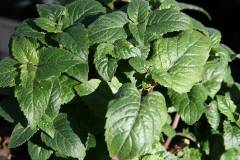
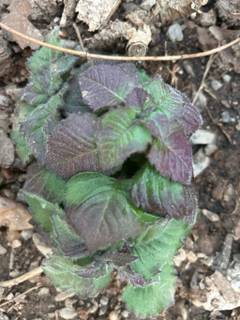
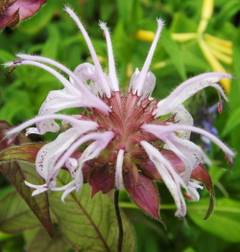
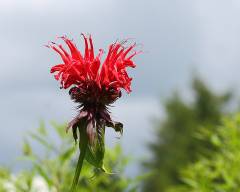
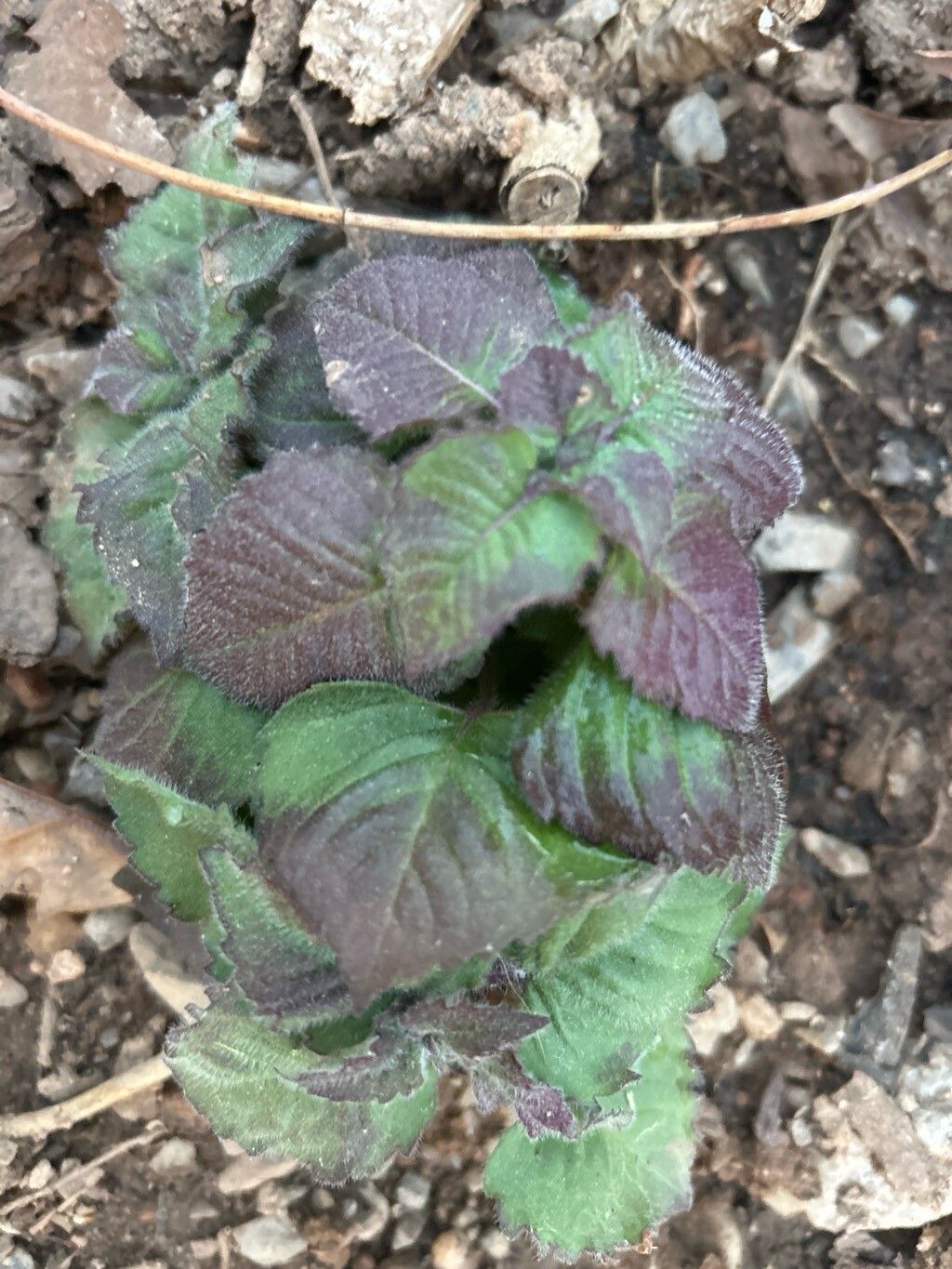
Monarda spp. ('Bee Balm Mix') is a mixed seed or plant offering encompassing multiple Monarda species and cultivars selected to provide a range of flower colors and bloom timing. Plants are upright, clump-forming herbaceous perennials with square stems characteristic of the mint family, ranging from 24-48 inches (60-120 cm) tall and 18-24 inches (45-60 cm) wide depending on the species included. Opposite, lance-ovate leaves measure 2-4 inches (5-10 cm) long with serrated margins, dark green and aromatic when crushed, releasing oregano-mint scents that vary by species. Tubular flowers form dense terminal whorls 2-4 inches (5-10 cm) across in red, pink, lavender, purple, and white shades depending on species composition; mixes commonly include M. didyma (red, pink), M. fistulosa (lavender, pink), M. punctata (yellow with purple spots), and named cultivars. Bloom occurs from late June through August in zones 4-7. Most species spread by underground rhizomes 6-12 inches (15-30 cm) per year and may require division every 2-3 years. Powdery mildew susceptibility varies by species; M. fistulosa typically shows higher resistance than M. didyma.
Native Range
Most Monarda species in commercial mixes are native to North America. M. didyma ranges from Quebec to Georgia in moist woodland edges and streamsides; M. fistulosa (wild bergamot) extends across most of the continent in dry meadows, prairies, and roadsides; M. punctata (spotted bee balm) inhabits sandy coastal soils from New England to Florida and west to Texas. Elevation ranges from sea level to 5,500 feet (0-1,700 m) depending on species.Suggested Uses
Planted in pollinator gardens, native meadow restorations, and the back of mixed perennial borders, spaced 18-24 inches (45-60 cm) apart. Used as nectar plants for hummingbirds, butterflies, and bumblebees across the bloom season. Multi-species mixes extend bloom and broaden pollinator support. Container culture is possible in pots 5 gallons (19 L) or larger; mixed-species containers limit rhizome spread within the pot.How to Identify
Appearance
Size & Dimensions
Height2' - 4'
Width/Spread1'6" - 2'
Colors
Bloom Information
Late June through August in zones 4-7 with combined peak bloom from mid-July through early August across most species. M. fistulosa typically blooms 1-2 weeks after M. didyma, extending the total flowering window to 6-8 weeks per planting. Each flowerhead remains colorful 10-14 days. Deadheading produces side-branch rebloom on most species. Bloom ends earlier in zones 8-9 (by early August) and later in zone 3 (into early September).
Detailed Descriptions
Flower Description
Variable: red, pink, lavender, purple, white, or yellow with purple spots depending on speciesFoliage Description
Dark greenGrowing Conditions
Sun Requirements
Requires 6-8 hours of direct sunlight daily
• Full Sun: 6+ hours of direct sunlight
• Partial Shade: 3-6 hours of direct sunlight
• Full Shade: Less than 3 hours of direct sunlight
Care & Maintenance
Care Guide
Plant in spring at 18-24 inches (45-60 cm) spacing in moist, average soil for M. didyma or in drier, lean soils for M. fistulosa and M. punctata; matching species to site improves long-term performance. Water weekly through the first growing season; established native species tolerate 3-4 weeks without rain in zones 4-7, while M. didyma cultivars require more consistent moisture. Powdery mildew is the principal disease across the genus; air circulation and morning sun reduce infection. Apply 2-3 inches (5-8 cm) of compost in spring. Divide every 2-3 years in early spring to renew open-centered clumps. Self-sown seedlings hybridize freely between species in mixed plantings; offspring vary from the parent stock.Pruning
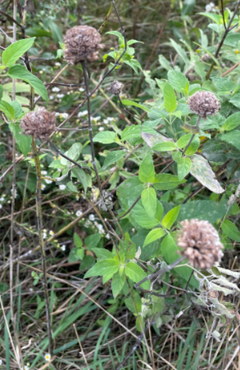
Cut spent stems to basal foliage in early September to reduce overwintering pathogens, or leave seedheads standing for goldfinches and cut in early spring. Pinch shoot tips in late May to reduce final height by 4-6 inches (10-15 cm) and increase branching, particularly on tall M. didyma forms. Cut all stems to ground level in late February to early March before new growth emerges.Pruning Schedule
Prune: February–March, May & September
early springlate springfall
Container Growing
Suitable for container growing
Minimum container size: 5 gallons