Monarda, Genus, 'Marshall's Delight', Cultivar,
- Genus
- Cultivar
Marshall's delight bee balm
North America (hybrid cultivar; Morden Research Station, Manitoba, Canada; bred for mildew resistance and cold hardiness)
Overview
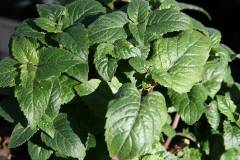
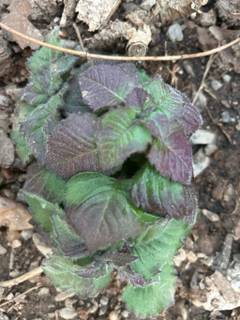
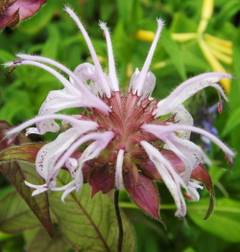
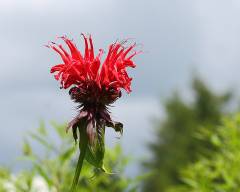
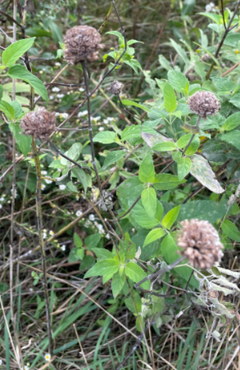
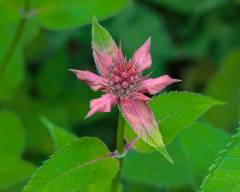
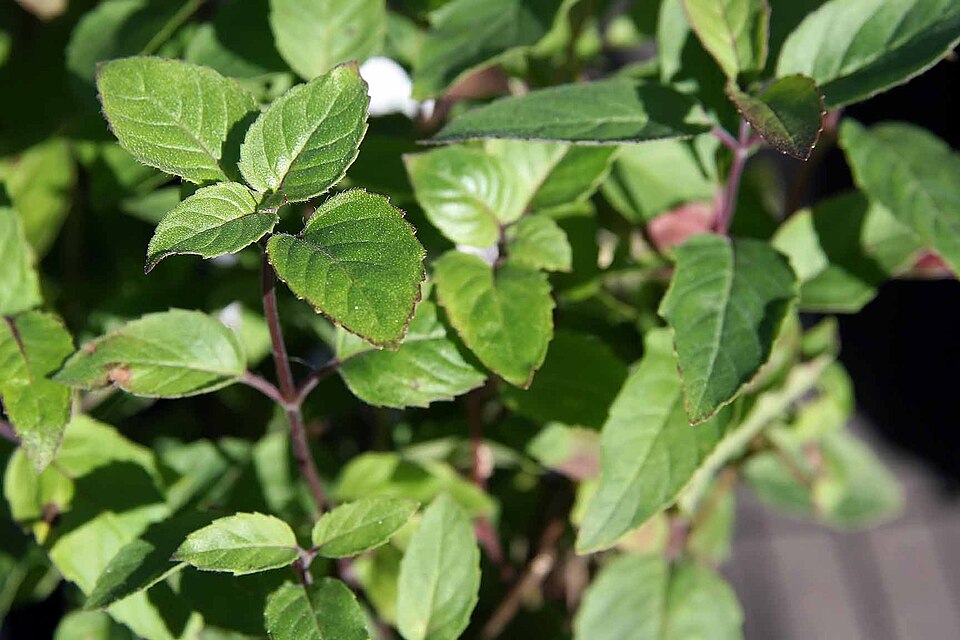
Monarda 'Marshall's Delight' is a clump-forming, deciduous perennial reaching 2-3 feet (0.6-0.9 m) tall with a spread of 2-3 feet (0.6-0.9 m) and an upright, bushy habit. This hybrid cultivar (parentage includes M. didyma) was bred in Canada specifically for resistance to powdery mildew—the primary disease problem of the genus. The opposite, aromatic, ovate to lanceolate leaves are 3-5 inches (8-13 cm) long, medium green, with a minty fragrance when crushed. Tubular, two-lipped flowers are borne in dense terminal whorled heads 2-3 inches (5-8 cm) across, bright pink, from July to September. The flowers are held on square stems characteristic of the Lamiaceae family. Growth rate is moderate to fast. Hardy to zone 3. Spreads by stoloniferous rhizomes and can form expanding colonies. Developed at the Morden Research Station, Manitoba, Canada.
Native Range
Monarda species are native to North America. 'Marshall's Delight' is a hybrid cultivar developed at the Morden Research Station in Manitoba, Canada, bred from M. didyma and related species for mildew resistance and cold hardiness.Suggested Uses
Planted in perennial borders, pollinator gardens, or cottage-style plantings at 18-24 inch (45-60 cm) spacing. The bright pink whorled flowers and aromatic foliage are pollinator features. Spreads by rhizomes—may require periodic division or edging to control expansion. Requires consistent moisture. Not suitable for dry sites or heavy shade.How to Identify
Appearance
Size & Dimensions
Height2' - 3'
Width/Spread2' - 3'
Bloom Information
Tubular, two-lipped flowers in dense terminal whorled heads 2-3 inches (5-8 cm) across, bright pink, from July to September. Bloom duration is 6-8 weeks. Deadheading spent flower heads can extend bloom by encouraging secondary heads from lateral buds.
Detailed Descriptions
Flower Description
Bright pink; dense terminal whorled heads 2-3 inches; tubular two-lipped; Jul-SepFoliage Description
Medium green; opposite ovate to lanceolate 3-5 inches; aromatic minty fragrance; on square stemsGrowing Conditions
Sun Requirements
Requires 4-10 hours of direct sunlight daily
• Full Sun: 6+ hours of direct sunlight
• Partial Shade: 3-6 hours of direct sunlight
• Full Shade: Less than 3 hours of direct sunlight
Care & Maintenance
Care Guide
Plant in full sun to partial shade in moist, well-drained soil (pH 6.0-7.0). Hardy to zone 3. Full sun promotes the densest habit and reduces foliar disease. Requires consistent moisture—drought stress increases susceptibility to powdery mildew even in resistant cultivars. Good air circulation reduces disease pressure. Divide clumps every 2-3 years to maintain vigor and control spread. Spreads by stoloniferous rhizomes.Pruning
Deadhead spent flower heads to encourage secondary bloom from lateral buds. Cut all stems to ground level in late autumn or early spring. Thin congested clumps by removing 1/3 of stems at the base in late spring to improve air circulation.Pruning Schedule
Prune: March & November
early springfall
Container Growing
Suitable for container growing
Minimum container size: 5 gallons