Monarda, Genus, 'Gardenview Scarlet', Cultivar,
- Genus
- Cultivar
bee balm Gardenview Scarlet
Eastern North America (parent species)
Overview
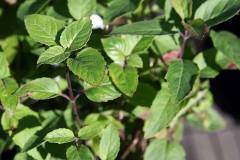
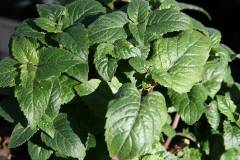
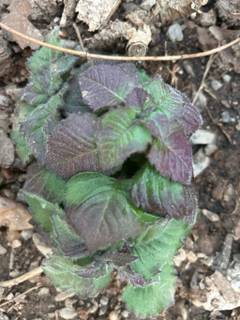
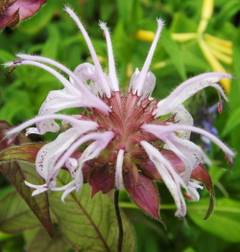
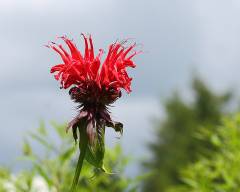
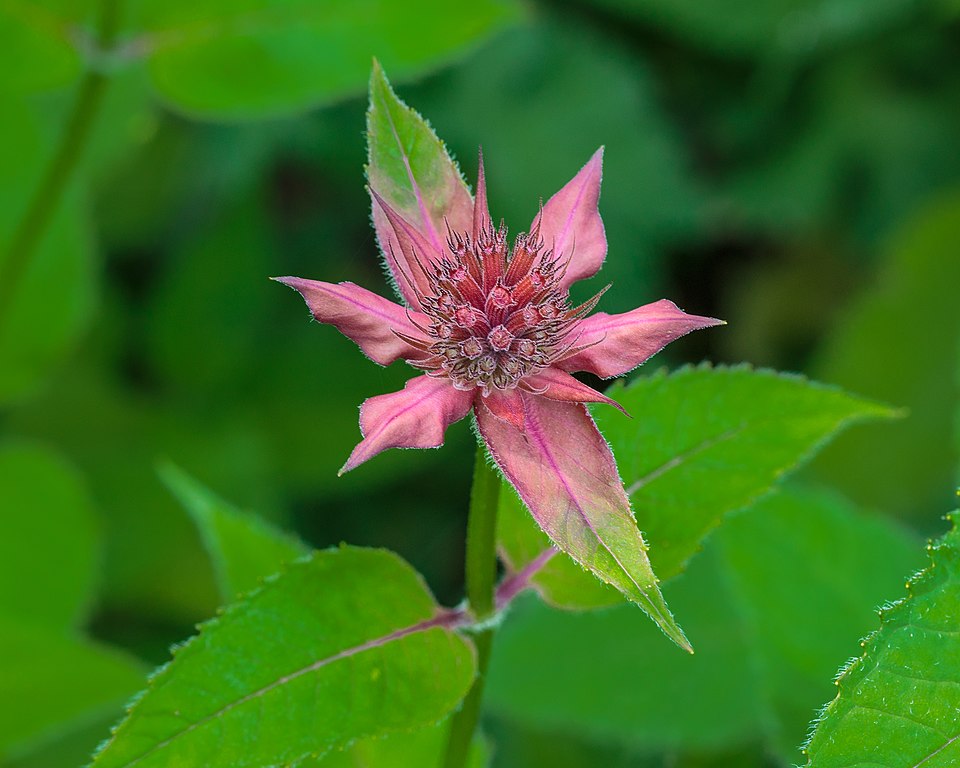
Monarda 'Gardenview Scarlet' is an upright, clump-forming herbaceous perennial reaching 36-48 inches (90-120 cm) tall and 18-24 inches (45-60 cm) wide. Square stems carry opposite, lance-ovate leaves 3-4 inches (8-10 cm) long with serrated margins, dark green and rough-textured above with sparse hairs beneath. Foliage releases an oregano-mint aroma when crushed. Tubular flowers 1.5-2 inches (4-5 cm) long open in dense terminal heads 3-4 inches (8-10 cm) across; corollas are scarlet-red emerging from red-tinted bracts. Flowering occurs from late June through August in zones 4-7, with peak bloom over 4-6 weeks. The cultivar shows reduced powdery mildew infection compared to M. didyma species type and many older red cultivars under standard humid conditions. Plants spread from underground rhizomes 6-12 inches (15-30 cm) per year, forming dense colonies that become open-centered after 3-4 seasons. Lower leaves often yellow or drop in dry summers but recover with rainfall. Stems may flop in shade or rich, irrigated soil; full sun and lean conditions hold upright form.
Native Range
Monarda didyma, the dominant species ancestor of red-flowered bee balms, is native to eastern North America from Quebec south to Georgia and west to Michigan and Tennessee. Found along streamsides, in moist woodland edges, and in mountain meadows at 1,000-5,500 feet (300-1,700 m) elevation. The cultivar 'Gardenview Scarlet' was selected at Gardenview Horticultural Park in Strongsville, Ohio in the late 20th century.Suggested Uses
Planted in pollinator gardens, naturalistic meadow borders, and the back of mixed perennial beds, spaced 18-24 inches (45-60 cm) apart with room for rhizomatous spread. Used as a hummingbird and butterfly nectar plant in zones 4-9. Container culture is possible in pots 5 gallons (19 L) or larger; container plants spread less but require division every 2 years.How to Identify
Appearance
Size & Dimensions
Height3' - 4'
Width/Spread1'6" - 2'
Colors
Bloom Information
Late June through August in zones 4-7 with peak bloom in mid-July; flowering ends earlier in zones 8-9, by mid-August. Each flowerhead remains colorful 10-14 days as new whorls of florets open from base to tip. Total bloom on a clump extends 4-6 weeks. Late-summer rebloom on side branches occurs after deadheading.
Detailed Descriptions
Flower Description
Scarlet-red tubular flowers in dense terminal heads with red-tinted bractsFoliage Description
Dark greenGrowing Conditions
Sun Requirements
Requires 6-8 hours of direct sunlight daily
• Full Sun: 6+ hours of direct sunlight
• Partial Shade: 3-6 hours of direct sunlight
• Full Shade: Less than 3 hours of direct sunlight
Care & Maintenance
Care Guide
Plant in spring at 18-24 inches (45-60 cm) spacing; established plants spread by rhizome and may need a buried barrier or regular division to contain. Water weekly through the first growing season; established plants tolerate brief drought of 2-3 weeks but lower leaves yellow in extended dry conditions. Apply 2-3 inches (5-8 cm) of compost in spring; high nitrogen accelerates rhizome spread and increases mildew. Powdery mildew is the principal disease; this cultivar shows reduced infection compared to M. didyma species type but full freedom from mildew is uncommon in humid summers. Divide every 2-3 years in early spring to renew the open-centered crown. Volunteer seedlings vary in flower color and habit from the parent.Pruning
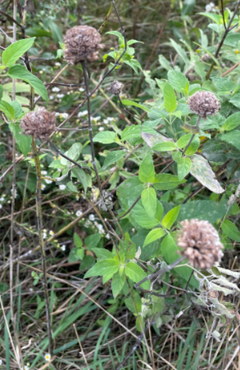
Cut spent stems to basal foliage in early September to redirect energy back to rhizomes and reduce overwintering pathogens; alternatively, leave seedheads standing for goldfinches and cut in early spring. Pinch shoot tips in late May to reduce final height by 4-6 inches (10-15 cm) and increase branching. Cut all stems to ground level in late February to early March before new growth emerges.Pruning Schedule
Prune: February–March, May & September
early springlate springfall
Container Growing
Suitable for container growing
Minimum container size: 5 gallons