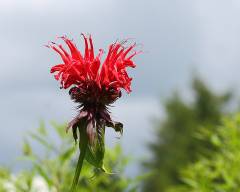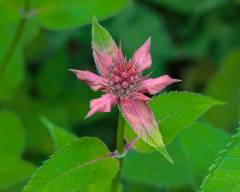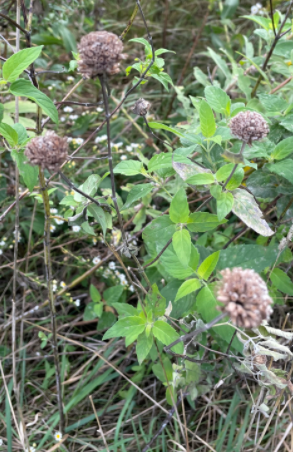
Monarda, Genus, fistulosa, Species,
- Genus & species
wild bergamot
North America — the widest native range of any Monarda species, from Quebec south to Georgia and west to British Columbia and Arizona
Overview
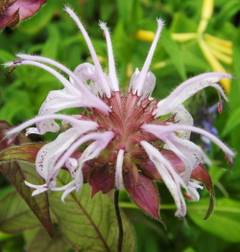
Monarda fistulosa is wild bergamot — a widespread, adaptable, drought-tolerant native bee balm growing 24–48 inches (60–120 cm) tall and spreading 24–36 inches (60–90 cm) by stolons. The species name 'fistulosa' means 'tubular', describing the hollow flower tubes. Lavender-pink to pale purple flowers in rounded whorl-like heads bloom from July through September — approximately 6+ weeks, longer than M. didyma. The advantages over M. didyma: significantly better mildew resistance, far greater drought tolerance, wider soil adaptability (sand, clay, or loam; acidic or alkaline), and a wider native range. The trade-off: the color is a softer lavender-pink rather than the vivid red of M. didyma. Gray-green aromatic foliage (not the dark green of M. didyma). Used by Indigenous peoples for centuries as a medicinal tea and antiseptic. A key native pollinator plant — bees, butterflies, and hummingbirds visit extensively. The 'bergamot' common name references the fragrance similarity to bergamot orange (the flavoring in Earl Grey tea). Hardy to zone 3. Deer avoid the strongly aromatic foliage.
Native Range
Monarda fistulosa is native to North America — the most widespread Monarda, from Quebec south to Georgia and west to British Columbia and Arizona.Suggested Uses
Used in native plant gardens, meadows, pollinator gardens, and naturalized areas. The most adaptable bee balm species. A key native pollinator plant. The lavender-pink complements rather than competes with the red M. didyma. Herbal tea. The species for difficult, dry, or poor-soil sites where M. didyma would fail.How to Identify
Appearance
Size & Dimensions
Height2' - 4'
Width/Spread2' - 3'
Colors
Bloom Information
Detailed Descriptions
Flower Description
Lavender-pink to pale purple, in rounded whorl-like headsFoliage Description
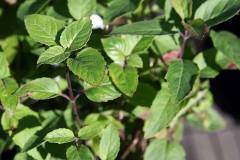
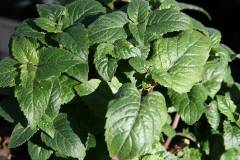
Gray-green, aromatic, lance-shaped, oppositeGrowing Conditions
Sun Requirements
Requires 5-10 hours of direct sunlight daily
• Full Sun: 6+ hours of direct sunlight
• Partial Shade: 3-6 hours of direct sunlight
• Full Shade: Less than 3 hours of direct sunlight
Care & Maintenance
Care Guide
Plant in full sun. Any well-drained soil — the species is highly adaptable. Drought-tolerant. Naturally mildew-resistant. Hardy to zone 3. Spreads by stolons — division every 3–4 years controls spread. Used as herbal tea and medicinal plant.Pruning
Stems can be left standing through fall and winter for seed heads and wildlife. Cut to ground in early spring.Pruning Schedule
Prune: March
early spring